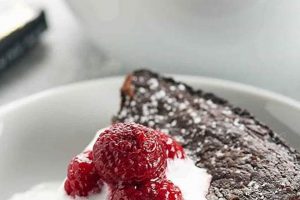
A plant-based dessert incorporating grated zucchini and cocoa, resulting in a moist and subtly flavored confection. This baked good avoids animal products such as eggs, dairy, and butter, substituting them with ingredients like flaxseed meal, plant-based milk, and vegetable oil. The presence of zucchini adds natural sweetness and hydration, contributing to a tender crumb.
This type of dessert offers several advantages. It caters to individuals following a vegan dietary pattern, providing a satisfying treat without compromising their ethical choices. The inclusion of zucchini can subtly increase vegetable intake, contributing to a more balanced diet. Furthermore, plant-based fats are often lower in saturated fat compared to traditional butter-based cakes, potentially offering a healthier alternative. The precise origins are difficult to pinpoint, but the combination of vegan baking techniques with the common use of zucchini in baking, particularly during times of abundance, likely led to its development.
The subsequent discussion will explore various aspects of this dessert. This includes ingredient substitutions, baking techniques specific to its plant-based nature, nutritional considerations, and recipe variations to achieve different textures and flavor profiles.
Tips for Baking Success
Achieving optimal results when preparing this specific dessert requires careful attention to ingredient selection and baking techniques. These guidelines provide a framework for minimizing common issues and maximizing flavor and texture.
Tip 1: Accurate Measurement is Essential. Precise measurements of both wet and dry ingredients are critical in vegan baking due to the absence of binding agents found in eggs. Use measuring cups and spoons specifically designed for baking, leveling off dry ingredients with a straight edge.
Tip 2: Hydrate Flaxseed Meal Correctly. When substituting eggs with flaxseed meal, combine one tablespoon of ground flaxseed with three tablespoons of water. Allow this mixture to sit for approximately five minutes to create a gel-like consistency that acts as a binder.
Tip 3: Do Not Overmix the Batter. Overmixing can develop gluten in the flour, resulting in a dense, tough final product. Mix the wet and dry ingredients until just combined. A few streaks of flour are acceptable.
Tip 4: Gently Squeeze Zucchini. Excess moisture from grated zucchini can lead to a soggy cake. After grating, place the zucchini in a clean kitchen towel or cheesecloth and gently squeeze out excess liquid before incorporating it into the batter.
Tip 5: Use High-Quality Cocoa Powder. The quality of the cocoa powder significantly impacts the flavor of the cake. Opt for Dutch-processed cocoa powder for a richer, less acidic flavor and darker color.
Tip 6: Monitor Baking Time Closely. Baking times may vary depending on oven calibration. Begin checking for doneness a few minutes before the suggested baking time. A toothpick inserted into the center should come out with a few moist crumbs attached.
Tip 7: Allow Complete Cooling Before Frosting. Applying frosting to a warm cake can cause it to melt unevenly. Ensure the cake is completely cooled on a wire rack before adding any frosting or glaze.
Adhering to these tips will contribute significantly to a successful baking experience, resulting in a moist, flavorful, and visually appealing dessert. The following section delves into common variations and adaptations that can be explored to further refine the recipe.
1. Moisture retention

Moisture retention is a critical factor in the quality and palatability of a plant-based chocolate zucchini confection. The very essence of the ideal baked good hinges on a tender, moist crumb, preventing dryness or a crumbly texture. Zucchini, the defining vegetable component, contributes significantly to this aspect, owing to its high water content. When grated and incorporated into the batter, it releases moisture during baking, creating a naturally hydrated environment. However, the addition of cocoa powder, a drying agent, counteracts this effect, necessitating a delicate balance to ensure optimal dampness.
In vegan baking, where traditional binding and moisture-enhancing agents like eggs are absent, the role of zucchini becomes even more prominent. Without proper moisture management, the final product risks becoming dense and unappetizing. Practical examples demonstrate the consequences: an excess of zucchini, without compensating with additional dry ingredients or adjustments to baking time, results in a gummy texture. Conversely, insufficient zucchini leads to a dry, less flavorful cake. Furthermore, using the wrong type of cocoa powder or excessive amounts can exacerbate dryness. The specific recipe and ingredient ratios must, therefore, be meticulously calibrated to achieve a harmonious balance.
Mastering moisture retention in this type of plant-based dessert involves understanding the interplay between hydrating and drying components. Recognizing the significance of zucchini’s water content, the impact of cocoa’s drying properties, and the absence of traditional binding agents is fundamental. The challenge lies in achieving a delicate equilibrium, demanding attention to detail in ingredient selection and precise execution of baking techniques. Proper moisture retention contributes significantly to the desired texture, flavor, and overall enjoyment of the confection, solidifying its role as a key component of its success.
2. Chocolate intensity

The level of chocolate flavor, or intensity, represents a crucial parameter in the sensory profile of plant-based chocolate zucchini confections. The judicious use of chocolate components not only defines the overall taste experience but also interacts with the other constituent ingredients, impacting the final products characteristics.
- Cocoa Powder Type and Quantity
The type of cocoa powder employed, whether natural or Dutch-processed, exerts a substantial influence on the resulting flavor profile. Natural cocoa powder, being more acidic, contributes a sharper, more pronounced chocolate note, whereas Dutch-processed cocoa powder, treated to neutralize acidity, yields a smoother, mellower taste. The quantity of cocoa powder directly correlates with the depth of chocolate flavor; higher amounts yield a richer, more intense experience, but also necessitate adjustments to moisture levels to counteract its drying effect. Imbalances in this facet can result in either a bland, unremarkable flavor or an overly bitter, dry product.
- Dark Chocolate Addition
The incorporation of melted dark chocolate introduces a more complex flavor dimension, imparting nuanced notes of bitterness, fruitiness, or spice depending on the specific type. The cacao percentage within the dark chocolate dictates the intensity of these flavors. Higher cacao percentages generally provide a more potent chocolate presence. The choice to include dark chocolate, and the specific variety used, represents a deliberate decision influencing the overall flavor complexity and richness of the confection.
- Sweetness Modulation
Chocolate intensity and perceived sweetness are inextricably linked. The inherent bitterness of cocoa requires careful calibration of sugar levels to achieve a harmonious balance. Insufficient sweetness can render the product unpleasantly bitter, while excessive sweetness can mask the subtleties of the chocolate flavor. The type of sweetener used, whether granulated sugar, brown sugar, or a liquid alternative like maple syrup, also contributes to the overall flavor profile. The goal is to strike a balance that enhances, rather than overwhelms, the chocolate’s intrinsic characteristics.
- Interaction with Zucchini
The subtle flavor of zucchini serves as a counterpoint to the richness of chocolate, preventing it from becoming overpowering. The zucchini’s natural sweetness and moisture contribute to the overall balance, ensuring a moist crumb and preventing the chocolate from dominating the sensory experience. The proportion of zucchini relative to other ingredients is essential; too little zucchini can lead to an intensely chocolatey but potentially dry product, while too much can dilute the chocolate flavor and result in a bland, vegetal taste.
The art of achieving the desired chocolate intensity in plant-based zucchini baked goods lies in understanding and manipulating these interconnected facets. The careful selection of cocoa powder and dark chocolate, the modulation of sweetness, and the recognition of the zucchini’s role as a balancing agent, all contribute to a final product that exhibits a harmonious and appealing chocolate experience.
3. Vegan substitutions

The creation of plant-based chocolate zucchini confections necessitates a strategic approach to ingredient replacement. Traditional baking relies heavily on animal products for structure, moisture, and richness, all of which must be replicated using exclusively plant-derived alternatives. The success of this substitution process is paramount to achieving a final product that mirrors the texture, flavor, and overall appeal of its conventional counterpart.
A primary example involves replacing eggs, crucial for binding, leavening, and moisture. Common substitutes include flaxseed meal mixed with water, which forms a gel-like substance mimicking the binding properties of eggs. Another option is applesauce, contributing moisture and a subtle sweetness. Dairy milk is typically replaced with plant-based alternatives such as almond milk, soy milk, or oat milk, each possessing distinct flavor profiles that can subtly alter the final taste. Butter, essential for richness and texture, finds its plant-based counterpart in vegetable oils, coconut oil, or vegan butter substitutes, each offering varying degrees of fat content and flavor. The judicious selection and precise measurement of these substitutes are critical. Incorrect ratios or inappropriate substitutions can lead to undesirable outcomes, such as a dense, dry cake or one lacking structural integrity. For example, using an excessive amount of flaxseed meal can result in a gummy texture, while insufficient fat can lead to a dry crumb.
The practical significance of understanding plant-based substitutions extends beyond mere ingredient replacement. It involves comprehending the functional properties of each substitute and its impact on the overall baking process. Recognizing the binding properties of flaxseed meal, the moisture-contributing effect of applesauce, and the varying fat content of different plant-based oils allows for informed decisions and recipe adjustments. Mastering these substitutions unlocks the ability to create delicious and satisfying desserts that align with vegan dietary principles. The integration of these alternatives transforms a conventional dessert into one that is accessible and enjoyable for a wider audience, while maintaining the familiar characteristics that make it appealing.
4. Zucchini quantity
The quantity of zucchini incorporated into plant-based chocolate zucchini confections directly influences the end product’s texture, moisture content, and overall flavor profile. An insufficient amount may result in a dry cake lacking the characteristic moistness and subtle sweetness imparted by the vegetable. Conversely, an excess of zucchini can lead to a soggy or dense texture, potentially overpowering the chocolate flavor. This necessitates a careful calibration of zucchini relative to other ingredients to achieve the desired balance. For instance, recipes employing a high ratio of zucchini may require adjustments to dry ingredients, such as increasing flour or reducing liquid, to counteract the increased moisture content.
The importance of controlled zucchini quantity extends beyond textural considerations. The vegetable contributes a mild sweetness that complements the bitterness of cocoa powder, thereby enhancing the overall flavor complexity. A deficiency in zucchini might result in a cake that is overly bitter or relies excessively on added sugar for palatability. Real-life examples demonstrate the impact of zucchini quantity: cakes prepared with a significantly reduced proportion often exhibit a crumbly texture and diminished flavor intensity, whereas those with an overabundance tend to be overly moist and may lack the structural integrity to hold their shape. The skillful manipulation of zucchini quantity, therefore, represents a critical component in optimizing the sensory attributes of the final product.
In conclusion, the accurate assessment and control of zucchini quantity constitute a vital aspect of plant-based chocolate zucchini preparation. The delicate balance between zucchini’s hydrating properties, subtle sweetness, and potential for overpowering the other ingredients requires careful consideration. By understanding the influence of zucchini quantity on the overall texture, flavor, and structural integrity of the baked good, practitioners can refine recipes and achieve consistently desirable results. Challenges in accurately determining zucchini quantity may arise from variations in zucchini size and moisture content; therefore, squeezing excess moisture from the grated vegetable before incorporation is often recommended to mitigate potential imbalances. This awareness links directly to the broader theme of ingredient proportionality in vegan baking, emphasizing the importance of precise measurements and mindful adjustments to achieve optimal outcomes.
5. Sweetness balance

Sweetness balance is a critical determinant of the overall palatability and sensory appeal of plant-based chocolate zucchini confections. Achieving the appropriate level of sweetness necessitates a nuanced understanding of the interplay between inherent bitterness, added sweeteners, and the subtle flavors contributed by zucchini and other ingredients.
- Cocoa Bitterness and Sweetener Ratio
Cocoa powder, a defining component, imparts a degree of bitterness that requires careful calibration with added sweeteners. The choice of sweetener, whether granulated sugar, brown sugar, maple syrup, or alternative sweeteners, impacts not only the sweetness level but also the overall flavor profile. Insufficient sweetening results in a bitter, unpalatable product, while excessive sweetness masks the complexities of the chocolate and zucchini flavors. Recipes must, therefore, carefully consider the ratio of cocoa to sweetener to achieve a harmonious balance. For example, recipes using a higher percentage of dark cocoa powder will generally require more sweetener than those using milk cocoa powder to offset the increased bitterness.
- Zucchini’s Natural Sweetness Contribution
Zucchini, although subtly flavored, contributes a natural sweetness that should be factored into the overall equation. Overlooking this contribution can lead to an excessively sweet product. Recipes may need to adjust the amount of added sweetener to compensate for the natural sugars present in the zucchini. The specific variety and maturity of the zucchini can also affect its sweetness level, requiring further adjustments. Failing to account for the vegetable’s inherent sweetness can result in a final product that lacks the desired balance, diminishing the enjoyment of the subtle flavors.
- Impact of Vegan Sugar Substitutes
The selection of vegan-compatible sweeteners exerts a significant influence on the final outcome. Refined white sugar, though vegan, is often replaced with less processed alternatives like maple syrup, agave nectar, or coconut sugar. These substitutes contribute not only sweetness but also distinct flavor notes that can complement or detract from the overall flavor profile. Maple syrup, for instance, imparts a characteristic caramel-like flavor that can enhance the complexity of the confection. Understanding the flavor profiles of different vegan sugar substitutes and their impact on the overall sweetness balance is crucial for achieving the desired result. Additionally, some vegan sweeteners have different sweetness intensities compared to refined sugar, requiring adjustments in quantity to achieve the same level of sweetness.
- Balancing Moisture and Sweetness
The interplay between sweetness and moisture is crucial in achieving a desirable texture. Excessive sweetness, particularly when using liquid sweeteners, can increase the moisture content of the batter, potentially leading to a dense or gummy final product. This necessitates adjustments to dry ingredients to compensate for the increased moisture. Similarly, reducing the amount of sweetener may necessitate the addition of moisture to prevent a dry crumb. Maintaining a balance between sweetness and moisture is therefore essential for achieving the ideal texture and overall palatability of plant-based chocolate zucchini confections.
In summary, achieving optimal sweetness in plant-based chocolate zucchini confections demands a holistic approach. The integration of multiple elementscocoas bitterness, zucchinis natural sweetness, the influence of vegan sweetener selections, and the relationship between sweetness and moisturenecessitates careful consideration. Neglecting any of these factors can compromise the overall balance and diminish the final product. Mastering the art of sweetness balance ensures a final product that is both satisfying and reflective of the carefully chosen flavors.
6. Gluten development

Gluten development, a critical factor in traditional baking, presents unique considerations in the context of plant-based chocolate zucchini confections. The manipulation of gluten, or lack thereof, profoundly affects the final product’s texture, influencing its tenderness, crumb structure, and overall mouthfeel. Due to the absence of eggs, which contribute to structure in conventional baking, managing gluten becomes particularly important in achieving the desired results in a vegan formulation.
- Flour Selection and Protein Content
The type of flour employed significantly impacts gluten formation. Wheat flours with higher protein content, such as bread flour, are more prone to developing substantial gluten networks. In contrast, lower-protein flours, like cake flour or pastry flour, yield a more tender crumb due to reduced gluten development. When creating plant-based chocolate zucchini baked goods, opting for a lower-protein flour, or blending wheat flour with gluten-free alternatives, can mitigate excessive gluten formation. Real-world examples demonstrate that using bread flour often results in a tougher, chewier texture, while cake flour produces a more delicate crumb. The careful selection of flour is thus essential in controlling the extent of gluten development.
- Mixing Techniques and Gluten Formation
The method and duration of mixing directly influence the degree of gluten development. Overmixing activates the gluten proteins, leading to the formation of strong, elastic networks. Conversely, gentle mixing minimizes gluten development, resulting in a more tender final product. In the context of plant-based chocolate zucchini baking, where a tender crumb is generally desired, it is imperative to avoid overmixing the batter. Employing a light hand and mixing only until the ingredients are just combined is crucial. Examples include observing the difference between a batter that has been vigorously mixed, resulting in a dense cake, and one that has been gently folded together, producing a light and airy texture.
- Liquid Content and Gluten Hydration
The amount of liquid in a batter affects gluten development by hydrating the gluten proteins. Adequate hydration is necessary for gluten to form cohesive networks. However, excessive liquid can lead to a batter that is too slack, resulting in a flat or dense final product. In plant-based chocolate zucchini recipes, the moisture contributed by zucchini must be carefully considered. Adjusting the liquid content to account for the zucchini’s moisture helps to prevent excessive gluten hydration and maintain the desired texture. For instance, squeezing excess moisture from the zucchini before incorporating it into the batter reduces the risk of over-hydrating the gluten.
- Fat Content and Gluten Inhibition
Fat inhibits gluten development by coating the flour particles and preventing them from forming strong bonds. The presence of fat in the batter, whether from vegetable oil, vegan butter, or other plant-based fats, contributes to a more tender crumb. In plant-based chocolate zucchini preparations, incorporating an adequate amount of fat is crucial for limiting gluten development and achieving the desired texture. Examples include observing that cakes with a higher fat content tend to be more tender and less prone to toughness. Conversely, reducing the fat content can result in a drier, more crumbly texture due to increased gluten development.
The interplay between flour selection, mixing techniques, liquid content, and fat content dictates the extent of gluten development in plant-based chocolate zucchini baked goods. By understanding and carefully manipulating these factors, bakers can achieve the desired texture and create desserts that are both delicious and texturally satisfying. The control of gluten, or lack thereof, becomes a central skill in mastering plant-based baking, particularly when replicating traditional recipes that rely on eggs for structure.
7. Baking temperature

Baking temperature serves as a critical factor in the successful creation of vegan chocolate zucchini confection. Temperature governs the rate of chemical reactions within the batter, influencing leavening, moisture evaporation, and protein coagulation. Inadequate temperature results in under-baked interiors, potentially leading to a dense, gummy texture. Excessive temperature can cause over-browning, dryness, and uneven cooking. The absence of eggs in vegan formulations necessitates precise temperature control to compensate for the loss of structural support and moisture retention traditionally provided by these ingredients. For example, a temperature that is too low will not sufficiently activate the baking powder or soda, yielding a flat, dense cake. Conversely, too high a temperature can cause the cake to rise rapidly and then collapse, resulting in a sunken center and dry edges.
Different components within the batter respond uniquely to varying temperatures. Starch gelatinization, crucial for structural integrity, occurs within a specific temperature range. Excessive heat can cause rapid evaporation of moisture before the starch fully gelatinizes, leading to a dry, crumbly texture. Cocoa powder, a key ingredient, also reacts to temperature, with higher temperatures potentially intensifying its bitterness. Moreover, the rate of zucchini’s moisture release is temperature-dependent; slow baking allows for gradual evaporation, contributing to a moist crumb, while rapid baking can trap moisture, resulting in a soggy texture. Practical application involves carefully monitoring the oven’s internal temperature and adjusting baking times accordingly. The use of an oven thermometer ensures accurate temperature readings, while testing the cake’s doneness with a toothpick helps to prevent over-baking.
In summary, baking temperature is inextricably linked to the final texture, flavor, and appearance of the dessert. Precise temperature control optimizes leavening, gelatinization, and moisture evaporation, compensating for the absence of eggs in the vegan recipe. The challenges in maintaining consistent baking temperatures, due to variations in oven calibration, highlight the importance of vigilance and adaptability. This focus on temperature control emphasizes the broader theme of process precision in plant-based baking, where understanding the nuanced interactions between ingredients and environmental factors is paramount to achieving consistently high-quality results.
Frequently Asked Questions about Vegan Chocolate Zucchini Cake
The following section addresses common inquiries and concerns regarding the preparation and properties of plant-based chocolate zucchini confections. It aims to provide clarity and factual information based on established culinary principles.
Question 1: Is “vegan chocolate zucchini cake” genuinely flavorful, given the absence of eggs and dairy?
Flavor perception is subjective; however, carefully formulated recipes incorporating high-quality cocoa powder, balanced sweeteners, and complementary flavors can yield a satisfyingly rich taste profile comparable to conventional cakes. The zucchini contributes subtle sweetness and moisture, enhancing the overall experience.
Question 2: Does “vegan chocolate zucchini cake” have a significantly different texture compared to traditional cakes?
The texture can vary depending on the specific recipe and ingredient substitutions. Well-executed recipes employing appropriate binding agents and moisture levels can achieve a moist, tender crumb. However, differences in gluten development due to the absence of eggs may result in a slightly different texture than traditional cakes.
Question 3: Can the zucchini taste be detected in “vegan chocolate zucchini cake?”
The flavor of zucchini is generally subtle and masked by the more pronounced chocolate and sweetener components. In most recipes, it primarily contributes moisture and a slight sweetness, rather than a distinct flavor profile. Some individuals may perceive a faint vegetal note, depending on the recipe and personal sensitivity.
Question 4: What are suitable egg replacements in “vegan chocolate zucchini cake?”
Common egg replacements include flaxseed meal mixed with water, applesauce, mashed banana, or commercial egg replacement products. Each option imparts slightly different qualities to the final product; therefore, recipe instructions should be followed closely to ensure optimal results.
Question 5: What are common problems encountered when baking “vegan chocolate zucchini cake” and how can they be avoided?
Common issues include dryness, gumminess, and inadequate leavening. Dryness can be mitigated by ensuring sufficient moisture from zucchini or other liquid ingredients. Gumminess can result from overmixing or excessive binding agents. Inadequate leavening can be addressed by using fresh baking powder or soda and ensuring proper activation.
Question 6: Is “vegan chocolate zucchini cake” a healthier dessert option compared to traditional chocolate cake?
Whether this particular cake is “healthier” depends on the specific recipe and ingredients used. It generally contains less saturated fat and cholesterol due to the absence of dairy and eggs. However, it may still be high in sugar and refined carbohydrates. The nutritional profile should be evaluated on a case-by-case basis.
In conclusion, the creation of delicious and satisfying plant-based chocolate zucchini confections requires a comprehensive understanding of ingredient substitutions, baking techniques, and the interplay between various components. Addressing common questions and concerns contributes to a more informed and successful baking experience.
The following section provides resources for further exploration, including recipe recommendations and informative articles.
Conclusion
This exploration of plant-based chocolate zucchini confections has illuminated the intricate balance of ingredients and techniques required to achieve optimal results. Success hinges upon a comprehensive understanding of vegan ingredient substitutions, precise control of moisture content, and the careful management of gluten development. The interplay between cocoa, zucchini, and alternative sweeteners dictates the flavor profile, while baking temperature governs the cake’s overall texture and structural integrity. Mastering these elements is essential for crafting a satisfying and palatable dessert that adheres to vegan dietary principles.
The pursuit of excellence in plant-based baking continues to evolve, driven by innovation in ingredient technology and a growing awareness of the impact of dietary choices. Continued exploration and refinement of these techniques will undoubtedly yield even more delicious and accessible variations of plant-based desserts. Future endeavors should focus on further optimizing the nutritional profile of this dessert option without compromising its taste and texture, thereby expanding its appeal and contributing to a more sustainable food landscape. Further Research could also include shelf life of the cake.