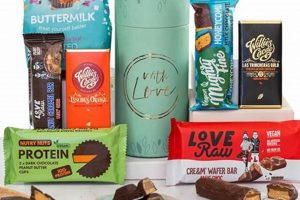
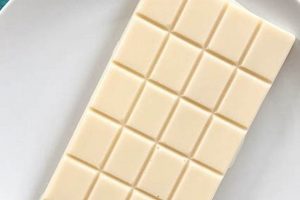
A confectionery product, derived from cacao beans, offers a dairy-free alternative to traditional chocolate. It replicates the melting properties essential for various culinary applications by utilizing plant-based fats and sweeteners in place of animal-derived ingredients. For example, it can be used to create ganaches, coat desserts, or be incorporated into sauces.
This type of chocolate addresses the growing demand for plant-based options within the food industry. Its formulation allows individuals adhering to vegan diets, or those with lactose intolerance, to enjoy the flavor and texture of chocolate without compromising their dietary choices. Furthermore, the sourcing of its constituent ingredients raises questions about sustainable agricultural practices and ethical labor standards, impacting consumer purchasing decisions. Its availability also broadens the scope of baking and culinary creativity for both professional chefs and home cooks.
The following sections will delve into the specific ingredients, production methods, uses, and market trends related to this specialized form of chocolate, offering a detailed exploration of its characteristics and significance in the food landscape.
Optimizing the Use of Vegan Chocolate Melts
The following guidelines provide insights into maximizing the quality and performance of dairy-free chocolate, ensuring successful outcomes in various culinary endeavors.
Tip 1: Tempering Considerations: Unlike traditional chocolate, some variations may require modified tempering techniques due to the different fat compositions. Adherence to manufacturer guidelines is crucial for achieving optimal shine and snap.
Tip 2: Fat Content Awareness: The specific plant-based fats used in its production significantly affect the melting point. Formulations with higher levels of cocoa butter replacements may melt at lower temperatures, requiring adjustments in recipes and storage.
Tip 3: Ingredient Compatibility: When incorporating it into recipes, consider the moisture content of other ingredients. Excessive moisture can lead to seizing or a grainy texture. Adjust liquid ratios accordingly.
Tip 4: Storage Protocols: Maintain a consistent storage temperature, ideally between 65-70F (18-21C), to prevent bloom, a white or gray discoloration that affects appearance but not taste.
Tip 5: Heating Methods: Employ gentle heating methods, such as a double boiler or microwave in short intervals, to avoid scorching or overheating, which can negatively impact the flavor and texture.
Tip 6: Flavor Pairings: Explore flavor pairings that complement the specific flavor profile of the chocolate. Nuts, dried fruits, and spices often enhance the overall sensory experience.
Tip 7: Brand Variability: Recognize that different brands exhibit varying characteristics in terms of flavor, texture, and melting behavior. Experimentation with different brands may be necessary to find the ideal product for a specific application.
Implementing these strategies contributes to enhanced outcomes when utilizing this chocolate alternative, resulting in improved texture, flavor, and overall product quality.
The subsequent sections will address advanced techniques and potential challenges related to the incorporation of dairy-free chocolate into complex recipes and culinary creations.
1. Ingredients
The formulation of dairy-free chocolate is defined by the substitution of animal-derived components with plant-based alternatives. The selection and quality of these components critically influence the final product’s flavor, texture, and melting characteristics.
- Cacao Solids
Cacao solids, including cocoa liquor and cocoa powder, provide the foundational chocolate flavor. Variations in the sourcing and processing of cacao beans directly impact the intensity and nuances of the chocolate’s taste. Different regions of origin, fermentation techniques, and roasting profiles contribute to distinct flavor profiles. For example, cacao beans from South America may exhibit fruity notes, while those from Africa may possess a more robust, earthy character.
- Plant-Based Fats
Plant-based fats replace dairy butter, providing the necessary fat content for smooth melting and texture. Commonly used fats include cocoa butter, coconut oil, shea butter, and palm oil (although the latter is often avoided due to sustainability concerns). Each fat possesses a unique melting point and mouthfeel. For instance, cocoa butter lends a traditional chocolate-like smoothness, while coconut oil may impart a subtle coconut flavor and a slightly different melting profile.
- Sweeteners
Sweeteners contribute to the overall taste profile and can influence the texture. Common vegan sweeteners include refined sugar, cane sugar, beet sugar (ensure vegan certification as some processes use bone char), agave nectar, maple syrup, and stevia. The choice of sweetener affects the sweetness level, flavor complexity, and potential for crystallization during cooling. For example, agave nectar offers a higher sweetness intensity compared to maple syrup.
- Emulsifiers
Emulsifiers assist in blending fats and solids, preventing separation and ensuring a smooth consistency. Soy lecithin, sunflower lecithin, and other plant-derived emulsifiers are frequently used. Their presence is particularly important in formulations with higher ratios of non-cocoa butter fats. The emulsifier contributes to a homogeneous mixture, preventing a grainy or oily texture.
The careful selection and combination of these ingredients are crucial for achieving a dairy-free chocolate that mimics the desirable characteristics of traditional chocolate while adhering to vegan dietary guidelines. Variations in ingredient ratios and processing techniques result in a wide range of product qualities, impacting both the sensory experience and overall acceptance by consumers.
2. Tempering

Tempering, a process of controlled heating and cooling, is crucial for achieving desirable properties in dairy-free chocolate. This manipulation of cocoa butter crystals ensures stability, gloss, and a characteristic snap upon breaking. Improper tempering results in bloom, a white or gray discoloration, and a soft, crumbly texture.
- Fat Composition Influence
Plant-based fats used in vegan chocolate melts, such as coconut oil or shea butter, possess different melting points and crystal structures compared to dairy butter. This necessitates modified tempering protocols to achieve optimal results. The presence of non-cocoa butter fats can either simplify or complicate the tempering process, depending on their specific characteristics.
- Tempering Methods and Adaptations
Traditional tempering methods, including tabliering (spreading chocolate on a cool surface) and seeding (adding already tempered chocolate), may require adjustments for dairy-free formulations. Temperature ranges and cooling times often differ. Some vegan chocolates respond well to simpler methods, while others demand precise temperature control using specialized equipment like chocolate tempering machines.
- Impact on Appearance and Texture
Proper tempering directly affects the visual appeal and mouthfeel of vegan chocolate melts. Well-tempered chocolate exhibits a smooth, glossy surface and a clean break. Poorly tempered chocolate can appear dull, streaky, or grainy. The texture is also significantly influenced, ranging from a firm, crisp snap to a soft, easily melted consistency.
- Storage Stability Implications
Correct tempering enhances the long-term stability of vegan chocolate melts. Stable cocoa butter crystals resist bloom and maintain their desirable properties over extended storage periods. Improperly tempered chocolate is more susceptible to fat migration and recrystallization, leading to undesirable changes in appearance and texture during storage.
The successful application of dairy-free chocolate hinges on a thorough understanding of tempering principles and their adaptation to the specific fat composition of each formulation. Careful attention to temperature control and appropriate tempering techniques is essential for achieving high-quality results in various culinary applications.
3. Applications
The utility of dairy-free chocolate extends across a broad spectrum of culinary applications, mirroring and sometimes adapting those of traditional chocolate. Its functionality is directly influenced by its ingredient composition and tempering, influencing its suitability for various uses. As a coating, it provides a hardened shell for candies, fruits, or baked goods, offering a visually appealing finish. Its melting capabilities facilitate the creation of ganaches, sauces, and fillings, introducing richness and depth of flavor. Furthermore, dairy-free chocolate serves as a key ingredient in vegan desserts such as brownies, cakes, and mousses, enabling individuals with dietary restrictions to enjoy traditionally animal-product-dependent items. The performance across these applications determines the overall value and acceptance of specific dairy-free chocolate products.
Specific examples illustrate the diverse applications. As an enrobing agent for vegan ice cream bars, its quick setting time and glossy appearance are critical to product appeal. In ganaches, the balance of fat and liquid, combined with the chocolate’s flavor profile, dictates the final texture and taste, requiring careful adjustment of recipes. Moreover, in baked goods, its influence extends beyond flavor, impacting moisture retention and overall structural integrity. Formulations optimized for specific purposes, such as high-temperature baking or quick-setting coatings, address niche market demands. The success of these applications directly contributes to the expansion of the dairy-free chocolate market.
In summary, the diverse applications of dairy-free chocolate underscore its importance as a versatile ingredient in the food industry. Challenges remain in replicating the exact properties of traditional chocolate across all applications, prompting ongoing research and development in ingredient sourcing and processing techniques. Understanding the relationship between ingredient composition, tempering, and application suitability is essential for maximizing the potential of dairy-free chocolate and broadening its market reach.
4. Flavor
The sensory profile constitutes a critical aspect of dairy-free chocolate, influencing consumer perception and overall product acceptance. Flavor complexities arise from a combination of inherent ingredients and processing techniques employed during manufacturing.
- Cacao Origin and Varietal
The origin and variety of cacao beans exert a significant influence on the resultant flavor profile. Cacao beans sourced from different regions (e.g., South America, Africa, Southeast Asia) exhibit distinct flavor characteristics due to variations in soil composition, climate, and agricultural practices. Specific cacao varietals, such as Criollo, Forastero, and Trinitario, further contribute to flavor diversity. The choice of cacao origin and varietal is a foundational determinant of the final flavor nuances.
- Plant-Based Fat Influence
The type of plant-based fat utilized as a dairy alternative plays a pivotal role in shaping the flavor landscape. Cocoa butter, owing to its inherent association with traditional chocolate, imparts a familiar mouthfeel and flavor. Conversely, alternative fats like coconut oil or shea butter can introduce secondary flavor notes that may either complement or detract from the overall chocolate experience. The fat’s contribution to flavor extends beyond direct taste to encompass textural and aromatic elements.
- Sweetener Selection and Integration
The selection of sweeteners significantly impacts the perceived sweetness, but also the subtle flavor complexities of dairy-free chocolate. Refined sugars provide a neutral sweetness, allowing the cacao flavor to predominate. Alternative sweeteners, such as agave nectar or maple syrup, introduce distinct flavor undertones that interact with the chocolate’s natural profile. The integration of sweeteners must be carefully calibrated to achieve a balanced flavor profile without overpowering the cacao notes.
- Roasting and Conching Processes
Roasting and conching are critical processing steps that shape the ultimate flavor characteristics of dairy-free chocolate. Roasting develops the aromatic compounds and deepens the flavor intensity of the cacao beans. Conching, a prolonged mixing process, refines the texture, reduces acidity, and harmonizes flavor components. Variations in roasting temperature and conching duration yield diverse flavor outcomes, ranging from intense and bitter to mellow and sweet. These processes are fundamental to transforming raw ingredients into a palatable final product.
Collectively, these elements interact to establish the overall flavor profile of dairy-free chocolate. Manipulating the sourcing of cacao, choosing appropriate plant-based fats, and calibrating the roasting and conching processes provides avenues for crafting a wide array of flavor experiences, catering to diverse consumer preferences. The ability to effectively manage these factors is crucial for producing high-quality dairy-free chocolate that rivals its traditional counterpart in both flavor and appeal.
5. Texture

The tactile properties are a critical determinant of the overall sensory experience. It significantly influences consumer perception and acceptance, particularly in the context of confectionery products. Achieving a desirable texture in dairy-free chocolate presents unique challenges due to the absence of dairy fats and the utilization of alternative plant-based ingredients.
- Fat Composition and Mouthfeel
The type and proportion of plant-based fats directly influence the mouthfeel. Cocoa butter imparts a smooth, melt-in-the-mouth sensation akin to traditional chocolate. However, alternative fats such as coconut oil or shea butter may yield different textural characteristics, ranging from a slightly waxy to a softer, less defined melt. The selection of fats and their interaction with other ingredients determine the overall textural outcome.
- Crystallization and Tempering Impact
Proper crystallization of fats, achieved through tempering, is essential for creating a firm, glossy texture with a distinct snap. Inadequately tempered chocolate exhibits a soft, crumbly texture and may develop bloom. The specific tempering requirements for dairy-free chocolate often differ from those of traditional chocolate due to variations in fat composition. Precise temperature control during tempering is crucial for optimizing texture.
- Particle Size and Grittiness
The particle size of solid ingredients, such as cacao solids and sugar, affects the perceived smoothness. Larger particle sizes can result in a gritty texture, detracting from the overall sensory experience. Fine grinding and conching processes are employed to reduce particle size and create a smoother, more refined texture. The degree of fineness is a key indicator of product quality.
- Moisture Content and Stability
The moisture content can significantly impact textural stability over time. Excessive moisture can lead to sugar bloom or a grainy texture, while insufficient moisture can result in a dry, brittle product. Maintaining a balanced moisture content is crucial for preserving the desired texture throughout the shelf life. Careful control of humidity during manufacturing and storage is essential for preventing textural degradation.
The textural attributes of dairy-free chocolate are complex and multifaceted, influenced by ingredient selection, processing techniques, and storage conditions. Achieving a texture that closely mimics traditional chocolate requires a thorough understanding of the interplay between these factors. Ongoing research and development efforts focus on optimizing formulations and processing methods to enhance the textural properties and improve consumer satisfaction with dairy-free chocolate products.
6. Storage
Proper storage is paramount to maintaining the quality and extending the shelf life of dairy-free chocolate. Fluctuations in temperature and humidity can significantly impact the product’s texture, appearance, and flavor profile, leading to undesirable changes that diminish its appeal and functionality.
- Temperature Sensitivity
Dairy-free chocolate is highly susceptible to temperature variations. Elevated temperatures can cause the plant-based fats to melt and recrystallize, resulting in fat bloom a whitish or grayish film on the surface. Conversely, excessively cold temperatures can lead to sugar bloom, a similar discoloration caused by the crystallization of sugars. Maintaining a stable storage temperature between 65-70F (18-21C) is crucial to prevent these issues. Real-world examples include observing bloom on chocolates left in a warm car or a refrigerator. Proper temperature control is essential for preserving the product’s visual appeal and preventing alterations in texture.
- Humidity Control
High humidity levels can promote moisture absorption, leading to a soft, sticky texture and increasing the risk of mold growth. Low humidity, on the other hand, can cause the chocolate to become dry and brittle. Storing dairy-free chocolate in an airtight container in a cool, dry place helps to maintain the optimal moisture balance. A practical example is storing opened chocolate bars in a sealed bag to prevent them from becoming stale. Effective humidity control ensures the chocolate retains its intended texture and prevents spoilage.
- Light Exposure
Exposure to direct sunlight or artificial light can degrade the fats and flavor compounds, resulting in a loss of flavor and a change in color. Storing dairy-free chocolate in a dark, opaque container or wrapping it in foil minimizes light exposure. Chocolates displayed in illuminated showcases for extended periods often exhibit diminished flavor and a faded appearance. Protection from light is crucial for preserving the chocolate’s sensory attributes and preventing premature degradation.
- Odor Absorption
Dairy-free chocolate can readily absorb odors from its surroundings, affecting its taste and aroma. Storing it away from strong-smelling foods, such as onions or spices, is essential to prevent unwanted flavor transfer. A classic example is chocolate stored near coffee grounds, which can result in a noticeable coffee flavor infusion. Maintaining a clean, odor-free storage environment is vital for preserving the chocolate’s intended flavor profile.
The adherence to proper storage guidelines is essential for preserving the quality of dairy-free chocolate. By controlling temperature, humidity, light exposure, and odor absorption, the shelf life and sensory attributes can be maximized, ensuring a satisfactory consumer experience. Understanding these principles is crucial for both manufacturers and consumers to optimize the enjoyment and functionality of dairy-free chocolate products.
Frequently Asked Questions
The following elucidates common inquiries regarding dairy-free chocolate, aiming to clarify properties, applications, and potential challenges.
Question 1: What ingredients typically replace dairy in these products?
Plant-based fats, such as cocoa butter, coconut oil, or shea butter, commonly substitute dairy butter. Sweeteners like cane sugar (certified vegan) or agave nectar are used in place of dairy-derived lactose. Emulsifiers, often soy or sunflower lecithin, are included for texture.
Question 2: How does the tempering process differ from traditional chocolate?
The tempering process requires adjustment due to the unique crystallization properties of plant-based fats. Specific temperature ranges and cooling times may vary, necessitating adherence to manufacturer guidelines. Some formulations require more precise control.
Question 3: What are common issues encountered during baking or cooking?
Potential issues include seizing due to moisture imbalance, altered melting behavior due to different fat content, and variations in flavor intensity. Adjustments to recipes and techniques may be required to achieve optimal results.
Question 4: How should it be properly stored?
It should be stored in a cool, dry place, away from direct sunlight and strong odors. Maintaining a stable temperature between 65-70F (18-21C) is recommended. Airtight containers are advised to prevent moisture absorption.
Question 5: Are there nutritional differences compared to traditional chocolate?
Nutritional differences vary depending on the ingredients used. Plant-based fats may alter the fat profile. Fiber content and sugar levels can also vary. Consulting nutritional information is recommended.
Question 6: How does sourcing impact product quality and ethics?
Sustainable sourcing of cacao and other ingredients, such as palm oil, impacts both environmental sustainability and ethical labor practices. Certification labels can provide assurance of responsible sourcing.
The successful use of dairy-free chocolate hinges on understanding these factors. Awareness of ingredients, processes, and ethical considerations contributes to informed consumer choices and optimal culinary outcomes.
The subsequent section will address emerging trends and future innovations in the realm of dairy-free chocolate.
Conclusion
This examination of vegan chocolate melts has elucidated key aspects of this increasingly prevalent confectionery. From ingredient composition and tempering techniques to diverse applications and storage considerations, a thorough understanding is essential for manufacturers, culinary professionals, and consumers alike. The exploration of flavor and texture nuances underscores the complexities involved in replicating the sensory experience of traditional chocolate while adhering to vegan dietary guidelines.
Continued innovation in ingredient sourcing, processing methodologies, and formulation strategies will shape the future of vegan chocolate melts. A commitment to ethical and sustainable practices remains paramount, ensuring both product quality and responsible production. The ongoing refinement of these dairy-free alternatives will undoubtedly expand their presence in the market and cater to a broader range of dietary needs and preferences. Therefore, understanding and addressing these issues are crucial for creating a new and exciting world of vegan desserts and chocolates.