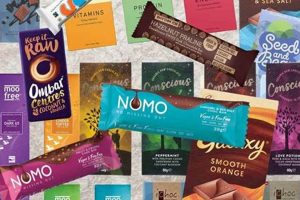
Products replicating the taste and texture of traditional chocolate chips, but formulated without refined sugars and animal-derived ingredients, are increasingly available. These items typically utilize sweeteners such as stevia, erythritol, or monk fruit to achieve sweetness and replace dairy with plant-based alternatives like cocoa butter and soy lecithin to provide structure and emulsification. An example would be a dark chocolate chip containing cocoa mass, erythritol, cocoa butter, and sunflower lecithin.
These modified chocolate chips offer benefits to individuals managing blood sugar levels, following vegan dietary guidelines, or seeking to reduce their intake of animal products and processed sugars. Historically, options were limited, but increasing consumer demand has spurred innovation and wider availability in both retail and online markets. The development reflects a growing awareness of dietary needs and ethical considerations related to food production.
The subsequent discussion will delve into the specific ingredients commonly found in these products, examine their nutritional profiles, and provide considerations for selecting suitable options based on individual dietary needs and preferences. Furthermore, the role of these innovative products in various applications, such as baking and snacking, will be explored.
Tips for Incorporating Sugar-Free Vegan Chocolate Chips
Maximizing the use of modified chocolate chips requires informed selection and appropriate application. The following guidelines aim to optimize both taste and nutritional impact.
Tip 1: Ingredient Analysis. Prior to purchase, scrutinize ingredient lists. Focus on the type of sweetener employed, ensuring alignment with individual dietary restrictions or preferences. Note the presence of potential allergens, such as soy or tree nuts.
Tip 2: Cocoa Percentage. Understand that cocoa content influences flavor profile and bitterness. Higher cocoa percentages typically indicate a less sweet, more intense chocolate flavor. Adjust recipes accordingly.
Tip 3: Baking Adjustments. Due to the absence of sugar’s binding properties, recipes may require modification. Consider adding a small amount of plant-based binding agents such as applesauce or flaxseed meal to maintain structure.
Tip 4: Storage Protocols. Proper storage is critical for preserving quality. Maintain a cool, dry environment, shielded from direct sunlight, to prevent melting or blooming (a white film that develops on the surface).
Tip 5: Controlled Consumption. While devoid of sugar, these chips still contribute calories and fats. Manage portion sizes to align with overall dietary goals. Exercise caution regarding reliance on artificially sweetened products.
Tip 6: Recipe Versatility. Integrate into a variety of applications including cookies, muffins, granola bars, or as a topping for yogurt or oatmeal. Experiment to find suitable culinary applications.
Tip 7: Understand Sweetener Impact. Different sugar alternatives possess unique properties. Some can have cooling effects, while others may not caramelize in baking. Test small batches to understand sweetener behavior.
Adherence to these guidelines allows for the enjoyment of modified chocolate chips while mitigating potential drawbacks and optimizing their integration into a balanced diet.
The concluding section will address potential health considerations and future trends in the development of these specialized food products.
1. Sweetener Types

The selection of sweetener profoundly influences the characteristics of sugar free vegan chocolate chips, determining its taste profile, texture, and suitability for various dietary needs. Different sweeteners provide varying levels of sweetness and may exhibit distinct behaviors during baking or melting.
- Erythritol
Erythritol, a sugar alcohol, is a common choice due to its low caloric content and minimal impact on blood glucose levels. It provides approximately 70% of the sweetness of sucrose and is often combined with other sweeteners to enhance the overall taste. Its cooling sensation can be noticeable in some applications. In sugar free vegan chocolate chips, erythritol contributes bulk and sweetness without the detrimental effects of refined sugar. However, excessive consumption may lead to digestive discomfort in sensitive individuals.
- Stevia
Derived from the Stevia rebaudiana plant, stevia is a natural, non-nutritive sweetener. It is significantly sweeter than sucrose, requiring only a small amount to achieve the desired sweetness level. Some individuals detect a slightly bitter or licorice-like aftertaste. Stevias heat stability makes it suitable for baking applications. In chocolate chips, stevia provides intense sweetness without contributing calories or raising blood sugar. Formulations often combine stevia with other sweeteners to mask any potential aftertaste and improve the overall flavor profile.
- Monk Fruit Extract
Monk fruit extract, also known as Luo Han Guo, is another natural, non-nutritive sweetener. It is extracted from the monk fruit and is several times sweeter than sucrose. Similar to stevia, it does not significantly impact blood glucose levels. Monk fruit extract is often perceived as having a cleaner, less bitter taste compared to stevia, making it a popular choice in sugar free applications. Its incorporation into chocolate chips offers sweetness without the caloric load or blood sugar spike associated with traditional sugars. Blending with other sweeteners or bulking agents is common to optimize texture and taste.
- Allulose
Allulose is a rare sugar found in small quantities in certain fruits and is characterized by its negligible impact on blood glucose levels. It provides about 70% of the sweetness of sucrose and possesses a similar taste profile. Allulose exhibits browning properties during baking, contributing to a more desirable color and texture in baked goods. In sugar free vegan chocolate chips, allulose not only sweetens but also aids in achieving a more palatable texture compared to some other sugar alternatives. Its higher cost may limit its widespread adoption.
The interplay between these sweetener choices and the other ingredients within the sugar free vegan chocolate chip formulation is crucial for achieving a balanced and palatable product. The selection process must account for individual preferences, dietary restrictions, and the desired functional properties within the intended application.
2. Plant-based Origin

The formulation of sugar free vegan chocolate chips necessitates a complete departure from animal-derived products, relying instead on plant-based alternatives to replicate the taste and functionality of traditional chocolate chips. This characteristic defines the core principle of the product’s composition and dictates the selection of each ingredient.
- Cocoa Butter Replacement
Traditional chocolate utilizes dairy fats for richness and texture. In plant-based versions, cocoa butter, itself plant-derived, may be the primary fat source. However, some formulations blend cocoa butter with other plant-based oils, such as shea butter or coconut oil, to modify melting characteristics and overall mouthfeel. The specific blend used impacts the final product’s firmness and smoothness.
- Lecithin Source
Lecithin acts as an emulsifier, binding the water and fat components to create a homogenous mixture. Soy lecithin is a common plant-based option. Sunflower lecithin is frequently used as a soy-free alternative. The type of lecithin influences the product’s texture and stability, preventing separation of ingredients over time.
- Sugar Alternatives Derived from Plants
Sugar substitutes often originate from plant sources. Stevia is extracted from the Stevia rebaudiana plant; erythritol is often derived from corn; and monk fruit extract comes from the monk fruit. These alternatives impart sweetness without the blood sugar fluctuations associated with refined sugar. However, they can possess distinct flavor profiles that require careful balancing with other ingredients.
- Plant-Based Flavorings
The absence of dairy components necessitates the careful selection of plant-based flavorings to enhance the overall taste. Natural vanilla extract, derived from vanilla beans, is a common additive. Other plant-based flavorings, such as fruit extracts or spice blends, may also be incorporated to create unique flavor profiles. Attention to these subtleties is crucial for replicating the sensory experience of traditional chocolate chips.
The success of plant-based origin in sugar free vegan chocolate chips hinges on the strategic combination of these individual elements. Each component must contribute to the overall texture, flavor, and stability of the product, ultimately delivering a satisfying alternative to conventional chocolate chips while adhering to vegan and sugar-free dietary guidelines.
3. Ingredient Sourcing

Ingredient sourcing within the production of sugar free vegan chocolate chips directly impacts product quality, ethical considerations, and sustainability practices. The origin and procurement methods of each ingredient from sweeteners to emulsifiers necessitate careful evaluation to ensure adherence to both dietary requirements and responsible manufacturing protocols.
- Cocoa Bean Origin and Ethical Trade Practices
The source of cocoa beans is paramount. Regions with histories of forced labor or unfair labor practices necessitate careful scrutiny. Certifications such as Fair Trade or UTZ indicate adherence to standards promoting equitable compensation for farmers and the elimination of exploitative labor conditions. The selection of cocoa beans from certified sources supports ethical production while influencing the flavor profile of the chocolate chips.
- Sweetener Production and Environmental Impact
Sugar alternatives like erythritol, stevia, and monk fruit involve varying production methods. Erythritol, often derived from corn, raises concerns regarding GMOs and agricultural practices. Stevia cultivation can impact local ecosystems. Monk fruit harvesting must consider the sustainability of its natural habitat. Sourcing decisions must account for the environmental footprint associated with each sweetener’s cultivation and processing.
- Plant-Based Fat Sourcing and Deforestation
Plant-based fats, such as cocoa butter, shea butter, or coconut oil, contribute to the texture and mouthfeel of the chocolate chips. However, the sourcing of these fats can have significant environmental consequences. Unsustainable palm oil production, for example, is linked to deforestation and habitat destruction. Selecting suppliers committed to sustainable harvesting practices and deforestation-free sourcing is crucial for mitigating these risks.
- Emulsifier Origin and Allergen Considerations
Emulsifiers, such as soy lecithin or sunflower lecithin, are essential for maintaining the stability of the chocolate chip formulation. Soy lecithin raises allergen concerns for some consumers. Sunflower lecithin provides a soy-free alternative, but its production should be evaluated for sustainability. Sourcing decisions must balance functionality with allergen considerations and responsible agricultural practices.
The collective impact of ingredient sourcing decisions significantly shapes the ethical and environmental profile of sugar free vegan chocolate chips. By prioritizing suppliers committed to fair labor practices, sustainable agriculture, and responsible sourcing, manufacturers can align their production processes with consumer demand for ethical and environmentally conscious products. Transparency in sourcing practices allows consumers to make informed choices that support sustainable and ethical food systems.
4. Dietary Compatibility

The inherent appeal of sugar free vegan chocolate chips stems directly from its expanded dietary compatibility relative to traditional chocolate products. This compatibility is not merely a marketing claim, but a fundamental characteristic rooted in its composition, enabling consumption by individuals adhering to diverse dietary restrictions and preferences. The absence of both refined sugars and animal-derived ingredients broadens the consumer base significantly.
Consider the needs of individuals managing diabetes or insulin resistance. Traditional chocolate, laden with sucrose, presents a direct challenge to blood glucose control. Sugar free alternatives, employing sweeteners such as stevia or erythritol, mitigate this risk, allowing for limited indulgence without significant glycemic impact. Similarly, vegan diets, based on ethical or health-related motivations, preclude the consumption of dairy products commonly found in conventional chocolate. The use of plant-based fats and emulsifiers in sugar free vegan chocolate chips renders them suitable for vegan consumption. Furthermore, these products often cater to individuals with lactose intolerance or dairy allergies, conditions affecting a substantial portion of the global population. This compatibility extends to individuals following specific dietary protocols, such as ketogenic or low-carbohydrate diets, where sugar intake is severely restricted. The effect is demonstrably significant, creating access to a previously unavailable treat for a sizable segment of the population with specific dietary needs.
In conclusion, dietary compatibility is a defining feature of sugar free vegan chocolate chips, driven by the elimination of refined sugars and animal products. This characteristic is not simply a value-added attribute; it is the core factor that expands the accessibility and appeal of chocolate consumption to individuals with diverse dietary restrictions, ethical considerations, or health-related needs. Future developments may focus on further enhancing dietary compatibility by addressing common allergens or incorporating additional functional ingredients.
5. Sensory Properties

Sensory properties play a crucial role in consumer acceptance of sugar free vegan chocolate chips. The absence of traditional sugar and dairy components necessitates meticulous attention to alternative ingredients and processing techniques to replicate the desirable attributes of conventional chocolate chips. The following examines specific sensory facets.
- Texture
Texture encompasses the mouthfeel and structural characteristics experienced during consumption. Traditional chocolate relies on sugar and dairy fats to provide a smooth, creamy texture and a characteristic snap. Sugar free vegan chocolate chips must replicate this using alternative fats and bulking agents. Inadequate fat content or improper ingredient ratios can result in a grainy, waxy, or overly firm texture. Achieving a desirable texture requires careful selection and blending of plant-based fats, such as cocoa butter and shea butter, along with precise control of temperature and processing parameters.
- Flavor Profile
Flavor is a complex interplay of taste and aroma. Sugar contributes significantly to the overall sweetness and caramel notes of traditional chocolate. Sugar substitutes, such as stevia or erythritol, impart varying degrees of sweetness and may introduce unique aftertastes. In sugar free vegan chocolate chips, flavor development necessitates the strategic combination of sweeteners, cocoa solids, and flavor enhancers to achieve a balanced and appealing flavor profile. Masking agents may be necessary to mitigate undesirable aftertastes associated with certain sweeteners. The selection of cocoa beans also influences the final flavor, with beans from different regions contributing distinct notes.
- Melting Behavior
Melting behavior influences the sensory experience and functional performance of chocolate chips in applications such as baking. Traditional chocolate chips exhibit a specific melting point and melting rate due to the composition of cocoa butter. Plant-based fat blends may alter these characteristics. Sugar free vegan chocolate chips must be formulated to melt smoothly in the mouth, without leaving a greasy or waxy residue. In baking, proper melting is essential for achieving the desired texture and distribution within the final product. Adjustments to fat content and processing techniques may be necessary to optimize melting behavior.
- Appearance
Appearance is the initial sensory attribute perceived by consumers and can influence expectations regarding taste and quality. Traditional chocolate chips possess a glossy surface and a uniform color. Sugar free vegan chocolate chips should replicate this visual appeal. Factors such as cocoa solid content, fat content, and processing conditions influence the appearance. Imperfections, such as blooming (a white film on the surface) or uneven color distribution, can negatively impact consumer perception. Precise control of ingredient ratios and processing parameters is critical for achieving a desirable appearance.
Optimizing sensory properties in sugar free vegan chocolate chips is a multifaceted challenge that requires careful attention to ingredient selection, formulation, and processing techniques. Achieving parity with traditional chocolate chips requires a deep understanding of the sensory attributes desired by consumers and a commitment to innovation in plant-based ingredients and processing methods.
6. Application Versatility
The inherent value of sugar free vegan chocolate chips lies, in part, in their adaptability across a spectrum of culinary applications. This adaptability directly affects consumer adoption and market viability. Unlike niche ingredients with limited uses, these modified chocolate chips can be seamlessly integrated into existing recipes and novel creations, expanding their potential consumption base. The absence of sugar and animal products does not intrinsically limit their functionality; rather, it necessitates adjustments to optimize performance within specific applications.
Consider the baking industry. Sugar free vegan chocolate chips can be substituted for traditional chocolate chips in cookies, muffins, brownies, and cakes. Modifications to recipes, such as increasing the liquid content or incorporating binding agents like applesauce or flaxseed meal, may be necessary to compensate for the lack of sugar’s binding properties. Similarly, in the confectionary sector, these chips can be used in the production of vegan and sugar-free candies, chocolate bars, and coatings. Outside of baking, sugar free vegan chocolate chips can function as toppings for yogurt, oatmeal, and desserts, or as inclusions in granola bars and trail mixes. Their stability across a range of temperatures and moisture levels makes them suitable for diverse applications, from frozen desserts to high-heat baked goods. Their utility isn’t just limited to sweet dishes; these chips have found their way into savory dishes adding a touch of bitterness and textural contrast to mole sauces and spicy nut mixes.
In summary, the application versatility of sugar free vegan chocolate chips represents a significant advantage, enabling their integration into a broad array of culinary contexts. While recipe modifications may be required to optimize performance, their adaptability extends their reach beyond specific dietary niches, appealing to a wider consumer base seeking both health-conscious and ethically sourced food options. The ongoing development of novel formulations and processing techniques will likely further enhance their application versatility, solidifying their position within the food industry.
Frequently Asked Questions
This section addresses common inquiries and clarifies misconceptions regarding sugar free vegan chocolate chips, providing concise and factual information for informed consumption.
Question 1: Are sugar free vegan chocolate chips truly devoid of sugar?
Sugar free vegan chocolate chips do not contain sucrose, glucose, or fructose. They utilize alternative sweeteners such as erythritol, stevia, or monk fruit extract. These sweeteners are metabolized differently than sugar, resulting in a reduced glycemic impact.
Question 2: What ingredients replace dairy in these chocolate chips?
Traditional dairy fats are replaced with plant-based alternatives, most commonly cocoa butter. Some formulations may incorporate other plant-based oils, like shea butter or coconut oil, to modify texture. Emulsifiers, such as soy or sunflower lecithin, stabilize the mixture.
Question 3: Do these chocolate chips taste the same as regular chocolate chips?
The flavor profile differs due to the absence of sugar and the use of alternative sweeteners. The intensity of sweetness may vary depending on the specific sweetener blend. Textural differences may also be noticeable, impacting the overall sensory experience.
Question 4: Can these chocolate chips be used in all baking recipes?
Sugar free vegan chocolate chips can generally be substituted for regular chocolate chips in most baking recipes. However, adjustments may be necessary to account for the absence of sugar’s binding properties. Increasing liquid content or adding plant-based binding agents can improve results.
Question 5: Are sugar free vegan chocolate chips suitable for individuals with diabetes?
These chocolate chips can be a suitable option for individuals managing diabetes, due to their reduced impact on blood glucose levels. However, portion control remains critical. Consultation with a healthcare professional is advisable to determine appropriate consumption levels.
Question 6: What are the potential downsides of consuming these chocolate chips?
Overconsumption of certain sugar alternatives, such as erythritol, may cause digestive discomfort in some individuals. Additionally, reliance on artificially sweetened products can perpetuate a preference for sweetness, potentially hindering the adoption of healthier dietary patterns. Ethical ingredient sourcing is also a consideration.
In summary, sugar free vegan chocolate chips represent a modified food product with distinct characteristics. Understanding their composition, sensory properties, and potential effects is essential for making informed dietary choices.
The subsequent discussion will address the future trends in this specialized food sector.
Conclusion
This exploration has dissected “sugar free vegan chocolate chips,” revealing a complex interplay of dietary adaptation, ethical sourcing, and sensory engineering. These products represent a tangible response to evolving consumer demands, addressing concerns related to sugar intake, animal welfare, and dietary inclusivity. The analysis demonstrates that while not a direct replica of traditional chocolate chips, these modified versions offer a viable alternative for individuals with specific dietary needs and ethical considerations.
Continued innovation in ingredient selection, processing techniques, and ethical sourcing practices will further refine the quality and appeal of “sugar free vegan chocolate chips.” A critical focus on transparent labeling and consumer education is essential for fostering informed choices and ensuring that these products fulfill their intended purpose: providing a palatable and responsible indulgence within the context of a balanced diet.