A plant-based variation of a breakfast staple, this dish substitutes traditional ingredients like eggs and dairy with alternatives such as plant-based milk (e.g., almond, soy, or oat milk) and binding agents like flaxseed or applesauce. The inclusion of dairy-free chocolate chips adds a touch of sweetness and familiar flavor, making it an accessible and appealing option. As an example, a recipe might call for a combination of all-purpose flour, baking powder, plant-based milk, maple syrup, vanilla extract, and vegan chocolate chips, cooked on a griddle until golden brown.
This type of breakfast food caters to individuals adhering to a vegan diet and those with lactose intolerance or dairy allergies. Beyond dietary restrictions, it offers potential health benefits by often containing less saturated fat and cholesterol compared to traditional versions. Historically, the rise of veganism and increased awareness of dietary needs have fueled the popularity and availability of plant-based alternatives to classic recipes, including this one. The environmental impact is also a factor, as plant-based diets generally have a smaller carbon footprint than those reliant on animal products.
The following sections will delve into specific aspects, including ingredient selection, nutritional considerations, recipe adaptations, and the increasing availability of pre-made mixes and options in restaurants and cafes, all of which contribute to the widespread appeal and accessibility of this breakfast choice.
Essential Considerations for Producing Superior Vegan Chocolate Chip Pancakes
Achieving optimal results when preparing this breakfast item requires attention to detail in ingredient selection and cooking technique. The subsequent points offer guidance for ensuring a successful outcome.
Tip 1: Ingredient Temperature Consistency: Employ room-temperature plant-based milk and any melted vegan butter or oil. This promotes even mixing and prevents the fat from solidifying prematurely, which can lead to a dense final product.
Tip 2: Precise Measurement of Leavening Agents: Baking powder is critical for the rise and fluffiness. Accurately measure and ensure the baking powder is fresh; expired baking powder yields flat pancakes. A level teaspoon per cup of flour is generally sufficient.
Tip 3: Gentle Mixing Technique: Overmixing develops gluten, resulting in tough pancakes. Combine the wet and dry ingredients just until moistened; a few lumps are acceptable. Avoid prolonged stirring.
Tip 4: Preheated and Lightly Oiled Griddle: The griddle or pan should be preheated to medium heat. Apply a thin, even layer of oil or vegan butter to prevent sticking and promote uniform browning. A temperature that is too high will cause burning before the interior is cooked through.
Tip 5: Patience During Cooking: Allow the pancakes to cook undisturbed until bubbles form on the surface and the edges appear set. Flipping prematurely can cause tearing or uneven cooking. Flip only once.
Tip 6: Selection of Quality Chocolate Chips: Opt for high-quality vegan chocolate chips that melt smoothly. Cheaper brands may contain ingredients that inhibit melting or impart an undesirable flavor.
Tip 7: Incorporating Binding Agents: Vegan pancakes may lack the binding properties of eggs. Flaxseed meal mixed with water (a “flax egg”) or applesauce can provide the necessary structure and moisture.
Implementing these guidelines will contribute to a lighter, more flavorful, and visually appealing final product. Careful execution of each step is vital for achieving consistent and desirable results.
The subsequent sections will explore specific recipe variations and explore advanced techniques for enhancing the overall experience.
1. Plant-based Milk Alternatives in Vegan Chocolate Chip Pancakes

Plant-based milk alternatives form a cornerstone of the plant-based version of this breakfast item. The absence of cow’s milk necessitates the substitution with options derived from plants, impacting flavor, texture, and overall nutritional profile.
- Flavor Profiles and Compatibility
Different plant-based milks impart unique flavors that complement or contrast with other ingredients. Almond milk, for instance, has a subtle nutty note, while oat milk offers a mild sweetness. Soy milk provides a more neutral taste. The chosen milk influences the final flavor of the breakfast dish, requiring consideration of desired taste characteristics. Selecting a vanilla-flavored plant-based milk will increase overall sweetness.
- Impact on Texture and Consistency
The protein and fat content of various plant-based milks affect the texture of the cooked breakfast item. Some alternatives may produce a thinner batter and, consequently, a flatter dish. Higher fat content, as found in some oat milk varieties, contributes to a richer, more tender texture. The structural integrity of the final food is thus directly linked to the specific plant-based milk utilized.
- Nutritional Variations and Enrichment
Plant-based milks differ significantly in their nutritional composition. Some are fortified with vitamins and minerals, such as calcium and vitamin D, to mimic the nutritional profile of cow’s milk. Others may be naturally higher in certain nutrients, like vitamin E in almond milk. Consumers must consider these differences to ensure their dietary needs are met when substituting plant-based milk.
- Functional Properties in Cooking
Plant-based milk’s impact on baking performance varies significantly. Certain types curdle or separate when heated or mixed with acidic ingredients. These attributes directly influence the mixing behavior, cooking time, and final physical properties. For example, soy milk often necessitates careful monitoring to prevent curdling during batter preparation and cooking. Some plant-based milks may need to be combined with acidic ingredients to help the pancake to rise.
The selection of a plant-based milk alternative is therefore a critical decision in crafting satisfactory dishes of this kind. Understanding the flavor, texture, nutrition and functional characteristics of each milk is essential for modifying recipes and ensuring a successful outcome. Careful matching of a milk’s properties with other ingredient attributes yields appealing results.
2. Flour type variations
The type of flour employed is a critical determinant of the texture, structure, and overall palatability of plant-based variations of this popular breakfast food. Different flours exhibit varying protein contents, gluten-forming capabilities, and absorption rates, each exerting a distinct influence on the final product.
- All-Purpose Flour: Structure and Texture
All-purpose flour, a common choice, offers a balance between protein and starch. While it provides adequate structure, its gluten development, even when minimized, can lead to a slightly tougher outcome in plant-based versions, particularly when overmixed. Its moderate absorbency requires careful adjustment of wet ingredients. In this dish, the use of all-purpose flour demands a restrained mixing technique to prevent excessive gluten development, ensuring a tender result.
- Whole Wheat Flour: Nutritional Profile and Density
Whole wheat flour, characterized by its higher fiber and nutrient content, introduces a denser texture and earthier flavor. Its increased absorbency necessitates additional liquid in the recipe. The bran present in whole wheat flour interferes with gluten formation, resulting in a less elastic batter. The use of whole wheat flour in plant-based variations yields a more substantial, nutritious breakfast item but requires adjustments to maintain a palatable texture.
- Gluten-Free Flour Blends: Addressing Dietary Restrictions and Texture Challenges
Gluten-free flour blends, designed to mimic the properties of wheat flour, typically incorporate a combination of rice flour, tapioca starch, and potato starch. These blends lack gluten, requiring the addition of binding agents like xanthan gum to provide structure. Gluten-free flours often result in a more delicate and crumbly texture. Adapting recipes using gluten-free flour necessitates careful balancing of ingredients and the incorporation of stabilizers to prevent excessive dryness or crumbling.
- Alternative Flours: Flavor Nuances and Unique Characteristics
Alternative flours, such as almond flour, oat flour, or buckwheat flour, contribute distinct flavor profiles and textures. Almond flour, with its high fat content, imparts a moist and tender texture. Oat flour offers a subtle sweetness, while buckwheat flour provides an earthy, nutty flavor. These flours possess unique absorbency characteristics and require specific adjustments to liquid ratios and baking times. The inclusion of alternative flours allows for customization of the nutritional profile and sensory attributes.
The selection of flour represents a pivotal decision in the formulation of a plant-based breakfast. Each flour type imparts unique characteristics, necessitating careful consideration of desired texture, nutritional value, and flavor profile. Strategic selection and adaptation are essential to optimizing the outcome of this recipe.
3. Chocolate Chip Selection
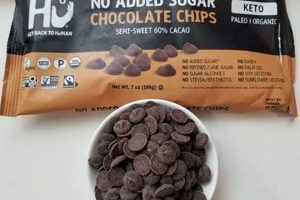
The choice of chocolate chips is a determining factor in the final sensory experience of plant-based variations of this breakfast food. While seemingly a minor component, the selection directly influences the flavor profile, texture, and overall consumer satisfaction. Standard dairy-containing chocolate chips are unsuitable for vegan diets, mandating the use of certified dairy-free alternatives. These alternatives vary significantly in composition and quality, directly affecting their melting behavior and taste characteristics.
Vegan chocolate chips are typically manufactured using cocoa butter, sugar, cocoa liquor, and flavorings. The absence of milk solids necessitates a careful balance of these ingredients to replicate the creamy texture and rich flavor of traditional chocolate. Lower-quality vegan chocolate chips may contain higher proportions of sugar or lower-grade cocoa butter, resulting in a grainy texture or an overly sweet taste. Conversely, premium options often utilize higher percentages of cocoa liquor and superior cocoa butter, yielding a smoother melt and a more intense chocolate flavor. For example, using chips with a cocoa percentage above 70% will yield a richer and less sweet pancake than standard chips.
Ultimately, the informed selection of chocolate chips contributes substantially to the success of plant-based variations. Investing in higher-quality vegan chocolate chips, with attention to their ingredients and cocoa percentage, results in a breakfast food with enhanced flavor and an improved overall eating experience. The selection process contributes significantly to consumer satisfaction and the perceived quality of the finished product. The subsequent sections will examine the sweetener options in depth.
4. Sweetener options

Sweetener options play a crucial role in the formulation of satisfying plant-based versions of this dish, as they influence not only taste but also texture and overall cooking properties. The absence of dairy and the potential reduction of eggs necessitate careful consideration of alternative sweeteners to provide the desired level of sweetness, moisture, and binding. Traditional refined sugar is a common choice, but it lacks nutritional value and can contribute to an overly processed outcome. Alternatives, such as maple syrup, agave nectar, and coconut sugar, each bring unique characteristics that impact the final product. For example, maple syrup contributes moisture and a distinct flavor profile, while agave nectar offers a higher sweetness intensity, requiring a smaller quantity.
The selection of sweeteners directly impacts the cooking properties of the breakfast item. Liquid sweeteners, like maple syrup and agave nectar, can increase the moisture content of the batter, potentially requiring adjustments to the dry ingredients to maintain the desired consistency. Dry sweeteners, such as coconut sugar, may require additional liquid to achieve the appropriate batter viscosity. The type of sweetener selected also affects the browning characteristics. Maple syrup, due to its sugar content, promotes quicker browning on the griddle. The effect of sweetener selection is not limited to taste and texture. Many consumers select vegan food alternatives because of perceived health benefits; natural and unrefined sweeteners such as maple syrup or coconut sugar are believed to be healthier options. This perception also influences ingredient selections.
In conclusion, sweetener options are integral to crafting successful versions of this breakfast staple. Strategic selection enhances the sensory attributes and addresses dietary preferences, all contributing to the overall appeal. Carefully assessing the flavor profiles, moisture content, and cooking properties of various sweeteners is essential for achieving the desired outcome. The subsequent sections address the importance of binding agents in vegan baking.
5. Binding agent necessity

The absence of eggs, a traditional binding agent in pancakes, necessitates the incorporation of alternative binders to provide structure, moisture retention, and prevent excessive crumbling in plant-based versions of this popular breakfast dish. The specific type and quantity of binding agent significantly impact the final texture and overall palatability.
- Flaxseed Meal (Flax Egg)
Flaxseed meal, when mixed with water, forms a gel-like substance that mimics the binding properties of eggs. A typical preparation involves combining one tablespoon of flaxseed meal with three tablespoons of water and allowing it to sit for approximately five minutes. The resulting mixture is then added to the batter. This “flax egg” contributes moisture and improves the structural integrity, resulting in a less crumbly final product. However, excessive use may impart a slightly nutty flavor.
- Applesauce
Unsweetened applesauce serves as an effective binding agent and adds moisture to the batter. A quarter to a half cup of applesauce can replace one egg in the recipe. Applesauce also contributes a subtle sweetness and helps to create a softer texture. It is important to use unsweetened varieties to avoid excessive sugar content in the final product. Overuse can result in a gummy texture.
- Mashed Banana
Mashed banana acts as both a binding agent and a natural sweetener. The addition of mashed banana contributes moisture and a distinct flavor profile. One-half of a medium-sized banana can typically replace one egg. It is crucial to consider the sweetness level when adjusting other sweeteners in the recipe to avoid an overly sweet outcome. The distinct banana flavor may not be desirable in all instances.
- Commercial Egg Replacers
Commercially available vegan egg replacers are formulated to mimic the functional properties of eggs in baking. These products often contain a blend of starches, tapioca flour, and leavening agents. The usage instructions provided by the manufacturer should be carefully followed to ensure optimal results. While these replacers offer convenience, the ingredient list and potential additives should be considered.
The strategic incorporation of appropriate binding agents is essential for achieving the desired texture and preventing excessive crumbling in plant-based variations. The choice of binding agent should align with the desired flavor profile and texture characteristics, ensuring a palatable and structurally sound final product.
Frequently Asked Questions
The following questions address common inquiries and misconceptions regarding the preparation and consumption of the plant-based versions of this popular breakfast food.
Question 1: Are all chocolate chips automatically suitable for vegan diets?
No. Traditional chocolate chips often contain milk solids. One must specifically seek out and verify that the selected chocolate chips are certified as dairy-free to be suitable for consumption on a plant-based diet.
Question 2: Can one substitute any plant-based milk in equal measure for cow’s milk in this recipe?
While plant-based milks can generally be used as direct substitutes, variations in protein and fat content may necessitate adjustments to the overall liquid ratio. Thicker milks, such as oat milk, may require less volume compared to thinner options like almond milk.
Question 3: Is gluten-free flour mandatory for plant-based recipe adaptations?
Gluten-free flour is not inherently required for all plant-based adaptations. It is only necessary for individuals with gluten sensitivities or celiac disease. Recipes can be formulated using traditional wheat flour if gluten is not a dietary concern.
Question 4: Does the absence of eggs impact the structure of the breakfast item?
Yes, the absence of eggs, which provide binding and structure, necessitates the use of alternative binding agents such as flaxseed meal, applesauce, or commercial egg replacers to prevent excessive crumbling and maintain the desired texture.
Question 5: Will adding plant-based butter or oil fundamentally alter the flavor?
The selection of plant-based butter or oil can subtly influence the flavor profile. Neutral-flavored oils, such as canola or grapeseed oil, will have minimal impact, while options like coconut oil or plant-based butter spreads can impart a distinct flavor.
Question 6: Does freezing prepared examples of this dish affect their quality?
Freezing prepared versions of this dish is feasible. To minimize quality degradation, it is recommended to freeze the items individually and reheat them in a toaster or oven to restore their texture. Microwaving may result in a softer, less desirable consistency.
In summary, crafting satisfying plant-based versions of this food requires a careful consideration of ingredient substitutions and their impact on the overall texture, flavor, and structure. Addressing these key concerns facilitates successful adaptation of this breakfast item for plant-based diets.
The subsequent section will address recipe variations and specific techniques.
Vegan Chocolate Chip Pancakes
This exploration has elucidated the multifaceted aspects of producing satisfactory examples of vegan chocolate chip pancakes. Careful attention to ingredient selection, including plant-based milk alternatives, flour types, and chocolate chip composition, alongside the strategic employment of binding agents, directly impacts the final texture, flavor profile, and structural integrity. Variations in ingredient characteristics necessitate recipe modifications to achieve an optimal outcome.
The successful adaptation of this breakfast staple for plant-based diets requires a thorough understanding of ingredient functionalities and their interactions. Continued refinement of recipes and techniques will likely lead to further improvements in the quality and accessibility of vegan chocolate chip pancakes, promoting greater inclusivity in culinary practices and catering to evolving dietary preferences.
![Best Vegan Chocolate Rabbit for Easter [Plant-Based] | Discover Delicious Vegan Food, Beauty Swaps, and Zero-Waste Tips for a Greener Life](https://thisvegangirl.com/wp-content/uploads/2026/04/th-301-300x200.jpg "Best Vegan Chocolate Rabbit for Easter [Plant-Based] Discover Delicious Vegan Food, Beauty Swaps, and Zero-Waste Tips for a Greener Life")