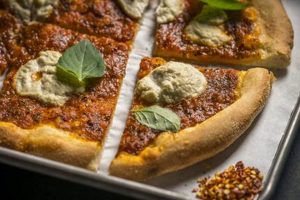
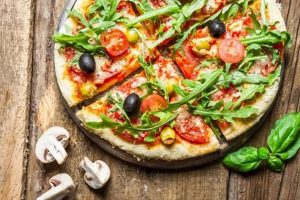
A dish that combines elements of Mexican and Italian cuisines, modified to exclude all animal products, offers a compelling culinary experience. It generally features layered corn or flour tortillas serving as the base, topped with plant-based cheese, seasoned vegetables, beans, salsa, and other traditional Mexican pizza ingredients. A typical example would be two crispy tortillas layered with refried beans, soy-based cheese, pico de gallo, avocado, and a drizzle of vegan sour cream.
This adaptation addresses dietary restrictions and ethical considerations related to animal welfare and environmental sustainability. The creation allows individuals following a plant-based lifestyle to enjoy familiar flavors in a modified form. The origins of this type of culinary creation are relatively recent, emerging alongside the growing popularity of veganism and the increasing availability of plant-based alternatives to traditional animal-derived ingredients.
The following sections will delve into specific aspects of creating these plant-based dishes, including ingredient selection, preparation techniques, and potential variations. Further discussion will examine the nutritional profile and the rising popularity of this culinary trend within the broader food industry.
Tips for Crafting Exceptional Vegan Mexican Pizzas
Achieving optimal flavor and texture in the preparation of plant-based versions of this dish requires careful attention to detail. The following points offer guidance on essential techniques.
Tip 1: Tortilla Selection is Key. Opt for tortillas that are sturdy enough to support the toppings without becoming soggy. Pre-baking or lightly frying the tortillas can improve their structural integrity.
Tip 2: Prioritize Flavorful Bean Preparations. Refried beans form a crucial base layer. Enhance their taste profile by incorporating spices such as cumin, chili powder, and garlic. Consider adding a touch of lime juice for brightness.
Tip 3: Plant-Based Cheese Choices Matter. Experiment with different vegan cheese varieties to determine the melt characteristics and taste that best suit the dish. Shredded vegan mozzarella or a cashew-based cheese sauce can provide satisfactory results.
Tip 4: Layer Ingredients Strategically. Place heavier, moisture-rich ingredients, such as beans and cooked vegetables, closer to the tortilla. This prevents the crust from becoming overly saturated.
Tip 5: Incorporate Fresh, Vibrant Toppings. Pico de gallo, avocado slices, cilantro, and shredded lettuce add freshness and textural contrast. These elements elevate the overall sensory experience.
Tip 6: Consider a Plant-Based Sour Cream Alternative. A cashew-based sour cream or a commercially available vegan sour cream can provide a tangy counterpoint to the other flavors. Ensure the consistency is thick enough to prevent excessive liquid from seeping into the crust.
Tip 7: Opt for High-Quality Salsa. The salsa provides a primary flavor element. Choose a salsa that complements the other ingredients and aligns with the desired level of spiciness. Homemade salsa allows for greater control over ingredients and flavor profiles.
Crafting a successful variation involves understanding the interplay of textures and flavors, ensuring the structural integrity of the base, and incorporating fresh, high-quality ingredients. Thoughtful application of these techniques will yield a satisfying and flavorful plant-based culinary creation.
The subsequent section will explore potential ingredient substitutions and innovative approaches to elevate the quality of this adaptation even further.
1. Plant-based Cheese Selection

Plant-based cheese selection is a critical determinant of the overall success and acceptance of the product. Traditional preparations rely heavily on the distinct flavor, texture, and melt characteristics of dairy-based cheese. Therefore, the choice of a suitable plant-based alternative directly impacts the consumers sensory experience and perceived authenticity of the dish. Improper selection can lead to undesirable outcomes, such as a lack of melt, an off-putting taste, or an unappealing texture, ultimately diminishing the overall palatability of the dish. For example, a cheese that does not melt properly might result in a dry and crumbly finished product, contrasting sharply with the expected gooey texture.
The diversity in the plant-based cheese market provides various options, each with unique properties. Cashew-based cheeses often offer a creamy texture and rich flavor, while soy-based alternatives can mimic the melt of traditional mozzarella. Coconut-based cheeses may contribute a subtle sweetness, while cheeses made from nutritional yeast often offer a cheesy flavor. The specific type of plant-based cheese should be carefully matched with the desired characteristics and complementary flavors of the pizza toppings. For example, a sharper, more flavorful cheese may be preferable when paired with milder toppings, while a more neutral-tasting cheese could be a better complement to more assertive flavors. Several brands offer shredded vegan mozzarella, a common choice, aiming to replicate the melt and stretch of dairy-based mozzarella when heated.
Consequently, a well-informed decision regarding plant-based cheese selection is essential. It significantly influences the sensory attributes of the plant-based creation, its overall consumer appeal, and perceived quality. Challenges remain in replicating the complex flavor profile and functional properties of dairy-based cheese using plant-derived ingredients. Ongoing innovation within the food technology sector aims to address these challenges, potentially leading to even more realistic and appealing plant-based cheese options for culinary applications. Further research on plant-based cheese alternatives could significantly improve the appeal of the dish to wider audiences, bridging the gap between plant-based diets and consumer preferences.
2. Flavorful Bean Preparation

Flavorful bean preparation serves as a foundational element in the successful execution of plant-based Mexican-Italian fusion cuisine. The beans, typically refried, function as a primary base layer, impacting the dish’s overall texture, satiety, and flavor profile. A lack of attention to the proper seasoning and cooking techniques can result in a bland, unappetizing product that detracts from the intended culinary experience. For example, under-seasoned beans may fail to provide sufficient savory depth to balance the other components, such as plant-based cheese and salsa, leading to a dish perceived as lacking in complexity.
Achieving flavorful bean preparation involves several key considerations. Selecting high-quality beans, such as pinto or black beans, provides a strong starting point. Employing a slow-cooking method, whether on the stovetop or in a slow cooker, allows the beans to fully develop their inherent flavors. The incorporation of aromatic ingredients, such as onions, garlic, and chili peppers, infuses the beans with additional layers of complexity. Spices like cumin, chili powder, smoked paprika, and oregano contribute a distinctly Mexican flavor profile. The careful addition of salt and lime juice balances the flavors and enhances the overall taste. Failure to properly hydrate dried beans, or rushing the cooking process, may result in a subpar outcome. The texture of the beans should be smooth and creamy, but not overly watery. A common example of a successful preparation involves simmering beans with vegetable broth, diced onions, garlic, and a blend of Mexican spices for several hours, then mashing them with a potato masher to achieve the desired consistency.
In conclusion, flavorful bean preparation is not merely an optional step but a critical determinant of the success of the plant-based fusion dish. A well-executed bean base provides a satisfying textural and flavor foundation upon which the other elements can build, resulting in a more complex and enjoyable culinary experience. Overlooking this foundational aspect diminishes the potential of the entire composition. The techniques described offer a path towards achieving this foundational flavor and realizing the dishes potential.
3. Tortilla Structural Integrity

Tortilla structural integrity is a critical factor influencing the overall quality and enjoyment of plant-based interpretations of the Mexican-Italian dish. The tortilla serves as the foundational base, supporting a variety of toppings including beans, plant-based cheese, vegetables, and salsa. Compromised structural integrity, resulting in a soggy or easily broken tortilla, directly undermines the eating experience. For instance, if the tortilla lacks sufficient rigidity, it may disintegrate under the weight of the toppings, rendering the dish difficult to handle and consume. This effect has a direct negative correlation with consumer satisfaction.
Achieving adequate tortilla structural integrity involves several key considerations. Tortilla type and composition play a crucial role. Thicker tortillas, either corn or flour-based, generally offer greater load-bearing capacity compared to thinner varieties. Pre-treatment methods, such as lightly baking or pan-frying the tortillas before assembly, can further enhance their structural stability by reducing moisture content and increasing rigidity. Strategic layering of ingredients also contributes to structural support. Placing denser, wetter ingredients, such as beans, between drier layers helps to distribute weight more evenly and prevent direct saturation of the tortilla. Failure to address this aspect results in a diminished eating experience, especially considering the dish is often consumed by hand.
In summary, tortilla structural integrity is a non-negotiable aspect of crafting a successful plant-based version of this fusion dish. Without a stable, structurally sound base, the inherent flavors and textures are diminished by the challenges of handling and consuming a compromised final product. Addressing this consideration through thoughtful tortilla selection, pre-treatment methods, and strategic ingredient layering is essential for maximizing consumer satisfaction and ensuring a positive dining experience. This understanding extends to recipe development and commercial production, impacting both home cooks and food manufacturers.
4. Spiced Vegetable Medley

The “Spiced Vegetable Medley” represents a customizable and integral component within the context of plant-based Mexican-Italian fusion cuisine. Its versatility contributes significantly to the overall flavor profile, nutritional value, and textural complexity of the final preparation. A well-executed medley serves as a counterpoint to richer elements, such as plant-based cheeses and refried beans, preventing the final product from becoming monotonous.
- Enhancing Flavor Complexity
The incorporation of a spiced vegetable medley introduces a diverse array of flavors that complement the foundational Mexican and Italian influences. Vegetables such as bell peppers, onions, zucchini, and corn, when seasoned with spices like cumin, chili powder, and smoked paprika, contribute layers of savory and subtly sweet notes. For instance, roasted bell peppers offer a smoky undertone, while caramelized onions add a hint of sweetness, enhancing the overall depth of flavor. This enhances taste, offering a layered and diverse experience to the palate, moving beyond simple or one-dimensional taste profiles.
- Boosting Nutritional Value
The inclusion of a vegetable medley significantly increases the nutritional density of the final product. Vegetables are rich in vitamins, minerals, and dietary fiber, contributing to improved digestive health and overall well-being. A serving of a vegetable-rich variation provides essential nutrients that may be lacking in other components of the dish. Adding more vegetables addresses the nutritional needs of the people and boosts the product.
- Textural Diversity
A well-prepared vegetable medley contributes a range of textures, preventing the dish from becoming overly soft or homogenous. The crispness of lightly sauted bell peppers, the slight bite of onions, and the sweetness of corn kernels create a dynamic textural experience. This interplay of textures enhances the eating experience, making it more engaging and satisfying. Each element will give its own unique texture that complements each other.
- Customization and Adaptability
The “Spiced Vegetable Medley” offers considerable flexibility in terms of ingredient selection and seasoning. Recipes can be adapted to accommodate seasonal availability of ingredients and individual dietary preferences. For example, incorporating poblano peppers adds heat, while using butternut squash contributes sweetness and a vibrant color. This adaptability ensures that the dish remains interesting and caters to diverse palates. This allows cooks to adjust ingredients and seasonings to fit individual dietary needs or preferences.
The deliberate construction of a spiced vegetable medley transforms a simple dish into a well-rounded and nutritionally balanced culinary creation. By paying careful attention to flavor profiles, textures, and ingredient selection, the final result becomes more complex, satisfying, and adaptable to diverse tastes and dietary requirements. The medley provides a critical point of differentiation, elevating the plant-based offering beyond a mere imitation of its traditional counterpart.
5. Authentic Salsa Choice

The selection of salsa significantly influences the overall flavor profile and perceived authenticity of a vegan Mexican pizza. Given the absence of traditional animal-derived ingredients, such as cheese and meat, the salsa assumes a more prominent role in delivering characteristic Mexican flavors. An inauthentic or poorly chosen salsa can undermine the entire dish, resulting in a final product that lacks the desired culinary identity. For instance, using a generic tomato sauce instead of a well-crafted salsa verde will fail to provide the necessary tang and herbaceous notes, fundamentally altering the expected taste. Consequently, the choice is a decisive factor in creating an experience aligned with consumer expectations.
Authentic salsa options encompass a diverse range of flavors and heat levels, each contributing unique characteristics. Salsa roja, typically made with roasted tomatoes, onions, garlic, and chili peppers, provides a smoky and robust flavor. Salsa verde, based on tomatillos, offers a tangy and slightly acidic profile. Pico de gallo, a fresh salsa composed of diced tomatoes, onions, cilantro, and jalapeos, adds a bright and vibrant element. Each of these can be adapted to ensure they are strictly plant-based. By understanding these distinctions, chefs and home cooks can select a salsa that complements the other ingredients and aligns with the desired flavor profile. For example, a smoky salsa roja might pair well with roasted vegetables, while a bright pico de gallo could provide a refreshing contrast to richer toppings like refried beans and vegan sour cream.
In summary, the selection of an authentic salsa is paramount to the success of a vegan Mexican pizza. The salsa serves as a crucial flavor bridge, compensating for the absence of traditional animal-based ingredients and delivering the expected Mexican culinary experience. While adapting the dish to accommodate plant-based diets presents inherent challenges, a thoughtful and informed salsa selection is a readily achievable step towards realizing an authentic and satisfying final product. Neglecting this aspect can lead to a dish that falls short of its potential, highlighting the practical significance of this seemingly simple decision.
6. Fresh Topping Variety

The implementation of a diverse array of fresh toppings significantly elevates the gustatory and visual appeal of the vegan Mexican pizza. This strategy is pivotal in offsetting the potential for monotony often associated with plant-based adaptations of traditionally non-vegan dishes.
- Enhancement of Sensory Appeal
Fresh toppings contribute significantly to the dish’s sensory appeal by introducing diverse textures, colors, and aromas. The inclusion of elements like vibrant pico de gallo, creamy avocado slices, and fragrant cilantro not only enhances the visual presentation but also stimulates the palate with a range of contrasting sensations. For example, the crispness of shredded lettuce juxtaposed with the smoothness of guacamole creates a more engaging and satisfying eating experience. This elevates the eating experience and provides different sensations.
- Nutritional Augmentation
A variety of fresh toppings directly impacts the nutritional profile of the pizza. The addition of vegetables such as bell peppers, red onions, and jalapeos increases the levels of vitamins, minerals, and antioxidants. Furthermore, ingredients like black beans and corn contribute fiber and protein, enhancing the nutritional value of the dish. For instance, adding spinach to a pizza not only provides additional flavor but also increases the intake of iron and vitamin K, essential nutrients often lacking in processed foods. The addition of the nutritious toppings provide essential nutritional elements.
- Flavor Balancing
Strategic use of fresh toppings allows for precise flavor balancing, preventing the pizza from becoming overly rich or monotonous. Acidic elements like lime juice and pickled onions cut through the richness of plant-based cheeses and refried beans. Spicy additions, such as sliced jalapeos or a drizzle of hot sauce, provide a contrasting kick that stimulates the palate. Sweet components, such as roasted corn or grilled pineapple, introduce a hint of sweetness that complements savory flavors. Careful balancing ensures the finished product is not overwhelming and contains a multifaceted and complex flavor.
- Customization and Personalization
The incorporation of a wide range of fresh toppings allows for extensive customization and personalization, catering to diverse dietary preferences and cultural influences. Individuals can select toppings based on their specific tastes and dietary restrictions. For example, those seeking a spicier flavor profile might opt for serrano peppers, while those preferring a milder taste could choose roasted tomatoes. This adaptability enhances the appeal of the dish and promotes inclusivity. This is a key aspect to accommodate varying dietary requirements and individual preferences.
The thoughtful integration of varied fresh toppings is essential for elevating the plant-based creation from a simple substitution to a complex and satisfying culinary experience. The selection of toppings serves not only to enhance the flavor and texture but also to improve the nutritional value and cater to individual preferences, making the version a versatile and appealing choice.
7. Vegan Sour Cream Alternative
A vegan sour cream alternative contributes significantly to the sensory and textural characteristics of a plant-based version of the fusion cuisine. Its absence results in a perceptible deviation from the expected taste and mouthfeel associated with conventional preparations. The sour cream alternative provides a cooling counterpoint to the often spicy and savory elements, offering a balanced flavor profile. Without it, the dish risks becoming overly rich or lacking in the characteristic tanginess that defines this culinary style. Consider the impact on the perceived authenticity: a commercially available plant-based cream, or homemade cashew cream, replicates the texture of the traditional dairy product. Omission alters the entire taste experience.
The selection of the specific plant-based cream alternative impacts the overall dish. Cashew-based options offer a creamy, rich texture and subtle nutty flavor, while tofu-based alternatives provide a lighter, less caloric option. Commercially produced vegan sour creams frequently utilize a combination of plant-based oils, stabilizers, and cultures to mimic the tanginess and texture of traditional sour cream. The choice hinges on balancing desired flavor profiles with dietary requirements and ingredient availability. Incorporating lime juice or apple cider vinegar into a base of blended cashews or silken tofu replicates the characteristic sour taste and provides a brightness that complements the other ingredients. Utilizing a pre-made commercial option is the simplest method of adding this component.
In summary, a suitable plant-based sour cream alternative is essential for achieving a palatable and authentic rendition of the Mexican-Italian dish. It addresses the need for textural diversity, flavor balance, and sensory satisfaction that consumers expect. The absence of this component creates a noticeable void in the final product. Its proper inclusion results in a plant-based dish more closely aligned with traditional expectations. The successful integration illustrates how plant-based cuisine can deliver recognizable and satisfying flavor experiences.
Frequently Asked Questions
The following addresses common inquiries regarding the preparation, composition, and consumption of a plant-based variant of the traditionally non-vegetarian dish. These answers aim to clarify misconceptions and provide factual information.
Question 1: What are the primary ingredients differentiating this variation from its conventional counterpart?
The key distinction lies in the substitution of animal-derived products with plant-based alternatives. Traditional dairy cheese is replaced with plant-based cheeses derived from sources such as cashews, soy, or coconut. Animal-based proteins are omitted or substituted with plant-based proteins like beans or lentils. The remaining components, such as tortillas, vegetables, and salsa, typically remain consistent, although their preparation methods may be adapted.
Question 2: Is the nutritional profile comparable to the traditional version?
The nutritional profile varies depending on the specific ingredients used. Plant-based cheeses may differ significantly in fat and protein content compared to dairy cheese. Furthermore, the inclusion of beans can increase the fiber content. A careful assessment of the ingredient list and nutritional information is recommended to determine the specific nutritional characteristics of the final product. While traditional versions rely on the nutritional aspects of its meat, plant-based variants add nutrients from plant-based meat.
Question 3: What are the most common challenges in preparing this dish?
Common challenges include achieving a satisfactory melt with plant-based cheeses and maintaining the structural integrity of the tortilla base. Plant-based cheeses often exhibit different melting behaviors compared to dairy cheese, requiring adjustments to cooking times and temperatures. The tortilla may become soggy if not properly pre-treated or if excessive moisture is present in the toppings. Ensuring each layer has its own textural feel gives the product a better culinary feel.
Question 4: What are some common substitutions used to enhance this dish?
Notable substitutions include using cashew-based cream instead of dairy sour cream and substituting seasoned jackfruit for ground beef. These substitutions not only maintain the intended flavor profile but also adhere to the plant-based constraints of the dish. Other substitutions include using plant-based meats as a replacement to traditional meat.
Question 5: Is this plant-based creation suitable for individuals with allergies?
Suitability for individuals with allergies depends on the specific ingredients used. Common allergens found in plant-based alternatives include soy, nuts, and gluten. Careful attention to ingredient labels is essential to avoid potential allergic reactions. Individuals with known allergies should exercise caution and verify the absence of allergens before consumption. Allergies are a key consideration to take into account when consuming plant-based version.
Question 6: Where can the main ingredients required to prepare the dish be acquired?
The main ingredients can generally be found in well-stocked grocery stores, health food stores, and online retailers. Plant-based cheeses and sour cream alternatives are becoming increasingly widely available, although selection may vary depending on location. Specialty ingredients may require sourcing from online retailers or specialized food stores. Ingredients availability is increasing as there is more demand for the dish.
The central takeaway is that preparing a palatable variation requires careful ingredient selection, attention to cooking techniques, and an understanding of potential nutritional and allergenic considerations.
The subsequent section explores regional variations and innovative adaptations of the core plant-based recipe.
Vegan Mexican Pizza
This exploration has detailed the essential elements involved in crafting a plant-based adaptation of a traditionally non-vegetarian dish. From plant-based cheese selection to authentic salsa choices, the careful consideration of ingredients and techniques is crucial for achieving a satisfying culinary outcome. The examination of tortilla structural integrity, spiced vegetable medleys, and the role of vegan sour cream alternatives underscores the importance of each component in recreating the familiar flavors and textures.
The ongoing evolution of plant-based cuisine suggests a continuing expansion of culinary possibilities. As consumer demand for sustainable and ethical food options increases, further innovation in ingredient development and preparation methods will likely refine this culinary adaptation. The deliberate and informed application of the principles outlined herein can contribute to a more inclusive and diverse culinary landscape, offering wider accessibility to familiar dishes for individuals adhering to plant-based diets.