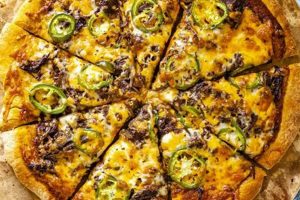
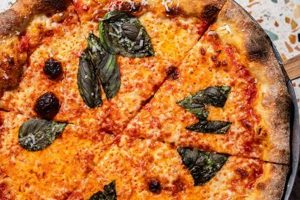
Plant-based dining options within the California Pizza Kitchen (CPK) restaurant chain offer individuals adhering to a vegan lifestyle choices when dining out. These options typically exclude all animal products, including meat, dairy, eggs, and honey. Examination of the available menu reveals specific pizzas that can be modified, along with salads and other dishes, to comply with strict vegan dietary guidelines.
The availability of plant-based choices at established restaurant chains reflects a growing demand and awareness of veganism. Offering such alternatives can broaden a restaurant’s appeal, catering to a wider customer base with diverse dietary preferences and ethical considerations. Historically, dining out as a vegan often presented challenges, requiring meticulous ingredient inquiries and limited choices. The increasing inclusion of vegan items on mainstream menus represents significant progress in accessibility and acceptance.
This article will delve into the specific vegan-friendly selections at California Pizza Kitchen, providing guidance on menu modifications and highlighting potential ingredients to avoid, thus equipping readers with the necessary information for a positive and informed dining experience.
The following recommendations provide guidance for individuals seeking to maintain a vegan diet while dining at California Pizza Kitchen (CPK). Careful menu selection and ingredient verification are crucial for adhering to strict vegan guidelines.
Tip 1: Verify Crust Composition. Confirm that the pizza crust does not contain dairy or eggs. Request ingredient information from the server to ensure compliance with vegan requirements.
Tip 2: Opt for Tomato-Based Sauces. Select tomato-based sauces, such as marinara, and avoid creamy or pesto sauces, which typically contain dairy. Inquire about potential honey or other animal-derived ingredients in the sauce preparation.
Tip 3: Customize Pizza Toppings. Choose vegetable toppings, such as mushrooms, onions, peppers, spinach, and artichokes. Omit any meat, cheese, or other animal-based ingredients listed on the menu.
Tip 4: Substitute Dairy Cheese. Inquire about the availability of vegan cheese alternatives. If offered, request that it be substituted for traditional dairy cheese on pizzas or other dishes.
Tip 5: Scrutinize Salad Dressings. Carefully review the ingredients in salad dressings. Opt for oil and vinegar or lemon vinaigrette, and ensure that the dressing does not contain honey, dairy, or eggs.
Tip 6: Examine Side Dish Preparations. Investigate the preparation methods and ingredients of side dishes. Avoid items that are cooked in butter or contain animal-derived seasonings.
Tip 7: Communicate Dietary Restrictions. Clearly communicate vegan dietary restrictions to the server and request clarification on any potentially non-vegan ingredients or preparation methods.
By carefully considering these points and communicating directly with restaurant staff, individuals can successfully navigate the CPK menu and enjoy a satisfying vegan meal.
The subsequent sections will discuss specific menu items and potential modifications in greater detail, further empowering diners to make informed choices.
1. Crust Composition

The composition of the pizza crust directly impacts the availability of menu items for individuals adhering to a vegan diet at California Pizza Kitchen. Traditional pizza dough often incorporates ingredients such as milk, eggs, or butter, all of which are animal-derived and therefore unsuitable for vegan consumption. Consequently, a standard pizza crust containing these components would inherently preclude that pizza from being a viable option for a vegan diner. The presence or absence of these ingredients represents a fundamental determinant in the suitability of a particular pizza.
California Pizza Kitchen offers various crust options. The extent to which these options accommodate vegan dietary requirements depends entirely on their individual formulations. Restaurants that proactively offer a vegan-certified crust, explicitly excluding dairy and eggs, demonstrate a commitment to catering to a broader range of dietary needs. In the absence of a dedicated vegan crust, meticulous inquiry regarding the ingredients of each crust type becomes essential. For instance, if a thin crust is offered and verified to be free of animal products, it can serve as a foundation for a customized vegan pizza. However, if a hand-tossed crust contains milk powder, it becomes an inadmissible option.
In conclusion, crust composition is a primary consideration when assessing the suitability of pizza options for vegan diners. The availability of explicitly vegan crust alternatives or the ability to confirm the absence of animal products in existing crusts is crucial for facilitating inclusive dining experiences. Understanding this connection enables individuals to navigate the menu effectively and make informed choices aligned with their dietary restrictions.
2. Sauce Selection

Sauce selection holds substantial importance in determining the vegan compatibility of menu items at California Pizza Kitchen. The composition of sauces varies significantly, and many common sauces contain animal-derived ingredients that preclude their inclusion in a vegan diet. Understanding the ingredients and potential modifications of sauces is therefore crucial for vegan diners.
- Tomato-Based Sauces as a Primary Option
Tomato-based sauces, such as marinara, often serve as a suitable foundation for vegan pizzas and pasta dishes at CPK. These sauces are typically crafted from tomatoes, herbs, and spices, without the addition of dairy or meat products. However, careful scrutiny is required to ensure the absence of unexpected animal-derived ingredients, such as honey or certain flavor enhancers. Direct verification with restaurant staff is advisable.
- Dairy-Based Sauce Avoidance
Dairy-based sauces, including Alfredo, pesto, and creamy tomato sauces, inherently conflict with vegan dietary requirements. These sauces contain milk, cream, cheese, or other dairy components, rendering them unsuitable for vegan consumption. Substitution of these sauces is essential for creating vegan-friendly versions of traditionally non-vegan dishes. For instance, a pizza traditionally prepared with pesto should have the pesto replaced with a tomato-based alternative.
- Hidden Ingredients in Sauces
Certain sauces may contain less obvious animal-derived ingredients that require careful consideration. For example, some barbecue sauces may include honey, while others might incorporate Worcestershire sauce, which typically contains anchovies. Similarly, certain spicy sauces could be thickened with animal-derived gelatin. Thorough ingredient investigation is necessary to identify and avoid these hidden non-vegan elements.
- Customization and Modification
Sauce customization can significantly expand vegan options at California Pizza Kitchen. Requesting a pizza or pasta dish with a specific tomato-based sauce instead of a dairy-based alternative is often a feasible modification. Likewise, inquiring about the possibility of preparing a sauce without honey or other non-vegan additives demonstrates proactive engagement and facilitates greater dietary inclusivity. Success depends on kitchen flexibility and ingredient availability.
The careful selection and potential modification of sauces play a pivotal role in enabling vegan diners to enjoy a diverse and satisfying culinary experience at California Pizza Kitchen. By emphasizing tomato-based sauces, avoiding dairy-based alternatives, scrutinizing ingredient lists for hidden animal products, and advocating for sauce customization, individuals can effectively navigate the menu and create meals that align with their dietary preferences and ethical considerations.
3. Topping Modifications

Topping modifications are a critical component in enabling vegan dining at California Pizza Kitchen. As standard menu items often include animal-derived ingredients, the ability to adjust and customize toppings significantly expands the range of suitable options for individuals adhering to a plant-based diet.
- Elimination of Meat and Seafood
The most fundamental aspect of topping modification is the removal of all meat and seafood ingredients. This includes pepperoni, sausage, chicken, bacon, anchovies, and any other animal-based protein sources. These toppings must be specifically excluded when ordering to ensure a vegan-compliant dish.
- Omission of Dairy Cheese
Traditional pizza cheese is a dairy product and therefore incompatible with a vegan diet. Requesting the complete omission of mozzarella, provolone, parmesan, and any other cheese variants is essential. This often necessitates an explicit statement to ensure accurate order preparation, as cheese is a default topping on many pizzas.
- Substitution with Plant-Based Alternatives
The availability of vegan cheese substitutes, while not universally guaranteed, offers a valuable opportunity to enhance the dining experience. If California Pizza Kitchen provides plant-based cheese options (such as Daiya or similar brands), requesting this substitution in place of dairy cheese provides a more traditional pizza experience while adhering to vegan principles. Availability may vary by location.
- Amplification of Vegetable Toppings
To compensate for the removal of meat and cheese, increasing the quantity and variety of vegetable toppings can contribute to a more satisfying and flavorful meal. Options such as mushrooms, onions, peppers, spinach, olives, artichoke hearts, and roasted vegetables can be added or increased to create a substantial and appealing vegan pizza. Exploring less common vegetable options, if available, can further enhance the culinary experience.
The effectiveness of topping modifications hinges on clear communication and accurate execution. By proactively eliminating animal products, substituting with plant-based alternatives when possible, and amplifying vegetable components, diners can successfully navigate the California Pizza Kitchen menu and create satisfying, vegan-compliant meals.
4. Cheese Alternatives

The availability and quality of cheese alternatives directly impact the feasibility and desirability of vegan options at California Pizza Kitchen (CPK). Traditional cheese, a dairy product, is a staple ingredient on most pizzas and many other menu items. Its exclusion is, therefore, a fundamental requirement for accommodating vegan dietary restrictions. The presence of acceptable plant-based substitutes significantly mitigates the perceived sacrifice inherent in forgoing dairy cheese. If CPK offers cheese alternatives, such as those derived from soy, nuts, or other plant sources, it expands the range of customizable vegan meals.
The absence of viable cheese alternatives limits vegan options primarily to pizzas with modified toppings or dishes that do not traditionally include cheese. Customers may opt to remove cheese entirely from existing menu items, relying on vegetables and sauces for flavor. However, this approach might lack the textural and flavor complexity that cheese typically provides. The development and adoption of cheese alternatives allow CPK to offer pizzas and other dishes that more closely resemble their non-vegan counterparts, thereby enhancing the overall dining experience for vegan patrons. For example, a pizza with vegan mozzarella can provide a similar melt and stretch to traditional mozzarella, improving palatability. Menu options may be highlighted as ‘vegan’ featuring plant-based cheese substitute.
Ultimately, the strategic integration of cheese alternatives at California Pizza Kitchen represents a commitment to inclusivity and dietary diversity. While modifications can create vegan-friendly meals, the availability of credible substitutes ensures that plant-based dining is not merely an exercise in omission but rather a fulfilling and enjoyable culinary experience. This decision affects the breadth of the target market and demonstrates recognition of evolving consumer preferences. The successful implementation and marketing of plant-based cheese options within CPK can solidify its position as a restaurant that actively caters to a broad spectrum of dietary needs.
5. Salad Dressings
Salad dressings represent a critical, yet often overlooked, component of vegan dining at California Pizza Kitchen (CPK). While a salad may appear inherently vegan due to its predominantly vegetable-based composition, conventional salad dressings frequently contain animal-derived ingredients. The presence of dairy, eggs, honey, or anchovies in dressings renders them unsuitable for vegan consumption, potentially negating the overall plant-based nature of the dish. Thus, careful scrutiny and informed selection of salad dressings are paramount for individuals seeking vegan options.
The cause-and-effect relationship between salad dressing composition and vegan suitability is straightforward. A dressing containing dairy, for example, will automatically disqualify a salad as a vegan option. Conversely, dressings formulated with plant-based oils, vinegars, herbs, and spices are acceptable. Several real-life scenarios illustrate this point. A seemingly innocuous vinaigrette might contain honey for sweetness, while a creamy dressing almost certainly incorporates dairy. CPK’s menu may list ingredients, but staff verification is often necessary. A proactive approach of identifying acceptable dressings, such as oil and vinegar or lemon vinaigrette, and specifically requesting them ensures adherence to vegan dietary standards.
Ultimately, the practical significance of understanding the connection between salad dressings and vegan options at CPK lies in empowering informed consumer choices. By recognizing that not all salads are automatically vegan and actively investigating dressing ingredients, individuals can confidently select meals that align with their dietary requirements and ethical values. While CPK may offer some clearly labelled vegan options, the responsibility often falls on the consumer to verify ingredients and make informed modifications. Addressing this challenge requires clear and readily accessible ingredient information from CPK, as well as proactive engagement from diners to ensure compliance with vegan dietary restrictions.
6. Side Dish Scrutiny

Side dish scrutiny constitutes a vital, yet often overlooked, aspect of adhering to a vegan diet at California Pizza Kitchen (CPK). While primary menu items such as pizzas and salads receive careful attention regarding vegan modifications, the composition and preparation methods of accompanying side dishes frequently warrant similar investigation. The seemingly innocuous nature of side dishes belies their potential to contain animal-derived ingredients, thereby compromising the vegan status of the entire meal.
- Butter Usage
Butter represents a common ingredient in the preparation of various side dishes, including vegetables, potatoes, and bread. As a dairy product, butter is unsuitable for vegan consumption. Scrutinizing the preparation methods of these items is essential to ascertain whether butter has been utilized. Inquiry regarding alternative preparation methods, such as steaming or roasting with olive oil, becomes necessary to ensure vegan compliance.
- Broth Composition
Certain side dishes, such as soups or vegetable medleys, may be prepared using broth. Traditional broths often contain animal-derived ingredients, such as chicken or beef stock. Confirming the composition of the broth is therefore crucial. Opting for vegetable broth or clear consomm, provided it is verified to be free of animal products, is advisable.
- Hidden Dairy in Seasonings
Seasonings and flavor enhancers used in the preparation of side dishes can sometimes contain hidden dairy ingredients. For example, certain cheese powders or creamy dressings may be incorporated into vegetable dishes or potato preparations. Careful review of ingredient lists, when available, or direct inquiry with restaurant staff is necessary to identify and avoid these potential contaminants.
- Cross-Contamination Risks
Cross-contamination during the preparation of side dishes poses a risk to individuals adhering to a strict vegan diet. If side dishes are prepared on the same surfaces or with the same utensils as non-vegan items, trace amounts of animal products may be transferred, thereby compromising the vegan status of the dish. Requesting that side dishes be prepared separately to minimize cross-contamination is prudent.
In summation, meticulous scrutiny of side dishes forms an integral part of navigating the California Pizza Kitchen menu as a vegan diner. By attending to the potential presence of butter, broth, hidden dairy, and cross-contamination risks, individuals can enhance their confidence in the vegan integrity of their entire meal. Proactive communication with restaurant staff and diligent verification of ingredients remain essential components of this process.
Frequently Asked Questions
The following section addresses common inquiries regarding the availability and suitability of plant-based menu items at California Pizza Kitchen for individuals adhering to a vegan lifestyle.
Question 1: Is a dedicated vegan menu available at California Pizza Kitchen?
California Pizza Kitchen does not currently offer a distinct, comprehensive vegan menu. However, several menu items can be modified to align with vegan dietary requirements. It is advisable to review the ingredient list and preparation methods of each dish.
Question 2: Which pizza crusts are suitable for vegan consumption?
The suitability of pizza crusts for vegan diners depends on their individual composition. Direct inquiry with restaurant staff regarding the specific ingredients of each crust type is essential to confirm the absence of dairy, eggs, and other animal-derived products.
Question 3: Are vegan cheese alternatives available for pizza customization?
The availability of vegan cheese substitutes varies by location. Individuals should inquire with the restaurant directly to determine if plant-based cheese options, such as those derived from soy or nuts, are offered as substitutions for traditional dairy cheese.
Question 4: Which sauces can be considered vegan-friendly?
Tomato-based sauces, such as marinara, are typically vegan-friendly. However, it is imperative to verify the absence of honey or other animal-derived additives. Dairy-based sauces, including Alfredo and pesto, are unsuitable for vegan consumption.
Question 5: How can salads be modified to meet vegan requirements?
Salads can be modified by omitting meat, cheese, and other animal-derived toppings. Careful selection of salad dressings is also crucial, as many dressings contain dairy, eggs, or honey. Opting for oil and vinegar or lemon vinaigrette is advisable, with confirmation of ingredient composition.
Question 6: What steps can be taken to minimize cross-contamination?
Requesting that vegan dishes be prepared separately from non-vegan items can minimize the risk of cross-contamination. Specific communication with restaurant staff regarding dietary restrictions is essential to ensure appropriate preparation protocols are followed.
Careful menu review and direct communication with California Pizza Kitchen staff remains critical in ensuring a satisfying vegan dining experience.
The subsequent section explores potential limitations and challenges associated with vegan dining at California Pizza Kitchen.
This article has explored the landscape of “vegan at california pizza kitchen,” revealing both opportunities and challenges for individuals adhering to plant-based diets. Key aspects identified include the critical need for proactive inquiry regarding crust composition, sauce ingredients, and the availability of vegan cheese substitutes. Emphasis has also been placed on the importance of scrutinizing salad dressings and side dish preparations to avoid hidden animal products.
The ultimate success in securing a truly vegan meal at California Pizza Kitchen relies heavily on clear communication with restaurant staff and a willingness to customize existing menu items. While the absence of a dedicated vegan menu presents certain limitations, informed diners can navigate the available options to create satisfying and compliant meals. Continued advocacy for greater transparency in ingredient labeling and the expansion of plant-based offerings within the chain would further enhance accessibility and inclusivity for the vegan community.