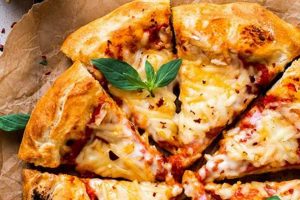
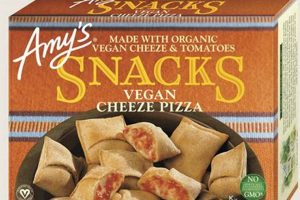
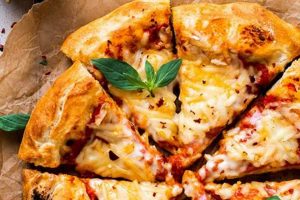
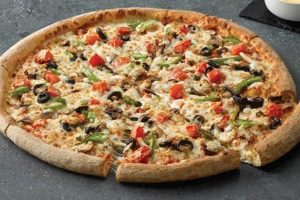
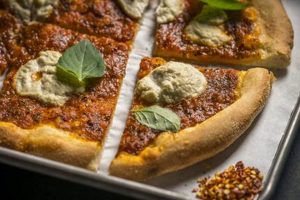
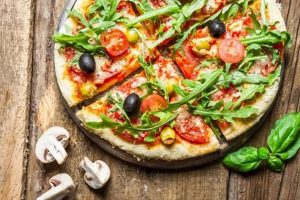
A plant-based pizza option available at Blaze Pizza outlets involves customizing a pizza using a vegan dough, dairy-free cheese alternative, and a selection of vegetable toppings. This caters to individuals adhering to a vegan diet or those seeking dairy-free alternatives. For example, customers can request a classic pie built upon the standard dough recipe, swapping mozzarella for a vegan cheese substitute and adding numerous vegetable toppings like mushrooms, onions, or bell peppers.
Offering customizable, plant-based options addresses an increasingly prevalent dietary preference and broadens the customer base. Historically, the availability of readily accessible vegan alternatives in the fast-casual dining sector was limited. Introducing this selection acknowledges the growing demand for inclusive menus and can improve customer satisfaction by providing convenient and customized dining experiences. Its significance lies in catering to a wider audience and embracing dietary inclusivity.
The subsequent sections will delve into the specific nutritional considerations, topping options, and preparation methods related to constructing a plant-based pizza at Blaze Pizza. Further discussion will highlight potential advantages and considerations when making ingredient choices for a satisfying and dietary-compliant meal.
Tips for Ordering Plant-Based Pizza
Optimizing the experience requires careful consideration of ingredients and preparation methods. The following tips can assist in making informed choices.
Tip 1: Specify Vegan Dough. Ensure the crust is designated as vegan. Confirm that no animal-derived ingredients, such as honey or dairy, are included in the dough recipe.
Tip 2: Request Dairy-Free Cheese. Explicitly ask for the plant-based cheese alternative. Confirm it is the designated vegan cheese option and not a dairy-containing substitute.
Tip 3: Select Ample Vegetable Toppings. Maximize nutritional value and flavor by selecting a diverse array of vegetable toppings. Consider nutrient-rich options such as spinach, mushrooms, onions, and bell peppers.
Tip 4: Inquire About Sauce Ingredients. Verify the pizza sauce is free from animal products. Some sauces may contain hidden ingredients derived from animal sources.
Tip 5: Confirm Preparation Procedures. Inquire about potential cross-contamination. Request that preparation surfaces and utensils be cleaned to prevent contact with non-vegan ingredients.
Tip 6: Check for Allergen Information. If applicable, review the restaurant’s allergen information. Confirm the ingredients used are free from specific allergens, such as soy or nuts, if required.
By adhering to these recommendations, individuals can ensure their pizza aligns with dietary requirements and preferences. Informed ingredient selection contributes to a satisfying and compliant dining experience.
The concluding section will summarize the essential points and offer final considerations for enjoying customizable plant-based pizza.
1. Customization Options

Customization options are central to the consumption of plant-based pizzas, enabling individuals to tailor their selections to align with dietary restrictions and personal preferences. The degree of customization directly impacts the overall appeal and accessibility of this option at Blaze Pizza.
- Base Crust Selection
The fundamental choice lies in selecting a vegan-certified crust. While a standard crust might be offered, ensuring its plant-based composition is crucial. This choice dictates the foundation of the pizza and directly determines its suitability for vegan consumers. Absence of a suitable crust eliminates the option for creating a compliant pizza.
- Dairy-Free Cheese Substitutes
Selecting a cheese alternative is integral to achieving a plant-based pizza. The availability and variety of vegan cheese options, such as soy-based or cashew-based alternatives, can significantly influence the flavor profile and overall appeal. The quality and meltability of the cheese substitute impact the final product’s texture and resemblance to conventional pizza.
- Vegetable Topping Variety
The breadth of available vegetable toppings provides flexibility in tailoring the pizza to individual tastes and nutritional requirements. Options may range from conventional choices like onions and peppers to more specialized selections like artichoke hearts or roasted vegetables. The selection of these ingredients directly influences the pizza’s flavor profile and nutrient density.
- Sauce Selection
Choosing a sauce is essential. While many standard pizza sauces are naturally vegan, confirming the absence of animal-derived ingredients, such as certain cheeses or honey, is important. The sauce provides the base flavor and integrates the other ingredients, impacting the pizza’s overall taste. Options might include classic marinara, spicy alternatives, or pesto variants.
The interplay of these customization elements allows customers to create a pizza that conforms to plant-based dietary guidelines while accommodating personal taste preferences. The extent of these customization options at Blaze Pizza significantly contributes to its attractiveness as a provider of plant-based dining options.
2. Dough composition

Dough composition is a foundational element for vegan pizza. The formulation of the dough dictates its suitability for plant-based diets, influencing taste, texture, and overall palatability. Understanding the components is crucial for both consumers and the establishment offering such dietary alternatives.
- Flour Selection
The choice of flour significantly impacts the final product. While traditional wheat flour is commonly used, alternative flours such as gluten-free blends or whole wheat varieties may be employed. The selection determines the dough’s texture, gluten content, and nutritional profile. For example, whole wheat flour contributes a more robust flavor and increased fiber content compared to refined wheat flour. At Blaze, flour selection directly affects the final pizza’s taste.
- Leavening Agents
Leavening agents contribute to the dough’s rise and texture. Yeast is a common choice, but its interaction with other ingredients is critical. The type and amount of leavening impact the dough’s airiness and chewiness. For instance, using a sourdough starter introduces a unique flavor profile due to the fermentation process. The specific leavening procedure affects the final result.
- Liquid Component
The liquid used to hydrate the flour is a critical determinant of the dough’s texture. Typically, water is the standard liquid, but variations exist. The temperature and mineral content of the water influence gluten development and yeast activity. For example, using warm water activates yeast more rapidly than cold water. Liquid component used influences the texture.
- Fat Content & Source
The inclusion of fats impacts the dough’s elasticity and flavor. Vegetable oils, such as olive oil, are frequently used in plant-based recipes. The type and quantity of fat affect the dough’s tenderness and crust crispness. For example, olive oil adds a distinct flavor, while excessive oil can result in a greasy texture. Fat selection changes final dough.
The convergence of these compositional facets determines the final quality. A well-balanced dough, considering flour type, leavening agents, liquid, and fat source, is essential for a satisfactory culinary option. This approach guarantees it will meet the requirements and provide a high-quality dining selection.
3. Cheese alternatives

The selection of dairy-free cheese substitutes directly impacts the viability and consumer appeal of plant-based pizza options. The availability, quality, and characteristics of these alternatives are crucial to replicating the sensory experience of traditional cheese on pizza. This directly influences the overall satisfaction and adoption rate of this offering.
- Composition and Ingredients
Vegan cheese alternatives are typically formulated using plant-based sources, such as soy, nuts (cashews, almonds), seeds (sunflower), or vegetable oils. Additives like tapioca starch, modified food starch, and carrageenan are often incorporated to improve texture and melting properties. The specific ingredient blend influences the cheese’s flavor profile, meltability, and nutritional content. For instance, cashew-based cheeses tend to offer a creamy texture, while soy-based options may have a more neutral flavor. The selection of ingredients is critical in closely mimicking dairy cheese attributes for acceptance in the final pizza offering.
- Melting Characteristics
Achieving adequate melt is a significant challenge in vegan cheese production. Traditional dairy cheese contains proteins that undergo structural changes when heated, resulting in a smooth, elastic melt. Many plant-based cheeses struggle to replicate this behavior, often becoming either excessively liquid or failing to melt evenly. Manufacturers address this through ingredient selection and processing techniques, such as adding modified food starch to improve viscosity when heated. The melting property directly affects the final pizza texture and perceived quality.
- Flavor Profile
Developing a palatable and appealing flavor is crucial for the market success of dairy-free cheese substitutes. Vegan cheeses often exhibit distinct flavor profiles compared to their dairy counterparts, ranging from subtle nuttiness to more pronounced tangy or fermented notes. Flavor enhancers and cultures are often employed to enhance the taste and create a more complex aroma. The flavor must complement the other pizza ingredients, such as the sauce and toppings, to deliver a harmonious and enjoyable eating experience. A well-balanced flavor profile positively influences consumer satisfaction.
- Nutritional Considerations
The nutritional composition of vegan cheese alternatives can vary significantly depending on the ingredients and manufacturing processes used. Some options may be lower in saturated fat and cholesterol compared to dairy cheese, while others may be higher in sodium or contain fewer protein and calcium. Understanding the nutritional implications of each cheese alternative is important for consumers seeking specific dietary benefits. Blaze Pizza must provide accurate nutritional information to empower customers to make informed choices aligning with their health goals.
The successful integration of cheese alternatives into a plant-based pizza relies heavily on addressing the challenges and capitalizing on the opportunities related to composition, melting characteristics, flavor profile, and nutritional considerations. Providing multiple options with distinct properties broadens the appeal and caters to a wider range of consumer preferences. Careful attention to these aspects improves the overall quality and attractiveness of plant-based selections, solidifying Blaze Pizza’s position as a provider of inclusive dining options.
4. Topping Selections

Topping selections represent a critical aspect of customizing plant-based pizza. These selections define flavor profiles and nutritional content. The range of available toppings and their preparation significantly influence the appeal and acceptability of a plant-based pizza at Blaze Pizza.
- Vegetable Variety and Freshness
The diversity and quality of vegetable offerings directly impact the nutritional value and taste. Seasonal vegetables, sourced for peak freshness, enhance the pizza experience. Examples include ripe tomatoes, crisp bell peppers, and tender spinach. The presence of wilted or bland vegetables diminishes the product’s overall quality and reduces customer satisfaction.
- Protein Sources
Vegan protein toppings, such as plant-based sausage crumbles or marinated tofu, contribute to satiety and nutritional completeness. These sources should be prepared with complementary seasonings and textures to integrate seamlessly with other ingredients. Insufficient protein can result in a less satisfying meal, while poorly prepared options detract from the overall flavor profile.
- Herb and Spice Combinations
The strategic use of herbs and spices elevates the flavor complexity and enhances the aroma. Fresh basil, oregano, and crushed red pepper can transform a simple vegetable pizza into a more sophisticated culinary experience. Overuse or improper combinations can lead to overpowering or unpleasant tastes.
- Preparation Methods
How toppings are prepared prior to assembly influences their final texture and flavor. Roasted vegetables, for example, offer a concentrated sweetness and enhanced caramelization compared to raw alternatives. Proper seasoning and pre-cooking can prevent waterlogged or undercooked toppings. This step also aids in moisture control.
The deliberate curation of topping options is essential. Providing a diverse range of fresh, flavorful, and nutritionally balanced ingredients allows patrons to create pizzas that adhere to dietary restrictions while delivering a satisfying dining experience. This contributes significantly to the success of plant-based offerings and elevates Blaze Pizza’s reputation as a provider of inclusive options.
5. Sauce ingredients

Sauce ingredients are integral to the formulation of a vegan pizza and significantly influence its overall palatability at Blaze Pizza. The careful selection of sauce ingredients is essential to ensure the pizza remains compliant with vegan dietary guidelines and offers a flavorful experience. The exclusion of animal-derived products, such as certain cheeses, honey, or meat-based stocks commonly used in some sauces, necessitates meticulous ingredient verification. For example, a traditional pesto sauce often contains Parmesan cheese; thus, a vegan alternative utilizing plant-based ingredients like basil, pine nuts, garlic, olive oil, and nutritional yeast becomes crucial for maintaining a vegan pizza offering. The composition of the sauce dictates its acceptability for consumers adhering to vegan principles.
Different sauce formulations impart unique flavor profiles that directly influence the overall taste. A robust marinara sauce, prepared with tomatoes, garlic, herbs, and olive oil, can provide a classic Italian flavor base. Conversely, a plant-based barbecue sauce, made with tomatoes, vinegar, spices, and molasses, offers a smoky and tangy alternative. The choice of sauce can greatly affect the consumer’s perception of the pizza, and Blaze Pizza provides a variety of sauces with distinctive tastes. The selection also plays a role in nutritional considerations, as different sauces exhibit varying levels of sodium, sugar, and fat. Therefore, understanding sauce ingredients extends beyond taste to include aspects of dietary health and customer satisfaction.
In summary, sauce ingredients are a non-negotiable component in creating a pizza that aligns with both dietary requirements and taste expectations. Blaze Pizza demonstrates recognition of this through the provision of several plant-based sauce options. The accurate labeling and transparent disclosure of ingredient lists for each sauce enable customers to make informed choices, ensuring adherence to their dietary preferences while enjoying a flavorful experience. The selection and composition of the sauce exemplify its contribution to the success of plant-based pizza options.
6. Preparation protocols

Preparation protocols are critical for ensuring the integrity of plant-based pizza offerings at Blaze Pizza. Strict adherence to defined procedures minimizes cross-contamination and maintains the dietary compliance of the final product.
- Designated Workstations and Utensils
Using separate preparation areas and tools for vegan pizzas mitigates the risk of contact with animal-derived ingredients. Clearly labeled workstations and color-coded utensils ensure employees can easily differentiate between vegan and non-vegan equipment. This prevents cross-contamination, which is especially important for individuals with strict dietary requirements.
- Ingredient Storage and Handling
Proper storage protocols are essential for maintaining ingredient purity. Vegan ingredients should be stored separately from non-vegan ingredients to avoid accidental mixing or contamination. Implementing a “first in, first out” system ensures freshness and minimizes the risk of using expired ingredients. Detailed protocols for handling ingredients help in maintaining the integrity of the product and the safety for the customers.
- Oven Management
Baking pizzas in separate ovens or designated sections minimizes the potential for cross-contamination from cheese or other animal-derived ingredients. If using the same oven, protocols should specify cleaning procedures between baking vegan and non-vegan pizzas. These measures are necessary to guarantee a truly plant-based final product.
- Staff Training and Communication
Comprehensive staff training on vegan preparation protocols is crucial. Employees must understand the importance of preventing cross-contamination and be able to accurately identify vegan ingredients. Clear communication between staff members ensures consistency and adherence to established procedures. Regular training sessions and protocol updates help reinforce best practices.
Stringent preparation protocols are fundamental to delivering credible vegan pizza options at Blaze Pizza. By implementing these measures, the establishment ensures that pizzas adhere to vegan standards, meeting the expectations of customers seeking plant-based dining choices. Furthermore, robust protocols enhance transparency and build customer trust.
7. Nutritional profile
The nutritional profile of a plant-based pizza significantly influences its suitability as a dietary choice. Examining the macronutrient composition, micronutrient content, and potential presence of allergens is essential for informed dietary decisions in this context.
- Macronutrient Composition
The balance of carbohydrates, proteins, and fats dictates the energy value and satiety provided by a vegan pizza. A pizza high in refined carbohydrates and fats but low in protein may offer limited satiety and contribute to imbalanced nutrition. Conversely, a pizza incorporating whole grains, plant-based protein sources, and healthy fats can provide a more nutritionally complete meal. The proportion of each macronutrient affects blood glucose and lipid levels.
- Micronutrient Content
The presence of vitamins and minerals contributes to the overall health benefits of plant-based pizzas. Toppings such as spinach, mushrooms, and bell peppers introduce vitamins A and C, iron, and potassium. The absence of these micronutrients necessitates supplementation through other dietary sources. Micronutrient density distinguishes a nutritionally valuable option from a merely calorie-dense one.
- Sodium Levels
The sodium content, often elevated due to processed ingredients like vegan cheese substitutes and sauces, can impact blood pressure and cardiovascular health. Individuals with sodium-sensitive hypertension must carefully consider the sodium content of the pizza and adjust their intake accordingly. Lower-sodium options, achieved through homemade sauces and fresh ingredients, offer a healthier alternative.
- Allergen Considerations
The presence of common allergens, such as soy, nuts, or gluten, necessitates careful ingredient review for individuals with sensitivities or allergies. Vegan cheese alternatives often contain soy or nuts, while certain crusts may include gluten. Clear allergen labeling is crucial for enabling informed choices and preventing adverse reactions. The absence of transparent allergen information limits accessibility for a segment of the population.
The nutritional profile of plant-based pizza at Blaze is a multifaceted consideration. From the macronutrient distribution to the presence of vital micronutrients and allergens, each element affects the dietary value and suitability of the meal. Thoughtful selection of ingredients that are lower in sodium and higher in essential nutrients ensures a healthful and satisfying dining experience.
Frequently Asked Questions
The subsequent questions address common inquiries concerning plant-based pizza availability, customization, and nutritional considerations.
Question 1: Is a dedicated vegan crust available at Blaze Pizza?
The availability of a specifically certified vegan crust varies by location. Verification of the crust’s composition, ensuring the absence of animal-derived ingredients like honey or dairy, is advised before ordering. Crust ingredients should be reviewed to guarantee dietary compliance.
Question 2: What dairy-free cheese alternatives are offered?
Blaze Pizza typically provides a plant-based cheese substitute, frequently made from soy or other plant-based materials. The specific brand and composition of the cheese alternative may vary. Clarification regarding the precise ingredients of the cheese substitute is recommended.
Question 3: Are all vegetable toppings suitable for a vegan diet?
While the majority of vegetable toppings are inherently vegan, potential cross-contamination during preparation must be considered. Confirmation of the absence of shared cooking surfaces or utensils with non-vegan items is advisable.
Question 4: Does the pizza sauce contain animal-derived ingredients?
Most traditional pizza sauces are naturally vegan; however, certain variations may incorporate animal-based products. Reviewing the ingredient list of the selected sauce to confirm the absence of such elements is recommended.
Question 5: How is cross-contamination prevented during preparation?
The prevention of cross-contamination requires designated preparation areas and utensils. Inquiring about specific protocols employed by the establishment to minimize contact between vegan and non-vegan items is advised.
Question 6: What is the nutritional profile of a customized plant-based pizza?
The nutritional content of a custom-made pizza depends upon the specific ingredients selected. Calorie, macronutrient, and micronutrient information should be requested to make informed dietary choices.
These inquiries highlight fundamental aspects of ordering a plant-based pizza. Informed choices contribute to a satisfactory dining experience.
The concluding section will provide a concise summary of key insights and final considerations.
Conclusion
The preceding examination of “vegan pizza at Blaze” has articulated the core components essential for its successful execution. From the composition of the dough and the selection of plant-based cheese alternatives to the variety of available toppings and adherence to strict preparation protocols, each facet contributes to the integrity and appeal of this dietary option. Nutritional considerations further underscore the importance of informed ingredient selection to align with individual health requirements.
The availability of “vegan pizza at Blaze” signifies a crucial step toward dietary inclusivity within the fast-casual dining sector. Continued refinement of ingredients and preparation methods, coupled with transparent communication regarding nutritional content and allergen information, will solidify its position as a credible and satisfying choice for individuals seeking plant-based alternatives. The responsibility rests on both the establishment and the consumer to ensure that stated dietary commitments are met through diligent inquiry and meticulous attention to detail.