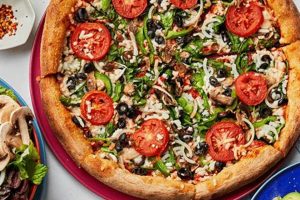
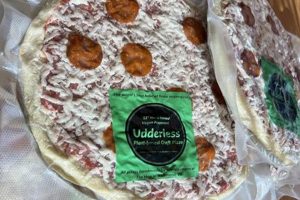
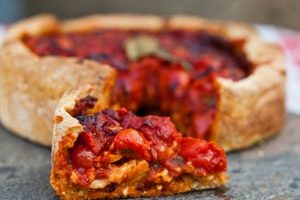
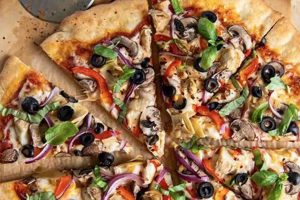
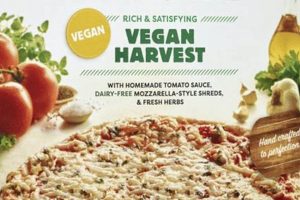
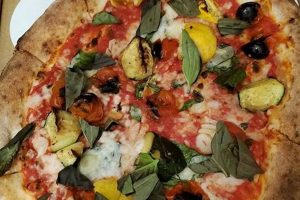
Plant-based pizza options within the borough of Manhattan offer an alternative to traditional pizza, omitting all animal-derived ingredients such as dairy cheese and meat toppings. These offerings typically utilize plant-based cheese substitutes, vegetable toppings, and sometimes incorporate meat alternatives to replicate conventional pizza varieties.
The availability of these specialized pizzas addresses a growing consumer demand for ethical and dietary choices. The increased presence of these options reflects a broader societal shift toward plant-based diets and a heightened awareness of the environmental and health impacts associated with animal agriculture. The culinary scene adapts to meet these evolving preferences, providing greater accessibility and variety in food choices.
The following sections will detail establishments providing these options, explore the diversity of available styles, and discuss consumer considerations when selecting plant-based pizza within this urban environment.
Selecting suitable plant-based pizza within Manhattan requires careful consideration of several factors to ensure both satisfaction and adherence to dietary needs.
Tip 1: Ingredient Verification: Scrutinize ingredient lists to confirm the absence of animal-derived products. Cheese alternatives may contain casein or whey, rendering them unsuitable for strict plant-based diets. Clarify sourcing with the establishment to avoid cross-contamination during preparation.
Tip 2: Restaurant Reputation: Research establishments specializing in plant-based cuisine or those known for accommodating dietary restrictions. Online reviews and ratings offer insights into the quality and authenticity of plant-based offerings.
Tip 3: Crust Considerations: Inquire about the crust ingredients, as some recipes may incorporate dairy or eggs. Sourdough or naturally leavened crusts are often plant-based, but verification is recommended.
Tip 4: Topping Variety: Explore the range of available vegetable toppings. A diverse selection indicates a greater commitment to plant-based options and allows for customized flavor profiles.
Tip 5: Cheese Substitute Quality: Plant-based cheese alternatives vary in texture and flavor. Experiment with different types (e.g., cashew-based, coconut-based, soy-based) to identify preferred options. Note that some substitutes melt more effectively than others.
Tip 6: Cross-Contamination Awareness: Confirm that plant-based pizzas are prepared separately from those containing animal products to prevent cross-contamination. Dedicated preparation areas or utensils are preferable.
Tip 7: Customization Options: Explore the possibility of customizing existing pizzas by substituting plant-based cheese or adding extra vegetable toppings. Many establishments are willing to accommodate such requests.
Adherence to these recommendations contributes to a more informed and satisfying experience when selecting plant-based pizza in Manhattan.
The concluding section will summarize the key considerations for locating and evaluating plant-based pizza options in the city.
1. Accessibility

Accessibility, concerning plant-based pizza in Manhattan, encompasses the ease with which consumers can locate, acquire, and enjoy these specialized food offerings. It is a critical factor influencing the adoption and integration of plant-based diets within the urban environment.
- Geographic Distribution
The concentration of establishments offering plant-based pizza varies across Manhattan’s neighborhoods. Higher concentrations typically correlate with areas characterized by greater population density, higher income levels, or a pronounced emphasis on health and wellness. Conversely, areas with fewer options may present challenges for consumers seeking these alternatives.
- Price Point Considerations
The cost of plant-based pizza can significantly affect its accessibility. Higher prices may limit access to affluent consumers. Affordability is a key determinant of whether plant-based options are perceived as a viable and sustainable dietary choice for diverse segments of the population.
- Online Ordering and Delivery Services
The availability of online ordering and delivery services plays a crucial role in expanding accessibility. Platforms offering detailed menus and filtering options facilitate the discovery and acquisition of plant-based pizza from a wider range of establishments. Delivery services extend the reach of these options beyond immediate proximity.
- Menu Visibility and Promotion
Even when available, plant-based pizza options may not be readily apparent to consumers. Prominent placement on menus, targeted marketing campaigns, and clear labeling of plant-based offerings enhance awareness and encourage selection. Lack of visibility limits accessibility despite physical availability.
These facets underscore the multifaceted nature of accessibility, extending beyond simple availability. Geographic distribution, price point, online services, and menu visibility collectively shape the extent to which Manhattan residents can readily integrate plant-based pizza into their dietary routines, reflecting broader trends in plant-based consumption and ethical eating.
2. Ingredient Sourcing

Ingredient sourcing is a critical determinant of the ethical and environmental impact associated with plant-based pizza in Manhattan. The selection of ingredients, from plant-based cheese substitutes to vegetable toppings, dictates the degree to which these culinary choices align with sustainability and ethical consumption. For example, the utilization of locally sourced produce reduces transportation emissions and supports regional agricultural practices, contrasting with reliance on ingredients shipped from distant locations. The choice between mass-produced soy-based cheese and artisanal nut-based alternatives reflects disparate environmental footprints related to resource consumption and processing methods.
The prevalence of organic versus conventionally grown ingredients further exemplifies the significance of sourcing. Organic farming practices minimize pesticide use and promote soil health, mitigating negative impacts on ecosystems. Conversely, reliance on conventionally grown produce may contribute to environmental degradation and potential health concerns. Furthermore, the labor practices associated with ingredient productionwhether fair wages and safe working conditions are ensuredrepresents an ethical dimension of sourcing that directly influences the moral implications of consumption. The selection of tomatoes sourced from farms with documented fair labor standards, as opposed to those with exploitative practices, directly reflects this ethical consideration.
In summary, ingredient sourcing profoundly shapes the ethical and ecological consequences of plant-based pizza consumption in Manhattan. Informed choices regarding sourcing can mitigate negative environmental impacts, promote fair labor practices, and support sustainable agricultural systems. Transparency in ingredient origins and production methods is essential for consumers seeking to align their dietary choices with ethical and environmental values, contributing to a more sustainable and responsible food system within the urban environment.
3. Cheese Alternatives
The availability and quality of cheese alternatives are foundational to the viability and appeal of plant-based pizza offerings in Manhattan. The absence of traditional dairy cheese necessitates the use of substitutes to replicate the textural and flavor characteristics expected of pizza. The success of these alternatives in mimicking the melt, stretch, and savory qualities of dairy cheese directly influences consumer satisfaction and acceptance of plant-based options. For example, establishments that utilize high-quality cashew-based or coconut-oil-based cheeses often receive more positive reviews regarding the overall pizza experience compared to those using lower-quality or less convincing substitutes.
The selection of a specific cheese alternative also dictates the nutritional profile of the pizza. Some alternatives are higher in saturated fat, while others are richer in vitamins or minerals. Consider the difference between a pizza featuring a soy-based cheese that’s relatively high in protein and a cheese derived from processed starches which might offer little nutritional value. Furthermore, the production methods of these alternatives carry environmental and ethical considerations, with some methods more sustainable than others, highlighting the significance of this one ingredient.
In conclusion, cheese alternatives are not merely replacements for dairy cheese; they are integral components that determine the success, nutritional value, and ethical implications of plant-based pizza within Manhattan’s culinary landscape. The ongoing refinement of these alternatives is critical for advancing the acceptance and integration of plant-based diets into the mainstream. Furthermore, it allows individuals who avoid animal products to enjoy the classic dish, pizza, without compromise.
4. Crust Composition
Crust composition significantly impacts the suitability and appeal of plant-based pizza in Manhattan. The exclusion of animal-derived ingredients, such as dairy or eggs, necessitates careful consideration of alternative components to achieve desired textural and structural qualities.
- Flour Selection and Gluten Development
Different flours exhibit varying gluten development capacities, directly affecting the crust’s elasticity and chewiness. High-protein flours typically used in traditional pizza crusts may be replaced with alternatives like whole wheat, spelt, or gluten-free blends. Achieving satisfactory gluten development without animal products requires precise hydration levels, kneading techniques, and, in some cases, the addition of gluten-enhancing agents.
- Liquid Ingredients and Hydration
The liquid component of the dough, traditionally water or milk-based, requires adjustment in plant-based recipes. Plant-based milks, such as almond or soy milk, can be utilized, potentially contributing subtle flavor nuances. Accurate hydration is crucial for achieving optimal dough consistency, influencing the crust’s final textureranging from thin and crispy to thick and chewy.
- Fat Content and Emulsification
Fats, typically introduced through butter or oil, contribute to crust tenderness and flavor. Plant-based alternatives, such as olive oil, coconut oil, or vegetable shortening, can be employed. Emulsifiers, naturally present in eggs, must be substituted to ensure proper fat distribution and prevent a greasy or separated texture. Lecithin, derived from soy or sunflower, serves as a common emulsifying agent.
- Leavening Agents and Fermentation
Yeast, a primary leavening agent, remains suitable for plant-based pizza crusts. However, fermentation times and temperatures may require adjustment to account for the absence of animal-derived ingredients that typically contribute to dough structure and flavor development. Sourdough starters, cultivated through natural fermentation, offer an alternative leavening method that enhances flavor complexity.
These considerations regarding crust composition highlight the intricate interplay between ingredient selection and baking techniques in creating plant-based pizza. Successful formulations require a nuanced understanding of how alternative components interact to replicate the desired characteristics of traditional pizza crusts, while adhering to plant-based dietary restrictions. The result determines overall consumer satisfaction and the integration of these options within Manhattan’s diverse culinary landscape.
5. Nutritional Profile

The nutritional profile of plant-based pizza offerings in Manhattan represents a critical consideration for consumers seeking to align their dietary choices with health and wellness objectives. The composition of these pizzas, particularly concerning macronutrient ratios, micronutrient content, and the presence of additives, influences their overall nutritional value.
- Macronutrient Balance
Plant-based pizzas can exhibit significant variations in macronutrient balance. The carbohydrate content, derived primarily from the crust, may range from simple refined carbohydrates to complex whole grains. Protein sources, often provided by plant-based cheese alternatives or legume toppings, should be sufficient to contribute to satiety and meet dietary requirements. Fat content, influenced by cheese substitutes and added oils, requires careful consideration to avoid excessive saturated or trans fats. For example, a pizza utilizing a whole-wheat crust, topped with a protein-rich lentil mixture and a moderate amount of cashew-based cheese, offers a more balanced macronutrient profile compared to one based on refined white flour, minimal protein, and a high-fat coconut oil cheese substitute.
- Micronutrient Density
Micronutrient density, the concentration of vitamins and minerals per calorie, varies depending on the toppings and ingredients selected. Vegetable toppings, such as spinach, bell peppers, and mushrooms, contribute essential vitamins and minerals. However, reliance solely on processed plant-based cheese alternatives may limit micronutrient availability. The addition of nutrient-dense ingredients like nutritional yeast or fortified plant-based cheese can enhance the micronutrient profile. A pizza heavily laden with processed ingredients may lack essential nutrients despite being plant-based.
- Sodium Content
Sodium content is a significant concern, particularly in commercially prepared plant-based pizzas. Processed cheese alternatives and pre-made crusts often contain high levels of sodium, potentially contributing to hypertension and other health complications. Consumers should scrutinize nutrition labels and opt for pizzas with lower sodium content or those that allow for customization to control sodium levels. Excess sodium can negate the potential health benefits of a plant-based diet.
- Additives and Processing Levels
The level of processing and the presence of additives also affect the nutritional quality of plant-based pizzas. Highly processed ingredients may contain artificial flavors, colors, and preservatives, potentially undermining the healthfulness of the pizza. Minimally processed ingredients, such as fresh vegetables and whole grains, offer a more nutritious alternative. Consumers should prioritize pizzas prepared with whole, unprocessed foods and devoid of artificial additives.
These multifaceted considerations highlight the importance of evaluating the nutritional profile of plant-based pizza options in Manhattan. While offering a viable alternative to traditional pizzas, their nutritional value depends heavily on ingredient selection and preparation methods. Informed consumer choices regarding macronutrient balance, micronutrient density, sodium content, and processing levels are essential for maximizing the health benefits of plant-based pizza consumption.
Frequently Asked Questions Regarding Plant-Based Pizza Options in Manhattan
The following section addresses common inquiries and misconceptions concerning the availability, ingredients, and nutritional aspects of plant-based pizza within Manhattan. These answers provide informative guidance for consumers seeking plant-based alternatives.
Question 1: Are plant-based pizzas in Manhattan genuinely free of all animal products?
Adherence to plant-based standards necessitates the exclusion of all animal-derived ingredients. However, cross-contamination can occur during preparation if proper procedures are not followed. It is advisable to confirm ingredient sourcing and preparation practices with the establishment to ensure compliance.
Question 2: What are the typical ingredients used as cheese substitutes in these pizzas?
Common cheese substitutes include cashew-based cheeses, coconut oil-based cheeses, soy-based cheeses, and blends derived from various plant sources. The flavor and texture profiles vary significantly among these options, affecting the overall palatability of the pizza.
Question 3: Are plant-based pizza crusts always vegan?
Not all pizza crusts are inherently plant-based. Some recipes may incorporate dairy or eggs. It is essential to verify the crust ingredients or inquire about plant-based crust options specifically.
Question 4: Do plant-based pizzas offer equivalent nutritional value compared to traditional pizzas?
Nutritional value depends on the ingredients used. Plant-based pizzas with diverse vegetable toppings and whole-grain crusts can offer comparable or superior nutritional profiles. However, those relying on processed cheese substitutes and refined-flour crusts may lack essential nutrients.
Question 5: How does the price of plant-based pizza compare to traditional pizza in Manhattan?
Plant-based pizza may, in some cases, be priced higher than traditional pizza, reflecting the cost of specialized ingredients and preparation techniques. However, pricing can vary depending on the establishment and ingredients used.
Question 6: Where can a consumer locate reliable plant-based pizza options within Manhattan?
Online search engines, restaurant review platforms, and dedicated plant-based dining guides provide information on establishments offering plant-based pizza in Manhattan. Verification of plant-based offerings is recommended.
In summary, informed consumption of plant-based pizza in Manhattan requires careful consideration of ingredients, preparation practices, and nutritional value. Transparency and verification are essential for ensuring compliance with dietary requirements and achieving desired ethical outcomes.
The subsequent section will provide a concluding overview of the key considerations when exploring plant-based pizza options in the city.
Vegan Pizza in Manhattan
This exploration of vegan pizza in Manhattan has detailed the complexities of this culinary niche. Ingredient sourcing, cheese alternatives, crust composition, and nutritional profiles all require careful consideration. Accessibility across diverse neighborhoods and price points influences the integration of plant-based diets. Transparency regarding preparation practices and accurate nutritional information remain crucial for informed consumer choices.
The continued evolution of plant-based alternatives presents both challenges and opportunities. Ongoing innovation in ingredient development, coupled with increased consumer awareness, will shape the future of vegan pizza in Manhattan. A commitment to ethical sourcing, responsible preparation, and clear communication is essential for realizing the full potential of this dietary option.