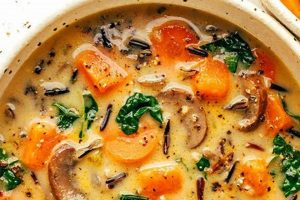
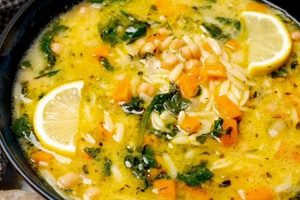
A plant-based alternative replicates the texture and flavor profile of traditional cream of mushroom soup, excluding all animal-derived ingredients. This culinary creation allows individuals adhering to vegan dietary guidelines to enjoy dishes traditionally featuring cream of mushroom soup, such as casseroles, sauces, and gravies. Common components include plant-based milk (such as oat or cashew milk), vegetable broth, mushrooms, thickeners like flour or cornstarch, and seasonings.
The development and increasing availability of these alternatives reflect a growing awareness of dietary restrictions, ethical considerations related to animal welfare, and environmental concerns associated with dairy production. These substitutes provide a means for those following vegan lifestyles to participate in shared meals and enjoy familiar flavors without compromising their principles. Furthermore, they often offer health benefits by being lower in saturated fat and cholesterol compared to traditional cream-based versions.
Understanding the diverse range of ingredients and preparation methods used to create this type of product is essential for both consumers and food manufacturers. The following sections will explore the various approaches to achieving a similar taste and texture, examining commonly used ingredients, potential nutritional considerations, and practical applications in various recipes.
Tips for Utilizing Plant-Based Mushroom Soup Replacements
Successful integration of plant-based mushroom soup alternatives into recipes hinges on understanding their unique properties and potential adjustments needed to achieve the desired culinary outcome. These tips offer guidance for optimizing their use.
Tip 1: Select the Appropriate Base: Numerous plant-based milks serve as the foundation. Oat milk delivers a creamy texture, while cashew milk lends richness. Coconut milk, while adding creaminess, imparts a distinct flavor profile that may not be suitable for all applications. Consideration of the milk’s fat content and flavor impact is crucial.
Tip 2: Adjust Thickeners Accordingly: Plant-based milk may require slightly different thickening agents or quantities compared to dairy milk. Cornstarch, tapioca starch, or a roux made with plant-based butter and flour can effectively thicken the soup to the desired consistency. Gradual addition is recommended to avoid over-thickening.
Tip 3: Enhance Umami Flavor: Replicating the savory depth of traditional mushroom soup often necessitates enhancing the umami flavor. Incorporating dried porcini mushrooms, nutritional yeast, or a small amount of soy sauce or tamari can contribute to a richer, more complex taste profile.
Tip 4: Consider Moisture Content: Some formulations may have a higher water content than their dairy-based counterparts. Adjust recipe liquid ratios accordingly, potentially reducing the amount of broth or other liquids added to prevent a watery final product.
Tip 5: Implement Careful Seasoning: Plant-based versions may require more assertive seasoning to achieve the desired flavor intensity. Experiment with herbs such as thyme, rosemary, or sage, and adjust salt and pepper levels to taste. Taste frequently throughout the cooking process.
Tip 6: Adapt Cooking Times: Due to variations in ingredient composition, cooking times may differ. Monitor the soup’s consistency and flavor development closely, adjusting cooking times as needed to ensure proper thickening and flavor integration.
Tip 7: Store Appropriately: Proper storage is essential to maintain the quality and safety of any food product. Homemade versions should be cooled completely and stored in airtight containers in the refrigerator for no more than three to four days. Commercially prepared options should be stored according to the manufacturer’s instructions.
By carefully selecting ingredients, adjusting thickeners and seasonings, and monitoring cooking times, individuals can successfully integrate plant-based mushroom soup alternatives into a wide range of recipes, achieving delicious and satisfying results without compromising dietary principles.
The following section explores specific recipe adaptations and variations to further illustrate the versatility of plant-based mushroom soup replacements.
1. Base Ingredients
The selection of base ingredients profoundly influences the ultimate characteristics of plant-based cream of mushroom soup alternatives. These components establish the foundational flavor, texture, and nutritional attributes of the final product. Understanding their properties is crucial for both manufacturers and consumers seeking specific qualities in a vegan soup substitute.
- Plant-Based Milks
Various plant-based milks, such as oat, cashew, soy, or almond, serve as the primary liquid component. Oat milk provides a naturally creamy texture due to its higher starch content, while cashew milk contributes richness. Soy milk offers a neutral flavor profile, and almond milk may impart a subtle nutty taste. The choice of milk significantly impacts the soup’s overall mouthfeel and flavor profile.
- Nut and Seed Creams
Cashews, sunflower seeds, and other nuts and seeds can be blended into creams to form the base. These creams offer a rich and decadent texture, replicating the creaminess of dairy-based soups. However, they may require additional thinning with vegetable broth or water to achieve the desired consistency.
- Vegetable Purees
Certain vegetable purees, such as potato or cauliflower, can provide a creamy base while contributing nutritional value. These purees offer a subtle vegetable flavor that can complement the mushroom component. They also add body and thickness to the soup.
- Combination Approaches
Many recipes and commercial products employ a combination of the above base ingredients to achieve a balanced profile. For example, a blend of cashew cream and oat milk can offer both richness and a smooth texture. Such combinations allow for precise control over the soup’s final characteristics.
The careful consideration of base ingredients is paramount in the creation of a successful plant-based cream of mushroom soup alternative. These components not only determine the soup’s texture and flavor but also influence its nutritional content and suitability for individuals with dietary restrictions or preferences. Variations in these base selections explain the wide range of vegan mushroom soup substitutes currently available.
2. Flavor Enhancement

Flavor enhancement is a critical component in the successful creation of plant-based cream of mushroom soup alternatives. The absence of dairy fat and inherent umami compounds present in traditional cream-based soups necessitates deliberate augmentation of the flavor profile. Without strategic flavor enhancement, plant-based versions may lack the desired richness and savory depth, resulting in an unsatisfactory sensory experience. Flavor enhancement acts as the primary mechanism through which plant-based versions achieve palatability comparable to their dairy-containing counterparts.
Common flavor enhancement techniques involve the incorporation of ingredients rich in glutamates and nucleotides, compounds that contribute to umami. Dried porcini mushrooms, rehydrated and added to the soup, impart a concentrated earthy and savory character. Nutritional yeast, often described as having a cheesy or nutty flavor, introduces additional umami notes and complexity. Soy sauce or tamari, used sparingly, can provide a subtle salty and savory dimension. Additionally, carefully selected herbs such as thyme, sage, and rosemary contribute aromatic compounds that complement the mushroom flavor and enhance the overall sensory perception. Caramelizing onions prior to adding them to the soup base intensifies their sweetness and umami, adding depth to the final flavor profile. The strategic employment of these elements is crucial in building a robust and satisfying flavor foundation.
The challenges inherent in developing a plant-based version underscore the importance of flavor enhancement. By understanding the mechanisms by which specific ingredients contribute to the overall flavor profile, manufacturers and home cooks can effectively bridge the sensory gap between traditional and plant-based versions. Successful flavor enhancement ensures the viability and acceptance of plant-based options, expanding culinary choices for individuals adhering to vegan or plant-based diets while maintaining the culinary expectation of the classic cream of mushroom soup flavor.
3. Texture Modification

Texture modification is paramount in replicating the sensory experience of traditional cream of mushroom soup in plant-based alternatives. The mouthfeel, viscosity, and overall texture significantly influence consumer acceptance. Achieving a creamy, smooth, and satisfying texture without the use of dairy requires careful manipulation of ingredients and techniques.
- Starch-Based Thickeners
Starches, such as cornstarch, tapioca starch, and arrowroot starch, are commonly employed to increase viscosity. These starches gelatinize when heated in liquid, creating a thickening effect. The choice of starch affects the final texture; cornstarch yields a slightly opaque and glossy finish, while tapioca starch produces a clearer and more elastic texture. Proper dispersion of starch is crucial to avoid lumps.
- Flour-Based Roux
A roux, traditionally made with butter and flour, serves as a thickening agent in many cream-based soups. In plant-based versions, the butter is replaced with a plant-based alternative, such as vegan butter or oil. The roux is cooked to varying degrees of color to develop flavor and thickening power. A lighter roux provides a subtle thickening effect, while a darker roux contributes a nuttier flavor and richer color.
- Vegetable Purees as Texturizers
Pureed vegetables, such as potatoes, cauliflower, or butternut squash, can add both thickness and creaminess. These purees contribute natural starches and fibers, enhancing the body of the soup without relying solely on added starches. The flavor of the vegetable puree must complement the mushroom component of the soup.
- Emulsification Techniques
Emulsification is the process of combining two immiscible liquids, such as oil and water, into a stable mixture. In plant-based cream of mushroom soup, emulsification helps to create a homogenous and creamy texture. Techniques such as high-speed blending or the addition of emulsifiers like lecithin can improve the stability and mouthfeel of the soup.
The successful implementation of these texture modification strategies is vital in creating a palatable and convincing vegan cream of mushroom soup substitute. Each technique offers unique advantages and considerations, and the optimal approach depends on the desired texture, flavor profile, and ingredient availability. The interplay of these elements ultimately determines the success of the final product in mirroring the sensory qualities of the traditional version.
4. Nutritional Profile

The nutritional profile of plant-based cream of mushroom soup alternatives is a critical consideration for consumers seeking to align their dietary choices with specific health goals or requirements. Understanding the compositional differences between traditional and plant-based options informs informed dietary decisions.
- Macronutrient Composition
Plant-based versions often exhibit a different macronutrient distribution compared to dairy-based counterparts. They may be lower in saturated fat and cholesterol, while carbohydrate content can vary depending on the base ingredients used, such as nut creams or vegetable purees. Protein content also fluctuates based on ingredients like soy milk or added protein isolates. Careful label analysis is essential for monitoring macronutrient intake.
- Micronutrient Content
The micronutrient profile depends heavily on the specific ingredients employed. Fortification may occur in commercially prepared products, adding vitamins and minerals not naturally present in the base ingredients. For example, some plant-based milks are fortified with vitamin D and calcium. The presence and quantity of vitamins and minerals like iron, potassium, and various B vitamins will vary significantly across different brands and recipes.
- Sodium Levels
Sodium content is a crucial consideration, particularly for individuals managing blood pressure. Both homemade and commercially prepared versions can contain high levels of sodium, either from added salt or sodium-containing ingredients like vegetable broth. Selecting low-sodium alternatives or carefully controlling salt additions in homemade preparations is advisable.
- Fiber Content
Plant-based alternatives may offer a higher fiber content compared to traditional cream of mushroom soup, especially when vegetables like cauliflower or potatoes are used as a base. Fiber contributes to satiety and promotes digestive health. This is a notable advantage for individuals seeking to increase their fiber intake.
The nutritional landscape of plant-based mushroom soup alternatives is diverse and highly dependent on the specific formulation. While these alternatives can offer advantages such as lower saturated fat and increased fiber, careful examination of nutrition labels and ingredient lists is crucial for making informed choices that align with individual dietary needs and preferences. The varied nutrient profiles necessitate individualized assessment rather than broad generalizations.
5. Culinary Versatility
The culinary versatility of plant-based cream of mushroom soup substitutes stems from their ability to mimic the flavor and texture of traditional cream of mushroom soup while adhering to vegan dietary restrictions. This attribute allows individuals following plant-based diets to recreate familiar dishes that traditionally rely on the dairy-containing ingredient. The effect is a wider range of accessible recipes and culinary possibilities for a specific dietary group. The importance of this adaptability lies in expanding meal options and facilitating inclusivity at shared meals, catering to diverse dietary needs and preferences.
Real-life examples of this versatility abound. In casserole recipes, the plant-based substitute can replace the dairy-based version without significant alterations to the overall recipe structure or cooking time. Sauces and gravies can be thickened and enriched using these alternatives, maintaining the desired consistency and flavor profile. Even in dishes like stroganoff, a plant-based substitute can create a creamy base, offering a vegan alternative to a traditionally meat-and-dairy-heavy dish. The practical significance is clear: these alternatives enable plant-based eaters to enjoy a broader spectrum of cuisines and dishes that would otherwise be inaccessible. Recipes may need slight alterations in seasoning or thickener to achieve desired outcome due to differences in salt and moisture level and plant-based versus diary composition.
In summary, the culinary adaptability of plant-based mushroom soup replacements empowers individuals to maintain their dietary principles without sacrificing flavor or variety. While achieving a perfect replica of the original may present challenges, the availability of these substitutes significantly expands the range of dishes accessible to those following vegan diets. This versatility connects directly to increased dietary adherence and enhances the overall dining experience, demonstrating a crucial aspect of plant-based food alternatives.
6. Allergen Considerations
Allergen considerations are paramount when evaluating plant-based cream of mushroom soup substitutes. While designed to exclude animal products, these alternatives may introduce or fail to exclude other common allergens, posing a risk to sensitive individuals. Thorough evaluation of ingredients and manufacturing processes is crucial to ensure safety.
- Tree Nuts
Many recipes utilize tree nuts, such as cashews, to achieve a creamy texture. Cashew cream is a common base for homemade and commercial substitutes. Individuals with tree nut allergies must exercise extreme caution, carefully reviewing ingredient lists and ensuring products are manufactured in facilities free from cross-contamination. The presence of even trace amounts can trigger severe allergic reactions.
- Soy
Soy milk and soy-based ingredients are frequently employed in plant-based formulations. While soy is a common dairy alternative, it is also a prevalent allergen. Individuals with soy allergies must diligently scrutinize ingredient labels. Some manufacturers may use soy lecithin as an emulsifier, which, although often present in small quantities, can still pose a risk to highly sensitive individuals.
- Gluten
Gluten-containing ingredients, such as wheat flour, may be used as thickeners in certain recipes. Individuals with celiac disease or gluten intolerance must select gluten-free alternatives or carefully modify recipes to use gluten-free thickening agents like cornstarch, tapioca starch, or rice flour. Cross-contamination during manufacturing can also be a concern for those with severe sensitivities.
- Mushroom Allergies
While the primary ingredient, mushrooms themselves can be allergens for some individuals. Although rare, mushroom allergies exist and must be considered. Individuals with known mushroom allergies should avoid all cream of mushroom soup substitutes, regardless of their plant-based status. Alternative soup options should be explored.
The presence of tree nuts, soy, gluten, or even mushrooms underscores the importance of meticulous ingredient evaluation and awareness of potential cross-contamination risks. For individuals with allergies, homemade versions may offer greater control over ingredient selection, minimizing the risk of exposure. Manufacturers should clearly label their products with comprehensive allergen information to facilitate informed purchasing decisions.
7. Shelf Stability

Shelf stability is a critical attribute for vegan cream of mushroom soup substitutes, influencing their production, distribution, storage, and consumer accessibility. The methods employed to extend shelf life directly impact the product’s convenience, cost-effectiveness, and overall appeal to a broad consumer base.
- Pasteurization and Sterilization
Heat treatments such as pasteurization and sterilization are common methods to eliminate spoilage microorganisms and enzymes. Pasteurization extends shelf life for refrigerated products, while sterilization allows for shelf-stable products at room temperature. Examples include commercially canned or boxed vegan cream of mushroom soups that have undergone ultra-high temperature (UHT) processing. The implication is that these products can be stored for extended periods without refrigeration, increasing their convenience.
- Aseptic Packaging
Aseptic packaging involves sterilizing both the product and the packaging separately before combining them in a sterile environment. This technique minimizes the risk of contamination and allows for extended shelf life without the need for preservatives. Tetra Pak cartons often utilize aseptic packaging for vegan soups. The real-world result is reduced reliance on refrigeration during distribution and storage, lowering costs and environmental impact.
- Use of Preservatives
Preservatives, such as sodium benzoate or potassium sorbate, inhibit the growth of bacteria, yeasts, and molds. While effective at extending shelf life, some consumers may be wary of artificial preservatives. Some manufacturers use natural preservatives, such as citric acid or rosemary extract, though these may have a different impact on taste or effectiveness. The use of preservatives in vegan cream of mushroom soup substitutes influences consumer perception and labeling requirements.
- Dehydration and Freeze-Drying
Removing moisture content through dehydration or freeze-drying inhibits microbial growth and enzymatic activity. These methods result in shelf-stable soup mixes that require rehydration before consumption. Examples include instant vegan cream of mushroom soup powders or cubes. The consequence of these methods are a lighter product, easier distribution, longer shelf life, and often altered texture or nutritional profile upon rehydration.
The selection of a suitable shelf-stabilization method for vegan cream of mushroom soup substitutes is a complex decision influenced by factors such as cost, ingredient compatibility, consumer preferences, and regulatory requirements. Each method presents its own advantages and disadvantages, impacting the product’s overall quality, nutritional value, and market appeal. The interplay of these factors dictates the approach taken by manufacturers in delivering a convenient and safe plant-based alternative.
Frequently Asked Questions about Vegan Cream of Mushroom Soup Substitute
This section addresses common inquiries regarding plant-based alternatives to traditional cream of mushroom soup. The information provided aims to clarify formulation, usage, and nutritional considerations.
Question 1: What are the primary ingredients typically found in a vegan cream of mushroom soup substitute?
Common ingredients include plant-based milks (such as oat, cashew, or soy milk), mushrooms (often cremini or white button), vegetable broth, thickeners (cornstarch, tapioca starch, or flour), vegetable oil or vegan butter, and seasonings (salt, pepper, garlic powder, onion powder, thyme).
Question 2: Can a vegan cream of mushroom soup substitute be used interchangeably with traditional cream of mushroom soup in recipes?
In most cases, yes. However, minor adjustments may be necessary. The plant-based version may have a slightly different consistency or flavor profile, requiring adjustments to thickening agents or seasonings. Careful taste testing is recommended.
Question 3: Does a vegan cream of mushroom soup substitute have a comparable nutritional profile to traditional cream of mushroom soup?
The nutritional profiles can differ significantly. Plant-based versions are generally lower in saturated fat and cholesterol. However, sodium content can be comparable or even higher. Carbohydrate content may also vary depending on the base ingredients. A review of nutrition labels is essential.
Question 4: How should a vegan cream of mushroom soup substitute be stored?
Storage recommendations depend on whether the substitute is homemade or commercially prepared. Homemade versions should be refrigerated promptly and consumed within 3-4 days. Commercially prepared versions should be stored according to the manufacturer’s instructions, typically in a cool, dry place before opening, and refrigerated after opening.
Question 5: Are there any common allergens present in vegan cream of mushroom soup substitutes?
Potential allergens include tree nuts (cashews), soy, and gluten. Individuals with allergies should carefully review ingredient labels to identify potential allergens. Cross-contamination during manufacturing can also be a concern.
Question 6: Can a vegan cream of mushroom soup substitute be frozen for later use?
Freezing is generally possible, but the texture may change upon thawing. Some separation or graininess may occur. It is recommended to freeze in portion-sized containers and thaw in the refrigerator before reheating. Stirring during reheating can help restore a smoother consistency.
The information provided aims to address key considerations when utilizing plant-based cream of mushroom soup alternatives, promoting informed decision-making and successful culinary application.
The subsequent section will delve into specific recipe adaptations and further explore the practical uses of these substitutes.
Conclusion
The exploration of plant-based alternatives demonstrates their increasing relevance in contemporary culinary practices. Their capacity to emulate the taste and function of traditional cream of mushroom soup while adhering to vegan dietary guidelines has been analyzed. Key considerations, including base ingredients, flavor enhancement, texture modification, nutritional profile, culinary versatility, allergen considerations, and shelf stability, have been thoroughly examined, providing a comprehensive understanding of these products.
The continuing development and refinement of vegan cream of mushroom soup substitute signify a broader shift toward inclusive and adaptable food options. As consumer demand for plant-based alternatives grows, continued innovation and transparency in ingredient sourcing and labeling will be crucial. This evolution benefits not only individuals adhering to vegan diets but also contributes to a more sustainable and diverse food system, warranting ongoing attention and investment. The development of this category serves as an example of how culinary innovation adapts to meet evolving consumer needs and values.