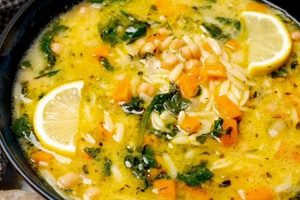
A plant-based variation of a traditional Italian-inspired culinary creation. It features creamy white beans, hearty kale, aromatic vegetables, and flavorful broth, all crafted without the use of any animal products. As an example, a chilled portion of this soup can be a refreshing starter on a warm day.
This nourishing dish offers several advantages. It provides a rich source of plant-based protein and fiber from the beans, vitamins and antioxidants from the kale, and is generally low in fat. Historically, similar hearty bean soups have been a staple in Tuscan cuisine, prized for their affordability and nutritional value, adapted here to suit a vegan diet.
The subsequent sections will delve into specific aspects, including preparation methods, variations on the base recipe, potential nutritional benefits, and serving suggestions to enhance the culinary experience.
Preparation Recommendations
The following recommendations offer practical guidance for achieving optimal results when preparing this dish.
Tip 1: Bean Selection: Employ high-quality dried white beans, such as cannellini or Great Northern, for the most authentic flavor and creamy texture. Soaking the beans overnight is crucial for reducing cooking time and improving digestibility.
Tip 2: Kale Preparation: Remove the tough stems from the kale leaves. Massage the kale with olive oil and lemon juice to tenderize it and enhance its flavor profile before adding it to the soup.
Tip 3: Aromatic Base: Sauting finely diced onions, carrots, and celery in olive oil creates a robust aromatic base that significantly contributes to the overall flavor complexity. Ensure the vegetables are softened before proceeding to the next step.
Tip 4: Broth Selection: Opt for a high-quality vegetable broth with low sodium content to control the overall sodium levels in the final product. Homemade vegetable broth is preferable for a superior flavor profile.
Tip 5: Simmering Process: Allow the soup to simmer gently for an extended period to allow the flavors to meld together. Partial blending, using an immersion blender, can enhance the creamy consistency without eliminating all texture.
Tip 6: Seasoning Adjustment: Taste frequently and adjust seasoning as needed. Key seasonings include salt, black pepper, dried oregano, and red pepper flakes. A squeeze of lemon juice at the end brightens the flavors.
Tip 7: Olive Oil Enhancement: Drizzle a generous amount of high-quality extra virgin olive oil over each serving to enrich the flavor and provide a pleasant mouthfeel.
Adhering to these recommendations will contribute to a flavorful, texturally pleasing, and nutritionally balanced final product.
The subsequent section will provide information on potential variations to personalize the recipe.
1. Plant-based

The “Plant-based” attribute is fundamental to the very definition of the dish. It dictates the exclusion of all animal products, ensuring ingredients are derived solely from plant sources. This restriction directly impacts ingredient selection, preparation techniques, and ultimately, the nutritional profile of the final product. For example, a traditional Tuscan white bean and kale soup might incorporate pancetta or chicken broth for added flavor. However, in the plant-based adaptation, these are replaced with olive oil for richness and vegetable broth for depth of flavor, respectively. The absence of animal products necessitates a reliance on the inherent flavors of the vegetables, beans, and herbs to create a satisfying and complex dish.
The significance of the “Plant-based” component extends beyond simple ingredient substitution. It aligns the dish with a specific dietary philosophy emphasizing health, environmental sustainability, and ethical considerations regarding animal welfare. The plant-based nature of this soup makes it accessible to individuals adhering to vegan diets, as well as those seeking to reduce their meat consumption for health or environmental reasons. Furthermore, the selection of plant-based ingredients influences the nutritional composition of the soup. It provides a source of plant-based protein, fiber, vitamins, and minerals, while remaining low in saturated fat and cholesterol, offering benefits associated with a plant-forward dietary pattern.
In summary, the “Plant-based” attribute is not merely a characteristic of the soup; it is its defining principle. It determines the ingredients, techniques, and nutritional qualities, aligning the dish with a specific dietary ideology and expanding its accessibility to a broader audience. Understanding the role of “Plant-based” is crucial for correctly preparing the soup, appreciating its health benefits, and recognizing its place within a larger context of sustainable and ethical eating practices.
2. Italian-inspired

The designation “Italian-inspired” serves as a crucial indicator of the culinary heritage and stylistic foundations of the dish. It suggests a connection to traditional Italian flavors, ingredients, and cooking techniques, albeit within the parameters of a vegan adaptation. This connection shapes expectations regarding the soup’s flavor profile, texture, and overall culinary experience.
- Regional Tuscan Influence
Tuscany, a region in Italy, is known for its simple, rustic cuisine that emphasizes fresh, seasonal ingredients. The white beans, particularly cannellini beans, are a staple in Tuscan cooking and form the heart of many traditional dishes. The inclusion of kale, while perhaps a more modern addition reflecting increased awareness of its nutritional benefits, aligns with the Tuscan emphasis on incorporating leafy greens into the diet. The use of olive oil, garlic, and herbs like oregano and rosemary further reinforces the Tuscan connection, mirroring the characteristic flavors of the region. For instance, Ribollita, a well-known Tuscan bread and vegetable soup, shares similarities in its use of beans, greens, and stale bread, providing a culinary precedent.
- Simplicity and Freshness
Italian cuisine, especially that of Tuscany, often prioritizes simplicity, allowing the natural flavors of the ingredients to shine. The absence of complex sauces or excessive spices in the soup reflects this principle. The focus is on using high-quality, fresh ingredients and preparing them in a way that preserves their inherent character. For example, the beans are typically cooked until creamy and tender, but not overcooked to the point of losing their shape. The kale is added towards the end of the cooking process to retain its texture and vibrant green color. This emphasis on simplicity is a hallmark of Italian cooking and is readily apparent in the vegan adaptation of this soup.
- Adaptation and Interpretation
The term “Italian-inspired” also acknowledges that the dish is not necessarily a direct replica of a traditional Tuscan recipe. It allows for a degree of interpretation and adaptation to accommodate dietary restrictions (veganism) and individual preferences. For example, a traditional Tuscan version might include Parmesan cheese or pancetta, which are omitted in the vegan adaptation. Instead, nutritional yeast may be used to provide a cheesy flavor, or smoked paprika might be added to mimic the smoky notes of pancetta. These adaptations are made in the spirit of Italian cuisine, which has always been open to incorporating new ingredients and techniques, while maintaining a commitment to flavor and quality.
- Emphasis on Olive Oil
Extra virgin olive oil is a cornerstone of Tuscan cooking and plays a crucial role in both flavor and texture of this soup. A generous drizzle of high-quality olive oil is typically added at the end of the cooking process, not only to enhance the flavor but also to provide a silky mouthfeel. The olive oil serves as a vehicle for the flavors of the other ingredients, bringing them together and creating a harmonious blend. Its richness also balances the earthiness of the beans and the slight bitterness of the kale. The use of olive oil, therefore, is not merely a cooking technique but an integral part of the “Italian-inspired” character of the soup.
In conclusion, the “Italian-inspired” label signifies a clear lineage to Tuscan culinary traditions, emphasizing the use of white beans, kale (or similar greens), fresh ingredients, and olive oil. While adapting to vegan constraints, the recipe retains the essence of Tuscan simplicity and flavor, demonstrating how culinary heritage can be honored and reinterpreted to meet contemporary dietary needs and preferences. This connection is vital for understanding the dish’s origins and appreciating its position within the broader context of Italian cuisine.
3. Nutrient-rich
The designation “Nutrient-rich” emphasizes the substantial health benefits derived from consuming the dish. The interplay of ingredients, specifically white beans and kale, contributes significantly to its overall nutritional value. The following points detail key facets of the “Nutrient-rich” characteristic in relation to this vegan soup.
- Macronutrient Profile
White beans are a noteworthy source of plant-based protein and complex carbohydrates, providing sustained energy and promoting satiety. The high fiber content aids in digestion and helps regulate blood sugar levels. This contrasts with simple carbohydrate sources that may cause rapid spikes and dips in blood glucose. The addition of olive oil contributes healthy monounsaturated fats, essential for various bodily functions, including hormone production and nutrient absorption.
- Micronutrient Density
Kale is a nutritional powerhouse, abundant in vitamins A, C, and K, as well as minerals like calcium and iron. Vitamin A supports vision and immune function, vitamin C acts as an antioxidant protecting against cellular damage, and vitamin K is vital for blood clotting and bone health. Calcium contributes to bone strength, while iron is essential for oxygen transport in the blood. The combination of these micronutrients enhances the overall nutritional profile.
- Antioxidant Properties
Both kale and white beans contain various antioxidants, including flavonoids and carotenoids. These compounds help neutralize free radicals in the body, reducing oxidative stress and inflammation, which are linked to chronic diseases such as heart disease and cancer. The presence of these antioxidants contributes to the protective qualities of the dish.
- Fiber Content and Gut Health
The high fiber content in both white beans and kale supports a healthy gut microbiome, fostering the growth of beneficial bacteria. A diverse and balanced gut microbiome is crucial for immune function, nutrient absorption, and overall well-being. This soup, therefore, contributes to a healthy digestive system.
In summary, the “Nutrient-rich” characteristic of this soup is multifaceted, stemming from the combined nutritional contributions of its core ingredients. The soup provides a balance of macronutrients, a wealth of micronutrients, significant antioxidant activity, and a substantial dose of fiber. Consuming this dish contributes towards meeting daily nutrient requirements and supporting overall health.
4. Hearty texture

The “Hearty texture” is a defining characteristic. It contributes significantly to the sensory experience and overall satisfaction derived from consuming the dish. This texture arises from the combination of creamy white beans, substantial kale leaves, and other vegetables, each cooked to an optimal consistency. The beans, partially broken down during simmering, create a thick and velvety base, while the kale retains a slight bite, providing textural contrast. The vegetables, typically diced, contribute further to the heterogeneous texture. This combination prevents the soup from becoming a monotonous liquid, offering a more engaging and satisfying culinary experience. The “Hearty texture” transforms a simple broth-based preparation into a substantial and comforting meal. For example, a purely liquid soup may leave a feeling of incomplete satiety, while this offering provides a tangible sense of fullness and nourishment.
The importance of achieving this particular texture lies in its ability to enhance the perceived nutritional value and overall palatability of the dish. The heartiness evokes feelings of warmth and sustenance, making it particularly appealing during colder months. Furthermore, the substantial texture encourages mindful eating, promoting slower consumption and greater appreciation of the flavors. From a practical standpoint, this texture can be manipulated through various preparation techniques. The beans can be blended partially or entirely for a creamier consistency, while the kale can be added later in the cooking process to retain its firmness. Some chefs incorporate other vegetables, such as potatoes or carrots, to further enhance the textural complexity. The absence of this textured quality would result in a noticeably less satisfying culinary experience.
In conclusion, the “Hearty texture” is not merely a superficial characteristic but rather an essential component that significantly contributes to the success. The deliberate combination of ingredients and cooking techniques ensures a satisfying and substantial meal. Recognizing the importance of this textural element allows for adjustments to the recipe, tailoring the dish to individual preferences while maintaining its core characteristics and appeal.
5. Aromatic flavors

The “Aromatic flavors” characteristic is integral to the appeal and overall success of vegan tuscan white bean and kale soup. These aromas are not merely incidental; they are deliberately cultivated through specific ingredient choices and cooking techniques, contributing significantly to the perception of taste and palatability. The foundation of these aromas typically stems from the sauting of aromatic vegetables such as onions, garlic, carrots, and celery in olive oil. This process releases volatile compounds that form the initial layer of the flavor profile. Herbs, such as dried oregano, rosemary, and thyme, are then added, further enriching the aromatic complexity. A lack of attention to this aromatic base can result in a bland and unappetizing final product. For example, omitting garlic or under-sauting the onions will significantly diminish the soup’s overall flavor and appeal.
The specific combination of aromatic ingredients used directly influences the perceived character of the soup. Garlic provides a pungent and savory note, while onions offer sweetness and depth. Carrots contribute a subtle sweetness and earthy aroma, while celery adds a slightly peppery and vegetal element. The herbs provide distinct and complementary aromas that enhance the overall flavor profile. Dried oregano contributes a warm, slightly bitter, and herbaceous aroma characteristic of Italian cuisine. Rosemary adds a piney and resinous note, while thyme provides an earthy and slightly minty aroma. These aromas work synergistically to create a complex and inviting sensory experience. Moreover, the quality of the olive oil used plays a crucial role. High-quality extra virgin olive oil contributes a fruity and peppery aroma that enhances the overall aromatic complexity. A bland or rancid olive oil can negatively impact the aroma and flavor of the soup.
In conclusion, the deliberate construction of “Aromatic flavors” is a key determinant of the culinary success of vegan tuscan white bean and kale soup. The careful selection and preparation of aromatic vegetables, herbs, and olive oil are essential for creating a complex and inviting sensory experience. Understanding the specific contributions of each aromatic ingredient allows for adjustments to the recipe, tailoring the flavor profile to individual preferences while maintaining the core characteristics of the dish. Neglecting this aromatic dimension will inevitably result in a less satisfying and appealing culinary outcome.
6. Adaptable

The attribute “Adaptable” is fundamental to the enduring popularity and broad applicability of vegan Tuscan white bean and kale soup. This inherent flexibility allows for variations that cater to individual dietary needs, ingredient availability, and culinary preferences, while still maintaining the essence of the dish. A direct cause of this adaptability stems from the relatively simple base recipe, which readily accommodates substitutions and additions without fundamentally altering the character of the soup. For example, if kale is unavailable, spinach or chard can be substituted, resulting in a similar nutritional profile and textural element. The type of white bean is also flexible; cannellini, Great Northern, or even Navy beans can be used interchangeably depending on what is accessible.
The importance of adaptability is highlighted by its practical implications for diverse culinary contexts. In regions where certain ingredients are scarce or expensive, substitutions can be made to ensure the dish remains affordable and accessible. For individuals with specific dietary restrictions beyond veganism, such as gluten intolerance, adjustments can be made by ensuring the vegetable broth used is gluten-free and avoiding the addition of croutons or other wheat-based toppings. Furthermore, the soup can be modified to suit different flavor preferences. Some may prefer a spicier version, achieved by adding red pepper flakes or chili oil, while others may opt for a more herbaceous profile, incorporating fresh herbs like parsley or basil. Real-life examples of this adaptation include online recipe variations showcasing regional ingredient substitutions and personal blogs detailing modifications made to accommodate allergies or aversions. This adaptability ensures that the soup can be enjoyed by a wide range of individuals, regardless of their specific circumstances.
In conclusion, the adaptability of vegan Tuscan white bean and kale soup is a crucial aspect of its culinary significance. This characteristic enables it to be tailored to individual needs, cultural contexts, and ingredient availability, expanding its reach and ensuring its continued relevance. While maintaining the core flavors and nutritional benefits, the soup can be transformed to suit a variety of preferences and dietary requirements. This flexibility ensures that it remains a versatile and accessible dish for a wide audience. The challenge, however, lies in preserving the original essence and intention of the recipe while implementing these adaptations. Skillful adjustments ensure the dish remains true to its Tuscan-inspired roots while accommodating modern culinary demands.
Frequently Asked Questions
The following questions address common inquiries regarding the preparation, ingredients, and nutritional aspects of this specific culinary creation.
Question 1: Can frozen kale be used in place of fresh kale?
Yes, frozen kale is an acceptable substitute for fresh kale. It is recommended to thaw and drain the frozen kale thoroughly before adding it to the soup to prevent excess moisture.
Question 2: What are the best white bean varieties to use in the soup?
Cannellini beans, also known as white kidney beans, are typically preferred due to their creamy texture and mild flavor. Great Northern beans are a suitable alternative, offering a similar texture and flavor profile. Navy beans can also be used, although their smaller size may result in a slightly different consistency.
Question 3: How can the soup be thickened without using flour or other thickening agents?
The soup can be thickened by partially blending a portion of it using an immersion blender or a regular blender. Alternatively, a portion of the cooked white beans can be mashed and stirred back into the soup to increase its thickness.
Question 4: Can this soup be made in a slow cooker or Instant Pot?
Yes, this soup is suitable for preparation in a slow cooker or Instant Pot. When using a slow cooker, the ingredients should be combined and cooked on low for 6-8 hours or on high for 3-4 hours. When using an Instant Pot, the ingredients should be combined and cooked on high pressure for 10-15 minutes, followed by a natural pressure release for 10 minutes.
Question 5: How long does vegan Tuscan white bean and kale soup last in the refrigerator?
When stored properly in an airtight container, the soup will typically last for 3-4 days in the refrigerator. It is important to ensure that the soup has cooled completely before refrigerating it.
Question 6: Is this soup suitable for freezing?
Yes, this soup freezes well. It should be cooled completely before transferring it to freezer-safe containers or bags. Properly frozen, the soup can be stored for up to 2-3 months. Thawing in the refrigerator overnight is recommended before reheating.
These FAQs provide concise answers to common questions, aiding in a better understanding and successful preparation of the dish.
The next segment will address potential recipe variations to accommodate different dietary needs and preferences.
Conclusion
The preceding discussion explored various facets of vegan tuscan white bean and kale soup, from its plant-based foundation and Italian-inspired origins to its nutrient-rich composition, hearty texture, aromatic flavors, and adaptable nature. Each characteristic contributes to the overall appeal and nutritional value of this culinary creation. Detailed preparation recommendations, answers to frequently asked questions, and insights into potential variations were also provided.
The information presented underscores the potential for plant-based adaptations of traditional dishes to offer both culinary satisfaction and nutritional benefits. Further exploration into such adaptations is warranted, with the goal of promoting sustainable and healthy eating practices. Continued culinary experimentation and ingredient innovation will likely yield further refinements and diverse interpretations of this already versatile and appealing soup.