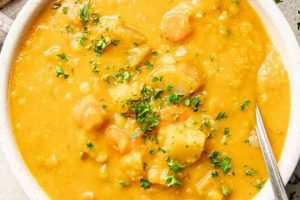
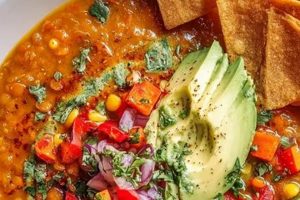
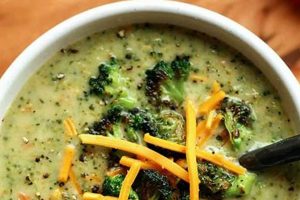
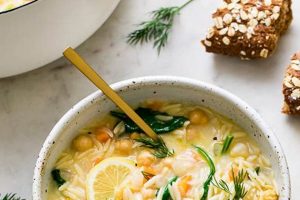
A culinary formulation, primarily plant-based, utilizes wild rice as a key ingredient in a liquid preparation. This dish eschews all animal products, relying on vegetables, grains, and potentially nuts or seeds for both flavor and texture. Examples include a creamy preparation using coconut milk and mushrooms, or a broth-based version with carrots, celery, and herbs.
Such a preparation offers several advantages. It provides a source of plant-based protein and fiber, contributing to dietary balance. The inherent nutritional value of wild rice, coupled with the added vitamins and minerals from vegetables, makes it a healthful option. Historically, wild rice has been a staple food for indigenous populations in North America, and its integration into contemporary cuisine reflects a growing interest in both traditional foods and plant-based diets.
The subsequent sections will delve into specific ingredients suitable for achieving desirable textures and flavors, explore different methods for preparing this type of dish, and address common considerations related to ingredient sourcing and dietary restrictions beyond the basic exclusion of animal products.
Enhancing the Vegan Wild Rice Soup
Optimizing the creation of a plant-based wild rice dish requires careful consideration of ingredients and techniques. The following guidelines provide practical advice for achieving optimal results.
Tip 1: Wild Rice Preparation. Prior to integration with other ingredients, thoroughly rinse the wild rice under cold water. This removes excess starch and enhances the final texture, preventing a gummy consistency.
Tip 2: Achieving Creaminess. Employing blended cashews or coconut milk offers a dairy-free method for achieving a creamy texture. Soaking cashews in hot water for at least 30 minutes prior to blending will ensure a smooth consistency.
Tip 3: Flavor Depth. A robust vegetable broth forms the foundation of the flavor profile. Enhancing the broth with dried mushrooms or smoked paprika can add layers of complexity.
Tip 4: Vegetable Selection. Root vegetables, such as carrots and parsnips, provide sweetness and texture. Sauting these vegetables before adding the broth deepens their flavor.
Tip 5: Herbaceous Elements. Fresh herbs, such as thyme and sage, contribute aromatic complexity. Adding these towards the end of the cooking process preserves their volatile oils and maximizes their impact.
Tip 6: Mushroom Sauting. Sauting mushrooms separately before adding them to the pot allows for maximum caramelization. This technique ensures a richer, more savory flavor profile within the dish.
Tip 7: Balancing Flavors. Incorporating a touch of acidity, such as lemon juice or apple cider vinegar, balances the richness of the dish and brightens the overall flavor profile.
Strategic application of these techniques ensures a more flavorful and texturally appealing dish. Attention to ingredient preparation and flavor layering elevates this plant-based dish to its full potential.
The concluding section will offer variations on this preparation, accommodating specific dietary needs and preferences.
1. Creaminess Optimization

Creaminess Optimization is a critical element in achieving a palatable and satisfying plant-based wild rice preparation. The absence of dairy requires strategic ingredient selection and preparation techniques to replicate the desired texture and mouthfeel traditionally associated with creamy soups. Successful creaminess optimization elevates the overall sensory experience, making the dish more appealing.
- Plant-Based Dairy Substitutes
The primary approach involves utilizing plant-based alternatives to dairy. Coconut milk, particularly full-fat varieties, provides a rich, creamy base due to its high fat content. Cashew cream, created by blending soaked cashews with water, offers a neutral flavor and smooth texture. Oat milk, while lower in fat than coconut milk, can contribute to a subtle creaminess. Each substitute has its own flavor profile that will subtly alter the overall character of the dish.
- Starch Integration and Reduction
Starches present in ingredients like wild rice and potatoes can contribute to a thickening effect, which can be leveraged to enhance creaminess. However, excessive starch can lead to a gummy texture. Proper rinsing of wild rice prior to cooking helps mitigate this issue. In some formulations, a small amount of cornstarch slurry may be added to fine-tune the soup’s viscosity.
- Emulsification Techniques
Proper emulsification is vital for maintaining a homogenous and creamy texture. Blending the soup, either partially or entirely, helps to break down solid particles and create a smoother consistency. Using an immersion blender directly in the pot is a convenient method. The addition of a small amount of oil, such as olive oil, can aid in emulsifying the ingredients.
- Vegetable Purees
Certain vegetables, when pureed, contribute significantly to creaminess without relying solely on fats. Roasted butternut squash, pureed potatoes, or cooked and blended cauliflower add body and a subtly sweet flavor, enriching the texture while contributing nutritional value. These purees can be integrated seamlessly, enhancing both the texture and flavor profile of the soup.
Therefore, optimizing for creaminess in plant-based wild rice preparations requires a multifaceted approach. The selection of appropriate dairy substitutes, careful management of starch content, effective emulsification techniques, and strategic incorporation of vegetable purees all contribute to a final product that delivers the desired creamy texture. These techniques ensure the dish remains both plant-based and satisfying.
2. Flavor Depth Enhancement

Flavor depth enhancement constitutes a critical factor in elevating the palatability of plant-based wild rice preparations. Due to the absence of animal-derived ingredients, achieving complex and nuanced flavors necessitates strategic deployment of specific culinary techniques and ingredients. Without deliberate intervention, plant-based soups may exhibit a lack of richness or a perceived blandness. Successful flavor depth enhancement transforms a simple preparation into a more complex and satisfying culinary experience.
The enhancement process frequently involves building layers of flavor through various methods. Sauting aromatic vegetables such as onions, garlic, and celery in olive oil before adding the broth creates a foundational flavor base. Incorporating dried mushrooms, such as shiitake or porcini, which have been rehydrated and their soaking liquid added to the broth, imparts umami notes. Spices, including smoked paprika, thyme, and bay leaf, further contribute to the flavor profile. Toasted nuts or seeds, such as pecans or sunflower seeds, introduce both flavor and textural complexity. A small amount of acid, like lemon juice or apple cider vinegar, brightens the flavors and prevents the soup from tasting flat. Roasting vegetables like butternut squash or carrots before adding them to the soup can also deepen their flavor through caramelization.
Ultimately, achieving effective flavor depth in a plant-based wild rice soup requires a deliberate and multi-faceted approach. By carefully selecting ingredients and employing appropriate culinary techniques, a preparation can be transformed from a basic soup into a richly flavored and satisfying dish. Overlooking this aspect often results in a less appealing final product, while skillful execution elevates the culinary experience. This understanding provides a solid foundation for creating delicious and nutritious plant-based wild rice soups.
3. Wild Rice Preparation
Proper preparation of wild rice is paramount to the success of any culinary application, particularly in a plant-based wild rice soup formulation. The characteristics of the grain, its inherent starch content, and its cooking properties all necessitate specific preparation techniques to ensure optimal texture and flavor in the final dish. Neglecting these considerations can result in an unpalatable product.
- Rinsing and Soaking
Rinsing wild rice under cold water prior to cooking removes excess surface starch. This step prevents the formation of a gummy or sticky texture during cooking, which can detract from the overall eating experience. Soaking, while not strictly required, can reduce cooking time and further soften the grain. The implication for a plant-based wild rice soup is a clearer, more refined broth and a more pleasant mouthfeel.
- Cooking Methods and Ratios
Wild rice can be cooked using various methods, including boiling, steaming, and simmering. The recommended water-to-rice ratio typically ranges from 3:1 to 4:1. Overcooking results in a mushy texture, while undercooking leaves the grains tough and chewy. In the context of a plant-based soup, cooking the rice separately before adding it to the broth allows for greater control over the final texture and prevents excessive thickening of the liquid.
- Assessing Doneness
Determining when wild rice is fully cooked requires careful observation. The grains should be tender and slightly expanded, with a characteristic split along their length. Taste-testing is essential to ensure the rice is neither too firm nor too soft. In a plant-based soup, achieving the correct level of doneness ensures the rice integrates seamlessly with the other ingredients and contributes to a cohesive texture.
- Storage Considerations
Cooked wild rice can be stored in the refrigerator for several days. Proper cooling and storage prevent bacterial growth and maintain the quality of the grain. For use in a plant-based wild rice soup, refrigerating the cooked rice separately from the broth and other ingredients allows for better control over the final texture and prevents the rice from absorbing excess liquid over time.
The meticulous preparation of wild rice, encompassing rinsing, proper cooking techniques, and careful assessment of doneness, directly impacts the quality and texture of the final plant-based soup. By adhering to these guidelines, one can ensure the grain contributes positively to the dish, enhancing its overall flavor and nutritional value. Failure to properly prepare the wild rice undermines the entire formulation, regardless of other ingredient selections or culinary techniques employed.
4. Vegetable Selection

Vegetable selection is a critical determinant of the flavor profile, nutritional content, and overall textural characteristics of a plant-based wild rice soup. Strategic choices in vegetable components can elevate a simple preparation to a complex and satisfying culinary experience, while ill-considered choices can result in a bland or texturally unappealing dish. Therefore, a comprehensive understanding of the role and implications of vegetable selection is essential.
- Foundation Vegetables (Aromatics)
Onions, celery, and carrots typically form the aromatic base of many soup preparations, including plant-based wild rice variations. These vegetables, when sauted, release volatile compounds that create a savory foundation upon which other flavors are built. The specific ratio of these vegetables, as well as the cooking time, influences the intensity and sweetness of the base flavor profile. For example, a greater proportion of carrots can impart a sweeter note, while a longer cooking time can enhance the caramelization and deepen the savory aspects.
- Body and Texture Vegetables
These vegetables contribute substance and textural variety to the soup. Root vegetables such as parsnips and potatoes add creamy textures when cooked and blended, while hardy greens such as kale or spinach provide contrasting textures and visual appeal. The selection depends on the desired consistency; potatoes create a thicker, creamier soup, whereas kale adds a slightly bitter counterpoint. Furthermore, the method of preparation, whether diced, sliced, or pureed, affects the final mouthfeel.
- Flavor Enhancing Vegetables
Certain vegetables contribute distinct and concentrated flavors. Mushrooms, for example, impart umami notes that enhance the savory character of the soup. Roasted butternut squash provides sweetness and a creamy texture, while bell peppers can introduce a subtle sweetness and slight bitterness. The choice of these vegetables allows for fine-tuning of the flavor profile, catering to specific preferences or dietary needs. The inclusion of sun-dried tomatoes, for instance, can introduce concentrated umami and acidity.
- Nutritional Profile Considerations
Vegetable selection significantly impacts the nutritional composition of the soup. Dark leafy greens contribute vitamins A and K, while root vegetables provide sources of fiber and complex carbohydrates. The inclusion of a diverse range of vegetables ensures a more comprehensive spectrum of vitamins, minerals, and antioxidants. Considering the dietary goals of the soup is crucial, such as maximizing iron content by including spinach or enhancing vitamin C levels with bell peppers.
In summary, the strategic selection of vegetables is a pivotal aspect of crafting a palatable, nutritious, and visually appealing plant-based wild rice soup. The thoughtful combination of foundational aromatics, body and texture contributors, flavor enhancers, and a consideration of nutritional profile allows for the creation of a culinary product that is both satisfying and beneficial. The interplay between these vegetable categories provides extensive opportunity for culinary creativity and customization to meet specific needs and preferences.
5. Herbaceous Integration

Herbaceous integration represents a crucial element in the formulation of plant-based wild rice soup, significantly influencing the final aromatic profile and overall flavor complexity. The strategic deployment of herbs, both fresh and dried, can elevate a simple soup to a more sophisticated culinary experience, compensating for the absence of animal-derived flavors.
- Fresh Herb Incorporation Timing
The point at which fresh herbs are incorporated into the cooking process significantly impacts the final flavor. Adding delicate herbs such as parsley, chives, or cilantro towards the end of cooking preserves their volatile oils, resulting in a brighter, more pronounced aroma. Heartier herbs like thyme, rosemary, or sage can withstand longer cooking times and infuse the broth with their flavor throughout the process. The timing choice depends on the desired intensity and character of the herbaceous notes within the plant-based wild rice soup.
- Dried Herb Selection and Hydration
Dried herbs offer a concentrated source of flavor, but require proper hydration to fully release their aromatic compounds. Adding dried herbs early in the cooking process allows them to rehydrate and infuse the broth with their essence. The selection of dried herbs should complement the other ingredients. For instance, dried marjoram or oregano pairs well with savory vegetable combinations, while dried bay leaf provides a subtle background note of complexity. Considerations for plant-based variations would be avoiding any that may have been processed with animal products.
- Herb-Vegetable Synergy
Certain herb-vegetable pairings exhibit synergistic flavor relationships. Thyme complements root vegetables such as carrots and parsnips, enhancing their sweetness and earthiness. Sage pairs well with mushrooms, amplifying their umami notes. Chives add a fresh, onion-like flavor that enhances the overall vegetable profile of the soup. Understanding these synergistic relationships allows for targeted herb selection to enhance specific aspects of the plant-based wild rice soup.
- Regional and Cultural Variations
Herbaceous integration varies significantly across regional and cultural culinary traditions. Scandinavian variations may emphasize dill and parsley, while Mediterranean versions might incorporate oregano and rosemary. Southwestern preparations could feature cilantro and epazote. The choice of herbs can reflect the culinary heritage of the dish, adding depth and authenticity to the plant-based wild rice soup formulation. Understanding these regional variations broadens the culinary possibilities and allows for customization to specific flavor preferences.
The integration of herbs into plant-based wild rice soup is not merely an afterthought, but a strategic element that significantly influences the dish’s aromatic profile, flavor complexity, and cultural resonance. Proper timing, informed selection, and an understanding of herb-vegetable synergies are essential for achieving a well-balanced and satisfying plant-based culinary outcome. Thoughtful herbaceous integration transforms a simple soup into a dish with depth, character, and a connection to culinary traditions.
6. Acidity Balancing
Acidity balancing constitutes a critical, yet often subtle, element in the creation of palatable plant-based wild rice preparations. The absence of animal fats and inherent richness associated with traditional cream-based soups necessitates careful management of acidic components to prevent the dish from tasting flat or lacking depth. Successfully managing acidity ensures a more vibrant and well-rounded flavor profile.
- Role of Acidic Ingredients
Acidic ingredients function as flavor enhancers and palate cleansers within a culinary context. They counteract richness, balance sweetness, and stimulate saliva production, leading to a more engaging sensory experience. Examples include citrus juices (lemon, lime), vinegars (apple cider, balsamic), and fermented products (miso paste, sauerkraut). In a plant-based wild rice, a small amount of lemon juice can lift the earthy flavors of the wild rice and vegetables, while vinegar can add a subtle tang that complements the creamy texture.
- Application Techniques
The timing of acidic ingredient addition is crucial. Adding acid early in the cooking process can inhibit the breakdown of certain vegetables and affect their texture. Adding it towards the end, however, preserves its brightness and prevents it from dissipating. Moreover, the type of acidic ingredient and its concentration impact the final flavor. A dash of balsamic vinegar provides a complex, slightly sweet acidity, while a squeeze of lime offers a sharper, more vibrant note. Careful titration is essential to avoid overpowering the other flavors.
- Balancing with Sweet and Umami
Acidity operates in concert with other flavor dimensions, notably sweetness and umami. A touch of sweetness, whether from roasted vegetables or a small amount of maple syrup, can balance tartness and create a more harmonious flavor profile. Umami-rich ingredients, such as mushrooms or sun-dried tomatoes, add savory depth that complements acidity. For example, roasted butternut squash and a squeeze of lemon juice create a balance of sweet and tart in the soup, while mushrooms provide a savory counterpoint.
- Dietary Considerations and Alternatives
Specific dietary restrictions or preferences may necessitate adjustments to the type and source of acidity. For individuals sensitive to citrus, alternatives such as tamarind paste or verjuice can provide similar tartness without the allergenic compounds. Avoiding processed vinegars with added sugars is crucial for those monitoring sugar intake. In such cases, the use of naturally fermented ingredients with inherent acidity, such as sauerkraut or kimchi brine, may offer a more suitable alternative.
Effective acidity balancing is thus a nuanced art within the context of a plant-based wild rice soup. The strategic use of acidic ingredients, alongside careful consideration of timing, concentration, and flavor partnerships, allows for the creation of a dish that is both flavorful and well-balanced. A lack of attention to acidity can result in a soup that lacks vibrancy, while overzealous application can create an overly tart or sour taste. The thoughtful management of acidity is therefore essential for a satisfying and complex culinary outcome.
Frequently Asked Questions
The following addresses common inquiries and misconceptions surrounding the creation and consumption of plant-based wild rice soup formulations. The information presented aims to provide clarity and practical guidance for achieving optimal results.
Question 1: Is “vegan wild rice soup recipe” inherently bland due to the absence of animal products?
No. While traditional soup preparations often rely on meat-based broths and dairy products for richness, plant-based alternatives, when skillfully employed, can achieve comparable depth of flavor. Techniques such as using a high-quality vegetable stock, incorporating umami-rich ingredients like mushrooms and sun-dried tomatoes, and layering flavors through aromatic vegetables and herbs can compensate for the absence of animal products.
Question 2: What are suitable dairy substitutes to achieve a creamy texture in a “vegan wild rice soup recipe”?
Several plant-based dairy substitutes can effectively replicate the creamy texture associated with traditional cream-based soups. Options include full-fat coconut milk, cashew cream (made by blending soaked cashews), and oat milk. The choice depends on the desired flavor profile and dietary considerations. Coconut milk imparts a subtle coconut flavor, while cashew cream provides a more neutral taste. Proper emulsification techniques, such as using an immersion blender, are crucial for achieving a smooth consistency.
Question 3: How does the preparation of wild rice impact the final texture of a “vegan wild rice soup recipe”?
The manner in which wild rice is prepared significantly affects the texture of the resulting dish. Rinsing the rice under cold water prior to cooking removes excess surface starch, preventing a gummy or sticky texture. Cooking the rice separately from the broth allows for greater control over the final consistency. Overcooked wild rice becomes mushy, while undercooked rice remains tough. Achieving the correct level of doneness is essential for a pleasant mouthfeel.
Question 4: Can a “vegan wild rice soup recipe” provide adequate protein?
Yes. While wild rice itself contains a moderate amount of protein, incorporating other protein-rich plant-based ingredients can significantly enhance the overall protein content. Legumes, such as lentils or beans, add both protein and fiber. Nuts and seeds, such as chopped pecans or sunflower seeds, provide additional protein and healthy fats. Choosing a vegetable broth fortified with plant-based protein can also contribute to the nutritional profile.
Question 5: What are some common mistakes to avoid when preparing a “vegan wild rice soup recipe”?
Common errors include failing to properly rinse the wild rice, using a bland vegetable broth, under-seasoning the soup, and adding herbs too early in the cooking process, which can diminish their flavor. Overcooking the wild rice or neglecting to balance acidity can also negatively impact the final result. Attention to detail and careful execution of each step are crucial for a successful outcome.
Question 6: How can a “vegan wild rice soup recipe” be adapted to accommodate other dietary restrictions, such as gluten intolerance?
Adapting the soup for other dietary restrictions primarily involves verifying the gluten-free status of all ingredients. Ensuring that the vegetable broth does not contain any wheat-based thickeners or flavorings is essential. Tamari, a gluten-free soy sauce alternative, can be used in place of soy sauce to enhance umami flavor. Carefully reviewing ingredient labels and selecting certified gluten-free products is crucial for individuals with celiac disease or gluten sensitivity.
In conclusion, achieving a successful plant-based wild rice soup requires careful attention to ingredient selection, preparation techniques, and flavor balancing. Addressing common misconceptions and providing practical guidance contributes to a more confident and rewarding culinary experience.
The subsequent section will present specific recipe variations and adaptations.
Conclusion
This discourse provided a thorough examination of the plant-based wild rice culinary formulation, emphasizing the multifaceted aspects of ingredient selection, preparation methodologies, flavor enhancement strategies, and accommodations for diverse dietary requirements. Key elements, including creaminess optimization, wild rice preparation, herbaceous integration, vegetable selection, and acidity balancing, were presented as crucial factors in achieving a successful outcome. Common challenges and misconceptions were addressed to promote informed culinary practice.
The ability to craft a palatable and nutritious plant-based wild rice dish demands a strategic and informed approach. Mastery of the presented techniques and considerations will permit informed culinary practitioners to adapt and innovate within the framework of this versatile preparation. Continued exploration and refinement of these approaches will further enhance the potential of this culinary genre.