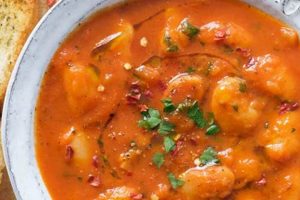
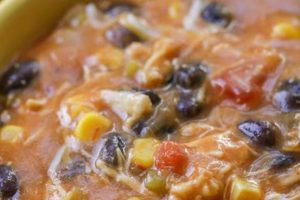
The culinary term refers to a plant-based adaptation of the traditional Thai coconut soup, Tom Kha. This variation excludes animal products like fish sauce or chicken broth, substituting them with ingredients such as vegetable broth, soy sauce, or other umami-rich components to maintain a savory flavor profile. Its core components typically include coconut milk, galangal (Thai ginger), lemongrass, kaffir lime leaves, chili peppers, mushrooms, and other vegetables.
Its appeal stems from its accessibility to individuals following a vegan lifestyle or those with dietary restrictions. The broth’s creamy texture and aromatic spice blend offer a comforting and flavorful experience while providing essential nutrients from the added vegetables and herbs. Historically, vegetarian and vegan adaptations of classic dishes have become increasingly prevalent, reflecting a growing awareness of ethical and environmental considerations in food consumption. This specific culinary iteration exemplifies a broader trend toward inclusive and adaptable cuisine.
The subsequent sections will delve into ingredient considerations, step-by-step preparation methods, and potential modifications to personalize the dish according to individual preferences.
Tips for Perfecting Vegan Tom Kha Soup
Achieving optimal flavor and texture in plant-based Tom Kha requires careful attention to ingredient selection and preparation techniques. The following tips provide guidance for producing a consistently satisfying result.
Tip 1: Prioritize Fresh Ingredients: The aromatic profile of the soup is heavily reliant on the quality of galangal, lemongrass, and kaffir lime leaves. Use fresh specimens whenever possible. Dried ingredients, while acceptable substitutes, will impart a less vibrant flavor.
Tip 2: Temper Coconut Milk: Avoid curdling by gradually introducing the coconut milk to the hot broth. Adding it directly from a cold state can cause separation, impacting the soup’s creamy consistency.
Tip 3: Develop Flavor Depth with Aromatics: Sauting the galangal, lemongrass, and chili peppers in a small amount of oil before adding the broth releases their essential oils and intensifies their flavor. Monitor closely to prevent burning.
Tip 4: Select High-Quality Vegetable Broth: The broth serves as the foundation of the soup’s flavor. Opt for a low-sodium variety to control the overall salt content. Consider using homemade broth for superior taste.
Tip 5: Adjust Sweetness and Sourness: Balance the flavors by adding a touch of sugar or lime juice, as needed. Palm sugar is a traditional ingredient, but granulated sugar or agave nectar can serve as substitutes. Taste frequently and adjust accordingly.
Tip 6: Utilize Umami-Rich Ingredients: To compensate for the absence of fish sauce, incorporate ingredients like soy sauce, tamari, or a small amount of mushroom seasoning to enhance the savory notes of the dish.
Tip 7: Consider Texture Variety: Incorporate a range of vegetables with varying textures, such as mushrooms, tomatoes, and tofu, to create a more complex and appealing mouthfeel.
By implementing these guidelines, a consistently flavorful and texturally appealing vegan Tom Kha soup can be readily achieved. The adherence to these practices contributes to a superior culinary outcome.
The subsequent section will outline variations and customizations applicable to the presented instructions, allowing for further personalization.
1. Galangal's Authentic Flavor

Galangal, also known as Thai ginger, constitutes a foundational element in the flavor profile of Tom Kha soup. Its distinctive contribution differentiates the soup from other coconut-based broths and is crucial to maintaining authenticity in a vegan adaptation.
- Uniqueness Compared to Ginger
While related to ginger, galangal possesses a distinct aroma and flavor. Its citrusy, earthy notes with hints of pine are markedly different from ginger’s spicier, warmer profile. Substituting common ginger for galangal will fundamentally alter the character of the Tom Kha, resulting in a less authentic taste.
- Impact on Aromatic Complexity
The inclusion of galangal contributes significantly to the aromatic complexity of the soup. Its volatile compounds, released during cooking, interact with other aromatics like lemongrass and kaffir lime leaves to create a layered and nuanced sensory experience. Omitting or substituting galangal diminishes the overall depth and richness of the soup’s aroma.
- Effect on Flavor Balance
Galangal’s flavor profile interacts with the other components of the soup, contributing to a balanced and harmonious taste. Its slightly peppery notes complement the sweetness of the coconut milk, the sourness of the lime juice, and the spiciness of the chili peppers. This interplay of flavors is essential for achieving the characteristic taste of Tom Kha. Without galangal, the flavor balance can be disrupted, leading to a soup that is either too sweet, too sour, or too spicy.
- Challenges in Vegan Adaptation
Maintaining the authenticity of the flavor presents unique challenges in creating a vegan version. Since traditional recipes often rely on fish sauce to provide umami, the absence of this ingredient necessitates alternative sources to complement the galangal. Careful selection of plant-based umami boosters, such as soy sauce or mushroom broth, is essential to ensure a balanced and flavorful final product.
The successful incorporation of galangal, therefore, requires not only its inclusion but also an understanding of its interaction with other ingredients. The absence of fish sauce in a vegan adaptation necessitates careful consideration of complementary flavors to maintain the overall authenticity and flavor balance of the dish.
2. Creamy Coconut Milk

Creamy coconut milk serves as a defining ingredient in plant-based Tom Kha, contributing significantly to the soup’s characteristic texture, flavor, and overall sensory experience. Its role extends beyond simply providing a liquid base; it imparts a richness and sweetness that are essential to the dish’s identity.
- Texture Enhancement
Coconut milk lends a smooth, velvety texture that is integral to the mouthfeel of Tom Kha. The high fat content emulsifies with the other ingredients, creating a luxurious consistency that distinguishes it from broth-based soups. Without coconut milk, the soup lacks the signature creamy quality, resulting in a thinner, less satisfying experience.
- Flavor Contribution
Beyond texture, coconut milk introduces a subtle sweetness that balances the savory and spicy elements of the soup. This sweetness complements the sour notes of lime juice and the heat of chili peppers, creating a harmonious flavor profile. In a vegan version, coconut milk can also compensate for the absence of richness typically derived from animal products, enhancing the overall flavor complexity.
- Vegan-Friendly Base
Coconut milk provides a readily available and ethically sound alternative to dairy cream in plant-based cooking. Its natural origin and creamy texture make it an ideal substitute for those avoiding animal products. This adaptability is particularly important in recreating traditionally non-vegan dishes like Tom Kha.
- Impact on Nutrient Profile
Coconut milk contributes essential fatty acids and other nutrients to the soup’s nutritional composition. While its high fat content should be considered in moderation, the fats present in coconut milk can contribute to satiety and enhance the absorption of fat-soluble vitamins from other ingredients. This nutrient contribution adds another layer to the overall benefits of the plant-based Tom Kha.
The consistent use of high-quality coconut milk ensures the desired texture, flavor, and overall experience of the plant-based Tom Kha. By prioritizing a rich and creamy coconut milk, one elevates the final dish to its true culinary potential.
3. Umami-Rich Substitutes
In the context of the plant-based Thai coconut soup, the absence of traditional fish sauce necessitates the incorporation of alternative ingredients capable of replicating its savory depth, characterized by the umami taste. These substitutes are essential for achieving a balanced and authentic flavor profile in the vegan adaptation.
- Soy Sauce Varieties
Soy sauce, particularly aged or dark varieties, contributes umami derived from fermented soybeans. Its complex flavor profile, encompassing both savory and slightly sweet notes, mimics the depth typically provided by fish sauce. The sodium content should be considered and adjusted accordingly.
- Mushroom Broth or Powder
Derived from dried mushrooms, this ingredient is abundant in glutamates, the compounds responsible for the umami taste. A concentrated mushroom broth or a small quantity of mushroom powder can significantly enhance the savory notes of the soup, providing a depth of flavor comparable to animal-based ingredients.
- Nutritional Yeast
This deactivated yeast product possesses a naturally savory flavor profile, often described as cheesy or nutty. While its flavor differs from fish sauce, its umami character can contribute to the overall savory complexity of the soup. It can be added directly to the broth during cooking.
- Seaweed-Based Ingredients
Kombu, nori, or wakame are seaweed varieties rich in glutamates. A small piece of kombu simmered in the vegetable broth can subtly enhance its umami character. Similarly, a sprinkle of toasted nori flakes can add a savory note to the finished dish.
These umami-rich substitutes compensate for the absence of fish sauce and are integral to successfully replicating the authentic flavor profile of a plant-based Tom Kha soup. By carefully selecting and incorporating these ingredients, a flavorful and satisfying vegan version can be consistently achieved.
4. Vegetable Broth Quality

The characteristics of the vegetable broth used in a vegan Tom Kha soup significantly influence the final flavor profile of the dish. A well-crafted broth provides a foundational layer of savory notes, complementing the other key ingredients. Inadequate broth can result in a bland or one-dimensional soup, failing to capture the complexity inherent in traditional recipes. For example, a commercially produced broth lacking depth can lead to a final product that necessitates over-reliance on other flavor enhancers, potentially unbalancing the delicate harmony of the soup. A homemade broth, simmered with a variety of vegetables, herbs, and spices, offers a greater opportunity to control the nuanced flavor and complexity, thus enabling a richer, more authentic Tom Kha experience.
The selection of vegetables used in the broth preparation directly impacts its flavor profile. Root vegetables, such as carrots and parsnips, impart sweetness, while alliums, such as onions and garlic, contribute savory notes. Herbs and spices, including bay leaves, peppercorns, and thyme, add aromatic complexity. The simmering time also influences the flavor intensity; prolonged simmering can result in a more concentrated and robust broth. If a pre-made vegetable broth is used, select low-sodium options to maintain control over the final dish’s salt content and to prevent overpowering other delicate flavors. Moreover, consider the origin and processing methods of commercial broths, as these factors may affect the presence of undesirable additives or artificial flavors.
In summary, the quality of the vegetable broth is paramount to the success of a plant-based Tom Kha soup. A carefully prepared or thoughtfully selected broth establishes a solid foundation upon which the other flavors can build, contributing to a more complex and satisfying final product. Challenges in achieving optimal broth quality can be mitigated by prioritizing homemade preparations or scrutinizing the ingredients and processing methods of commercially available options. The pursuit of high-quality broth aligns with the broader theme of elevating plant-based cuisine by emphasizing thoughtful ingredient selection and preparation techniques.
5. Balancing Sweetness/Sourness

Achieving equilibrium between sweet and sour notes represents a critical aspect of producing an authentic and palatable plant-based version. This balance directly influences the overall flavor profile, determining whether the finished dish achieves the characteristic complexity of traditional Tom Kha while adhering to vegan principles.
- The Role of Lime Juice
Lime juice contributes the sour element, essential for counterbalancing the richness of coconut milk and the umami notes from ingredients such as soy sauce. Insufficient lime juice results in a soup that is overly sweet and lacks the characteristic tang. Conversely, excessive lime juice can create an unpleasantly acidic flavor profile. The quantity of lime juice must be carefully calibrated, considering the acidity level of the specific limes used and the other ingredients present.
- Sources of Sweetness in the Dish
Coconut milk inherently provides a level of sweetness, though this may vary depending on the brand and fat content. Additional sweetness is often derived from ingredients like palm sugar, or, as a substitute, granulated sugar or agave nectar. The type of sweetener used can impact the overall flavor; palm sugar imparts a caramel-like note, while granulated sugar contributes pure sweetness. The chosen sweetener should complement, not overpower, the other flavors in the dish.
- Ingredient Interactions
The interplay between ingredients significantly influences the perceived balance of sweetness and sourness. For example, the addition of tomatoes can contribute both sweetness and acidity, requiring adjustments to the quantities of lime juice and added sugar. Similarly, the use of certain mushrooms can introduce earthy notes that require fine-tuning of the sweet-sour balance to achieve a harmonious flavor profile. The recipe should be regarded as a framework, with adjustments made based on individual ingredient characteristics.
- Impact on Overall Flavor Profile
A well-executed sweet-sour balance elevates the overall flavor profile of the plant-based Tom Kha. It allows the individual components the aromatics, the umami notes, and the creamy texture to coalesce into a cohesive and satisfying culinary experience. In contrast, an imbalance can lead to a dish that is either bland, cloying, or excessively acidic, detracting from the intended sensory experience. The judicious application of both sweet and sour elements is crucial for achieving the desired flavor complexity.
The careful calibration of sweetness and sourness is therefore paramount in preparing a successful plant-based iteration. By understanding the role of each ingredient and its impact on the overall flavor profile, it becomes possible to consistently reproduce the characteristic complexity and balance associated with authentic Tom Kha. This attention to detail distinguishes a well-executed dish from a merely acceptable one.
6. Texture and Variety

Texture and variety represent critical considerations in the preparation of plant-based Tom Kha. The absence of animal-derived ingredients often necessitates a deliberate focus on creating a multi-sensory experience through varied textures and diverse ingredient combinations. This approach directly impacts the overall palatability and satisfaction derived from the dish. The careful selection and preparation of ingredients to achieve textural contrast and flavor diversity can elevate a simple soup into a complex and engaging culinary experience. For example, the combination of tender mushrooms, firm tofu, and crisp vegetables contributes to a more interesting mouthfeel than a soup with predominantly soft or uniform textures.
The interplay between ingredient selection and preparation techniques directly influences the textural outcome. Silken tofu, for instance, provides a creamy element, while fried tofu offers a chewy contrast. The use of different mushroom varieties, such as oyster mushrooms for their delicate texture and shiitake for their meaty bite, adds further complexity. Vegetables, such as bamboo shoots or water chestnuts, contribute a crisp element, while cooked tomatoes introduce a soft, juicy component. Proper cooking times are essential; overcooked vegetables lose their texture, while undercooked ingredients can be unpleasant. Furthermore, varying cutting techniques such as dicing, slicing, or julienning can contribute to the textural diversity of the soup.
In summary, a mindful approach to texture and variety is essential for achieving a successful outcome. By incorporating a diverse range of ingredients and employing appropriate preparation techniques, the plant-based Tom Kha can achieve a multi-sensory experience that is both satisfying and flavorful. Neglecting these aspects can lead to a soup that lacks depth and interest, whereas a conscious effort to create textural contrast and flavor complexity can elevate the dish to its full culinary potential.
Frequently Asked Questions about Plant-Based Thai Coconut Soup Preparation
The following addresses common inquiries regarding the preparation of a plant-based iteration of the traditional Thai coconut soup, focusing on ingredient substitutions, techniques, and potential challenges.
Question 1: Can common ginger substitute for galangal?
Common ginger and galangal possess distinct flavor profiles. Galangal offers citrusy, earthy notes, while common ginger presents a spicier warmth. Substituting common ginger significantly alters the soup’s authenticity.
Question 2: What is the ideal coconut milk fat content?
Full-fat coconut milk is recommended for achieving a creamy texture and rich flavor. Reduced-fat options may be used, but will result in a thinner consistency and diminished richness. Adjustments to thickening agents may be necessary.
Question 3: How does one replicate the savory notes traditionally provided by fish sauce?
Soy sauce, mushroom broth, nutritional yeast, and seaweed-based ingredients serve as effective substitutes for fish sauce. Experimentation with combinations of these ingredients allows for nuanced umami flavor development.
Question 4: Is homemade vegetable broth superior to commercially available options?
Homemade vegetable broth offers greater control over flavor and sodium content. Select low-sodium commercial broths and scrutinize ingredient lists to mitigate potential additives.
Question 5: What are viable sweetener options beyond palm sugar?
Granulated sugar and agave nectar are acceptable substitutes for palm sugar. Palm sugar contributes a caramel-like note, whereas other options provide pure sweetness. Adjust quantities based on the desired flavor profile.
Question 6: How can one prevent coconut milk from curdling?
Tempering the coconut milk, by gradually introducing it to the hot broth, prevents curdling. Adding cold coconut milk directly to boiling broth increases the likelihood of separation.
Achieving a balanced flavor profile and desirable texture requires careful ingredient selection and meticulous attention to technique. The above answers serve as a guide for successfully replicating this dish while adhering to a plant-based diet.
The subsequent section will delve into advanced preparation techniques and regional variations, allowing for further refinement and personalization.
Conclusion
This article has detailed the essential components of a successful preparation. Emphasis has been placed on understanding the roles of key ingredients, such as galangal and coconut milk, and identifying appropriate plant-based substitutes for traditional elements like fish sauce. Furthermore, it has underscored the significance of achieving balance in flavor and texture to authentically replicate the essence of the dish.
The information presented serves as a foundation for culinary exploration and adaptation. It enables individuals to confidently approach the process, informed by a thorough understanding of the underlying principles. Continued experimentation and refinement will undoubtedly lead to personalized variations and an expanded appreciation for the versatility of plant-based cuisine, specifically within the context of adapting traditional dishes to modern dietary preferences. This exploration extends beyond mere replication; it promotes innovation and a deeper understanding of culinary traditions.