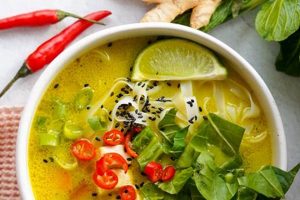
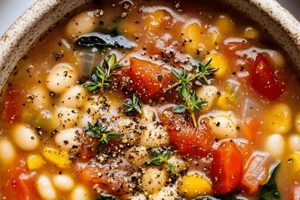
A plant-based culinary preparation featuring the vibrant root vegetable as its primary ingredient, excluding any animal-derived products. It is a variation of a traditional dish adapted to meet the dietary requirements and ethical considerations of individuals following a vegan lifestyle. An example of such a preparation would involve blending cooked beets with vegetable broth, seasonings, and potentially other vegetables like carrots and celery, omitting any dairy or meat components often found in non-vegan versions.
This dietary choice aligns with broader trends toward plant-based consumption, offering potential health benefits associated with a diet rich in vegetables. The advantages of such a meal may include increased fiber intake, antioxidant properties derived from the beets, and a lower saturated fat content compared to its non-vegan counterpart. Historically, variations of beet-based broths have been consumed across numerous cultures, evolving to accommodate diverse culinary traditions and ingredient availability.
The following sections will delve into the diverse range of approaches to crafting this dish, from ingredient selection and preparation techniques to variations in flavor profiles and nutritional considerations. Subsequent discussions will explore how this dish fits into different dietary patterns and cultural contexts, as well as address potential health benefits and common modifications.
Essential Preparation Strategies
This section outlines key strategies to optimize the creation of a plant-based beetroot broth, ensuring both flavor and nutritional integrity.
Tip 1: Select Fresh, Firm Beets: Opt for beets that are firm to the touch and free from blemishes. Fresh beets provide the most intense color and flavor. Smaller beets tend to be more tender and sweeter.
Tip 2: Roast for Enhanced Flavor: Roasting beets before adding them to the broth intensifies their natural sweetness and imparts a subtle smoky character. Wrap beets individually in foil with a drizzle of olive oil and roast at 400F (200C) until tender, typically 45-60 minutes.
Tip 3: Utilize Quality Vegetable Broth: The foundation of a flavorful broth is a high-quality vegetable stock. Consider making your own from vegetable scraps or opt for a low-sodium, commercially prepared version.
Tip 4: Incorporate Acid for Balance: A touch of acidity, such as lemon juice or vinegar, balances the sweetness of the beets and enhances the overall flavor profile. Add the acid gradually and adjust to taste.
Tip 5: Add Aromatic Herbs and Spices: Enhance the complexity of the dish by incorporating aromatic herbs and spices. Dill, caraway seeds, and bay leaf are common additions that complement the beet’s earthy flavor. Add spices sparingly, tasting as you go.
Tip 6: Consider Texture Variations: Blend a portion of the soup for a creamy texture while leaving some chunks of beet for added substance. This creates a more dynamic eating experience.
Tip 7: Adjust Seasoning Before Serving: Taste the broth thoroughly and adjust seasoning with salt and pepper as needed. Remember that flavors will intensify as the broth cools slightly.
Applying these strategies will contribute to a well-balanced, flavorful, and visually appealing plant-based beet preparation.
The following sections will further discuss serving suggestions and variations.
1. Vibrant Beet Selection

The selection of vibrant beets serves as a foundational element in the successful creation of a plant-based beet broth. The color intensity and inherent flavor profile of the beetroot directly influence the final characteristics of the dish. Beets exhibiting a deep, rich color are indicative of a higher concentration of betalains, the antioxidants responsible for their health benefits and visual appeal. For instance, using pale or dull-looking beets may result in a soup that lacks the characteristic vibrant hue and the desired earthy sweetness associated with authentic preparations. This is also about the water amount beetroots contain, where old beetroot tend to contain less amount of water which also means less rich nutrients for the soup.
The impact extends beyond aesthetics. The freshness and overall quality of the beet directly correlate with the intensity of flavor. Older beets, or those stored improperly, may develop a woody texture and a less pronounced taste, diminishing the overall sensory experience of the soup. Furthermore, beets that are not fresh are more likely to have lost some of their nutritional value. The practical significance of this understanding lies in the ability to proactively select ingredients that contribute positively to both the sensory and nutritional attributes of the final product. Imagine crafting this dish for a culinary competition; vibrant, fresh beets could be the decisive factor in securing a higher score based on both taste and visual presentation.
In summary, the emphasis on vibrant beet selection is not merely a superficial preference but a crucial consideration in the pursuit of a superior plant-based beet broth. The choice of beets directly impacts the soup’s color, flavor, texture, and nutritional value. Prioritizing fresh, intensely colored specimens enhances the overall quality of the final product and aligns with the intention of creating a healthful and visually appealing dish. This ultimately reflects a commitment to ingredient quality and a deep appreciation for the inherent characteristics of the core vegetable.
2. Plant-Based Broth Quality
The quality of plant-based broth serves as a critical determinant in the final character of a beet-based vegetable preparation. As the foundational liquid component, the broth significantly influences the overall flavor profile, nutrient content, and textural properties of the finished dish. Using a subpar broth, such as one with excessive sodium or artificial flavorings, directly detracts from the inherent earthiness and sweetness of the beets. The cause-and-effect relationship is demonstrable: a carefully crafted, flavorful broth amplifies the natural beet essence, while a bland or artificial broth masks it. A well-made broth provides the vehicle for the beets’ flavors to meld and express themselves fully.
The practical significance of this understanding is evident in the culinary results. For example, a homemade vegetable broth, simmered with aromatic vegetables like onions, carrots, and celery, imparts a depth of savory complexity that complements the beets. Conversely, a commercially produced broth laden with preservatives can introduce unwanted off-flavors and diminish the overall healthfulness of the soup. In a professional setting, chefs understand this connection implicitly, often dedicating significant time and resources to developing signature vegetable broths as a cornerstone of their menus. This demonstrates a commitment to ingredient quality and the pursuit of optimal flavor outcomes.
In summary, selecting or preparing a high-quality plant-based broth is not merely an ancillary step but a fundamental component of a successful plant-based beet broth. The broth serves as the canvas upon which the beets’ flavors are painted, and its quality dictates the overall artistic outcome. Addressing the challenge of finding or creating suitable broths requires diligence and attention to detail, but the resulting enhancement in flavor and nutritional value underscores the importance of this endeavor. This emphasis on broth quality aligns with the broader theme of plant-based cooking, which prioritizes fresh, whole ingredients and mindful preparation techniques.
3. Flavor Balancing Acidity

The strategic incorporation of acidity represents a critical refinement in the preparation of plant-based beetroot broth. Beets, by their nature, possess an inherent sweetness that, if left unchecked, can dominate the flavor profile. Acidity serves as a counterpoint, creating a more complex and palatable culinary experience. Without appropriate acidic balance, the dish risks becoming overly saccharine and lacking the desired savory depth.
- Modulating Sweetness Perception
Acidity effectively tempers the perception of sweetness, preventing it from becoming overwhelming. Ingredients such as lemon juice, vinegar (balsamic, apple cider, or red wine), or even a small amount of sour cream alternative (though technically adding a more complex flavor profile) provide a contrasting sensation that enhances the overall balance. Consider, for example, a preparation where the beets’ natural sugars are counteracted by a splash of apple cider vinegar, resulting in a more nuanced and engaging taste. The absence of this modulation could result in a dish that is perceived as one-dimensional and cloying.
- Enhancing Depth of Flavor
Acidity contributes to the complexity of the flavor profile by unlocking other inherent tastes present in the ingredients. It can brighten the earthy notes of the beets and elevate the subtle flavors of the herbs and spices used in the broth. The addition of a squeeze of lemon juice, for instance, can transform a somewhat muted broth into a vibrant and aromatic culinary experience. The interplay between sweet and sour creates a more stimulating and engaging sensation on the palate.
- Promoting Digestibility
Although less directly related to flavor, acidity can play a role in facilitating digestion. The introduction of acidic components may aid in the breakdown of certain plant-based compounds, potentially making the dish more easily tolerated by some individuals. However, the primary objective remains the enhancement of the sensory experience.
These facets underscore the importance of acidity in refining the flavor profile of plant-based beetroot broth. The judicious application of acidic elements prevents the sweetness of the beets from becoming overpowering, enhances the depth and complexity of the flavors, and contributes to a more balanced and satisfying culinary experience. Just as a painter uses contrasting colors to create visual interest, a chef employs acidity to achieve a harmonious and nuanced taste in this specialized preparation.
4. Aromatic Herb Infusion
The purposeful integration of aromatic herbs represents a nuanced technique to elevate the sensory experience of plant-based beet preparations. Aromatic herb infusion introduces layers of complexity and depth, transforming a simple vegetable broth into a more refined and flavorful dish. The selection and application of specific herbs should complement, rather than overwhelm, the inherent earthy sweetness of the beetroot.
- Complementary Flavor Profiles
Certain herbs exhibit a natural affinity for the flavor profile of beetroot. Dill, for instance, offers a subtle, slightly anise-like note that enhances the root vegetable’s sweetness without masking it. Similarly, parsley provides a fresh, clean counterpoint to the earthiness. These herbs contribute a distinct character that elevates the overall taste. Consider the difference between a broth seasoned solely with salt and pepper versus one infused with fresh dill the latter possesses a more vibrant and layered flavor profile. An amateur cook can instantly recognize that there’s more flavor by infusion.
- Balancing Earthiness
Beetroot can sometimes exhibit a strong earthy flavor, which may not appeal to all palates. Specific herbs, such as thyme or rosemary (used sparingly), can introduce subtle savory notes that balance the earthiness. These herbs contain volatile aromatic compounds that interact with the taste receptors, creating a more harmonious blend of flavors. Imagine a soup where the strong earthiness of the beetroot is tempered by the presence of rosemary, providing a more appealing and balanced taste. Too much of any herb, though, will overwhelm the root vegetable.
- Enhancing Aroma
Aromatic herbs not only contribute to the taste but also to the overall sensory experience through their aroma. The olfactory system plays a significant role in flavor perception, and the fragrance of herbs like bay leaf or caraway seeds can significantly enhance the enjoyment of the dish. The aroma of a simmering broth infused with these herbs creates an anticipatory experience, priming the palate for the flavors to come. This olfactory input contributes significantly to the perception of the “taste”.
- Nutritional Considerations
Beyond their flavor-enhancing properties, many aromatic herbs offer nutritional benefits. Herbs like parsley and dill are rich in vitamins and antioxidants, contributing to the overall healthfulness of the dish. While the amounts of these nutrients provided by the herbs may be small, their inclusion adds another layer of value to the plant-based beet preparation. When dealing with superfoods, every nutrient counts.
These facets highlight the critical role that aromatic herbs play in refining the sensory qualities of plant-based beetroot broth. The strategic selection and application of herbs can transform a simple vegetable dish into a culinary experience characterized by complexity, balance, and aromatic appeal. A plant-based beet preparation can achieve a greater sensory result through infusion.
5. Texture Contrast Optimization
Texture contrast optimization represents a significant element in the creation of a compelling plant-based beetroot broth, directly influencing the overall sensory experience. A monophasic texture, characterized by uniform smoothness, can diminish the perceived complexity of the dish. Conversely, strategic incorporation of textural variations elevates the eating experience, providing greater sensory interest and palatability. The absence of textural contrast can render the dish monotonous, while its presence transforms it into a dynamic culinary creation. For example, a completely pureed broth, while visually appealing, lacks the tactile stimulation provided by small pieces of beet or other vegetables.
The integration of diverse textures can be achieved through various techniques. Retaining a portion of the cooked beets in small, distinct pieces introduces a pleasing chewiness that contrasts with the smoothness of the blended portion. The addition of toasted seeds, such as pumpkin or sunflower seeds, provides a satisfying crunch. A swirl of plant-based yogurt or cream alternative can contribute a velvety smoothness that further enhances the textural mosaic. In practice, a chef might intentionally leave some beet pieces unblended, adding a small handful of toasted nuts just before serving, to provide a delightful textural contrast.
In summary, optimizing texture contrast is not merely an aesthetic consideration but a critical factor in crafting a plant-based beetroot broth. By deliberately incorporating a range of textures, from smooth to crunchy to chewy, a more engaging and satisfying sensory experience is achieved. Addressing the potential for monotony through thoughtful textural enhancements ensures a more complex and appealing dish.
Frequently Asked Questions
This section addresses common inquiries regarding the preparation, nutritional aspects, and variations of plant-based beet preparations.
Question 1: Can beetroot soup truly be flavorful without meat-based stock?
Yes. Achieving rich flavor hinges on using high-quality vegetable broth, roasting the beets, and incorporating aromatic herbs and spices. These elements contribute depth and complexity, compensating for the absence of meat-based ingredients.
Question 2: Is beetroot soup vegan nutritionally complete?
While a good source of vitamins, minerals, and fiber, it’s important to balance beet preparations with other nutrient-rich foods. The soup alone may lack sufficient protein and certain essential amino acids. Consider adding lentils or beans for a more balanced nutritional profile.
Question 3: What are the common mistakes to avoid when preparing beetroot soup vegan?
Overcooking beets, using bland broth, neglecting acidity, and insufficient seasoning are frequent errors. Overcooking can result in a mushy texture and loss of flavor. Proper preparation techniques mitigate these issues.
Question 4: Can other vegetables be added to beetroot soup vegan?
Yes, the addition of vegetables such as carrots, celery, potatoes, and cabbage can enhance the soup’s flavor, texture, and nutritional value. The specific choices can be adjusted to suit individual preferences and seasonal availability.
Question 5: How does beetroot soup vegan compare nutritionally to traditional beetroot soup?
The plant-based version is typically lower in saturated fat and cholesterol. However, the nutritional profile can vary depending on the specific ingredients used in each preparation. Always review the nutritional information of the ingredients.
Question 6: What are some creative ways to serve beetroot soup vegan?
Serve chilled as a refreshing summer soup or hot during colder months. Garnishes such as fresh dill, toasted seeds, or a swirl of plant-based yogurt can enhance the presentation and add textural interest. The serving method greatly determines the final dish result.
In summary, the appeal of plant-based beet preparations lies in their versatility, nutritional value, and potential for creative culinary expression. Careful ingredient selection and preparation techniques are essential to achieving a flavorful and satisfying dish.
The subsequent sections will explore advanced techniques and considerations.
Conclusion
The preceding sections have comprehensively explored various facets of beetroot soup vegan, encompassing its essential preparation strategies, quality factors, and common considerations. These discussions emphasize the importance of ingredient selection, technique, and nutritional awareness in crafting a successful plant-based beet preparation. From ensuring the vibrancy of the beets to carefully balancing flavors and textures, each element contributes to the dish’s overall appeal and nutritional value.
As dietary preferences evolve and the demand for plant-based options increases, a thorough understanding of dishes such as this becomes paramount. Further research and culinary exploration are encouraged to refine techniques and broaden the possibilities of plant-based cuisine. The continued pursuit of knowledge and innovation in this area holds the potential to enhance both individual well-being and the sustainability of food systems.