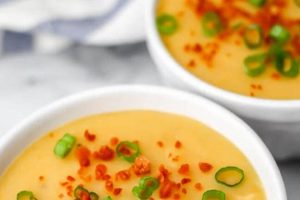
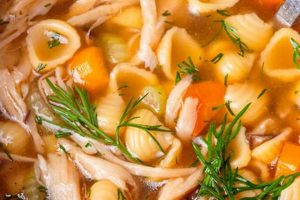
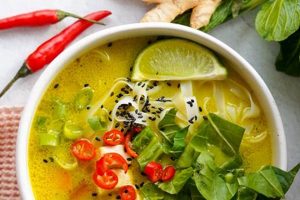
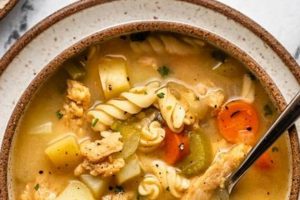
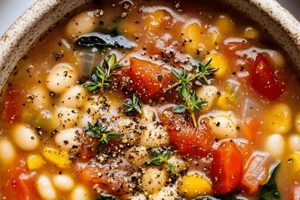
This culinary creation features broth-based soup, traditionally incorporating filled pockets of dough. However, this specific variation excludes animal products entirely. Instead, vegetable-based fillings replace meat, and the broth utilizes plant-derived ingredients for flavoring. A common example involves wrappers filled with seasoned tofu and mushrooms, served in a broth simmered with ginger, garlic, and vegetable stock.
The significance of this dish lies in its accessibility to individuals adhering to plant-based diets or seeking healthier alternatives. It offers a substantial and comforting meal while aligning with ethical and dietary restrictions. Throughout history, numerous cultures have developed dumpling recipes. The adaptation to exclude animal products represents a modern evolution, reflecting a growing awareness of sustainable and compassionate food choices.
The following sections will delve into various aspects of this dish, including ingredient selection, preparation techniques, nutritional considerations, and global variations. It will also address common challenges and offer solutions for achieving optimal flavor and texture.
Essential Guidance
Optimizing the preparation process requires careful attention to several key factors. The following points offer actionable advice to enhance the outcome.
Tip 1: Broth Foundation. The quality of the broth significantly impacts the overall flavor profile. Utilize a high-quality vegetable stock, ideally homemade, or enhance commercially available options with aromatics such as ginger, garlic, and dried mushrooms. Simmering for an extended period will deepen the taste.
Tip 2: Wrapper Selection. Choose wrappers specifically labeled as vegan, as some may contain eggs. Rice paper wrappers offer a gluten-free alternative, though their texture differs from traditional wheat-based options.
Tip 3: Filling Composition. A balanced filling should incorporate a variety of textures and flavors. Include protein sources such as tofu or tempeh, finely diced vegetables (cabbage, carrots, mushrooms), and binding agents like cornstarch or arrowroot powder.
Tip 4: Seasoning Precision. Experiment with umami-rich ingredients such as soy sauce (tamari for gluten-free), miso paste, or nutritional yeast to create depth of flavor. Avoid over-salting, as the broth often contains sodium.
Tip 5: Cooking Technique. Gently simmer the filled pockets in the broth to prevent breakage. Overcrowding the pot can lower the water temperature and result in uneven cooking. Cook in batches if necessary.
Tip 6: Garnishing for Enhancement. Fresh herbs, such as scallions, cilantro, or basil, add brightness and visual appeal. A drizzle of sesame oil or a sprinkle of toasted sesame seeds introduces a nutty aroma and flavor.
Tip 7: Texture Considerations. To prevent sogginess, serve immediately. If preparing in advance, store the components (broth and cooked dumplings) separately and combine just before serving.
Adhering to these guidelines should result in a more flavorful and texturally pleasing result. Proper preparation ensures a satisfying and nutritionally balanced plant-based meal.
The subsequent section will address variations and customization options, allowing for further personalization.
1. Broth Flavor

The broth forms the foundation of any rendition featuring filled dough pockets, profoundly influencing the dishs ultimate character. In a version that omits animal products, the broth assumes even greater importance, acting as the primary source of savory depth and complexity. Without meat-based ingredients to contribute richness, the broth must be carefully crafted to provide a satisfying and well-rounded taste experience. An inadequate broth can result in a bland or uninspired dish, regardless of the quality of other ingredients.
Consider the example of a miso-based broth versus a simple vegetable stock. A miso broth, fermented soybean paste adds a layer of umami, contributing depth and complexity. A vegetable stock, if not properly seasoned, may lack the savory nuances. The broth provides a medium for conveying flavors; seasonings, aromatics, and vegetables are infused, then absorbed by the dough and filling, thus becoming integral to the overall taste profile. Another factor is the simmer time; allowing the broth to simmer longer enables flavors to meld, enhancing its richness.
Therefore, the selection and preparation of the broth are critical when preparing a dumpling based plant-based version. It is more than simply a liquid medium; it is a crucial element in achieving flavor complexity and overall dish satisfaction. A carefully constructed broth compensates for the absence of animal products, providing a substantial and flavorful base. Neglecting this aspect can significantly detract from the final product.
2. Filling Texture
Filling texture plays a crucial role in the sensory experience of plant-based soup. The mouthfeel of the filling provides a counterpoint to the broth and wrapper, influencing perceived quality and satisfaction. A well-composed filling exhibits textural diversity, preventing monotony and enhancing palatability.
- Binding Agents and Cohesion
The use of binding agents like cornstarch, arrowroot powder, or cooked grains is essential for creating a cohesive filling. Without adequate binding, the filling may crumble or disperse within the broth, negatively impacting the eating experience. An appropriately bound filling retains its shape and offers a pleasant chewiness.
- Vegetable Preparation Techniques
Dicing, shredding, or mincing vegetables influence the overall texture. Finely diced vegetables create a smoother filling, while larger pieces provide more textural contrast. Consider the example of coarsely chopped cabbage versus finely grated carrots; each contributes a distinct mouthfeel. The goal is to achieve a balance that is neither mushy nor overly coarse.
- Protein Source Textures
Different plant-based protein sources offer varied textures. Tofu can range from silken to firm, affecting the fillings density and chewiness. Mushrooms introduce a meaty texture, while legumes offer a granular component. The selection and preparation of the protein source directly influence the fillings textural profile.
- Moisture Content Management
Excessive moisture in the filling can lead to a soggy texture and wrapper disintegration. Properly draining ingredients like tofu or blanched vegetables is crucial. The addition of dry ingredients, such as breadcrumbs or ground nuts, can help absorb excess moisture and improve texture.
These textural considerations demonstrate the intricate relationship between ingredient selection and preparation techniques. Successfully manipulating filling texture enhances the overall sensory appeal and contributes to a more satisfying experience when consuming the plant-based dish. A well-balanced texture complements the other elements, creating a harmonious culinary experience.
3. Wrapper Integrity

Wrapper integrity is paramount in the context of filled dough pockets immersed in broth that eschews animal products. The wrapper functions as the structural envelope, containing the filling and preventing its dispersal within the liquid. Its ability to withstand the cooking process directly impacts the dishs visual appeal, textural uniformity, and overall palatability. A compromised wrapper detracts from the experience, resulting in a less desirable outcome.
- Composition and Material Strength
Wrapper composition, typically wheat flour, water, and salt, dictates its inherent strength. Variations in flour protein content influence elasticity and resilience. Over-mixing the dough can develop excessive gluten, leading to a tough wrapper, while under-mixing results in a fragile one. The ideal wrapper maintains its form without becoming overly chewy or prone to tearing during cooking. Alternative materials, such as rice paper, offer gluten-free options but require careful handling due to their delicate nature. A failure to consider this delicate nature might result in disintegration and compromise the eating experience.
- Sealing Techniques and Leakage Prevention
Proper sealing techniques are crucial for preventing leakage. Crimping, pleating, or using a water-flour slurry to adhere the edges creates a secure closure. Insufficient sealing allows the filling to escape into the broth, clouding the liquid and diminishing the integrity of the filling. Different folding styles offer varying degrees of security; simpler folds may be more prone to leakage than complex, multi-layered closures. The efficacy of the sealing technique is directly proportional to the retention of the fillings integrity.
- Cooking Methods and Structural Stability
The chosen cooking method significantly affects wrapper stability. Simmering, rather than boiling, minimizes agitation and reduces the risk of rupture. Overcooking weakens the wrapper, rendering it mushy and susceptible to tearing. Under-cooking, conversely, leaves it doughy and unpleasant. The optimal cooking time balances thorough heating of the filling with the preservation of wrapper texture and form. Steam cooking as opposed to deep-frying would alter the stability of the wrapper structure significantly.
- Filling Moisture Content and Wrapper Degradation
Excessive moisture within the filling can weaken the wrapper, leading to premature degradation. High-moisture fillings necessitate careful drainage or the incorporation of binding agents to absorb excess liquid. Failure to manage moisture content results in a soggy, disintegrating wrapper. Ingredients like finely chopped vegetables release moisture during cooking; pre-cooking or squeezing out excess liquid mitigates this effect. The management of filling moisture is thus a critical factor in maintaining wrapper integrity.
These facets underscore the interconnectedness of material selection, preparation techniques, and cooking methods in maintaining wrapper integrity. The successful creation of plant-based soup relies on a holistic approach that addresses each aspect of wrapper construction and cooking. The result is a visually appealing and texturally satisfying dish in which the filled elements remain intact and contribute positively to the overall culinary experience.
4. Ingredient Freshness
Ingredient freshness bears a direct correlation with the overall quality of plant-based dumpling soup. As the dish forgoes animal products, the reliance on plant-derived ingredients intensifies. Consequently, any degradation in the quality of these ingredients becomes more pronounced, affecting flavor, texture, and nutritional value. Consider the impact of wilted spinach versus fresh spinach in the filling; the former imparts a bitter taste and diminished texture, whereas the latter contributes vibrant flavor and a more desirable mouthfeel. Therefore, ingredient selection directly influences the overall gustatory sensation. Likewise, using subpar vegetables for the broth compromises the broths overall aroma and savor.
The utilization of fresh herbs, such as cilantro or basil, exemplifies the significance of this principle. Fresh herbs contribute aromatic complexity and brightness that dried herbs cannot replicate. A broth simmered with day-old ginger root, for instance, lacks the pungency of a broth prepared with freshly grated ginger. The visual aspect is affected too; fresh ingredients contribute to a more appealing presentation, enhancing the overall dining experience. Therefore, attention to sourcing and storage is crucial to maximize ingredient freshness.
In summary, ingredient freshness is not merely a desirable attribute; it is a fundamental component of high-quality plant-based dumpling soup. The omission of animal products elevates the role of plant-derived components, making any compromise in freshness readily apparent. Understanding this connection and prioritizing fresh ingredients is essential for achieving optimal flavor, texture, and nutritional content. The successful execution depends on diligent sourcing and careful handling, demonstrating the crucial link between material quality and culinary outcome.
5. Nutritional Balance

Nutritional balance is intrinsically linked to the value of plant-based dumpling soup. The deliberate exclusion of animal products necessitates a strategic approach to ensure the dish provides adequate macro- and micronutrients. For example, a solely vegetable-based broth, without the addition of legumes or tofu to the filling, may be deficient in protein. This deficiency can affect satiety and long-term nutritional adequacy. Therefore, careful consideration must be given to component selection to achieve a nutritionally complete profile.
Consider a dumpling soup featuring a filling of mushrooms, cabbage, and carrots, and a broth flavored with ginger and soy sauce. While providing fiber, vitamins, and minerals, this composition requires a source of complete protein. The addition of crumbled tempeh or firm tofu introduces essential amino acids. Similarly, incorporating ingredients rich in iron and vitamin B12, nutrients often found in animal products, becomes crucial. Fortified nutritional yeast or sea vegetables, such as nori, can supplement these micronutrients. The specific ingredient ratios and cooking methods also influence nutrient bioavailability; for instance, lightly steaming the vegetables preserves more vitamins than boiling. The goal should be to produce a meal that sustains physiological function, including energy production and tissue repair.
In conclusion, nutritional balance is not merely an optional consideration, but an integral design factor. By carefully selecting ingredients and employing appropriate preparation techniques, plant-based dumpling soup can provide a comprehensive nutritional profile. Challenges include ensuring adequate protein intake and addressing potential micronutrient deficiencies. These can be overcome through informed ingredient selection and a nuanced understanding of plant-based nutrition. The resulting dish offers a healthful and sustainable alternative to traditional recipes.
6. Seasoning Profile
Seasoning profile, in the context of dumpling soup excluding animal products, assumes a role of heightened significance. The absence of inherent flavors often derived from meat-based ingredients necessitates a sophisticated approach to flavor development. A carefully constructed seasoning strategy provides depth, complexity, and umami, compensating for the exclusion of traditional components.
- Umami Enhancement Techniques
Umami, the savory taste, is crucial for a satisfying broth. In plant-based preparations, achieving umami requires strategic ingredient selection. Examples include the use of dried shiitake mushrooms, which, when rehydrated, impart a rich, earthy flavor to the broth. Miso paste, derived from fermented soybeans, offers a complex, salty, and savory note. Seaweed, such as kombu or nori, also contributes glutamates, the compounds responsible for umami. The careful combination of these ingredients provides a layered umami experience, compensating for the absence of meat-based broths.
- Aromatic Layering
Aromatic layering involves the strategic use of herbs, spices, and aromatics to create complexity and depth. Ginger, garlic, and scallions, commonly used in Asian cuisines, provide a foundation of pungent and savory flavors. The addition of star anise, cloves, or cinnamon introduces warm, aromatic notes. Fresh herbs, such as cilantro, basil, or mint, contribute brightness and freshness. The order and timing of addition are critical; aromatics are often sauted in oil before adding the broth, allowing their flavors to bloom. This process contributes depth that would otherwise be lacking.
- Salt and Acidity Balance
Balancing salt and acidity is fundamental to any flavorful dish. Soy sauce (tamari for gluten-free options) provides saltiness, while vinegars, such as rice vinegar or black vinegar, offer acidity. The interplay between salt and acidity enhances the perception of other flavors. Too much salt can overwhelm the palate, while insufficient salt can result in a bland dish. Acidity brightens the flavors and cuts through richness. The proportion of salt to acid should be carefully adjusted based on individual preferences and the overall flavor profile.
- Texture and Flavor Carriers
The use of oils and fats as flavor carriers is essential for distributing seasonings evenly throughout the broth. Sesame oil, chili oil, or infused oils (such as garlic-infused oil) provide a subtle flavor enhancement and a pleasing mouthfeel. These oils coat the palate, carrying the flavors of the spices and aromatics. They also contribute a textural element, adding richness and smoothness to the broth. The type and quantity of oil should be carefully considered to avoid overpowering the other flavors.
These seasoning techniques, when implemented strategically, elevate the plant-based dumpling soup from a simple dish to a complex and flavorful culinary creation. A well-developed seasoning profile compensates for the absence of animal products, providing a satisfying and nuanced taste experience. Neglecting the critical aspect of seasoning results in a final product that lacks depth and fails to deliver the desired gustatory sensation. As a final point, consider the addition of black pepper for pungency, or a touch of maple syrup for sweetness these small additions can significantly improve the seasoning profile.
7. Preparation Technique

Preparation technique exerts a deterministic influence on the outcome of plant-based soup featuring filled dough pockets. This influence stems from the elimination of animal products, which often contribute inherent flavors and textures. Successful execution necessitates meticulous attention to each stage of the culinary process, from ingredient processing to final assembly and cooking. Deviations from established methods can result in compromised flavor, texture, and structural integrity, thereby undermining the overall quality of the dish. For example, overcooking the filled components leads to wrapper disintegration and a mushy filling, while undercooking results in a doughy, unpalatable product. The correct method of gentle simmering is crucial to preventing the dish from falling apart. The preparation process is not merely a sequence of steps, but a system in which each action impacts the final result.
Consider the practical implications of steaming versus boiling the filled elements. Steaming preserves the delicate texture of the wrapper and filling, while boiling can cause excessive hydration and structural weakening. Likewise, the sequence in which vegetables are added to the broth impacts their individual textures and flavors. Heartier vegetables, such as carrots, benefit from early addition, allowing ample time for softening and flavor infusion. More delicate greens, such as spinach, are best added near the end of the cooking process to prevent overcooking and nutrient loss. Moreover, the manner in which ingredients are processed directly affects the overall experience. Finely dicing aromatic vegetables, such as ginger and garlic, maximizes their flavor release, while coarsely chopping them diminishes their impact. The choice of chopping technique impacts the taste which therefore becomes important when developing the appropriate technique.
In summary, the preparation technique is a critical determinant of success when preparing a plant-based soup featuring filled dough pockets. It requires a comprehensive understanding of ingredient properties and the impact of various cooking methods. Challenges include maintaining wrapper integrity, optimizing flavor extraction, and ensuring proper ingredient textures. Adherence to established techniques and a willingness to adapt based on ingredient variations are essential for achieving a high-quality and satisfying final product. The application of knowledge regarding cooking methods is important in the development of quality flavor profiles and textures, particularly in lieu of animal based products.
Frequently Asked Questions
The following section addresses common inquiries regarding the preparation, nutrition, and variations of dumpling soup formulations that exclude animal products. This aims to provide clarity and facilitate informed culinary decisions.
Question 1: Is it possible to achieve a savory broth without meat-based ingredients?
A rich and savory broth is achievable through the strategic use of umami-rich ingredients. Dried mushrooms, seaweed (kombu), miso paste, and soy sauce provide depth and complexity. Extended simmering of these components amplifies their flavor contributions.
Question 2: What constitutes a suitable filling in the absence of meat?
Appropriate fillings consist of protein sources such as tofu, tempeh, or lentils, combined with a variety of vegetables (cabbage, carrots, mushrooms) and binding agents (cornstarch). Proper seasoning is essential to enhance the flavor profile.
Question 3: How can one ensure the wrappers remain intact during cooking?
Maintaining wrapper integrity involves using wrappers specifically labeled as suitable for boiling or steaming. Sealing techniques, such as crimping or using a water-flour slurry, prevent leakage. Gentle simmering, rather than vigorous boiling, minimizes the risk of rupture.
Question 4: Are there any potential nutritional deficiencies associated with plant-based versions?
Potential deficiencies may include vitamin B12, iron, and certain amino acids. Fortified nutritional yeast, sea vegetables, and a varied diet address these concerns. Combining plant-based protein sources ensures a complete amino acid profile.
Question 5: What are the options for gluten-free wrappers?
Rice paper wrappers provide a gluten-free alternative. However, they possess a different texture compared to wheat-based wrappers and require careful handling to prevent tearing. Gluten-free dumpling wrappers made from alternative flours are also commercially available.
Question 6: How does one prevent the dumplings from becoming soggy?
To mitigate sogginess, it is advisable to serve the soup immediately after preparation. If preparing in advance, store the broth and filled pockets separately. Lightly coating the filled components with oil before adding them to the broth can also provide a barrier against excessive moisture absorption.
The information provided aims to clarify common concerns and misconceptions regarding the formulation and nutritional considerations of dumpling soup without animal products. Adherence to these guidelines promotes informed culinary practices.
The following section will explore regional and international variations in this type of dish.
Concluding Summary
This exploration has dissected the various facets of dumpling soup vegan, emphasizing the critical interplay of broth composition, filling texture, wrapper integrity, ingredient freshness, nutritional balance, seasoning profile, and preparation technique. Each element warrants meticulous consideration to achieve a satisfactory culinary outcome. The absence of animal products necessitates a strategic approach to flavor development and nutritional adequacy, demanding a comprehensive understanding of plant-based ingredients and their functional properties.
Further experimentation and refinement of these techniques will undoubtedly expand the versatility and appeal of this dish. Recognizing the fundamental principles outlined herein empowers both home cooks and professional chefs to create innovative and nutritionally sound plant-based culinary offerings. The ongoing exploration of plant-based cuisine promises continued evolution and enhanced culinary possibilities.