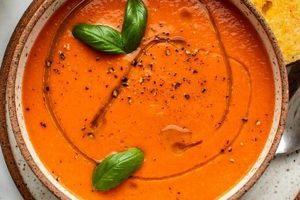
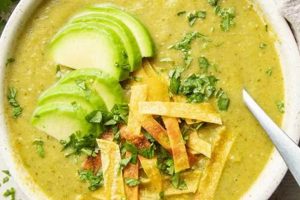
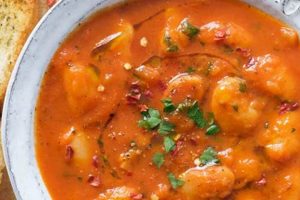
A hearty and nutritionally dense meal option features a medley of various dried legumes, prepared without the use of animal products. This dish commonly incorporates a diverse array of beans, such as kidney, pinto, black, and navy beans, among others. The absence of meat or dairy components ensures it is suitable for individuals adhering to plant-based diets.
The consumption of this type of soup offers numerous advantages. It provides a substantial source of plant-based protein, fiber, and complex carbohydrates, contributing to satiety and promoting digestive health. Furthermore, its preparation aligns with ethical and environmental considerations by reducing reliance on animal agriculture. Historically, legume-based soups have been a staple in many cultures, providing affordable and sustainable nutrition.
Subsequent sections will delve into specific recipes, nutritional profiles, and practical tips for preparing and enhancing this versatile dish. Variations in ingredient selection and cooking techniques will also be examined to illustrate its adaptability to different dietary preferences and culinary traditions.
Preparation Strategies
The following are guidelines for optimizing the preparation of a multi-legume, plant-based soup. Adhering to these recommendations will enhance the flavor, texture, and nutritional value of the final product.
Tip 1: Legume Pre-Soaking: To reduce cooking time and improve digestibility, submerge the mixed dried legumes in water for a minimum of 8 hours, or preferably overnight. This process helps to break down complex carbohydrates, minimizing potential digestive discomfort.
Tip 2: Aromatic Base Enhancement: Before adding the legumes, saut diced onions, carrots, and celery in a vegetable oil. This aromatic base adds depth of flavor to the soup. Garlic, minced and added towards the end of the sauting process, further enhances the taste profile.
Tip 3: Broth Selection: Employ a high-quality vegetable broth as the primary liquid component. Avoid using water alone, as it lacks the necessary umami to complement the legumes. Consider using low-sodium broth to control the salt content.
Tip 4: Herb and Spice Infusion: Incorporate dried herbs, such as thyme, bay leaves, and oregano, during the simmering stage. These herbs release their essential oils over time, contributing to a more complex and nuanced flavor. Spices like smoked paprika, cumin, or chili powder can also be added for additional depth.
Tip 5: Simmering Technique: Maintain a low and slow simmer rather than a rapid boil. This allows the legumes to cook evenly and prevents them from becoming mushy. Periodically skim off any foam that accumulates on the surface of the soup.
Tip 6: Acidic Element Incorporation: A splash of apple cider vinegar or lemon juice, added towards the end of the cooking process, brightens the flavors and balances the richness of the legumes. The acidity also helps to tenderize the beans further.
Tip 7: Sodium Regulation: Add salt sparingly throughout the cooking process. The legumes will absorb the salt gradually, and over-salting can be difficult to correct. Taste and adjust the seasoning as needed towards the end of simmering.
By implementing these strategies, the resulting soup will possess a well-developed flavor, optimal texture, and enhanced digestibility, providing a nutritious and satisfying meal.
The following section will address common variations and ingredient substitutions, allowing for customization to suit individual preferences and dietary restrictions.
1. Nutrition

The nutritional profile of a multi-legume, plant-based soup is a primary consideration for individuals seeking a health-conscious dietary option. The combination of various legumes contributes a range of essential nutrients, making it a valuable component of a balanced diet. Its impact on bodily function will be further explained below.
- Protein Content
Legumes are a notable source of plant-based protein, essential for tissue repair, enzyme production, and hormone regulation. The diverse amino acid profile of a multi-bean soup provides a more complete protein source compared to relying on a single type of legume. For example, the combination of lentils and kidney beans offers a wider spectrum of amino acids than either legume consumed alone, contributing to overall protein synthesis efficiency.
- Fiber Abundance
The high fiber content of legumes promotes digestive health, aids in regulating blood sugar levels, and contributes to satiety. Both soluble and insoluble fiber are present. Soluble fiber can help lower cholesterol levels, while insoluble fiber promotes bowel regularity. As an example, the inclusion of black beans and pinto beans increases the fiber content significantly, potentially reducing the risk of cardiovascular disease.
- Micronutrient Provision
Legumes are rich in essential micronutrients, including iron, folate, potassium, and magnesium. These nutrients play critical roles in various physiological processes, such as oxygen transport, cell growth, electrolyte balance, and nerve function. Iron from legumes, while non-heme iron, can be enhanced with the addition of vitamin C-rich vegetables like tomatoes or bell peppers within the soup.
- Low Fat Composition
When prepared without added oils or animal fats, the soup is inherently low in fat, especially saturated fat. This contributes to cardiovascular health. The minimal fat content allows for a greater focus on the inherent nutrients of the legumes, making it suitable for individuals managing weight or cholesterol levels.
In summary, the nutritional attributes are multifaceted, encompassing substantial protein and fiber content, a wealth of micronutrients, and a low-fat profile. These factors contribute to its potential health benefits, solidifying its position as a nutritionally sound dietary choice. This meal offers a means of ensuring balanced nutrition intake.
2. Affordability
The economic viability of a multi-legume, plant-based soup presents a significant advantage for budget-conscious individuals and families. The inherent cost-effectiveness of this dietary option warrants detailed examination.
- Base Ingredient Cost
Dried legumes, the primary component, are generally inexpensive compared to animal-based protein sources. Purchasing legumes in bulk further reduces the per-serving cost. As an example, a one-pound bag of mixed dried beans, sufficient for multiple servings, typically costs considerably less than an equivalent weight of meat. This price differential contributes significantly to the overall affordability.
- Minimal Processing Premium
Opting for dried legumes over canned varieties avoids the price markup associated with processing and packaging. While canned legumes offer convenience, they incur additional costs that are not present when using dried beans. Home preparation, though requiring more time, translates to substantial savings in the long term. This choice affects the overall cost savings.
- Extensibility with Inexpensive Ingredients
The soup can be easily augmented with low-cost vegetables, such as onions, carrots, and celery, to increase volume and nutritional value without significantly impacting the overall expense. The inclusion of these readily available and affordable vegetables enhances the dish’s nutritional profile while maintaining its economic advantage.
- Leftover Utilization Potential
The soup’s inherent nature lends itself well to batch cooking, allowing for multiple meals from a single preparation effort. Leftovers can be refrigerated or frozen for future consumption, minimizing food waste and maximizing the return on investment. This efficient utilization of resources further contributes to its overall affordability.
The combination of low base ingredient costs, reduced processing expenses, extensibility with inexpensive vegetables, and potential for leftover utilization solidifies its position as a financially prudent dietary choice. The multi-legume, plant-based soup presents a viable option for individuals and families seeking nutritious and satisfying meals on a limited budget.
3. Sustainability

The sustainable attributes of a multi-legume, plant-based soup are increasingly relevant in contemporary discussions regarding responsible food choices and environmental stewardship. This dietary option presents a reduced ecological footprint compared to animal-derived alternatives. The following facets illuminate the specific aspects contributing to its sustainable nature.
- Reduced Greenhouse Gas Emissions
Legume cultivation generates significantly fewer greenhouse gas emissions than livestock farming. The production of meat and dairy products is a major contributor to atmospheric methane and nitrous oxide, potent greenhouse gases. Substituting these products with legume-based meals reduces the overall carbon footprint of food consumption. The lessened emissions in this process have a global impact on food sustainability.
- Lower Water Consumption
Legume crops generally require less water for cultivation compared to the water-intensive processes associated with raising livestock and producing animal feed. Water scarcity is a growing global concern, making water-efficient food choices increasingly important. Prioritizing legume-based diets helps conserve this vital resource. The amount of water saved through this dietary choice is important for our world’s preservation.
- Soil Health Enhancement
Legumes possess the capacity to fix atmospheric nitrogen in the soil through a symbiotic relationship with nitrogen-fixing bacteria. This natural fertilization process reduces the need for synthetic nitrogen fertilizers, which can have detrimental environmental impacts, including water pollution and greenhouse gas emissions. The inherent ability of legumes to enrich the soil fosters more sustainable agricultural practices. Soil health improvement is the best benefit of the food source.
- Biodiversity Support
Diversifying agricultural systems with legume crops promotes biodiversity in agricultural landscapes. Monoculture farming practices, prevalent in industrialized agriculture, can lead to habitat loss and reduced biodiversity. Incorporating legumes into crop rotations or intercropping systems supports a wider range of plant and animal species. The cultivation of the food promotes diversity in the food industry.
The reduced greenhouse gas emissions, lower water consumption, soil health enhancement, and biodiversity support associated with legume cultivation collectively contribute to the sustainable nature of a multi-legume, plant-based soup. This dietary choice aligns with broader efforts to promote environmentally responsible food systems and mitigate the adverse impacts of agriculture on the planet. This meal promotes sustainability in our daily lives.
4. Versatility
The adaptable nature of a multi-legume, plant-based soup significantly contributes to its widespread appeal and practical utility. The inherent characteristic allows for customization across a spectrum of dietary needs, culinary preferences, and resource availability. The soups composition can be modified to accommodate seasonal ingredients, regional flavor profiles, and specific nutritional requirements. The cause of this versatility lies in the wide range of legumes and vegetables that can be incorporated, enabling adjustments to texture, taste, and overall nutrient density. The effect is a highly flexible meal option suitable for diverse populations and contexts. An example includes substituting locally sourced root vegetables during winter months for ingredients less readily available. The soups significance as a dietary staple is heightened by its capacity to meet varied demands.
Practical applications of this adaptability are evident in its suitability for individuals with dietary restrictions. Those with gluten intolerance can readily prepare a version free of gluten-containing grains, while those following low-sodium diets can adjust seasoning levels accordingly. Furthermore, the soup can be adapted to different meal formats, served as a starter, a main course, or a component of a larger meal. The ability to incorporate diverse herbs and spices allows for global flavor explorations, ranging from Mediterranean-inspired versions with oregano and lemon to Southwestern variations featuring chili powder and cumin. This adaptability also enables efficient resource management by utilizing available ingredients and minimizing food waste.
In summary, the versatility of this soup is a core attribute driving its adoption as a nutritious and sustainable dietary choice. While challenges may arise in balancing diverse flavors and textures, the inherent flexibility of the recipe allows for continuous refinement and adaptation. The understanding of this versatility is crucial for maximizing the potential of the dish to meet individual needs and contribute to a broader context of food security and dietary diversity.
5. Preparation
The manner in which a multi-legume, plant-based soup is prepared significantly influences its nutritional value, palatability, and digestibility. Careful attention to procedural details optimizes the outcome, yielding a superior culinary experience and maximizing health benefits.
- Legume Selection and Proportions
The choice and ratio of different legumes directly affects the soup’s texture, flavor complexity, and nutrient profile. A balanced selection, incorporating legumes with varying cooking times and textures, is essential. For instance, combining faster-cooking lentils with slower-cooking kidney beans requires staggered addition to ensure uniform doneness. The proportions of legumes affect the concentration of specific nutrients and the overall sensory appeal.
- Soaking Methodology
Proper soaking of dried legumes is crucial for reducing cooking time and enhancing digestibility. Soaking leaches out certain oligosaccharides that contribute to flatulence. The duration and temperature of the soaking process are important variables. Overnight soaking in cool water is a common practice, but a quick-soak method involving boiling and subsequent soaking can also be employed. The chosen method affects the final texture and potential gastrointestinal effects.
- Aromatic Base Development
The sauting of aromatic vegetables, such as onions, garlic, carrots, and celery, prior to adding the legumes contributes significantly to the soup’s flavor depth. The Maillard reaction, which occurs during sauting, generates complex flavor compounds that enhance the overall sensory experience. The order in which these aromatics are added, based on their cooking times, ensures optimal flavor development without burning.
- Liquid Medium and Seasoning
The choice of liquid medium, whether water, vegetable broth, or a combination thereof, influences the final flavor profile and nutrient content. High-quality vegetable broth contributes umami and additional micronutrients. The judicious use of herbs, spices, and salt is critical for enhancing and balancing the flavors. Adding salt too early can toughen the legume skins, while insufficient seasoning results in a bland soup. Timing is essential to maximize flavor extraction.
These preparation facets collectively determine the quality and characteristics of the final product. Variations in technique and ingredient selection allow for diverse outcomes, but adherence to fundamental principles optimizes the potential of this versatile dish. Meticulous attention to detail translates to a more nutritious, flavorful, and digestible culinary creation.
Frequently Asked Questions About Multi-Legume, Plant-Based Soup
The following section addresses common inquiries regarding the preparation, nutritional aspects, and suitability of multi-legume, plant-based soup.
Question 1: Is pre-soaking dried legumes truly necessary?
Pre-soaking significantly reduces cooking time and aids in the removal of oligosaccharides, which are complex sugars that can contribute to digestive discomfort. While not strictly mandatory, pre-soaking is highly recommended for optimal results.
Question 2: Can canned legumes be substituted for dried legumes?
Canned legumes can be used as a convenient alternative to dried legumes. However, they often contain higher sodium levels and may lack the same textural integrity as properly cooked dried legumes. Rinsing canned legumes thoroughly can help reduce the sodium content.
Question 3: How can the soup’s flavor be enhanced without adding animal products?
Flavor can be enhanced through the use of high-quality vegetable broth, sauted aromatic vegetables (onions, garlic, carrots, celery), herbs (thyme, bay leaf, oregano), spices (smoked paprika, cumin), and a touch of acidity (lemon juice, apple cider vinegar).
Question 4: Is the soup a complete protein source?
While individual legumes may not contain all essential amino acids in sufficient quantities, a combination of different legumes provides a more complete protein profile. Pairing the soup with grains, such as rice or quinoa, further enhances the protein completeness.
Question 5: How long can the soup be safely stored?
Properly prepared and stored, multi-legume, plant-based soup can be refrigerated for up to 3-4 days or frozen for up to 2-3 months. Ensure the soup is cooled completely before refrigerating or freezing.
Question 6: Can this soup be adapted for individuals with specific allergies or sensitivities?
The recipe can be modified to accommodate various allergies and sensitivities. Ensure all ingredients are free from potential allergens. Gluten-free versions can be prepared by avoiding gluten-containing additives or cross-contaminated ingredients. Always verify the ingredient list of store-bought broths and spices.
The questions above reflect common concerns and provide concise answers for effective understanding. The flexibility to be able to adapt the recipe is helpful to many.
Next, we will delve into specific variations and cultural adaptations of the soup, further demonstrating its versatility.
Concluding Remarks
The preceding analysis has comprehensively examined the multi-faceted aspects of a 16 bean soup vegan. The discourse has encompassed its nutritional benefits, affordability, sustainability, versatility, and preparation techniques. The foregoing points underscore its value as a viable dietary option.
The continued exploration and adoption of plant-based meals such as this hold significant potential for contributing to improved public health, environmental conservation, and economic accessibility to nutritious food. Further research into optimizing legume-based diets remains warranted to fully realize their benefits on a global scale.