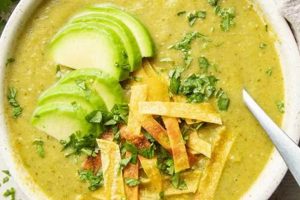
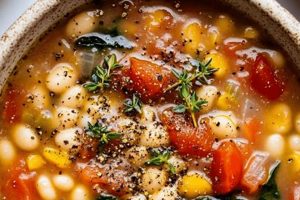
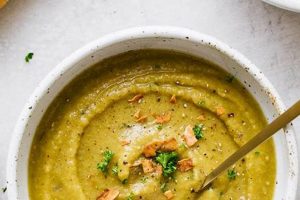
A plant-based culinary creation centers around the humble pinto bean, transformed into a comforting and nourishing broth. This dish omits all animal products, relying solely on vegetables, legumes, and seasonings to achieve its flavor profile. Examples include variations with diced tomatoes, onions, garlic, chili powder, and vegetable broth, all contributing to a hearty and satisfying meal.
The appeal of this type of cuisine stems from its health benefits, affordability, and accessibility. Pinto beans are a rich source of protein, fiber, and essential minerals, making the resulting preparation a nutritious option. Its simplicity allows for easy adaptation to dietary needs and preferences, further enhancing its broad appeal. Historically, beans have been a staple food in many cultures, providing sustenance and forming the basis for countless traditional recipes.
Subsequent sections will delve into specific aspects of preparation, nutritional value, recipe variations, and storage guidelines. Furthermore, considerations for dietary restrictions and common ingredient substitutions will be addressed, offering a comprehensive resource for those interested in exploring this versatile and wholesome dish.
Preparation and Enhancement Tips
Optimizing the preparation of this dish involves several key considerations to maximize flavor, texture, and nutritional value.
Tip 1: Bean Selection: Opt for dry pinto beans and thoroughly rinse them before soaking. This removes debris and helps to improve digestibility.
Tip 2: Soaking Method: Employ either the overnight soak method or the quick-soak method to reduce cooking time and minimize potential bloating. Discard the soaking water before cooking.
Tip 3: Aromatics Base: Saut a blend of onions, garlic, and celery in olive oil or vegetable broth as a flavorful foundation before adding the beans and liquid.
Tip 4: Spice Infusion: Incorporate a variety of spices such as chili powder, cumin, smoked paprika, and oregano to achieve a depth of flavor. Adjust the quantities to suit individual preferences.
Tip 5: Broth Selection: Use a high-quality vegetable broth or bouillon for a richer and more complex flavor profile. Consider a low-sodium option to control salt content.
Tip 6: Simmering Time: Allow sufficient simmering time for the beans to fully tenderize and for the flavors to meld. A gentle simmer for 1.5 to 2 hours is generally recommended.
Tip 7: Texture Adjustment: Partially blend the soup with an immersion blender to achieve a creamier texture, while retaining some whole beans for visual appeal and textural contrast.
Tip 8: Acidic Balance: Add a splash of apple cider vinegar, lemon juice, or lime juice towards the end of cooking to brighten the flavors and enhance the overall taste.
Adhering to these tips ensures a more flavorful, texturally appealing, and nutritionally optimized outcome. Careful bean preparation, a flavorful base, and ample simmering time are crucial for a successful dish.
The subsequent section will address potential variations and adaptations to cater to specific dietary requirements and preferences.
1. Protein source (Pinto)

The pinto bean’s role as a primary protein source is central to understanding the nutritional value and appeal of vegan pinto bean soup. The absence of animal-derived protein in vegan diets necessitates reliance on plant-based alternatives; pinto beans effectively fulfill this requirement. They provide a substantial amount of protein per serving, contributing to satiety and supporting various bodily functions. A deficiency in protein can lead to weakness, fatigue, and impaired immune function; thus, the inclusion of pinto beans is critical for maintaining health within a vegan dietary framework. For example, a single cup of cooked pinto beans contains approximately 15 grams of protein, rivaling some animal-based sources.
Furthermore, the protein in pinto beans is complemented by their high fiber content, which aids in digestion and helps regulate blood sugar levels. This combination makes vegan pinto bean soup a particularly beneficial choice for individuals seeking to manage their weight or improve their metabolic health. Practical application of this understanding involves intentionally incorporating this dish into meal plans to ensure adequate protein intake. This is especially important for athletes, pregnant women, and growing children, who have higher protein requirements. Moreover, the relatively low cost of pinto beans makes them an accessible protein source for individuals on a budget.
In summary, the connection between pinto beans as a protein source and vegan pinto bean soup is fundamental. The beans provide essential protein in a plant-based format, while also contributing fiber and other beneficial nutrients. Understanding this relationship allows individuals to make informed dietary choices and leverage the nutritional benefits of this simple, yet powerful, legume. Challenges may include ensuring complete protein intake through proper food combining, but the benefits of pinto beans as a cornerstone of a vegan diet are undeniable. The next point will be discussed is plant-based composition.
2. Plant-based composition

The defining characteristic of this particular soup rests on its wholly plant-based composition. This factor dictates ingredient selection, preparation methods, and its suitability for specific dietary practices. Understanding the significance of this composition is paramount to appreciating its nutritional profile and broader appeal.
- Exclusion of Animal Products
The cornerstone of a plant-based culinary creation is the complete absence of any ingredient derived from animals. This stricture encompasses meat, poultry, fish, dairy, eggs, and honey. In the context of this soup, traditional broths made with animal bones are replaced with vegetable broths, and animal fats are substituted with plant-based oils. This exclusion aligns with ethical considerations, health-conscious choices, and environmental concerns associated with animal agriculture. Failing to adhere to this exclusion would disqualify the dish from being accurately labeled as such.
- Emphasis on Vegetables and Legumes
This style of dish prioritizes the inclusion of a wide array of vegetables and legumes. Beyond pinto beans, common additions include onions, garlic, tomatoes, bell peppers, and leafy greens. These ingredients contribute vital nutrients, fiber, and antioxidants, enhancing the soup’s overall nutritional value. The selection of vegetables and legumes can be tailored to seasonal availability and individual preferences, promoting culinary creativity and dietary diversity. The proportion of these ingredients significantly influences the soup’s texture, flavor complexity, and satiety index.
- Plant-Based Fats and Oils
While fat content is often minimized in recipes focusing on beans and vegetables, the use of plant-based fats and oils plays a role in flavor development and nutrient absorption. Olive oil, avocado oil, and coconut oil are common choices for sauting vegetables or adding richness to the final dish. These oils provide essential fatty acids and contribute to the mouthfeel and palatability of the soup. The type and quantity of oil used must be carefully considered to maintain a balanced nutritional profile and avoid excessive caloric intake.
- Herbs and Spices for Flavor Enhancement
Without animal-derived flavor enhancers, herbs and spices become indispensable for creating depth and complexity in this culinary option. Chili powder, cumin, smoked paprika, oregano, and bay leaves are frequently employed to impart a savory and aromatic character. The strategic use of these ingredients can replicate the umami taste often associated with meat-based dishes, making the plant-based alternative more appealing to a wider audience. Experimentation with various herb and spice combinations allows for the creation of diverse flavor profiles, catering to individual taste preferences and regional culinary traditions.
The interplay of these facets defines the essence of this dish. The deliberate exclusion of animal products, the abundance of vegetables and legumes, the strategic use of plant-based fats, and the reliance on herbs and spices collectively contribute to a flavorful, nutritious, and ethically sound culinary option. The plant-based composition not only caters to specific dietary needs but also promotes a sustainable and health-conscious approach to food consumption. Other examples include lentil stews and black bean soups which similarly rely on plant-based ingredients for their core composition.
3. Flavorful seasoning blends

Flavorful seasoning blends are integral to the success of a palatable culinary experience, especially within the constraints of a plant-based diet where animal-derived flavor enhancers are absent. The strategic combination of herbs and spices elevates the inherent flavors of the pinto beans and vegetables, transforming a simple dish into a complex and satisfying meal. The following details outline key facets of these blends in the context of plant-based cuisine:
- Southwestern Influence
A common approach involves a Southwestern-inspired blend featuring chili powder, cumin, smoked paprika, and oregano. Chili powder, a mix of dried chilies and spices, provides a foundational heat. Cumin contributes an earthy, warm note, while smoked paprika adds a subtle smoky depth. Oregano lends an herbal, slightly bitter counterpoint. The proportions of each spice are crucial; an imbalance can result in an overpowering or underwhelming flavor profile. In practice, these blends are often bloomed in oil before adding the beans and broth, allowing the flavors to fully develop. These examples emphasize the complexity gained with Southwestern influence.
- Umami Enhancement
Achieving umami, the savory fifth taste, is a significant challenge in plant-based cooking. Seasoning blends often incorporate ingredients like nutritional yeast, dried mushrooms (such as shiitake powder), or soy sauce (tamari for gluten-free versions) to address this. Nutritional yeast provides a cheesy, nutty flavor, while dried mushrooms offer a deep, savory note. Soy sauce contributes saltiness and umami due to its glutamate content. The judicious use of these ingredients is essential to avoid overpowering the other flavors in the soup. For example, a teaspoon of soy sauce can significantly enhance the overall savoriness.
- Aromatic Base Infusion
While not strictly a seasoning blend in the traditional sense, the aromatic base of onion, garlic, and celery significantly influences the final flavor. These vegetables are typically sauted in oil before other ingredients are added, allowing their flavors to infuse the oil and subsequently the entire dish. The Maillard reaction, a chemical reaction between amino acids and reducing sugars, occurs during sauting, creating hundreds of flavor compounds. The ratio of onion to garlic to celery is important; an equal ratio is common, but variations exist. This foundation builds the base for a flavorful profile.
- Fresh Herb Integration
The addition of fresh herbs towards the end of cooking or as a garnish brightens the overall flavor profile and adds a visual appeal. Cilantro, parsley, and chives are common choices. Fresh herbs are delicate and lose their flavor when overcooked; therefore, they are typically added just before serving. The quantity of fresh herbs used depends on personal preference and the intensity of the other flavors in the soup. A handful of chopped cilantro, for example, can provide a refreshing counterpoint to the richness of the beans. This brings a fresh perspective to the blend.
These facets demonstrate that well-crafted seasoning blends are vital to plant-based culinary creativity. The interplay of Southwestern influences, umami enhancers, aromatic bases, and fresh herbs allows for diverse flavor profiles. Consideration must be given to ingredient ratios, cooking techniques, and the timing of addition to achieve the desired complexity and balance. Vegan pinto bean soup benefits greatly from this approach. By focusing on these elements, the dish is elevated from a simple staple to a satisfying culinary experience.
4. Versatile dietary adaptation

The capacity for dietary adaptation is a fundamental attribute of certain culinary creations, and is particularly salient in the context of vegan pinto bean soup. This characteristic allows the dish to conform to a spectrum of nutritional requirements, cultural preferences, and individual health considerations, thereby broadening its applicability and appeal.
- Gluten-Free Compatibility
The inherent nature of pinto beans and most accompanying vegetables renders this soup naturally gluten-free. Individuals with celiac disease or gluten sensitivity can readily consume it without modification, provided that ingredients such as vegetable broth are certified gluten-free. Soy sauce, if used for umami enhancement, should be replaced with tamari, a gluten-free alternative. This adaptability makes the dish a viable option for those adhering to a gluten-free diet, which is often necessary for managing autoimmune conditions or digestive disorders.
- Sodium Content Modification
Excessive sodium intake is a concern for individuals with hypertension or kidney disease. The sodium content of pinto bean soup can be readily controlled by using low-sodium vegetable broth, omitting added salt, and avoiding high-sodium ingredients such as processed meats or excessive soy sauce. Fresh herbs and spices can be used to enhance flavor without increasing sodium levels. Home preparation allows for precise control over sodium content, which is often challenging to achieve with pre-made or restaurant versions.
- Macronutrient Adjustments
The macronutrient profile of the soup can be tailored to suit specific dietary goals. For individuals seeking to increase protein intake, the addition of tofu or other plant-based protein sources is feasible. To increase fat content, avocado or olive oil can be added. Conversely, for those seeking to reduce fat intake, oil can be minimized or omitted altogether. The carbohydrate content primarily stems from the pinto beans and vegetables, and portion sizes can be adjusted accordingly to manage blood sugar levels or overall caloric intake.
- Allergen Considerations
Beyond gluten, other common allergens, such as nuts, soy, and sesame, can be easily avoided in the preparation of pinto bean soup. Vegetable broths and seasonings must be carefully checked to ensure they are free from these allergens. Ingredient substitutions can be made as necessary; for example, coconut aminos can replace soy sauce for individuals with soy allergies. This adaptability allows the dish to be safely consumed by individuals with a wide range of food allergies, provided that careful attention is paid to ingredient selection and preparation practices.
In summary, the inherent adaptability of vegan pinto bean soup stems from its simple composition and reliance on whole, unprocessed ingredients. This allows for targeted modifications to accommodate a diverse array of dietary needs and preferences, ranging from gluten-free diets to sodium restrictions and allergen avoidance. This versatility significantly enhances its value as a dietary staple for individuals seeking to maintain health and well-being through informed food choices.
5. Nutritional completeness

Nutritional completeness, as a defining characteristic of vegan pinto bean soup, hinges on the synergistic interaction of its constituent ingredients. The effect of combining pinto beans, vegetables, and complementary seasonings yields a dish that provides a substantial array of essential nutrients. This completeness is not merely the sum of its parts, but rather a consequence of how these parts interact to address various nutritional needs. Pinto beans supply protein, fiber, and iron, while vegetables contribute vitamins, minerals, and antioxidants. The absence of animal products necessitates this comprehensive approach to ensure adequate nutrient intake.
The importance of nutritional completeness is underscored by its direct impact on health and well-being. Vegan diets, while offering numerous benefits, require careful planning to avoid deficiencies in nutrients commonly found in animal products, such as vitamin B12, vitamin D, and certain minerals. Pinto bean soup can serve as a cornerstone of a well-balanced vegan diet by providing significant quantities of protein and fiber, as well as contributing to iron and zinc intake. However, it is crucial to incorporate other nutrient-rich foods, such as leafy greens, fortified plant-based milks, and vitamin supplements, to achieve full nutritional adequacy. As a real-life example, individuals who rely solely on processed vegan foods without adequate intake of whole foods like pinto bean soup may experience nutrient deficiencies despite adhering to a vegan diet. The practical significance of this understanding lies in the ability to construct meal plans that prioritize both ethical considerations and optimal health outcomes.
In conclusion, nutritional completeness is not an optional attribute but a fundamental requirement for a sustainable and healthful vegan diet, and vegan pinto bean soup can play a vital role in achieving this. Challenges may arise in ensuring adequate intake of all essential nutrients, requiring mindful food combining and, in some cases, supplementation. However, the benefits of a well-planned vegan diet, including reduced risk of chronic diseases and environmental sustainability, make the effort worthwhile. The emphasis on nutrient density and dietary diversity is paramount for long-term health and well-being within a vegan framework.
Frequently Asked Questions
The following addresses common inquiries regarding the preparation, nutritional value, and dietary considerations of this dish.
Question 1: Is vegan pinto bean soup a complete protein source?
Pinto beans, while a good source of protein, are not considered a complete protein on their own, as they are relatively low in certain essential amino acids. However, when combined with other plant-based foods throughout the day, a complete amino acid profile can be achieved. Complementary protein sources include grains, nuts, and seeds.
Question 2: How can the flavor of vegan pinto bean soup be enhanced without using animal products?
Flavor enhancement can be achieved through the strategic use of herbs, spices, and umami-rich ingredients. Smoked paprika, cumin, chili powder, nutritional yeast, and dried mushrooms can contribute depth and complexity. Sauting aromatics such as onions, garlic, and celery before adding the beans is also recommended.
Question 3: What is the best method for storing leftover soup?
Leftover soup should be cooled to room temperature before being transferred to an airtight container and refrigerated. Properly stored, it can last for 3-4 days in the refrigerator. For longer storage, the soup can be frozen for up to 2-3 months. Thaw overnight in the refrigerator before reheating.
Question 4: Can other types of beans be substituted for pinto beans?
Yes, various beans can be substituted based on preference and availability. Kidney beans, black beans, or cannellini beans are suitable alternatives. The cooking time and flavor profile may vary slightly depending on the type of bean used.
Question 5: Does soaking pinto beans before cooking affect the nutritional content?
Soaking pinto beans does not significantly alter their nutritional content. Soaking primarily reduces cooking time and can help to improve digestibility by removing certain compounds that may cause gas.
Question 6: Is vegan pinto bean soup suitable for individuals with diabetes?
When prepared with minimal added salt and oil, it can be a suitable option for individuals with diabetes. The high fiber content of pinto beans helps to regulate blood sugar levels. However, portion control is essential, and it is advisable to monitor blood glucose levels after consumption.
In summary, this food offers numerous nutritional benefits and is adaptable to various dietary needs. Careful attention to preparation and ingredient selection is key to maximizing its potential.
The subsequent section will delve into various recipe variations.
Concluding Remarks on Vegan Pinto Bean Soup
This exploration has meticulously examined vegan pinto bean soup, dissecting its preparation, nutritional attributes, and dietary adaptability. The discussion emphasized the importance of proper bean preparation, the role of flavorful seasoning blends, and the dish’s capacity to meet diverse dietary needs. It is a culinary option that delivers substantial plant-based protein and fiber while remaining accessible and economical. Its nutritional value and versatility are important considerations for individuals seeking plant-based meal choices.
The information presented provides a foundation for informed dietary decisions. Continued research and innovation in plant-based cuisine are essential to address global health and sustainability challenges. It is incumbent upon individuals to seek accurate nutritional information and embrace dietary choices that promote both personal well-being and the health of the planet.