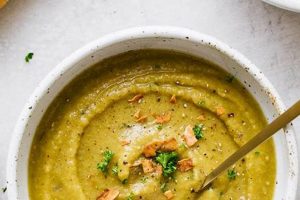
A creamy, plant-based dish featuring cruciferous vegetables, specifically white brassica oleracea and green brassica oleracea var. italica, constitutes a nutritious and flavorful meal option. Typically prepared by blending cooked vegetables with a plant-based broth and seasonings, this culinary creation offers a comforting and wholesome experience. A common example includes simmering florets until tender, then pureeing them with vegetable stock, herbs, and spices to achieve a smooth and velvety texture.
This culinary preparation provides several advantages. It represents a source of vitamins, minerals, and dietary fiber, supporting overall health and well-being. Moreover, its suitability for particular dietary restrictions makes it a versatile choice for individuals adhering to plant-based eating patterns. Historically, vegetable-based purees have served as accessible and nourishing meals, particularly during periods of limited resource availability, demonstrating their enduring value in culinary traditions.
The subsequent sections will delve into specific recipe variations, nutritional information, preparation techniques, and serving suggestions to enhance the understanding and enjoyment of this vegetable-centered dish. These explorations aim to provide a comprehensive guide for creating and appreciating this nutritious and flavorful culinary option.
Preparation Strategies
Optimizing the flavor and texture of this vegetable-based preparation involves several key techniques. Applying these strategies enhances the culinary outcome, yielding a more palatable and nutritious final product.
Tip 1: Roasting for Enhanced Flavor: Pre-roasting the cauliflower and broccoli florets before simmering intensifies their natural sweetness and imparts a subtle caramelized note. Toss the florets with olive oil, salt, and pepper, then roast at 400F (200C) until tender and slightly browned.
Tip 2: Utilize High-Quality Broth: The foundation of a flavorful dish relies on a well-developed broth. Opt for a low-sodium vegetable broth or prepare a homemade version using vegetable scraps for a richer, more complex flavor profile.
Tip 3: Incorporate Aromatics: Sauting aromatic vegetables such as onions, garlic, and leeks in olive oil before adding the broth and vegetables introduces depth of flavor. Consider adding a pinch of red pepper flakes for a subtle heat.
Tip 4: Proper Seasoning is Crucial: Taste and adjust the seasoning throughout the cooking process. Salt, pepper, and nutritional yeast can significantly enhance the overall taste. A squeeze of lemon juice or a splash of apple cider vinegar brightens the flavors at the end.
Tip 5: Achieving a Smooth Texture: Employ a high-speed blender or an immersion blender to achieve a velvety-smooth consistency. If using a regular blender, ensure the soup has cooled slightly before blending to avoid potential hazards. Blend in batches for safety.
Tip 6: Add Creaminess Naturally: To achieve a creamy texture without dairy, consider incorporating blended cashews, white beans, or coconut milk. These additions contribute richness and a smooth mouthfeel.
Tip 7: Garnishing for Visual Appeal and Added Flavor: Garnish the finished product with fresh herbs like parsley or chives, a swirl of coconut cream, or a sprinkle of toasted pumpkin seeds for added texture and visual appeal.
By incorporating these preparation strategies, individuals can elevate the flavor and texture profile, resulting in a more satisfying and nutritious dining experience. These approaches ensure a balanced and flavorful final product.
The subsequent section will focus on potential ingredient substitutions and adaptations to accommodate various dietary needs and preferences.
1. Creamy Texture

The texture is a significant factor influencing the overall sensory experience of this dish. Achieving a creamy consistency without the use of dairy products requires specific techniques and ingredient considerations, ultimately defining its appeal and marketability.
- Blending Techniques
The primary method for achieving smoothness involves the effective utilization of blending. High-speed blenders or immersion blenders are employed to break down the cooked vegetables, creating a homogenous mixture. The duration and intensity of blending directly correlate with the fineness of the resulting texture. Insufficient blending can result in a grainy or lumpy consistency, while over-blending may lead to an undesirable pasty outcome.
- Plant-Based Cream Alternatives
To augment the inherent creaminess, various plant-derived ingredients can be incorporated. Soaked and blended cashews, coconut milk (full-fat or light), or white beans offer different levels of richness and viscosity. The choice of alternative impacts the final flavor profile, necessitating careful consideration of complementary seasoning. These additives can replace the role of dairy cream in traditional recipes.
- Vegetable Starch Release
Cauliflower and broccoli naturally contain starches that, when cooked and blended, contribute to thickening the liquid. The cooking process gelatinizes these starches, increasing the viscosity of the mixture. This inherent thickening property can be leveraged to reduce the need for excessive additions of plant-based creams, maintaining a lighter overall caloric content.
- Fat Content Modulation
Careful consideration of fat content through ingredient selection is paramount in achieving desired creaminess levels. While coconut milk imparts substantial fat, other options like cashews or white beans offer a lower-fat alternative. Achieving the perfect texture is a balance, and fat level need to consider to avoid a undesirable after taste. Adjustments in fat levels provide versatility in accommodating different dietary preferences and nutritional requirements.
The successful integration of blending, alternative cream sources, leveraging vegetable starches, and adjusting fat content contributes to the ultimate expression. This synthesis transforms a simple vegetable base into a comforting and palatable meal. Understanding these elements allows for tailored recipe adjustments to suit individual preferences and dietary restrictions, highlighting the adaptive nature of this preparation.
2. Nutrient Density

The inherent value of the preparation resides significantly in its high nutrient density, representing a concentrated source of essential vitamins, minerals, and phytonutrients per calorie. This attribute positions the dish as a beneficial component of a balanced dietary regimen.
- Vitamin C Content
Both cauliflower and broccoli are notably rich in Vitamin C, an essential nutrient functioning as an antioxidant, supporting immune function, and contributing to collagen synthesis. Consuming a serving offers a substantial contribution toward the recommended daily intake, bolstering the body’s defenses against oxidative stress and infection.
- Fiber Provision
The presence of dietary fiber, abundant in both vegetables, promotes digestive health, regulates blood sugar levels, and contributes to feelings of satiety. Adequate fiber intake is associated with a reduced risk of chronic diseases, including cardiovascular disease and type 2 diabetes, making this vegetable combination a valuable asset in promoting metabolic well-being.
- Cruciferous Compounds
Cauliflower and broccoli belong to the cruciferous vegetable family, known for containing unique compounds like glucosinolates. These compounds, when broken down during digestion, produce isothiocyanates, which exhibit potential anti-cancer properties. Regular consumption may contribute to reducing the risk of certain types of cancer, emphasizing the importance of incorporating cruciferous vegetables into a preventative dietary strategy.
- Mineral Contribution
Beyond vitamins and fiber, this vegetable combination provides a range of essential minerals, including potassium, manganese, and magnesium. Potassium is crucial for maintaining healthy blood pressure levels, manganese plays a role in bone health and metabolism, and magnesium is involved in numerous enzymatic reactions. These minerals collectively contribute to overall physiological function and well-being.
The convergence of Vitamin C, dietary fiber, cruciferous compounds, and essential minerals underscores the exceptional nutrient density, reinforcing its role as a valuable component of a balanced diet. The preparation’s concentrated provision of essential nutrients highlights its potential benefits for promoting overall health, disease prevention, and metabolic well-being.
3. Plant-Based Ingredients
The defining characteristic of this vegetable-focused preparation is its exclusive reliance on plant-derived components, directly impacting its nutritional profile, ethical considerations, and accessibility to individuals adhering to specific dietary patterns. The absence of animal products fundamentally alters the sourcing, preparation, and overall environmental footprint of the dish compared to conventional recipes.
The substitution of dairy-based cream with plant-based alternatives exemplifies this reliance. Instead of cow’s milk or cream, ingredients like blended cashews, coconut milk, or pureed white beans contribute the desired creamy texture. This substitution has cascading effects: it lowers the saturated fat content, increases the fiber content (depending on the alternative chosen), and eliminates lactose, rendering the dish suitable for individuals with lactose intolerance. The ethical implications are also significant, as it avoids the potential welfare concerns associated with dairy farming. Furthermore, the selection of plant-based ingredients like locally sourced, organic vegetables can further minimize the environmental impact through reduced transportation and pesticide use. A real-world example is a recipe specifying coconut milk over heavy cream, resulting in a dish lower in saturated fat and cholesterol, aligning with heart-healthy dietary guidelines.
In summary, the strategic selection of plant-based ingredients is not merely a substitution exercise but a conscious decision that profoundly influences the nutritional composition, ethical implications, and environmental impact. Recognizing this connection allows for informed choices in recipe development and consumption, promoting a more sustainable and health-conscious approach to food. However, potential challenges include sourcing high-quality ingredients and addressing nutritional gaps that may arise from the exclusion of animal products. By carefully addressing these factors, one can fully harness the benefits of a plant-based culinary approach.
4. Dietary Fiber

The preparation inherently possesses a significant quantity of dietary fiber, a direct consequence of its primary ingredients. Cauliflower and broccoli are both recognized as substantial sources of this crucial nutrient. The fiber content contributes significantly to the dish’s overall nutritional profile and its potential health benefits. For instance, a one-cup serving provides a notable percentage of the recommended daily fiber intake.
Dietary fiber’s presence within this culinary creation affects various physiological processes. It promotes digestive regularity by adding bulk to the stool, mitigating constipation. Furthermore, soluble fiber, a component of both cauliflower and broccoli, can assist in regulating blood sugar levels by slowing glucose absorption. Real-world applications include individuals with type 2 diabetes incorporating this vegetable-centered preparation into their meal plans to aid glycemic control. Fiber also contributes to increased satiety, potentially assisting in weight management by reducing overall caloric intake. Incorporating this preparation as a component of a balanced diet can support weight management goals.
In summary, the dietary fiber derived from cauliflower and broccoli is an integral element, profoundly influencing its nutritional characteristics and physiological effects. Its contribution to digestive health, blood sugar regulation, and satiety underscores its practical importance in promoting overall well-being. However, it’s important to gradually increase fiber intake to avoid potential gastrointestinal discomfort. Consuming adequate fluids alongside fiber-rich foods is also essential to optimize its benefits and prevent adverse effects. The interplay between dietary fiber and the preparation serves as a valuable example of how thoughtful ingredient selection can yield tangible health advantages.
5. Broth Selection

Broth selection exerts a profound influence on the final flavor profile of the preparation. The liquid component serves as a foundation upon which the inherent flavors of the vegetables are built, significantly impacting the overall palatability and sensory experience. A poorly chosen or inadequately flavored broth can diminish the inherent qualities of the cauliflower and broccoli, resulting in a bland or unappetizing outcome, while a carefully selected broth can enhance their natural sweetness and earthiness. The choice, therefore, constitutes a critical step in the culinary process, directly determining the dish’s success or failure. For example, using plain water in lieu of broth will yield a drastically less flavorful result.
Plant-based broth options suitable for this dish encompass commercially prepared vegetable broths, homemade vegetable stocks derived from vegetable scraps, and even infusions of herbs and spices. Each option presents a distinct flavor profile. Pre-made vegetable broths vary widely in sodium content and ingredient composition, necessitating careful label reading to avoid excessive saltiness or undesirable additives. Homemade stocks, prepared by simmering vegetable trimmings, herbs, and spices in water, offer greater control over the final flavor and sodium content. Moreover, specific flavor pairings can be intentionally incorporated; for example, adding roasted garlic or caramelized onions to the stock-making process will impart a deeper, more complex flavor that complements the cauliflower and broccoli. An example might be a broth simmered with rosemary and thyme for an earthy note.
In conclusion, broth selection represents a fundamental aspect of crafting a successful dish. The chosen liquid not only provides moisture but also imparts significant flavor, influencing the ultimate sensory experience. The decision between commercial and homemade broths, as well as the incorporation of complementary flavorings, directly impacts the overall quality and palatability. Recognizing the significance of this element empowers culinary practitioners to fine-tune their recipes, achieving optimal results. One needs to avoid any ingredients that cause undesirable chemical reaction, taste etc..
6. Seasoning Balance

Seasoning balance is critical to the palatability and overall success of any culinary preparation, particularly in a dish reliant on the relatively mild flavors of cauliflower and broccoli. The absence of animal fats or intense spices necessitates precise calibration of flavor elements to elevate the dish beyond a bland vegetable puree. An imbalance in seasoning can manifest in several undesirable outcomes, ranging from an overly salty or bitter taste to a complete lack of discernible flavor, rendering the dish unappetizing. Therefore, achieving seasoning harmony constitutes a pivotal step in transforming simple ingredients into a satisfying and flavorful meal. A practical example involves the use of excessive salt, which overwhelms the natural sweetness of the vegetables, masking their nuanced flavors.
Effective seasoning balance in this context involves the strategic application of salt, pepper, acidity, and umami. Salt enhances the inherent flavors of the vegetables, while pepper introduces a subtle warmth and complexity. Acidity, often provided by lemon juice or vinegar, brightens the overall profile, preventing it from becoming overly heavy or monotonous. Umami, the savory fifth taste, can be incorporated through ingredients such as nutritional yeast, soy sauce (used sparingly), or roasted vegetables, adding depth and richness. The interplay of these elements requires careful attention, with adjustments made incrementally throughout the cooking process. For instance, adding a small amount of lemon juice at the end can lift the flavors and balance the richness of plant-based cream alternatives.
In summary, seasoning balance is not merely an afterthought but an integral component in achieving a palatable and satisfying dish. The precise calibration of salt, pepper, acidity, and umami is essential for elevating the inherent flavors of the vegetables and preventing the dish from becoming bland or unbalanced. A nuanced understanding of these principles allows for deliberate and informed seasoning choices, resulting in a more flavorful and enjoyable culinary experience. Furthermore, individuals can tailor the seasoning to accommodate diverse palates and dietary considerations, making a adaptable culinary creation.
7. Roasting Option

The roasting option, in the context of preparing a vegetable-based pureed dish, represents a significant divergence from traditional boiling or steaming methods. Its application profoundly influences the final flavor profile and textural nuances, thereby warranting specific consideration within the culinary process. This method necessitates a deviation in preparation techniques and carries implications for the overall nutritional composition and sensory attributes of the final product.
- Enhanced Flavor Development
Roasting promotes Maillard reaction, a chemical process between amino acids and reducing sugars that occurs at elevated temperatures, resulting in the development of complex flavors. This process caramelizes the natural sugars present in the cauliflower and broccoli, yielding a sweeter, more nuanced taste compared to the blander outcome of boiling or steaming. The intensified flavors provide a depth often lacking in conventionally prepared dishes, potentially reducing the need for excessive seasoning or flavor enhancers. For instance, roasted garlic cloves incorporated during the roasting process infuse the vegetables with a savory undertone.
- Textural Transformation
Roasting induces dehydration, leading to a concentration of solids and a subtle crisping of the outer surfaces of the vegetables. While the internal texture remains tender, this slight exterior char contributes to a more complex mouthfeel when pureed, adding a subtle contrast to the smooth consistency. This textural variation enhances the sensory experience, preventing the dish from becoming monotonous. A real-world example includes the contrasting textures created by roasting cauliflower florets until the edges are slightly browned, then blending them into the broth.
- Nutritional Considerations
Roasting may impact the nutritional content of the vegetables compared to boiling or steaming. While certain vitamins, such as Vitamin C, may be slightly reduced due to heat exposure, other nutrients, such as carotenoids, may become more bioavailable. Additionally, roasting may increase the concentration of certain antioxidants. Therefore, the nutritional implications of roasting, while not universally detrimental, require careful consideration in the context of specific dietary needs or health goals. A study comparing nutrient retention in roasted versus boiled broccoli could provide further insights.
- Preparation Time and Energy Consumption
Roasting typically requires a longer preparation time compared to boiling or steaming due to the lower cooking temperatures and the need for sufficient caramelization. Furthermore, oven roasting consumes more energy compared to stovetop methods. These factors should be considered in the context of resource availability and time constraints. However, the enhanced flavor and textural benefits may justify the increased time and energy investment for some individuals. Batch roasting vegetables for multiple meals can mitigate some of these concerns.
In conclusion, the roasting option offers a significant pathway to enhancing the flavor and texture complexities, distinguishing it from conventional preparation techniques. While potential nutritional impacts and energy consumption need acknowledgment, the benefits, such as caramelized flavors and enhanced texture, underscore its value. Incorporating the roasting step transforms a simple vegetable-based preparation into a richer culinary experience, underscoring its relevance within the broader culinary landscape.
Frequently Asked Questions
This section addresses common inquiries and misconceptions regarding the preparation and consumption of this plant-based dish, providing clear and informative answers.
Question 1: Is this dish nutritionally complete without animal products?
While it lacks certain nutrients abundant in animal products (e.g., Vitamin B12), it provides a wealth of vitamins, minerals, and fiber. Consuming a balanced diet alongside this soup ensures adequate nutrient intake. Consider supplementing Vitamin B12 if following a strict vegan diet.
Question 2: Can frozen vegetables be used in place of fresh?
Yes, frozen vegetables are a viable alternative, particularly when fresh produce is unavailable. However, be mindful that the texture may be slightly different. Frozen vegetables are often flash-frozen at peak ripeness, preserving their nutritional value.
Question 3: How can the soup be thickened without using flour or cornstarch?
Blending a portion of the cooked vegetables until smooth is an effective thickening method. Alternatively, adding pureed white beans or blended cashews will contribute both thickness and creaminess.
Question 4: What are some suitable substitutions for individuals with nut allergies?
For those with nut allergies, pureed white beans, sunflower seed butter (used sparingly), or additional cooked vegetables can replace cashews as a thickening agent. Always verify ingredient labels to ensure allergen-free products are used.
Question 5: How long can it be safely stored in the refrigerator?
It can be safely stored in an airtight container in the refrigerator for up to three to four days. Ensure it cools completely before refrigerating to prevent bacterial growth. Reheat thoroughly before consumption.
Question 6: Does freezing alter the texture or flavor of this preparation?
Freezing may slightly alter the texture, making it somewhat less creamy upon thawing. However, the flavor generally remains consistent. To minimize textural changes, allow it to thaw slowly in the refrigerator. It can be stored in the freezer for up to three months.
These FAQs provide a concise overview of common concerns and practical considerations related to preparing and enjoying this plant-based dish. Addressing these questions promotes informed decision-making and ensures a positive culinary experience.
The subsequent section will explore diverse serving suggestions and potential culinary pairings.
Conclusion
The preceding exploration has detailed various aspects of the vegetable-centered dish. From preparation strategies and nutritional composition to ingredient substitutions and common inquiries, a comprehensive understanding of its multifaceted nature has been presented. The dish constitutes a versatile and nutritious meal option, adaptable to diverse dietary needs and culinary preferences. The use of plant-based ingredients aligns with ethical and environmental considerations, offering a sustainable and health-conscious dietary choice.
Further investigation into innovative flavor combinations and variations of this dietary staple is encouraged. Continued culinary experimentation will undoubtedly reveal new and exciting applications, solidifying its position as a valuable and enduring component of plant-based cuisine. Its significance as a nourishing and accessible culinary option cannot be understated.