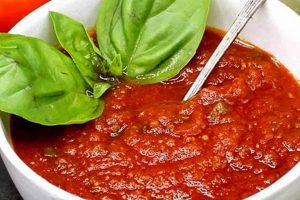
A culinary formulation, traditionally dairy-based, can be adapted to exclude animal products while retaining its characteristic creamy texture and nuanced flavor profile. This involves substituting ingredients such as heavy cream with plant-derived alternatives, like cashew cream or coconut cream, and butter with olive oil or vegan butter substitutes. The resulting dish offers a non-animal ingredient based option for individuals adhering to a plant-based diet without sacrificing the richness associated with the original preparation.
The significance of such an adaptation lies in its accessibility and appeal to a broader range of dietary preferences. This modified version allows those seeking to reduce or eliminate animal product consumption to enjoy a popular pasta sauce. Furthermore, these modifications can offer nutritional benefits, potentially lowering cholesterol and saturated fat content while maintaining desirable taste attributes. The historical context of this culinary adaptation reflects a growing consumer demand for plant-based options across various food categories.
The main components of this article will delve into specific ingredient substitutions, detailed preparation methods, and variations for different palates. We will also address common challenges and provide solutions for achieving optimal texture and flavor in the final product, along with suggestions for complementing pasta dishes and serving suggestions.
Tips for Crafting a Superior Plant-Based Vodka Sauce
The creation of a high-quality, plant-based version necessitates careful attention to ingredient selection and preparation techniques. The following tips provide guidance for achieving a balanced flavor profile and desirable consistency.
Tip 1: Base Selection: Opt for raw cashews or full-fat coconut cream as the base for achieving a creamy texture. Raw cashews necessitate overnight soaking or boiling to soften them for blending, while coconut cream should be chilled to separate the solid cream from the liquid.
Tip 2: Vegetable Broth Enhancement: Employ a high-quality vegetable broth, preferably homemade or low-sodium, to add depth of flavor. Avoid overly salty broths, as this can negatively impact the final taste.
Tip 3: Tomato Product Selection: Utilize high-quality crushed tomatoes, ideally San Marzano, for their natural sweetness and low acidity. Tomato paste contributes concentrated tomato flavor and body to the sauce.
Tip 4: Vodka Usage: Do not omit the vodka. It emulsifies the sauce ingredients and contributes a distinct flavor note. Allow the vodka to simmer and reduce for several minutes to eliminate the harsh alcohol taste.
Tip 5: Spice Application: Implement dried oregano, basil, and red pepper flakes judiciously. Start with small amounts and adjust to taste. Fresh herbs, added at the end, will brighten the sauce.
Tip 6: Acidity Balance: A small amount of balsamic vinegar or lemon juice balances the acidity of the tomatoes and enhances the overall flavor. Add cautiously and taste frequently.
Tip 7: Blending Technique: Employ a high-powered blender to ensure a completely smooth and creamy consistency. Straining the sauce through a fine-mesh sieve after blending can remove any remaining solids.
These guidelines will assist in producing a sauce with a rich, creamy texture and a complex, well-balanced flavor profile. Consistent application of these techniques will lead to a superior outcome.
Next, we will explore potential variations and complementary pasta pairings to further elevate the dining experience.
1. Creamy Texture Achievement

The attainment of a creamy texture is paramount in replicating the sensory experience of traditional formulations. In the context of plant-based adaptations, this presents a challenge due to the absence of dairy-based ingredients, which naturally contribute to the desired consistency. Therefore, specific techniques and ingredient substitutions are necessary to emulate this characteristic. For instance, raw cashews, when soaked and blended, provide a smooth and rich base mimicking cream’s texture. Similarly, full-fat coconut cream, with its high fat content, offers a viable alternative. The failure to achieve a creamy texture can result in a sauce that is thin, watery, and lacking the characteristic mouthfeel, thereby diminishing the overall palatability.
The relationship between proper ingredient preparation and textural outcome is direct. Inadequate soaking of cashews leads to a grainy texture, while using low-fat coconut milk yields a thinner sauce. The use of a high-powered blender is also critical, ensuring that the chosen base is thoroughly processed to eliminate any remaining particulate matter. Real-life examples demonstrate this principle: a chef using unsweetened almond milk may find the sauce too thin, whereas one using cashew cream can create a velvety smooth result. Furthermore, the order in which ingredients are added affects the final texture, with gradual incorporation of plant-based milk ensuring uniform consistency.
Ultimately, achieving a creamy texture in non-animal ingredient-based adaptations hinges on understanding the properties of the selected ingredient substitutes and employing appropriate preparation methods. The understanding of this principle enables the creation of a product that closely mirrors the traditional version, thereby enhancing the accessibility and appeal to individuals seeking plant-based alternatives. Overcoming challenges, such as ingredient availability and varying blending equipment, requires adaptability and experimentation, but the end result is a product that aligns with both dietary preferences and culinary expectations.
2. Vodka's Flavor Contribution

The inclusion of vodka in the formulation transcends a mere alcoholic addition; it serves a functional and sensory purpose, influencing the overall character of a plant-based adaptation.
- Emulsification Enhancement
Vodka, being a hydro-alcoholic solvent, aids in the emulsification of oil-based and water-based components within the sauce. This process facilitates the harmonious blending of tomato, plant-based cream, and aromatic elements, preventing separation and promoting a homogenous texture. Without vodka, achieving a consistent emulsion can prove challenging, particularly when utilizing plant-based cream substitutes, which may exhibit different binding properties compared to dairy cream. Examples include preventing the separation of olive oil from the tomato base, thereby ensuring a smoother mouthfeel.
- Flavor Nuance Development
While the perception of vodka’s flavor might be subtle, it contributes a certain “bite” or sharpness that balances the sweetness of the tomatoes and richness of the plant-based cream. The alcohol acts as a carrier, amplifying the aromatic compounds present in other ingredients such as garlic, onions, and herbs. This subtle flavor lift differentiates the sauce from a standard tomato-based preparation. In practice, the absence of vodka may result in a sauce perceived as overly sweet or lacking in complexity.
- Acidity Modulation
The slight acidity inherent in vodka can counteract the inherent sweetness of tomatoes, preventing the sauce from becoming cloying. This is particularly relevant when employing certain varieties of tomatoes that possess a high sugar content or when adding sugar to balance the sauce’s acidity. A small amount of vodka can effectively restore the equilibrium of flavors, ensuring a palatable and balanced taste profile.
In the context of this recipe, vodka’s contribution extends beyond simply imparting a distinct taste; it serves as a crucial ingredient that affects both the texture and overall flavor profile. Careful consideration of its quantity and integration method is therefore essential to achieve a well-balanced and appealing plant-based rendition.
3. Plant-Based Milk Alternatives

Plant-based milk alternatives form a crucial component in the creation of a dairy-free version. These substitutes offer varying degrees of creaminess, flavor, and nutritional content, each impacting the final sauce in distinct ways.
- Cashew Cream’s Richness
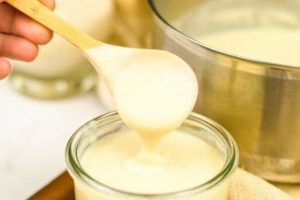
Cashew cream, produced by blending soaked cashews with water, offers a naturally rich and creamy texture remarkably similar to dairy cream. Its neutral flavor profile allows the other ingredients in the sauce to shine. The application of cashew cream can transform a potentially thin sauce into a luxurious, velvety preparation. Overuse, however, can introduce an overly nutty flavor, diminishing the sauce’s intended taste.
- Coconut Cream’s Tropical Note
Coconut cream, derived from chilled coconut milk, provides a high fat content and contributes a distinct tropical note. While it can impart considerable creaminess, the coconut flavor may not complement all palates or tomato-based sauces effectively. The use of refined coconut oil instead of coconut cream might reduce the tropical flavor while still contributing to the texture.
- Oat Milk’s Subtle Sweetness
Oat milk, known for its mild sweetness and creamy texture, represents another alternative. It has less fat than cashew or coconut cream. While oat milk blends well and does not significantly alter the flavor profile, it might not deliver the same level of richness as higher-fat options.
- Soy Milk’s Versatility
Soy milk, a widely available and relatively neutral-tasting option, can be used but may require thickening agents like cornstarch to achieve the desired consistency. Its lower fat content necessitates additional adjustments to replicate the richness of traditional dairy-based sauces. Soy milk is best for those without soy allergies or sensitivities.
The selection of a plant-based milk alternative directly influences the sensory qualities of the finished dish. Careful consideration of flavor, texture, and potential adjustments is essential for producing an acceptable non-animal ingredient based vodka sauce. Experimentation with different alternatives and combinations thereof allows for culinary customization, catering to personal preferences and dietary restrictions.
4. Tomato Acidity Management

Tomato acidity significantly impacts the flavor profile of plant-based vodka sauce. Without proper management, the inherent acidity of tomatoes can overwhelm the sauce, creating an unbalanced and unpalatable outcome. The following details the key components of acidity management in relation to this specific culinary application.
- Tomato Variety Selection
Different tomato varieties possess varying levels of acidity. San Marzano tomatoes, often favored for their sweetness and lower acidity, can mitigate the need for extensive adjustments. Conversely, using highly acidic varieties necessitates more aggressive corrective measures. For instance, Roma tomatoes, while readily available, tend to be more acidic, thus requiring adjustments to achieve flavor balance. Selecting less acidic varieties represents a proactive approach to acidity management.
- Sugar Addition
The addition of sugar, typically granulated white sugar or brown sugar, directly counteracts tomato acidity. The quantity must be carefully calibrated to avoid making the sauce overly sweet. Starting with small increments, such as a quarter teaspoon at a time, and tasting frequently is recommended. The use of natural sweeteners, such as agave nectar or maple syrup, offers alternative approaches, but may impart distinct flavor characteristics. In practice, a tablespoon of sugar may be sufficient for a large batch, but specific amounts vary based on the tomato variety and personal preference.
- Baking Soda Neutralization
Baking soda (sodium bicarbonate) is a potent neutralizer of acids. A small amount, typically a pinch, can significantly reduce acidity. Excessive use of baking soda, however, can result in an undesirable soapy flavor. It is crucial to introduce baking soda gradually and taste the sauce after each addition. This method provides a more direct chemical neutralization of the acidic compounds, contrasting with the masking effect of sugar. The chemical reaction produces carbon dioxide, which may cause slight foaming; stirring the sauce dissipates this effect.
- Creamy Component Adjustment
The plant-based cream alternative used in the recipe also impacts the perception of acidity. Richer, higher-fat options, such as cashew cream or full-fat coconut cream, can naturally balance acidity by providing a creamy counterpoint. Conversely, using lower-fat alternatives, like oat milk, may exacerbate the perception of acidity, necessitating further corrective measures. Selecting a creamier plant-based alternative can reduce the overall need for sugar or baking soda additions.
Effective tomato acidity management is essential to the success of this recipe. By considering tomato variety, judiciously employing sugar or baking soda, and adjusting the creamy component, a well-balanced and flavorful plant-based vodka sauce can be achieved. These techniques, when applied with careful attention to detail, ensure that the sauce complements the pasta without overwhelming the palate.
5. Nutritional Profile Modification

The transition to a plant-based adaptation inherently modifies the nutritional composition compared to traditional formulations. Traditional vodka sauce typically contains high levels of saturated fat and cholesterol derived from dairy cream and butter. A primary effect of replacing these ingredients with plant-based alternatives, such as cashew cream or olive oil, is a significant reduction in saturated fat and the elimination of cholesterol. This modification has direct implications for cardiovascular health, potentially reducing the risk of heart disease. For example, a serving of traditional vodka sauce might contain 15 grams of saturated fat, while a version using cashew cream could reduce this to 3 grams or less. This shift is particularly relevant for individuals managing cholesterol levels or seeking to reduce their intake of animal-derived fats. The importance of this alteration lies in its ability to transform a traditionally rich, calorie-dense dish into a more health-conscious option without sacrificing flavor or texture.
Further nutritional adjustments can be achieved through strategic ingredient selection. Using whole-grain pasta in conjunction with this plant-based sauce increases fiber content, promoting satiety and improved digestive health. The addition of vegetables, such as spinach or mushrooms, enhances the vitamin and mineral content. Sodium content can also be managed by using low-sodium vegetable broth and avoiding excessive salt additions. These adjustments are practically significant because they allow for a customizable nutritional profile tailored to individual dietary needs. For instance, individuals with diabetes can benefit from the lower carbohydrate content achieved by limiting added sugars and prioritizing fiber-rich pasta alternatives. Moreover, the choice of plant-based milk alternative affects the overall nutrient profile, with options like fortified soy milk providing comparable protein and calcium levels to dairy milk.
In summary, the adaptation offers a platform for substantial nutritional modification. By replacing dairy fats with plant-based alternatives and incorporating nutrient-rich ingredients, the resulting dish can provide a healthier and more balanced dietary option. Challenges may include achieving a similar level of richness without excessive reliance on high-fat plant-based alternatives. The practical significance of this understanding is its ability to empower individuals to make informed dietary choices, enjoying a familiar and satisfying dish while aligning with health and wellness goals. This shift represents a growing trend toward plant-centric eating patterns, emphasizing both ethical and nutritional considerations.
Frequently Asked Questions
The following addresses common inquiries regarding the preparation, ingredients, and characteristics of non-animal ingredient based vodka sauce. It aims to provide clarification and address potential concerns.
Question 1: Can alcohol be omitted entirely without affecting the outcome?
While the sauce can technically be prepared without vodka, its omission impacts both the flavor and texture. Vodka acts as an emulsifier, aiding in the combination of oil and water-based ingredients. Its absence may result in a less cohesive and flavorful sauce. Reducing the quantity, but not eliminating it entirely, is a potential compromise.
Question 2: Is it possible to use store-bought plant-based cream instead of making cashew or coconut cream?
Yes, pre-made plant-based creams can be used, but the resulting flavor and consistency vary depending on the brand and specific product. Some store-bought options may contain additives or stabilizers that affect the sauce’s overall character. It is advisable to carefully review the ingredient list and choose a product with minimal additives. Homemade cashew or coconut cream generally offers greater control over ingredients and flavor.
Question 3: How can the sauce be thickened if it is too thin?
Several methods exist to thicken the sauce. A cornstarch slurry (equal parts cornstarch and cold water) can be gradually added while simmering, allowing the sauce to thicken. Alternatively, blending a small portion of the sauce with additional cashews (if using cashew cream) can increase its viscosity. Reducing the sauce for a longer period also concentrates the flavors and thickens the consistency.
Question 4: Can frozen tomatoes be used in place of fresh or canned tomatoes?
Frozen tomatoes can be used, but their texture changes during freezing and thawing. They may release more water, requiring additional thickening. Ensure that the frozen tomatoes are of good quality and do not exhibit freezer burn. Thawing and draining excess liquid before adding them to the sauce is recommended.
Question 5: How long does this sauce last in the refrigerator?
When properly stored in an airtight container, the sauce typically remains palatable for 3-4 days in the refrigerator. Observe for any signs of spoilage, such as changes in color, odor, or texture, before consumption. Freezing the sauce extends its shelf life considerably, maintaining quality for up to 2-3 months.
Question 6: Is it possible to make this recipe nut-free?
Yes, substituting a different plant-based milk like oat milk or soy milk can create a nut-free version. These alternatives may require adjustments to achieve the desired creaminess, potentially involving the addition of thickening agents like cornstarch or a roux.
In conclusion, the principles and techniques described provide options for personalizing this plant based dish. The success of the final product lies in carefully selecting ingredients that align with your dietary needs and preferences.
The following section will explore suitable pasta pairings and serving suggestions to enhance the overall dining experience.
Conclusion
This exposition has detailed the formulation of a non-animal ingredient-based variant of the traditional vodka sauce recipe, examining the modifications required to replicate the original’s creamy texture and complex flavor profile. Key considerations include the selection of plant-based cream alternatives, the functional role of vodka in emulsification, and strategies for managing tomato acidity. The resulting adaptation offers a compelling alternative for individuals adhering to plant-based diets or seeking to reduce their consumption of animal products.
The demonstrated accessibility and adaptability of the vegan vodka sauce recipe underscore its potential for widespread adoption. Further culinary exploration may focus on refining ingredient substitutions and optimizing preparation techniques to enhance both nutritional value and sensory appeal. The ongoing evolution of plant-based cuisine suggests a promising future for innovative and health-conscious renditions of classic dishes.