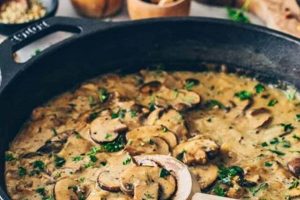
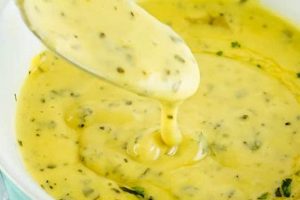
A plant-based culinary creation, this typically comprises spinach, plant-based milk or cream alternatives, garlic, onions, herbs, and seasonings, pureed into a smooth or textured sauce. Nutritional yeast, nuts, or seeds may be added to enhance flavor and creaminess. One might use this sauce to coat various pasta shapes, providing a flavorful and nutrient-rich meal.
It offers a healthful and ethical alternative to traditional dairy-based pasta sauces. Rich in vitamins, minerals, and antioxidants from the spinach, it caters to individuals adhering to vegan dietary guidelines while also providing a nutritious meal option for those seeking to increase their vegetable intake. The versatility of the preparation allows for diverse flavor profiles and ingredient substitutions, adapting to individual preferences and dietary needs.
The following discussion explores variations, preparation methods, nutritional advantages, and considerations when integrating this plant-based sauce into a balanced diet.
Preparation and Usage Guidelines
The subsequent points offer guidance for optimal creation and utilization of this product, ensuring a palatable and nutritionally sound outcome.
Tip 1: Spinach Preparation: Blanch fresh spinach before incorporating it into the sauce. This reduces bitterness and enhances the vibrant green color. Submerge the spinach in boiling water for approximately one minute, then transfer it immediately to an ice bath to halt the cooking process.
Tip 2: Creaminess Enhancement: Achieve a creamy texture through the inclusion of soaked cashews or white beans. Blend these ingredients with plant-based milk before combining them with the other sauce components.
Tip 3: Flavor Depth: Saut garlic and onions in olive oil before adding other ingredients. This process develops a savory base that complements the spinach flavor. Consider incorporating roasted garlic for a more intense taste.
Tip 4: Nutritional Yeast Addition: Integrate nutritional yeast for a cheese-like flavor. This also increases the sauce’s vitamin B content. Start with a small amount and adjust to taste.
Tip 5: Acid Balance: Add a squeeze of lemon juice or a dash of apple cider vinegar to brighten the flavor and balance the richness. This also helps to preserve the vibrant color of the sauce.
Tip 6: Pasta Pairing: Select pasta shapes that effectively capture the sauce, such as penne, fusilli, or rotini. Cook the pasta al dente to ensure optimal texture when combined with the sauce.
Tip 7: Seasoning Adjustment: Season the sauce gradually, tasting frequently. Common seasonings include salt, pepper, garlic powder, and onion powder. Consider incorporating herbs such as basil, oregano, or parsley.
Adherence to these guidelines will facilitate the production of a flavorful and nutritious meal component, enhancing the overall dining experience.
The following section delves into potential variations and creative applications of this versatile condiment.
1. Creaminess

The desired consistency, referred to as “creaminess,” plays a crucial role in the overall palatability and enjoyment of plant-based spinach pasta sauce. Without the dairy fats found in traditional cream-based sauces, achieving a similar texture in a vegan alternative requires careful consideration of ingredient selection and preparation methods. The absence of this textural element can negatively impact the perceived richness and satiety of the final dish. For instance, a sauce lacking in “creaminess” may feel thin or watery, resulting in a less satisfying culinary experience. Conversely, a well-executed creamy texture enhances the mouthfeel, making the sauce more appealing and enjoyable.
Various methods exist to imbue this plant-based sauce with a desirable texture. The most common approach involves the utilization of plant-based milk alternatives, such as cashew, almond, or oat milk. These options, particularly cashew milk, provide inherent fats that contribute to a smoother and richer consistency. Another technique utilizes soaked and blended cashews or white beans. These ingredients, when finely pureed, create a velvety base that mimics the texture of dairy cream. Additionally, the inclusion of starchy vegetables, such as potatoes or cauliflower, can thicken the sauce and contribute to its overall “creaminess.” The strategic selection and preparation of these ingredients are paramount to achieving the desired texture without compromising the vegan principles of the sauce.
In summary, achieving optimal “creaminess” in plant-based spinach pasta sauce necessitates deliberate ingredient choices and preparation techniques. Plant-based milk alternatives, blended nuts or beans, and starchy vegetables all offer pathways to creating a satisfying and dairy-free creamy texture. The successful incorporation of these strategies elevates the dish, transforming a potentially thin and unsatisfying sauce into a rich and palatable meal component. Failing to address the “creaminess” factor can result in a less desirable outcome, underscoring the importance of understanding and implementing effective thickening methods.
2. Flavor Profile
The flavor profile of this vegan preparation is a composite attribute, directly influencing its appeal and consumer acceptance. It encompasses the totality of taste sensations derived from its constituent ingredients, their proportions, and the method of preparation. A successfully executed flavor profile transcends mere taste; it creates a holistic sensory experience. This is not simply about whether the sauce is palatable, but about the harmony and balance of flavors that engage the palate, ultimately determining its overall success.
Several factors contribute to the flavor profile. The quality of the spinach itself, its inherent bitterness or sweetness, plays a foundational role. The selection and preparation of aromatic vegetables such as garlic and onion introduce savory notes. Herbs, such as basil, oregano, or parsley, contribute distinct aromatic complexities. Nutritional yeast, often incorporated for its umami and cheese-like characteristics, adds depth. Acidic elements, like lemon juice or vinegar, provide brightness and balance the richness. The interaction of these components creates a complex and nuanced flavor profile. An imbalance in any of these elements can diminish the sauces appeal. For example, excessive spinach can lead to an overly bitter taste, while insufficient garlic may result in a bland and uninteresting flavor. Careful consideration of the interplay between these ingredients is crucial to achieving a desirable and well-rounded flavor.
Achieving an optimal flavor profile requires diligent attention to ingredient ratios and culinary techniques. Experimentation and iterative adjustments are often necessary to fine-tune the sauce to individual preferences. The goal is to create a cohesive and harmonious blend of flavors that complements the pasta it accompanies, ensuring a satisfying and memorable culinary experience. A poorly conceived flavor profile can render even the most nutritious and ethically sourced sauce unpalatable, underscoring the paramount importance of this attribute in determining its success and widespread adoption.
3. Nutritional Value

The nutritional value inherent in plant-based spinach pasta sauce constitutes a critical factor in its appeal and healthfulness. The strategic combination of ingredients dictates the presence and concentration of essential micronutrients and macronutrients, influencing its impact on overall dietary intake.
- Vitamin and Mineral Content
The spinach base is a significant source of vitamins A, C, and K, as well as minerals such as iron and calcium. These nutrients play essential roles in immune function, bone health, and oxygen transport. The bioavailability of iron from plant-based sources can be enhanced through the addition of vitamin C-rich ingredients, such as lemon juice. Deficiencies in these micronutrients can have adverse health consequences, highlighting the importance of a nutrient-dense sauce.
- Fiber Content
The inclusion of spinach, along with other vegetables and potential additions like nuts or seeds, contributes to the fiber content of the sauce. Dietary fiber is crucial for promoting digestive health, regulating blood sugar levels, and contributing to satiety. Insufficient fiber intake is a common dietary deficiency, making fiber-rich sauces a valuable addition to meals. Different fibers provide different benefits.
- Macronutrient Profile
The macronutrient composition of the sauce, encompassing protein, carbohydrates, and fats, impacts its energy density and satiety. Plant-based milk alternatives and nuts or seeds contribute fats and protein, while vegetables provide carbohydrates. The ratio of these macronutrients influences the sauces effect on blood sugar and overall metabolic health. The protein content may be further enhanced by incorporating ingredients such as tofu.
- Antioxidant Properties
Spinach contains various antioxidants, including flavonoids and carotenoids, which protect cells from damage caused by free radicals. These antioxidants have been associated with a reduced risk of chronic diseases such as cardiovascular disease and cancer. The antioxidant content can be further augmented by incorporating other antioxidant-rich ingredients, such as garlic and herbs.
These facets of nutritional value underscore the potential health benefits associated with incorporating plant-based spinach pasta sauce into a balanced dietary regimen. Strategic selection of ingredients and careful attention to preparation methods can maximize its nutritional content and contribute to overall well-being. However, it is important to consider other important parameters such as serving size and consumption frequency. The source of ingredients should also be considered.
4. Spinach Source

The provenance of spinach, a principal component of this vegan pasta sauce, significantly impacts its nutritional profile, flavor characteristics, and potential environmental considerations. Different cultivation methods and geographical locations yield spinach with varying levels of vitamins, minerals, and bioactive compounds. Furthermore, the presence of residual pesticides or heavy metals in the spinach is directly related to its source, thereby influencing the healthfulness of the final sauce. For example, spinach grown in organically certified farms typically exhibits lower levels of pesticide residues compared to conventionally grown alternatives, rendering it a preferred choice for health-conscious consumers.
The origin also affects the taste. Spinach grown in sandy soil is different than spinach grown in clay soils. The growing season is also important. Seasonal spinach exhibits a more pronounced flavor than those grown during off-peak months, often resulting in a more robust and flavorful sauce. Understanding the growing condition and location is therefore essential for optimizing the sensory qualities of the final sauce. Moreover, the geographical origin often dictates transportation requirements, with locally sourced spinach minimizing the carbon footprint associated with its procurement and incorporation into the sauce.
In conclusion, careful consideration of the spinach source is paramount to maximizing the nutritional benefits, optimizing the flavor, and minimizing the environmental impact of vegan spinach pasta sauce. Prioritizing organically grown and locally sourced spinach is conducive to creating a sauce that is both healthful and sustainable. Ignoring the origin and only focusing on the recipe would undermine the value of the ingredients and compromise the integrity of the dish.
5. Vegan Compliance

Vegan compliance is a non-negotiable attribute of a “vegan spinach pasta sauce.” It dictates that every ingredient, without exception, must be derived from plant-based sources, excluding any animal products or derivatives. Non-compliance undermines the fundamental principles of veganism, rendering the product mislabeled and unethical for consumers adhering to this lifestyle. For instance, the inclusion of dairy-derived cheese, even in trace amounts, immediately disqualifies the sauce as vegan. Similarly, the use of honey as a sweetener or animal-based rennet in the production of any ingredient would violate vegan compliance. This principle requires stringent scrutiny of every component, from the spinach itself to the emulsifiers and flavorings used in the recipe.
The practical significance of ensuring vegan compliance extends beyond ethical considerations. Many individuals adopt vegan diets due to health concerns, environmental consciousness, or animal welfare beliefs. A product that is falsely labeled as vegan can have detrimental consequences for these consumers. For example, someone with a dairy allergy consuming a non-compliant sauce could experience an adverse reaction. Furthermore, the environmental benefits associated with vegan diets are negated if animal-derived ingredients are surreptitiously incorporated. Therefore, transparency and rigorous adherence to vegan standards are essential for maintaining consumer trust and upholding the integrity of the product. Manufacturers must implement robust quality control measures, including thorough ingredient verification and supplier audits, to guarantee vegan compliance.
In summary, vegan compliance is an indispensable component of a “vegan spinach pasta sauce.” Its importance transcends mere labeling; it is an ethical imperative and a cornerstone of consumer trust. Maintaining strict adherence to vegan standards requires meticulous ingredient selection, rigorous quality control, and a commitment to transparency. Failure to do so undermines the core principles of veganism and can have significant consequences for both consumers and the environment.
6. Preparation Method

The preparation method significantly influences the final characteristics of a vegan spinach pasta sauce, dictating its texture, flavor profile, and nutritional integrity. Variances in technique can alter the sauce’s digestibility, visual appeal, and overall palatability. Therefore, a comprehensive understanding of different preparation methodologies is crucial for optimizing the end product.
- Blanching vs. Raw Spinach Incorporation
Blanching spinach prior to blending mitigates bitterness by deactivating enzymes responsible for undesirable flavors. It also enhances the vibrant green hue of the sauce. Conversely, using raw spinach retains more heat-sensitive nutrients but may result in a less visually appealing and potentially bitter sauce. The choice between these methods depends on desired flavor and nutritional priorities.
- Sauting Aromatics vs. Raw Incorporation
Sauting garlic and onions in oil before adding them to the sauce develops a deeper, more complex flavor profile. The Maillard reaction, occurring during sauting, creates hundreds of flavor compounds absent in raw aromatics. However, raw incorporation preserves heat-sensitive compounds and offers a sharper, more pungent flavor. Sauting typically results in a sweeter, mellower flavor, whereas raw incorporation yields a more assertive taste.
- Blending Technique and Equipment
The blending technique and equipment used impact the sauce’s final texture. High-speed blenders create a smoother, more homogenous sauce, while immersion blenders offer greater control over texture, allowing for a chunkier consistency. Over-blending can generate excessive heat, potentially degrading heat-sensitive nutrients and altering the flavor profile. The choice of equipment and blending duration should align with the desired texture and preservation of nutritional content.
- Thickening Agents and Techniques
Vegan spinach pasta sauces often require thickening agents to achieve a desired consistency. Options include plant-based milk alternatives, nuts, seeds, or starches. Different thickening agents impart varying textures and flavors. For example, cashew cream provides a rich, smooth texture, while cornstarch creates a glossier, more neutral thickening effect. The selection of a thickening agent should complement the overall flavor profile and texture of the sauce.
These preparation methods, each presenting distinct advantages and disadvantages, collectively determine the ultimate characteristics of vegan spinach pasta sauce. Understanding their implications enables informed culinary choices, optimizing flavor, texture, and nutritional value while adhering to vegan principles.
7. Pasta Pairing

The selection of pasta is a critical determinant in the success of any pasta dish, and its significance is amplified when considering the nuances of vegan spinach pasta sauce. The pasta shape, texture, and cooking properties interact with the sauce’s consistency and flavor profile, influencing the overall dining experience.
- Shape and Surface Area
Pasta shapes with intricate designs or large surface areas, such as fusilli, rotini, or penne, effectively capture and retain the sauce. These shapes maximize the sauce-to-pasta ratio, ensuring a more flavorful bite. Conversely, smooth, tubular pasta like spaghetti may allow the sauce to slide off, resulting in a less cohesive dish. The ideal choice depends on the sauce’s thickness and the desired level of sauce adherence.
- Texture and Cooking Time
Pasta texture, particularly the degree of firmness when cooked al dente, plays a crucial role in complementing the sauce. Pasta cooked al dente offers a slight resistance to the bite, providing a textural counterpoint to the smoothness of the sauce. Overcooked pasta, on the other hand, becomes mushy and detracts from the overall sensory experience. Precise adherence to recommended cooking times is therefore essential.
- Gluten Content and Composition
The gluten content and composition of the pasta influence its ability to absorb the sauce. High-gluten pasta, typically made from durum wheat semolina, retains its shape and texture well during cooking, providing a firm and resilient base for the sauce. Gluten-free pasta alternatives, made from ingredients such as rice, corn, or lentils, may have different absorption properties and require careful consideration of cooking times to prevent overcooking. The choice depends on dietary restrictions and desired textural characteristics.
- Color and Visual Appeal
The color of the pasta can contribute to the overall visual appeal of the dish. Traditional semolina pasta offers a golden hue, while pasta made with added vegetables, such as spinach or beets, can introduce vibrant colors. The visual contrast between the pasta and the green sauce can enhance the aesthetic presentation of the dish, making it more appealing to the eye.
The interplay between these factors underscores the importance of selecting a pasta that complements the specific characteristics of vegan spinach pasta sauce. A well-chosen pasta enhances the flavor, texture, and visual appeal of the dish, resulting in a more satisfying and memorable culinary experience. Experimentation with different pasta shapes and types can reveal optimal pairings that elevate the overall quality of the meal.
Frequently Asked Questions
The following questions address prevalent inquiries concerning this plant-based culinary item, aiming to clarify misconceptions and provide comprehensive information.
Question 1: Is all commercially available spinach suitable for use in this application?
Not necessarily. While any spinach is technically usable, organically grown spinach is generally preferred due to the reduced risk of pesticide contamination. Thoroughly washing spinach, regardless of its origin, is recommended to remove any residual dirt or debris.
Question 2: Can frozen spinach be substituted for fresh spinach?
Yes, frozen spinach is an acceptable substitute. However, it is essential to thoroughly thaw and squeeze out any excess water from the frozen spinach before incorporating it into the sauce. This prevents the sauce from becoming watery and diluting the flavor.
Question 3: How can the creaminess of the sauce be achieved without using dairy products?
Creaminess can be achieved through the inclusion of plant-based milk alternatives, such as cashew, almond, or oat milk. Soaked and blended cashews, white beans, or silken tofu can also contribute to a creamy texture.
Question 4: Is it possible to prepare this sauce without using nuts?
Yes. Individuals with nut allergies can substitute sunflower seeds or white beans for cashews as a creamy base. Plant-based milk alternatives can also be used to achieve the desired consistency.
Question 5: What are some suitable pasta pairings for this sauce?
Shapes that effectively capture the sauce, such as penne, fusilli, rotini, or conchiglie, are recommended. The pasta should be cooked al dente to provide a textural counterpoint to the sauce.
Question 6: How long can this sauce be stored, and what is the optimal storage method?
This sauce can typically be stored in an airtight container in the refrigerator for up to three days. Freezing is also an option for longer-term storage; however, the texture may change slightly upon thawing.
These responses should provide a clearer understanding of frequently encountered questions pertaining to this product.
The following section will cover potential pitfalls and common issues when preparing this dish.
Conclusion
This exploration of vegan spinach pasta sauce has illuminated its multifaceted nature, extending beyond a simple recipe. From ingredient sourcing to preparation nuances and nutritional considerations, achieving a palatable, ethical, and healthful outcome requires diligent attention to detail. The interplay between creaminess, flavor profile, and pasta pairing dictates the ultimate success of this plant-based dish.
The continued pursuit of culinary innovation in the vegan sphere necessitates a comprehensive understanding of ingredient properties and preparation methodologies. By embracing a mindful approach to food creation, individuals can harness the potential of plant-based ingredients to create nutritious and satisfying meals that align with ethical and dietary values. The principles outlined herein serve as a foundation for further exploration and refinement in the realm of vegan cuisine.