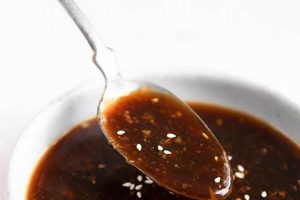
Plant-based condiments that emulate traditional flavors from East and Southeast Asia are becoming increasingly prevalent. These products often utilize ingredients like soy sauce (or its gluten-free alternative, tamari), miso, sesame oil, ginger, garlic, chili, and various sweeteners to recreate the savory, umami-rich profiles characteristic of the region’s cuisine. A common application is in stir-fries, marinades, or as a dipping enhancement for dishes such as spring rolls and dumplings.
The rise of these flavorings caters to a growing demand for both vegan and vegetarian options and for individuals seeking to reduce their consumption of animal products. Historically, many regional recipes relied on ingredients such as fish sauce or oyster sauce to achieve depth of flavor. The plant-derived alternative provides a means to capture these tastes without the use of animal-derived components, offering culinary inclusivity and aligning with ethical dietary choices. The production and consumption of such items can also have a positive impact on environmental sustainability by reducing the demand for animal agriculture and fisheries.
The following sections will delve into the specific ingredients commonly found in these culinary creations, explore regional variations and flavor profiles, and provide guidance on selecting and utilizing them in various cooking applications.
Enhancing Culinary Creations
The following are evidence-based strategies for effectively incorporating plant-based Asian flavor enhancers into diverse culinary applications. Adherence to these principles will yield optimal taste and versatility.
Tip 1: Understanding Base Flavors: Before substituting, identify the primary flavor profile of the animal-derived ingredient being replaced. For instance, fish sauce contributes saltiness, umami, and a subtle funk. Select a plant-based substitute that approximates this complex profile through a combination of ingredients like fermented soy, seaweed, and mushroom extracts.
Tip 2: Strategic Dilution for Salt Content: Many commercial plant-based flavorings are concentrated. Begin with small quantities and gradually increase to achieve desired salinity. Over-salting can be mitigated by adding a touch of sweetness or acidity (e.g., rice vinegar, lime juice).
Tip 3: Balancing Umami: Umami, a savory taste, is crucial to many Asian dishes. Enhance umami by incorporating ingredients like shiitake mushrooms, roasted seaweed flakes (nori), or nutritional yeast into your recipe alongside the primary flavoring. This creates a more nuanced and complete flavor profile.
Tip 4: Heat Stability Considerations: Some plant-based ingredients, particularly those containing sugars or starches, may burn at high temperatures. Add them towards the end of the cooking process or use lower heat to prevent undesirable flavors from developing.
Tip 5: Marinade Penetration: Due to the absence of animal-derived proteins, plant-based marinades may require longer soaking times to achieve sufficient flavor penetration. Consider using techniques such as vacuum marinating or scoring the surface of vegetables or plant-based proteins to increase absorption.
Tip 6: Flavor Layering for Complexity: Avoid relying solely on a single flavoring. Build depth of flavor by layering different components. For example, combine soy sauce with a touch of sesame oil, ginger, and garlic to create a more compelling taste experience.
Tip 7: Experimentation with Regional Variations: Explore different types of plant-based alternatives used across various Asian cuisines. Korean gochujang (fermented chili paste), Japanese miso paste, and Chinese doubanjiang (fermented broad bean paste) offer distinct flavor profiles that can be incorporated into a range of dishes.
Employing these strategies allows for a more precise and effective utilization, enhancing the overall taste and culinary versatility. By understanding ingredient properties and flavor interactions, one can confidently replicate the richness and complexity of Asian cuisine with plant-based alternatives.
In conclusion, a nuanced approach is essential to maximizing the flavor potential and achieving optimal culinary outcomes in using a vegan asian flavour enhancer.
1. Authenticity of Flavor

Authenticity of flavor in plant-based Asian flavorings pertains to the degree to which they successfully replicate the taste profiles of traditional, often animal-derived, counterparts. The attainment of this authenticity is predicated on the careful selection and processing of plant-based ingredients. Cause-and-effect relationships are evident in how the fermentation processes applied to soybeans, for instance, directly influence the umami character in a vegan soy sauce, mirroring the contribution of fish sauce in traditional recipes. Without this nuanced understanding, the plant-derived version will invariably fall short in replicating the complex taste dimensions sought by consumers familiar with authentic Asian cuisine.
The importance of authentic flavor is further underscored by the cultural significance of specific ingredients and regional variations. A Korean kimchi jjigae (kimchi stew), for example, demands a gochujang (Korean chili paste) that delivers the characteristic fermented heat and depth. A generic chili paste substitute, even if plant-based, would fundamentally alter the dish’s intended flavor profile, rendering it inauthentic. Similarly, the absence of nuanced seafood notes in a vegan pad thai sauce impacts the overall taste, and thus the authenticity, of the dish. Several culinary businesses have gained popularity by meticulously sourcing non-animal ingredients, to create genuine flavour.
In conclusion, achieving authenticity in plant-based Asian flavorings requires a deliberate and informed approach. It’s not simply about substituting ingredients but about understanding the fundamental components that contribute to specific regional flavors. Failure to prioritize authenticity can lead to consumer dissatisfaction and a diminished appreciation for the richness and diversity of Asian cuisine. Overcoming this challenge requires ongoing research, ingredient innovation, and a deep respect for the culinary traditions being emulated.
2. Ingredient Sourcing

Ingredient sourcing for plant-based Asian flavorings directly influences product quality, ethical considerations, and environmental sustainability. The origin and processing of raw materials determine not only the final flavor profile but also the impact on communities and ecosystems involved in their production.
- Soybean Provenance and Processing
The type of soybean used (e.g., non-GMO, organic) and its processing method (e.g., fermentation techniques, hydrolysis) significantly affect the taste and nutritional value of soy-based sauces. Sourcing from regions with sustainable farming practices minimizes environmental damage, while fair trade certifications ensure equitable compensation for farmers. Improper processing or low-quality soybeans can result in off-flavors or reduced nutritional benefits, directly affecting the final product.
- Seaweed Harvesting and Sustainability
Seaweed is a common ingredient used to impart umami flavors. The method of seaweed harvesting (e.g., wild-harvested, cultivated) and its source (e.g., specific coastal regions) determine its environmental impact and mineral content. Sustainable harvesting practices prevent overexploitation of marine ecosystems, while rigorous quality control measures ensure the absence of contaminants. Unsustainable harvesting practices leads to habitat destruction and ecosystem imbalance.
- Spice Trade and Ethical Considerations
Spices like ginger, garlic, chili, and star anise contribute essential flavor elements. Sourcing these from regions with transparent supply chains and fair labor practices promotes ethical consumption. Lack of transparency increases the risk of exploitation and unsustainable farming methods, diminishing both the ethical and qualitative aspects.
- Sweetener Origins and Health Implications
Sweeteners like agave nectar, maple syrup, or coconut sugar are used to balance flavors. The source and processing method of these sweeteners affect their glycemic index and nutritional value. Sourcing from sustainable plantations and using minimally processed sweeteners promotes healthier options. The use of high-fructose corn syrup or unsustainable sweeteners negatively impacts health and the environment.
These facets illustrate the intricate relationship between ingredient sourcing and the overall quality and sustainability of plant-based Asian flavorings. Choosing products with transparent sourcing and ethical certifications contributes to a more sustainable and equitable food system. Conversely, overlooking the origins of ingredients compromises product integrity and reinforces unsustainable practices.
3. Nutritional Profile

The nutritional profile of plant-based Asian flavor enhancers varies significantly depending on ingredient selection and manufacturing processes. Understanding this nutritional composition is critical because these sauces are frequently used in larger quantities than individual spices, potentially influencing overall dietary intake. Sodium content, for example, is often elevated in commercially produced soy sauce alternatives due to its role in flavor enhancement and preservation. Excessive sodium consumption is a known contributor to hypertension and cardiovascular disease, rendering careful evaluation of sodium levels essential.
Beyond sodium, the presence of other macronutrients and micronutrients merits consideration. Some plant-based umami liquids may contain added sugars to balance the saltiness, increasing caloric density and potentially impacting blood glucose levels. Others may incorporate seaweed extracts, which can provide iodine, an essential nutrient for thyroid function. However, iodine content can vary, necessitating scrutiny of product labeling. The selection of inherently nutrient-rich ingredients, such as shiitake mushrooms (a source of B vitamins and antioxidants) or fermented black beans (providing fiber and prebiotics), can enhance the nutritional value of these flavor enhancers. Some manufacturers offer reduced-sodium versions, addressing consumer health concerns without sacrificing flavor. These products often employ alternative flavor enhancers, such as yeast extracts or increased levels of other umami-rich ingredients, to compensate for the reduced sodium content.
In conclusion, careful examination of the nutritional profile of plant-based Asian flavor enhancers is paramount. Considerations should extend beyond simple ingredient lists to encompass sodium levels, sugar content, micronutrient contributions, and the presence of potential allergens. The responsible use of these flavour enhancer is thus linked to informed purchasing and mindful integration into a balanced dietary pattern.
4. Culinary Versatility
The culinary versatility of plant-based Asian flavorings is a direct consequence of their ability to emulate and enhance a wide range of traditional flavor profiles. This adaptability stems from the strategic combination of base ingredients like soy sauce (or tamari), miso, sesame oil, and various spices, allowing for application across diverse dishes. The degree of versatility is determined by the ingredient’s capacity to integrate seamlessly into different cooking methods and regional cuisines without compromising the intended taste or texture. For example, a well-formulated plant-based teriyaki marinade can be used on tofu, vegetables, or even plant-based meats, providing a consistent flavor outcome across all applications. Without this adaptable profile, the appeal and utility are significantly limited.
Practical applications of this versatility are evident in numerous culinary contexts. A plant-derived hoisin sauce can serve as a glaze for Peking “duck” (made from seitan or tofu), a condiment for spring rolls, or a base for stir-fries. Similarly, a versatile plant-based sweet chili paste can be employed as a dipping relish for vegan dumplings, a component in noodle dishes, or a flavourful spread for sandwiches. The importance of this adaptability extends to meal preparation efficiency; possessing a core selection of versatile products streamlines cooking processes and reduces the need for a large array of specialized ingredients. Culinary businesses that successfully leverage this versatility see a corresponding increase in their menu offerings and customer satisfaction.
In conclusion, the culinary versatility of plant-based Asian flavorings is not merely a desirable attribute but a fundamental driver of their widespread adoption and practicality. Maximizing this versatility requires understanding the flavor interactions of individual components and their adaptability across various culinary techniques. Challenges remain in replicating the nuanced flavors of certain dishes, but ongoing innovation in ingredient development and processing methods is steadily expanding the possibilities and solidifying their role in modern cuisine.
5. Regional Variations
Regional variations profoundly impact plant-based Asian flavor profiles, dictating both ingredients and preparation methods. The following outlines how geography and culinary traditions shape the composition and usage of plant-based flavor enhancers across Asia, thereby influencing their appeal and authenticity.
- Japanese Umami Profiles
Japanese cuisine heavily relies on umami, often derived from seaweed (kombu), shiitake mushrooms, and fermented soybeans (miso, soy sauce). Plant-based versions frequently mimic this by intensifying seaweed extracts and utilizing koji-based fermentation techniques. Regional differences within Japan (e.g., Kyoto vs. Tokyo) influence the intensity and sweetness levels, reflecting local preferences for milder or bolder flavors. Authentic plant-based Japanese flavourings will align with these established regional tastes to ensure consumer satisfaction.
- Korean Fermented Flavors
Korean cuisine emphasizes fermented ingredients such as gochujang (chili paste), doenjang (soybean paste), and kimchi. Plant-based versions require precise replication of these fermentation processes using alternatives such as mushroom extracts and vegetable-based broths to achieve the characteristic funky, spicy, and savory taste. Regional variations in Korea influence the spiciness and fermentation time, which plant-based alternatives must emulate to capture the essence of each regions culinary identity.
- Southeast Asian Aromatic Complexity
Southeast Asian cuisines (Thai, Vietnamese, Malaysian) blend sweet, sour, salty, and spicy flavors using ingredients like lemongrass, galangal, chilies, and coconut milk. Plant-based versions require careful balancing of these aromatics and the use of plant-based ingredients to mimic the creamy texture and vibrant taste profiles. Regional differences, such as the use of fish sauce in some areas, pose a challenge for plant-based alternatives to deliver authentic flavor profiles using vegan-friendly components.
- Chinese Regional Styles
Chinese cuisine varies significantly by region, with distinct flavor profiles such as Sichuans spicy and numbing sensations, Cantoneses umami-rich sauces, and Shanghaineses sweet and savory combinations. Plant-based versions must cater to these specific regional tastes by employing suitable ingredients and techniques, like using fermented black beans for Sichuan dishes or mushroom-based extracts for Cantonese creations. Accurate reflection of these nuances is critical for acceptance by consumers familiar with these diverse culinary traditions.
These regional variations emphasize the need for nuanced ingredient selection and preparation methods in plant-based Asian flavorings. While achieving perfect emulation is a challenge, ongoing innovation and understanding of regional culinary traditions will continue to drive the development of more authentic and satisfying vegan Asian flavour enhancer.
Frequently Asked Questions
The following addresses common inquiries regarding plant-based Asian flavorings, clarifying their characteristics, applications, and potential limitations. The objective is to provide informative responses to facilitate informed culinary decisions.
Question 1: What distinguishes vegan Asian sauce from traditional Asian sauces?
Vegan Asian flavorings omit all animal-derived ingredients commonly found in traditional recipes. This includes fish sauce, oyster sauce, shrimp paste, and certain animal fats. Instead, plant-based versions rely on ingredients such as soy sauce (or tamari), miso, seaweed, and mushroom extracts to replicate the savory umami profiles.
Question 2: Are vegan Asian sauce able to fully replicate the flavor of traditional Asian sauces?
While significant advancements have been made, achieving a complete replication of traditional flavor profiles can be challenging. Nuances derived from animal products, such as the subtle funk of fish sauce, can be difficult to precisely mimic. However, skilled blending of plant-based ingredients often yields highly satisfactory results.
Question 3: What are common ingredients in vegan Asian sauce?
Common ingredients include soy sauce (or tamari), rice vinegar, sesame oil, ginger, garlic, chili, various sweeteners (e.g., maple syrup, agave), seaweed extracts, mushroom extracts, and fermented bean pastes (e.g., miso, doubanjiang). Specific formulations will vary depending on the desired flavor profile.
Question 4: Are there any nutritional concerns associated with consuming vegan Asian sauce?
Like traditional Asian sauces, plant-based versions can be high in sodium. Individuals monitoring their sodium intake should carefully review product labels and opt for reduced-sodium options when available. Sugar content is also a factor to consider, particularly in sweeter sauces.
Question 5: What types of dishes benefit most from the use of vegan Asian sauce?
Plant-based Asian flavorings are versatile and can enhance a wide range of dishes, including stir-fries, marinades, noodle dishes, soups, and dipping sauces. Specific applications will depend on the flavor profile of the sauce and the desired culinary outcome.
Question 6: How should vegan Asian sauce be stored to maintain optimal quality?
Most commercially produced plant-based Asian flavorings should be stored in a cool, dark place, away from direct sunlight. Once opened, refrigeration is often recommended to prolong shelf life and preserve flavor integrity. Consult product labels for specific storage instructions.
In summary, plant-based Asian flavorings offer a flavorful and ethical alternative to traditional recipes. While achieving exact replications can be difficult, careful ingredient selection and formulation yields excellent and culinary possibilities. The sodium content will have to be taken into account.
The next segment will review specific brand recommendations and considerations for purchasing these flavor enhancers.
Conclusion
The preceding discussion has comprehensively explored plant-based Asian flavorings, encompassing their composition, applications, and regional variations. Emphasis has been placed on critical factors such as ingredient sourcing, nutritional profiles, and the attainment of authentic flavor profiles. It is evident that the successful utilization of these plant-derived flavor enhancers requires a nuanced understanding of culinary principles and informed purchasing decisions.
The continued innovation in ingredient development and processing methods holds significant promise for expanding the versatility and authenticity of these offerings. As consumer demand for plant-based options grows, the strategic application of these flavour enhancers has a profound impact. With attention to detail, this translates into the preservation and appreciation of the rich culinary traditions of Asia for a new generation.