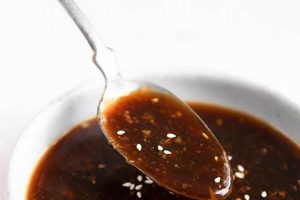
A plant-based condiment that provides a balance of sugary and acidic flavors is often desired for its versatility. This culinary creation replicates traditional recipes without using animal-derived ingredients, offering a flavorful coating for stir-fries, dipping sauce for appetizers, or glaze for roasted vegetables. Examples include combinations of pineapple juice, brown sugar, rice vinegar, soy sauce, and ketchup, thickened with cornstarch.
The appeal of this particular style of sauce lies in its ability to enhance a wide range of dishes with a distinctive taste profile. Its popularity reflects a growing demand for plant-based options and appeals to individuals seeking both ethical and dietary alternatives. Historically, sweet and sour sauces have roots in Chinese cuisine, and adapting these recipes to vegan principles allows for a continuation of culinary tradition while aligning with contemporary values.
The following sections will delve into the specific ingredients commonly utilized, variations in preparation methods, nutritional considerations, and potential applications in vegan cooking. A comprehensive exploration of this topic will offer readers a deeper understanding of its composition, versatility, and value within a plant-based lifestyle.
Tips for Crafting Superior Results
Achieving optimal flavor and texture requires careful consideration of several factors. The following suggestions offer guidance for producing a palatable and consistent end product.
Tip 1: Balance Sweetness and Acidity: Employ a ratio that complements the main dish. Start with equal parts of a sweetener, such as maple syrup or agave nectar, and an acid, like rice vinegar or lemon juice, adjusting to personal preference.
Tip 2: Incorporate Umami: Enhance the depth of flavor by including ingredients rich in umami. Soy sauce, tamari, or even a small amount of mushroom broth can contribute savory notes.
Tip 3: Achieve Desired Consistency: Use a cornstarch slurry to thicken the sauce to the preferred viscosity. Combine cornstarch with cold water before adding it to the simmering sauce to prevent clumping.
Tip 4: Fresh Ingredients: Opt for fresh produce whenever possible. Fresh pineapple juice or bell peppers will often yield a brighter and more vibrant taste compared to canned or processed alternatives.
Tip 5: Temper the Heat: A touch of spice can elevate the flavor profile. Consider adding a pinch of red pepper flakes or a dash of chili garlic sauce for a subtle kick.
Tip 6: Taste and Adjust: Continuously taste the sauce during the cooking process and adjust the ingredients to achieve the desired balance. This allows for customization and ensures the final product aligns with individual preferences.
Tip 7: Proper Storage: Store any leftover sauce in an airtight container in the refrigerator for up to one week. This maintains the quality and prevents spoilage.
Adhering to these guidelines will enhance the outcome, resulting in a flavor that is both balanced and appealing. These tips ensure a high-quality outcome regardless of application.
The following sections will provide detailed recipes and serving suggestions, further showcasing the versatility of plant-based sweet and sour flavor profiles.
1. Flavor Balancing

Flavor balancing is paramount to the successful execution of any sauce, and it is particularly critical for achieving the desired profile in plant-based sweet and sour preparations. The interplay between sweet and sour notes dictates the overall palatability and dictates the success of the flavor profile. Precise manipulation and understanding of these opposing forces are thus essential.
- Sweetness Sources and Modulation
The sweetness element is often derived from fruits (pineapple, orange), concentrated sweeteners (maple syrup, agave nectar), or refined sugars (cane sugar, brown sugar). Modulating the intensity of sweetness involves carefully selecting and combining different sweeteners. For example, using a combination of pineapple juice and brown sugar will yield a more complex flavor than solely relying on refined white sugar. The chosen ingredients directly influence both the taste and textural qualities of the product.
- Acidity Contributors and Adjustment
Acidity provides the necessary counterpoint to sweetness, preventing the sauce from becoming cloying. Common acidic components include vinegars (rice vinegar, apple cider vinegar), citrus juices (lemon, lime), and fermented ingredients (such as a small amount of kombucha or kimchi juice for complexity). Adjusting acidity involves titration, gradually adding acidic elements until a perceived balance is achieved. The type of acid employed contributes unique flavor nuances; for example, rice vinegar imparts a milder, less pungent acidity than white vinegar.
- Umami Enhancement and Complexity
While sweetness and acidity are foundational, the addition of umami elements adds depth and complexity, preventing a one-dimensional flavor profile. Plant-based umami sources include soy sauce, tamari, mushroom broth, or even a small amount of nutritional yeast. These ingredients contribute savory notes that complement the sweet and sour aspects, creating a more well-rounded and satisfying taste. Overuse can, however, unbalance the flavor profile, necessitating cautious implementation.
- Aromatic Integration and Harmony
The integration of aromatic elements enhances the overall sensory experience. Ginger, garlic, scallions, and spices (such as star anise or cloves) can add layers of flavor and aroma that complement the main sweet and sour components. The selection and quantity of aromatics should align with the intended application. For example, a sauce intended for Asian-inspired dishes might benefit from the inclusion of ginger and garlic, while a sauce designed for a more Western palette might benefit from simpler aromatic profiles.
Achieving optimal flavor balance is not a static process, but rather a dynamic one that requires continuous adjustment and tasting throughout the cooking process. The interaction between these elements is critical to producing a plant-based condiment that is both flavorful and versatile. Understanding the individual contributions of each component, and their synergistic effects, is key to crafting a refined profile.
2. Texture Modification

Texture modification plays a crucial role in the overall appeal and usability of any plant-based condiment. In the context of plant-based sweet and sour preparations, achieving the correct consistency is essential for proper adhesion to food, desired mouthfeel, and visual appeal. Inadequate attention to texture can result in a product that is either too thin and watery, or overly thick and gloppy, diminishing the overall experience.
- Role of Thickening Agents
Thickening agents are critical components used to manipulate the consistency. Cornstarch is a frequently employed option, offering effective thickening properties when combined with water to create a slurry and then added to the heated sauce. Other agents, such as tapioca starch or arrowroot powder, can also be used, each imparting subtle differences in texture. The choice of thickening agent impacts the final product’s clarity and stability; for instance, cornstarch can sometimes result in a slightly opaque sauce, whereas tapioca starch yields a clearer result. The appropriate selection and utilization of thickening agents is a key factor in achieving the target consistency.
- Control of Viscosity
Viscosity, the measure of a fluid’s resistance to flow, must be carefully controlled to ensure the sauce adheres properly to the target food item. A sauce with insufficient viscosity will run off the food, while an overly viscous sauce will be difficult to pour and spread evenly. Controlling viscosity involves precise measurement and addition of thickening agents, as well as careful monitoring of temperature during the cooking process. Excessive heat can break down thickening agents, reducing viscosity, while insufficient heat may prevent them from fully activating. The cooking time influences the texture of final output.
- Impact of Ingredients on Texture
The inherent properties of the constituent ingredients also influence the final texture. Fruits, such as pineapple, can contribute to a slightly pulpy texture, while the addition of vegetable purees can create a smoother, creamier consistency. Furthermore, the water content of individual ingredients can affect the overall viscosity of the product. For example, using fresh pineapple juice, which contains more water than canned juice concentrate, will require more thickening agent to achieve the same level of viscosity. The interrelationship between ingredient composition and final texture demands attentiveness during recipe formulation.
- Considerations for Stability and Shelf Life
Texture modifications affect not only the immediate sensory experience but also the long-term stability and shelf life. Sauces that are improperly thickened can separate over time, resulting in an undesirable appearance and texture. The stability of the final product is influenced by factors such as pH, sugar content, and the type of thickening agent used. Proper storage conditions, such as refrigeration in an airtight container, are essential for maintaining the desired texture and preventing spoilage. Incorrect processing and storage will result in poor outcomes.
- Common Problems & Solutions
Lumpy texture, a common issue, arises from incorrect slurry mixing. To solve, pre-mix thickening agents with cold water before slow adding to the simmering product. Over-thickening can result in a gelatinous, unappetizing mass. Solution involves slowly adding water or broth in small increments and stirring. Similarly, thin, runny texture indicates insufficient thickening agents or over dilution. More agent can be introduced or sauce can reduce on low heat.
Texture, in conjunction with flavor, greatly impacts the acceptability and application scope of any plant-based sweet and sour dish. The relationship between components determines the final outcome. It is essential to balance ingredients, cooking conditions, shelf life to create a superior product.
3. Ingredient Sourcing

Ingredient sourcing directly impacts the quality, flavor profile, and ethical implications of a plant-based sweet and sour condiment. The selection of components influences not only the taste and texture, but also the environmental footprint and the potential for supporting sustainable agricultural practices. Choosing locally sourced produce, for example, reduces transportation emissions and can bolster local economies. Conversely, relying on ingredients with questionable origins may contribute to deforestation or unfair labor practices. The relationship is causal: the sourcing decisions directly cause specific outcomes regarding quality, sustainability, and ethics.
The importance of ingredient sourcing is particularly pronounced in the context of plant-based recipes, where consumers often prioritize ethical considerations. For instance, selecting organic pineapple juice ensures the absence of synthetic pesticides and fertilizers, aligning with environmentally conscious values. Similarly, opting for fair-trade certified sweeteners, such as agave nectar, supports equitable compensation for farmers in developing countries. Real-life examples demonstrate that the choices made in sourcing ingredients actively shape the impact of the final product on both the environment and society. Ignoring sourcing translates to ignoring potential positive or negative impact.
Effective ingredient sourcing involves careful consideration of factors such as seasonality, geographic origin, and production methods. Transparency in the supply chain is crucial, enabling consumers to make informed choices and support businesses committed to responsible practices. Challenges may arise in ensuring consistent availability of specific ingredients and balancing cost considerations with ethical commitments. However, prioritizing mindful sourcing ultimately enhances the overall value of the plant-based sweet and sour creation, aligning culinary enjoyment with environmental and social responsibility. In summary, ingredient source is a key component of quality, and should be seriously considered.
4. Preservation Methods

Effective preservation methods are critical for extending the shelf life and maintaining the quality of plant-based sweet and sour condiments. These techniques mitigate spoilage risks and ensure the product remains palatable and safe for consumption over an extended period. Understanding the principles behind these methods is essential for both commercial production and home preparation.
- Heat Processing and Pasteurization
Heat processing, including pasteurization, involves heating the sauce to a specific temperature for a defined duration to eliminate or reduce harmful microorganisms. This method is particularly effective against bacteria, yeasts, and molds that can cause spoilage. For instance, a commercial preparation might undergo pasteurization at 85C for 15 minutes. The implications of this process include extending the shelf life to several months, although it may also slightly alter the flavor and texture of the sauce. Careful temperature control is essential to minimize these effects.
- Acidity Adjustment and pH Control
Lowering the pH of the sauce through the addition of acidic ingredients, such as vinegar or citric acid, inhibits microbial growth. Most spoilage organisms cannot thrive in highly acidic environments. Maintaining a pH below 4.5 is generally considered safe for long-term preservation. This method is commonly employed in the production of many sauces and condiments, contributing to their extended shelf stability. Acidity also contributes to the tangy flavor characteristic of this style of sauce.
- Refrigeration and Freezing
Refrigeration slows down the rate of microbial growth and enzymatic reactions that can lead to spoilage. Storing the sauce at temperatures between 1C and 4C can significantly extend its usable lifespan. Freezing halts microbial activity and can preserve the sauce for even longer periods, although it may affect the texture upon thawing. Consider storing the prepared recipe in freezer-safe containers at -18C.
- Addition of Preservatives
Certain preservatives, such as sodium benzoate or potassium sorbate, can be added to inhibit microbial growth. These compounds are generally used in small concentrations and are regulated by food safety authorities. While preservatives can effectively extend shelf life, their use is often subject to consumer preferences and regulatory restrictions. They act by disrupting cellular processes essential for growth and reproduction of spoilage microorganisms. They are typically only used in large-scale commercial production of sauces.
These preservation methods, either alone or in combination, are crucial for ensuring the safety and longevity of plant-based sweet and sour preparations. The choice of method depends on factors such as the intended shelf life, storage conditions, and consumer preferences. Implementing appropriate preservation techniques is essential for delivering a high-quality product that remains both palatable and safe over time. It must adhere to established industry standards and food safety regulations.
5. Culinary Applications

The versatility of a plant-based sweet and sour condiment lies in its diverse culinary applications. This style of sauce, free from animal products, can be integrated into a broad spectrum of dishes, enhancing flavor profiles and accommodating various dietary preferences. Its adaptability makes it a valuable asset in both professional and home kitchens.
- Vegetable Stir-Fries
This condiment serves as an ideal coating for vegetable stir-fries. Its balance of sweet and acidic notes complements the natural flavors of vegetables such as broccoli, bell peppers, and snap peas. The sauce adheres well to the vegetables, providing a glossy finish and enhancing the overall texture. One example is coating stir-fried tofu with vegetables and sauce over steamed rice.
- Tofu and Tempeh Preparations
Tofu and tempeh, often lacking inherent flavor, benefit significantly from the addition of a sauce. It can be used as a marinade, glaze, or dipping sauce for these plant-based protein sources. Coating baked tofu with the sauce before serving is a common application, improving flavor. Another real life instance is creating a sticky sauce which coats deep fried tempeh chunks.
- Vegan Appetizers and Dips
Its flavor profile lends itself well to vegan appetizers and dips. It can be served alongside spring rolls, potstickers, or vegetable skewers. Blending it with other ingredients, such as vegan mayonnaise or silken tofu, creates a creamy dip for crudits. This flavor profile is often paired with crispy wontons.
- Sauce for Noodles and Rice
The prepared sauce can enhance the flavor of noodles and rice dishes. It can be tossed with cooked noodles or drizzled over steamed rice. It can also be integrated into noodle soups or rice bowls. A typical application involves combining stir-fried noodles with vegetables and using the product as the final sauce ingredient to bring it all together.
The outlined culinary applications demonstrate the multifaceted nature of this flavor profile. Whether used as a primary flavoring agent or as a supplementary component, it adds a distinctive element to a wide range of plant-based dishes. Experimentation with different combinations and preparations can further expand its utilization in both traditional and innovative culinary creations.
Frequently Asked Questions
This section addresses common inquiries regarding plant-based sweet and sour preparations, aiming to provide clarity and dispel potential misconceptions.
Question 1: What are the primary differences between traditional and plant-based sweet and sour sauces?
The fundamental distinction lies in the ingredient composition. Traditional versions often incorporate animal-derived components, such as honey. Plant-based alternatives substitute these with ingredients like agave nectar or maple syrup to achieve sweetness while adhering to vegan principles. The core flavor profile, however, remains consistent.
Question 2: What thickening agents are appropriate for plant-based sweet and sour sauces?
Several plant-derived thickening agents are suitable, including cornstarch, tapioca starch, and arrowroot powder. These ingredients are typically combined with water to form a slurry before being added to the simmering sauce. Each agent imparts subtle differences in texture and clarity.
Question 3: Is homemade always superior to commercially produced plant-based sweet and sour sauce?
Not necessarily. Homemade preparations offer greater control over ingredient quality and flavor customization. However, commercially produced options can provide convenience and consistency, particularly when formulated with high-quality ingredients and adherence to strict manufacturing standards.
Question 4: How should one store a plant-based sweet and sour sauce to maximize its shelf life?
Proper storage involves refrigeration in an airtight container. This minimizes exposure to air and prevents microbial growth. The sauce should be consumed within one week for optimal quality. Freezing is an alternative for longer-term preservation, although it may slightly alter the texture upon thawing.
Question 5: Can plant-based versions of sweet and sour sauce adequately replicate the flavor of traditional recipes?
Yes, with careful ingredient selection and proper preparation techniques. The key lies in achieving a balance of sweet, sour, and umami elements. Utilizing high-quality plant-based substitutes can effectively replicate the intended flavor profile.
Question 6: Are there any potential allergens to be aware of when consuming this style of condiment?
Common allergens include soy (often present in soy sauce or tamari) and potential cross-contamination in manufacturing facilities. Individuals with allergies should carefully review ingredient labels and choose brands with appropriate allergen control measures.
In summary, plant-based sweet and sour sauces offer a viable alternative to traditional versions, providing similar flavor profiles while adhering to ethical and dietary guidelines. Careful consideration of ingredients, preparation techniques, and storage methods ensures a high-quality and palatable product.
The subsequent sections will delve into recipe variations and specific applications of plant-based sweet and sour sauces.
Conclusion
The preceding sections have explored the multifaceted aspects of a plant-based condiment offering a balance of sweetness and acidity. From flavor balancing to preservation methods, each element contributes to the overall quality and usability of this culinary creation. Sourcing ingredients responsibly and understanding texture modifications are also vital. The demonstrated culinary applications further underscore its versatility in plant-based cuisine.
The ongoing evolution of culinary practices necessitates continuous refinement and exploration. Continued research and innovation in plant-based alternatives will further enhance the potential of sauces, promoting both dietary diversity and responsible consumption. Its adaptation reflects changing consumer preferences, ensuring continued relevance in the culinary landscape.