A plant-based culinary creation designed to complement pasta dishes, this sauce substitutes traditional dairy or meat-based ingredients with a creamy cashew base. The cashews, when soaked and blended, provide a rich texture and subtly sweet flavor, acting as an alternative to cheese or cream typically found in conventional pasta sauces.
The increasing demand for plant-based alternatives has driven the popularity of this type of sauce. It caters to dietary restrictions such as veganism and lactose intolerance, and can be a healthier option due to the nutritional profile of cashews, which include healthy fats, protein, and minerals. Historically, plant-based sauces were often limited in texture and flavor complexity; however, the use of cashews overcomes these limitations, offering a satisfying and flavorful experience.
The following sections will delve into the preparation methods, nutritional aspects, flavor variations, and culinary applications associated with this modern sauce option. Understanding these elements will provide a comprehensive overview of its role in contemporary cuisine and its potential for creating delicious and health-conscious meals.
Preparation and Usage Tips
This section provides practical guidance to optimize the creation and utilization of the sauce, ensuring a flavorful and consistent outcome. These suggestions are intended to enhance both the cooking process and the final culinary product.
Tip 1: Cashew Preparation: Soaking raw cashews in hot water for at least 30 minutes, or preferably several hours, softens them. This facilitates a smoother, creamier texture when blended, preventing graininess in the final sauce.
Tip 2: Liquid Adjustment: The amount of liquid used during blending significantly affects the sauce’s consistency. Start with a small amount of liquid (water, vegetable broth, or plant-based milk) and gradually increase it until the desired thickness is achieved. Over-blending can result in an overly thin sauce.
Tip 3: Flavor Enhancement: Incorporating umami-rich ingredients, such as nutritional yeast, sun-dried tomatoes, or miso paste, enhances the depth of flavor. These elements contribute a savory quality, mimicking the richness often found in traditional dairy-based sauces.
Tip 4: Acidic Balance: A touch of acidity, derived from lemon juice or apple cider vinegar, brightens the overall flavor profile. Acid cuts through the richness of the cashews, creating a more balanced and palatable sauce.
Tip 5: Herb Integration: Fresh herbs, such as basil, oregano, or parsley, should be added towards the end of the cooking process. This preserves their volatile oils and ensures a vibrant, aromatic finish. Dried herbs can be incorporated earlier, allowing their flavors to meld with the sauce.
Tip 6: Heat Control: When heating the finished sauce, avoid excessive heat. Gentle simmering is sufficient to warm the sauce through without scorching it. Overheating can cause the cashews to separate and create a grainy texture.
Tip 7: Pairing Considerations: The sauce complements a variety of pasta shapes, from long strands like spaghetti and fettuccine to smaller shapes like penne and rotini. Consider pairing it with vegetables such as roasted broccoli, sauted spinach, or grilled zucchini to create a balanced and nutritious meal.
These tips emphasize the importance of ingredient preparation, flavor balancing, and proper cooking techniques. Adhering to these guidelines allows for the creation of a sauce that is both flavorful and texturally satisfying.
The following section will provide a recipe idea including the usage of above tips.
1. Creamy Texture

The defining characteristic of many traditional pasta sauces is their rich, creamy texture. Achieving this attribute in a vegan context, specifically within a sauce relying on cashews, requires careful attention to ingredient preparation and processing techniques. The resulting textural quality significantly influences the overall palatability and acceptance of the plant-based alternative.
- Cashew Preparation and Hydration
The initial stage of achieving a creamy texture relies on the adequate hydration of raw cashews. Soaking them in hot water for a prolonged period softens the nuts, breaking down their cellular structure and allowing for smoother blending. Insufficient soaking results in a grainy, less desirable texture in the finished sauce. The duration of soaking directly correlates with the smoothness achievable.
- Blending Techniques and Equipment
High-powered blenders or food processors are essential for transforming softened cashews into a uniformly smooth sauce. These devices can effectively pulverize the nuts, eliminating any remaining textural inconsistencies. Lower-powered blenders may require longer processing times or result in a less refined texture. Pulse settings can aid in achieving a consistent blend without overheating the mixture.
- Liquid Ratios and Emulsification
The ratio of liquid to cashews dictates the final viscosity of the sauce. A higher proportion of liquid yields a thinner sauce, while a lower proportion creates a thicker, more concentrated product. Achieving a stable emulsion, where the liquid and cashew solids remain uniformly dispersed, is critical for preventing separation and maintaining a creamy texture over time. The addition of ingredients like lecithin can assist in emulsification.
- Heat Application and Stability
Applying heat to the blended sauce can further enhance its creamy texture. Gentle simmering encourages the cashews to release additional starches, contributing to thickening. However, excessive heat can cause the cashew proteins to denature, potentially leading to a grainy or separated texture. Maintaining a low, consistent temperature is crucial for textural stability.
The careful manipulation of cashew preparation, blending techniques, liquid ratios, and heat application directly impacts the final texture of the sauce. Achieving a smooth, creamy consistency is paramount for creating a satisfying and comparable alternative to traditional dairy-based pasta sauces, increasing its appeal to a wider range of consumers.
2. Nutritional Benefits

The nutritional profile of cashew-based, plant-based pasta sauce warrants detailed examination. Its composition differs substantially from traditional dairy-based sauces, presenting both advantages and considerations for dietary planning. The following points outline specific nutritional aspects.
- Macronutrient Composition
Cashews contribute significant amounts of fat, primarily monounsaturated and polyunsaturated fatty acids, which are associated with improved cardiovascular health. This differs from traditional sauces high in saturated fat. Cashews also provide protein and carbohydrates, albeit in lower quantities. The absence of animal products results in zero cholesterol content.
- Micronutrient Content
Cashews are a source of essential minerals, including magnesium, phosphorus, and zinc. Magnesium plays a role in nerve function and bone health, while phosphorus is vital for energy production. Zinc supports immune function. These micronutrients contribute to the overall nutritional value of the sauce.
- Fiber Content
Compared to many traditional sauces, a cashew-based sauce offers a notable amount of dietary fiber. Fiber promotes digestive health, contributes to satiety, and can aid in blood sugar control. The fiber content can vary based on the inclusion of other vegetables and ingredients in the sauce.
- Absence of Lactose and Gluten Considerations
As a plant-based product, this sauce is inherently lactose-free, making it suitable for individuals with lactose intolerance. Additionally, it can be formulated to be gluten-free by avoiding ingredients containing gluten, addressing the needs of those with celiac disease or gluten sensitivity. This expands its accessibility to individuals with specific dietary restrictions.
The inherent nutritional benefits of cashew-based plant-based pasta sauce, encompassing macronutrient ratios, micronutrient provision, fiber content, and suitability for specific dietary needs, position it as a viable alternative to traditional sauces. Careful consideration of preparation methods and additional ingredients allows for optimizing its nutritional profile and maximizing its health benefits.
3. Flavor Versatility

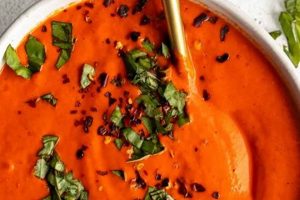
The cashew’s neutral flavor profile forms the foundation for the ingredient’s notable adaptability in sauce creation. This characteristic facilitates the seamless integration of various herbs, spices, and vegetables, enabling the production of a wide spectrum of flavor profiles within the framework of a plant-based sauce. For example, the addition of roasted red peppers and smoked paprika can yield a robust, smoky sauce, while incorporating fresh basil and lemon juice creates a bright, herbaceous variant. The cashew base serves as a blank canvas, allowing culinary professionals and home cooks to experiment with diverse ingredients and techniques.
The inherent flavor versatility extends beyond simple ingredient substitutions. Cashews can be processed in different ways to further alter the final sauce characteristics. Lightly toasting the cashews before blending introduces subtle nutty notes, while fermenting the cashew cream prior to sauce creation adds a tangy, cheese-like flavor. These techniques expand the flavor possibilities significantly, permitting the development of sauces that mimic traditional dairy-based flavors or forge entirely new culinary pathways. This inherent malleability is a key factor in the widespread adoption of cashew-based sauces in vegan and plant-based cuisine.
The practical significance of this flavor adaptability lies in its ability to cater to a broad range of palates and dietary needs. From classic tomato-based sauces enhanced with cashew creaminess to innovative creations featuring global spices and flavors, the cashew base provides a versatile platform for culinary expression. Challenges remain in replicating certain complex flavors found in traditional sauces, but ongoing experimentation and ingredient innovation continue to push the boundaries of what is possible within the realm of plant-based cuisine, solidifying the cashew’s position as a foundational ingredient.
4. Preparation techniques

Successful creation of a vegan pasta sauce employing cashews hinges directly on the adherence to specific preparation techniques. These techniques influence not only the final texture and flavor profile but also the overall nutritional availability of the sauce. The primary objective is to transform raw cashews into a smooth, creamy base that emulates the richness of dairy-based sauces. Inadequate preparation renders the sauce grainy and diminishes its palatability. For example, failure to properly soak the cashews results in a sauce with a gritty texture, regardless of the quality of the blending equipment used. The practical significance lies in the direct correlation between meticulous preparation and a satisfying culinary outcome. These include soaking the cashews, blending at a high speed, and adding flavor.
Beyond textural considerations, preparation techniques also impact flavor integration and overall sauce stability. The order in which ingredients are added, the level of heat applied during cooking, and the blending method employed all contribute to the complexity and balance of the final product. Overheating the sauce can cause the cashew proteins to denature, leading to separation and a less desirable consistency. Similarly, adding delicate herbs too early in the cooking process can diminish their flavor, negating their intended contribution. The correct preparation techniques can improve the sauce flavour.
In conclusion, mastering the preparation techniques is essential for producing a high-quality cashew-based plant-based pasta sauce. The practical implications of understanding these techniques are evident in the improved texture, flavor, and nutritional profile of the sauce. The challenges lie in consistently executing these techniques and adapting them to different recipe variations. However, diligent application of these principles allows for creating a versatile and delicious plant-based alternative to traditional pasta sauces.
5. Dietary Adaptability

Dietary adaptability, the capacity of a food product to conform to diverse dietary requirements and preferences, is a central characteristic of the plant-based pasta sauce that utilizes cashews as a primary ingredient. This adaptability broadens its appeal and utility across a spectrum of consumer needs.
- Vegan and Vegetarian Compatibility
The fundamental composition of this sauce, eschewing all animal-derived components, renders it inherently suitable for both vegan and vegetarian diets. This eliminates ethical and dietary conflicts for individuals adhering to these practices. The absence of meat and dairy products aligns with the core principles of these dietary philosophies.
- Lactose Intolerance Considerations
The absence of lactose, a sugar found in dairy products, addresses a common dietary restriction. Individuals with lactose intolerance experience adverse reactions to dairy consumption. This sauce provides a lactose-free alternative that allows them to enjoy pasta dishes without digestive discomfort.
- Gluten-Free Options
While cashews themselves are gluten-free, the complete sauce formulation requires careful consideration to ensure the absence of gluten-containing ingredients. Employing gluten-free thickeners, such as cornstarch or tapioca flour, and avoiding cross-contamination during preparation results in a sauce suitable for individuals with celiac disease or gluten sensitivity.
- Allergen Awareness
While catering to certain dietary restrictions, the presence of cashews introduces a potential allergen. Clear labeling and transparency regarding ingredients are essential for individuals with nut allergies. Producers must implement stringent manufacturing practices to prevent cross-contamination with other allergens.
The inherent dietary adaptability of cashew-based plant-based pasta sauce positions it as a versatile culinary option. Its compatibility with vegan, vegetarian, lactose-intolerant, and gluten-sensitive diets, when properly formulated, expands its accessibility and appeal. Acknowledging the potential for nut allergies remains critical for responsible production and consumer safety. Overall, this sauce exemplifies the growing trend towards inclusive and adaptable food products.
Frequently Asked Questions
The following addresses common inquiries regarding this plant-based alternative to traditional pasta sauces. The information aims to provide clarity and dispel misconceptions about its composition, preparation, and suitability.
Question 1: Is “vegan pasta sauce with cashews” nutritionally adequate as a meal component?
While cashews contribute healthy fats, protein, and certain micronutrients, the sauce alone may not constitute a complete meal. It is advisable to pair it with nutrient-rich additions such as vegetables, legumes, or whole grains to ensure a balanced dietary intake.
Question 2: How does the flavor profile of “vegan pasta sauce with cashews” compare to traditional dairy-based sauces?
The cashew base imparts a creamy texture and subtle sweetness. The flavor profile can be manipulated through the addition of herbs, spices, and vegetables. While it can mimic the richness of dairy-based sauces, the specific taste will vary depending on the recipe and ingredients used.
Question 3: Can “vegan pasta sauce with cashews” be stored and reheated without compromising its texture or flavor?
Proper storage in an airtight container in the refrigerator allows for preservation for several days. Gentle reheating is recommended to prevent separation or graininess. Avoid overheating, as this can negatively impact the sauce’s consistency.
Question 4: Are there any potential allergen concerns associated with “vegan pasta sauce with cashews”?
Cashews are tree nuts, a common allergen. Individuals with nut allergies should exercise caution and carefully review ingredient labels. Cross-contamination during manufacturing is also a concern and should be addressed with manufacturers directly.
Question 5: What thickening agents are appropriate for “vegan pasta sauce with cashews” to achieve a desired consistency?
Cornstarch, tapioca flour, or arrowroot powder can be used as thickening agents. A small amount should be added gradually and simmered until the desired consistency is reached. Over-thickening can result in a gummy texture.
Question 6: Is “vegan pasta sauce with cashews” suitable for individuals with specific dietary restrictions beyond veganism?
The sauce can be formulated to be gluten-free by avoiding gluten-containing ingredients. It is inherently lactose-free. However, individuals with other dietary restrictions should carefully review the ingredient list to ensure compatibility.
In summary, the cashew-based plant-based pasta sauce presents a viable alternative to traditional options. However, awareness of its nutritional composition, potential allergens, and proper preparation techniques is crucial for informed consumption and culinary success.
The next section will explore recipe variations and culinary applications of this versatile sauce.
Conclusion
The preceding analysis has explored the various facets of vegan pasta sauce with cashews, encompassing its preparation, nutritional aspects, flavor profiles, preparation techniques, and dietary adaptability. The investigation reveals a versatile culinary option suitable for individuals seeking plant-based alternatives to traditional pasta sauces. The sauce’s inherent creaminess, derived from the cashews, presents a satisfying textural element, while its nutritional profile offers a different balance of macronutrients and micronutrients compared to dairy-based counterparts.
The increasing demand for plant-based dietary options indicates a continued relevance for vegan pasta sauce with cashews in the culinary landscape. Further innovation in flavor development and ingredient sourcing promises to enhance its appeal and broaden its applicability. Continued exploration of its nutritional benefits and potential for dietary inclusivity will contribute to its sustained presence as a viable and versatile sauce option.