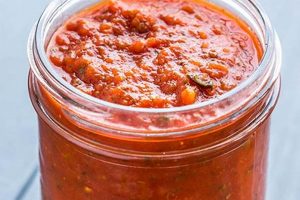
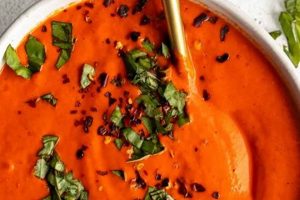
Plant-based condiments designed to complement the flavors of filled tortillas offer an alternative to traditional dairy-based or meat-derived toppings. These often utilize ingredients like cashews, avocados, or roasted vegetables to achieve a creamy or flavorful consistency. Examples include cashew crema, avocado cilantro sauce, and sauces based on smoky chipotle peppers.
The appeal of these toppings stems from dietary considerations, ethical choices, and health benefits. They allow individuals adhering to vegan diets to enjoy a wider range of culinary experiences. Furthermore, they can offer a lower saturated fat content compared to some conventional alternatives, while also providing essential nutrients from plant-based sources. The increasing availability reflects a broader shift toward plant-centric cuisine.
Subsequent sections will delve into specific recipes, ingredient considerations, and tips for creating versatile and delicious options suited to various taste preferences and dietary needs.
Culinary Guidance for Plant-Based Taco Accompaniments
The creation of flavorful, plant-based toppings for filled tortillas requires careful consideration of ingredients and techniques. The following guidelines provide insight into crafting appealing and satisfying accompaniments.
Tip 1: Ingredient Quality: Prioritize fresh, high-quality produce. The inherent flavors of vegetables, herbs, and spices are amplified in simple preparations. For example, ripe avocados contribute to a smoother, richer base for creamy sauces.
Tip 2: Nut-Based Cream Alternatives: When utilizing nuts (such as cashews) for creamy textures, ensure thorough soaking. Soaking softens the nuts, leading to a smoother blend and improved digestibility. A minimum of four hours, or overnight refrigeration, is generally recommended.
Tip 3: Acidity Balance: Incorporate acidic elements to enhance flavor profiles. Lime juice, apple cider vinegar, or a touch of fermented hot sauce can cut through richness and provide a more balanced taste experience.
Tip 4: Spice Integration: Employ a variety of spices to create depth and complexity. Toasted cumin seeds, smoked paprika, or ancho chili powder can add nuanced flavors. Start with small quantities and adjust to taste preferences.
Tip 5: Textural Variety: Consider incorporating textural elements. Finely diced vegetables, toasted seeds, or a sprinkle of crumbled plant-based cheese alternatives can enhance the overall sensory experience.
Tip 6: Blending Technique: Utilize a high-powered blender for achieving optimal smoothness, especially when working with nuts or tougher vegetables. A smooth texture enhances the overall mouthfeel and palatability of the condiment.
Tip 7: Seasoning Adjustment: Taste frequently during the preparation process and adjust seasonings accordingly. Salt, pepper, and a touch of sweetener (such as agave or maple syrup) can be used to balance the overall flavor profile.
These tips offer a foundation for creating delectable plant-based toppings, empowering individuals to craft unique and satisfying meals. By adhering to these principles, one can enhance both the nutritional value and the culinary appeal of plant-based meals.
The subsequent section will explore specific recipe ideas and ingredient substitutions for further customization.
1. Creaminess

Creaminess is a pivotal textural element in many condiments, directly influencing the sensory appeal and palatability of a plant-based taco. As a substitute for dairy-based products, achieving similar mouthfeel and richness in vegan sauces is a crucial aspect of replicating traditional culinary experiences. The presence of a creamy texture enhances the perceived luxuriousness of the sauce, improving its ability to coat and adhere to the taco filling, distributing flavor evenly throughout the dish.
Several plant-based ingredients contribute to this desired creaminess. Cashews, when soaked and blended, yield a smooth, rich base that closely mimics the texture of dairy cream. Avocados, due to their high fat content, provide a naturally creamy consistency without the need for additional processing. Sunflower seeds, similarly, can be processed into a creamy base, offering an alternative for individuals with nut allergies. The proper emulsification of oils and liquids, achieved through techniques like high-speed blending or the addition of binding agents such as lecithin, is also essential for maintaining a stable, creamy texture over time.
Without adequate creaminess, a vegan sauce may be perceived as thin, watery, or lacking in substance, negatively impacting the overall enjoyment of the taco. Thus, understanding the properties of various plant-based ingredients and mastering the techniques required to achieve a desirable creamy texture is essential for creating successful and satisfying vegan taco accompaniments. Challenges in achieving a stable emulsion can lead to separation of the sauce, reducing its visual appeal and textural integrity. Overcoming these challenges is crucial to delivering a high-quality, flavorful plant-based taco experience.
2. Spice Level

The inclusion of varying degrees of pungency is a crucial element in the design of plant-based taco accompaniments. The spice level is not merely an additive but rather an integral component influencing the overall flavor profile and sensory experience. The choice of chili peppers, spices, and other heat-inducing ingredients directly affects the sauce’s ability to complement or contrast the flavors of the taco filling. For instance, a mild roasted poblano pepper-based sauce may enhance the subtle sweetness of a corn and black bean filling, while a fiery habanero-infused sauce could provide a contrasting kick to a savory mushroom and lentil combination. The absence of a carefully considered spice level can result in a bland or overwhelming experience, thereby detracting from the overall enjoyment of the dish.
The modulation of heat can be achieved through various techniques, ranging from the selection of inherently mild or potent chili varieties to the careful removal of seeds and membranes, which contain the majority of the capsaicin. Roasting or smoking chili peppers before incorporation can add depth and complexity to the spice profile, creating a more nuanced and appealing flavor. Furthermore, the incorporation of complementary spices such as cumin, coriander, and smoked paprika can round out the heat and contribute to a more balanced and harmonious overall flavor. In practical applications, the ability to tailor the spice level to individual preferences and dietary sensitivities is paramount, allowing for the creation of customized accompaniments that cater to a diverse range of palates. Careful consideration of potential allergenic spices is also necessary.
In summary, the deliberate control of pungency represents a critical aspect of crafting successful plant-based taco accompaniments. The appropriate spice level should not only enhance the inherent flavors of the taco but also cater to individual preferences and dietary considerations. A well-executed balance of heat and complementary spices can elevate the overall culinary experience, transforming a simple taco into a flavorful and satisfying meal. Challenges in controlling the intensity of heat, particularly with fresh chili peppers, can be mitigated through careful measurement and progressive addition of ingredients, ensuring a consistently desirable outcome.
3. Ingredient Sourcing

The origin and quality of ingredients are paramount in crafting superior plant-based taco condiments. Ingredient sourcing impacts flavor, nutritional value, environmental sustainability, and ethical considerations, each contributing significantly to the final product.
- Local and Seasonal Produce
Sourcing ingredients locally and in season ensures optimal freshness and flavor intensity. For example, using locally grown tomatoes during the summer months for a salsa results in a brighter, more vibrant taste compared to using out-of-season, imported alternatives. This practice also reduces the environmental impact associated with long-distance transportation.
- Organic Certification
Selecting organically certified ingredients minimizes exposure to synthetic pesticides, herbicides, and fertilizers. This is particularly important for ingredients like chili peppers and herbs, which are often used in large quantities in sauces. Organic certification promotes soil health and biodiversity.
- Fair Trade Practices
Fair Trade certification ensures that farmers and producers receive fair compensation for their products. This is especially relevant for ingredients like spices (e.g., cumin, paprika) and sweeteners (e.g., agave nectar), which are often sourced from developing countries. Fair Trade supports sustainable livelihoods and empowers communities.
- Minimal Processing
Choosing minimally processed ingredients preserves their natural nutrients and flavors. For instance, using whole roasted garlic cloves instead of pre-minced garlic in oil results in a richer, more complex flavor profile. Minimizing processing also reduces the use of additives and preservatives.
By prioritizing local, seasonal, organic, Fair Trade, and minimally processed ingredients, one can create plant-based taco condiments that are not only delicious and nutritious but also environmentally and ethically sound. These sourcing choices directly influence the flavor complexity, nutrient density, and overall quality of the final plant-based taco sauce.
4. Flavor Pairing

Flavor pairing represents a critical determinant in the success of any culinary creation, particularly in the context of plant-based taco accompaniments. The interaction between the sauce and the taco filling dictates the overall palatability and satisfaction derived from the meal. The selection of ingredients for the sauce must complement, rather than clash with, the dominant flavors of the filling. For instance, a taco featuring grilled vegetables might benefit from a smoky chipotle-based sauce, which enhances the charred notes of the vegetables. Conversely, a black bean and corn taco could be paired with a lime-cilantro sauce to provide a contrasting burst of freshness. Incompatibility in flavor profiles can lead to a dish that is either bland or overwhelming, diminishing the intended culinary experience.
The principles of flavor pairing extend beyond simple taste matching. Considerations must be given to textural contrasts and aromatic compounds. A creamy avocado-based sauce, for example, can provide a smooth counterpoint to the crunchy texture of a cabbage slaw filling. The volatile compounds released by ingredients such as cilantro and cumin interact to create complex aromatic profiles that contribute to the overall sensory perception of the meal. Practical application involves understanding the flavor profiles of individual ingredients and experimenting with different combinations to achieve optimal harmony. A detailed knowledge of herbs, spices, and other flavor enhancers is essential for creating nuanced and complementary flavor pairings.
In conclusion, the strategic application of flavor pairing principles is essential in elevating plant-based taco accompaniments from mere condiments to integral components of a cohesive and satisfying meal. The careful selection of ingredients that complement and enhance the flavors of the filling, while considering textural contrasts and aromatic complexities, is paramount. Challenges in achieving optimal flavor pairings may arise from individual taste preferences and dietary restrictions; however, a thorough understanding of flavor profiles and experimentation with different combinations can lead to successful and enjoyable outcomes.
5. Nutritional Profile

The nutritional composition of plant-based condiments intended for tacos represents a critical consideration, extending beyond mere flavor enhancement. These accompaniments can significantly influence the overall dietary intake, impacting micronutrient and macronutrient consumption. Careful formulation is essential to ensure these sauces contribute positively to a balanced diet.
- Vitamin and Mineral Content
Plant-based sauces can serve as a vehicle for delivering essential vitamins and minerals. Sauces incorporating ingredients like dark leafy greens (spinach, kale) or bell peppers are rich in vitamins A and C. Nuts and seeds contribute to vitamin E and minerals such as magnesium and zinc. The inclusion of these nutrient-dense ingredients enhances the overall healthfulness of the meal.
- Macronutrient Balance
The ratio of macronutrients (protein, carbohydrates, and fats) in plant-based sauces is important. Sauces based on avocados or nuts provide healthy fats, while those utilizing legumes (beans, lentils) contribute protein and fiber. Balancing these macronutrients promotes satiety and supports metabolic function. Avoiding excessive added sugars or unhealthy fats is crucial.
- Sodium Content
Many commercially prepared sauces contain high levels of sodium, which can negatively impact cardiovascular health. Homemade plant-based sauces offer the opportunity to control sodium levels by using fresh herbs and spices for flavor enhancement instead of excessive salt. Careful monitoring of sodium content is essential for individuals with hypertension or other health conditions.
- Fiber Content
The incorporation of fiber-rich ingredients, such as beans, vegetables, and seeds, can increase the fiber content of plant-based sauces. Fiber promotes digestive health, helps regulate blood sugar levels, and contributes to a feeling of fullness. This makes sauces a potentially beneficial addition to a balanced meal.
The careful consideration of these nutritional facets allows for the creation of plant-based taco sauces that are not only flavorful but also contribute positively to overall health and well-being. By prioritizing nutrient-dense ingredients, controlling sodium levels, and balancing macronutrient ratios, these condiments can enhance the nutritional value of a simple taco.
Frequently Asked Questions Regarding Plant-Based Taco Sauces
The following elucidates common inquiries regarding plant-based alternatives to traditional taco condiments, addressing formulation, sourcing, and dietary implications.
Question 1: What constitutes a viable substitute for dairy-based crema in a taco?
Cashew-based creams, avocado emulsions, and sunflower seed-derived sauces represent credible substitutes. These alternatives, when properly prepared, offer similar textural and gustatory properties to traditional dairy-based cremas.
Question 2: How can the spice intensity of a plant-based taco sauce be effectively managed?
The spice intensity is regulated through strategic ingredient selection and precise measurement. Removing seeds and membranes from chili peppers, using milder pepper varieties, and incorporating cooling elements like lime juice allows for controlled pungency.
Question 3: What are the critical factors in sourcing ingredients for plant-based taco sauces?
Emphasis must be placed on the selection of local, seasonal, and organic produce. Fair Trade certification for spices ensures ethical procurement practices. Minimally processed ingredients preserve nutritional integrity and flavor complexity.
Question 4: How can plant-based sauces be incorporated into a balanced dietary regimen?
Careful attention to vitamin and mineral content, macronutrient balance, and sodium levels ensures these sauces contribute positively to overall dietary intake. The inclusion of nutrient-dense ingredients and the avoidance of excessive added sugars is paramount.
Question 5: Is it possible to achieve a truly creamy texture without the use of dairy products?
Yes, a creamy texture can be achieved through the strategic application of plant-based ingredients. Soaking nuts, utilizing high-powered blenders, and employing emulsification techniques enable the creation of smooth, rich sauces that replicate the mouthfeel of dairy-based products.
Question 6: What are the potential allergenic considerations when preparing plant-based taco sauces?
Nuts (cashews, almonds), seeds (sunflower, sesame), and soy represent common allergenic ingredients. Appropriate labeling and awareness of potential cross-contamination is imperative to ensure the safety of consumers with known allergies.
These answers provide a comprehensive overview of key considerations when utilizing plant-based taco sauces, encompassing formulation, sourcing, and dietary factors. Prioritizing high-quality ingredients and adhering to established culinary techniques ensures a satisfying and nutritionally sound experience.
The subsequent segment will explore specific applications of plant-based taco sauces in various culinary contexts.
Vegan Sauce for Tacos
This exploration has detailed the multifaceted considerations involved in creating viable vegan alternatives to traditional taco condiments. From achieving desired creaminess and managing spice levels to prioritizing ethical ingredient sourcing and optimizing nutritional profiles, the creation of vegan sauce for tacos demands meticulous attention. The diverse range of plant-based ingredients available, coupled with appropriate culinary techniques, enables the formulation of accompaniments that are both flavorful and aligned with dietary principles.
The increasing prevalence of plant-based diets suggests a continued demand for innovative and high-quality vegan sauce for tacos. Further research and development are warranted to explore novel ingredients and refine preparation methods. The conscientious creation of vegan sauce for tacos contributes to a more sustainable and inclusive culinary landscape.