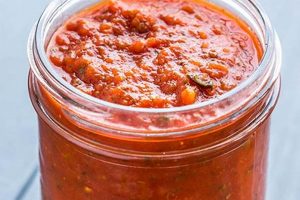
A condiment typically used to add flavor to grilled or barbecued foods, formulated without any animal-derived ingredients, defines the category. This means it omits common components like honey, Worcestershire sauce (which often contains anchovies), and rendered animal fats. Many commercially available and homemade versions achieve a rich, smoky, and tangy profile through plant-based ingredients such as tomatoes, vinegar, spices, and plant-based sweeteners like maple syrup or agave.
The significance of offering this type of condiment lies in catering to the growing population adhering to plant-based diets or seeking to reduce their animal product consumption. It allows individuals following vegan or vegetarian lifestyles to fully participate in barbecues and grilling events without compromising their dietary principles. Furthermore, these sauces can offer potential health benefits due to their reliance on whole, plant-based foods, potentially lower in saturated fat and cholesterol compared to traditional varieties.
The subsequent sections will delve into specific ingredients commonly found in these sauces, explore various flavor profiles achievable through plant-based alternatives, and provide guidance on selecting or creating such a sauce that meets diverse culinary preferences and dietary needs.
Tips for Selecting and Using Plant-Based Barbecue Sauces
This section provides practical guidance on choosing and utilizing barbecue sauces that exclude animal-derived ingredients, ensuring both flavor satisfaction and adherence to dietary principles.
Tip 1: Scrutinize Ingredient Lists. Carefully examine labels to identify and avoid hidden animal products. Common culprits include honey, anchovies (often in Worcestershire sauce), and animal-derived gelatin. Prioritize products with clear, plant-based ingredients.
Tip 2: Explore Different Sweeteners. Conventional barbecue sauces frequently utilize honey. Plant-based options often employ maple syrup, agave nectar, date syrup, or molasses. Experiment to find a preferred sweetness profile.
Tip 3: Consider Smoke Flavor Enhancements. To replicate the depth of flavor traditionally associated with barbecue, seek sauces incorporating smoked paprika, liquid smoke, or chipotle peppers. These ingredients impart a desirable smoky essence.
Tip 4: Evaluate Acidity Levels. Vinegar is a crucial component in many barbecue sauces, providing tang and balance. Cider vinegar, apple cider vinegar, and balsamic vinegar are viable options. Adjust the quantity to achieve the desired level of acidity.
Tip 5: Pair with Appropriate Foods. Plant-based barbecue sauces complement a range of dishes beyond traditional meats. Consider pairing with grilled vegetables, tofu, tempeh, plant-based burgers, or even jackfruit for a satisfying and flavorful meal.
Tip 6: Adjust for Personal Preference. Feel free to modify store-bought varieties by adding ingredients like hot sauce, extra spices, or fresh herbs to customize the flavor profile to individual tastes.
Tip 7: Consider Homemade Options. Creating a plant-based barbecue sauce from scratch allows for complete control over ingredients and flavor. Numerous online recipes provide step-by-step instructions and customization options.
By carefully examining ingredients, experimenting with flavor enhancers, and pairing sauces strategically, a delicious and ethical barbecue experience can be readily achieved. Understanding the nuances of plant-based ingredients is key to unlocking optimal flavor.
The subsequent section will address frequently asked questions about plant-based barbecue sauces, providing further clarity and guidance.
1. Ingredient Substitution

Ingredient substitution is a core principle in the creation of plant-based barbecue sauce, representing the deliberate and strategic replacement of animal-derived components with plant-based alternatives. This process demands a thorough understanding of the functional properties of each ingredient and how these properties contribute to the final product’s flavor, texture, and stability.
- Honey Replacement
Honey, a common sweetener in conventional barbecue sauces, is replaced with plant-derived alternatives such as maple syrup, agave nectar, or molasses. These substitutions not only eliminate an animal product but also introduce distinct flavor nuances. Maple syrup, for instance, imparts a characteristic caramel-like note, while molasses can contribute a richer, more robust sweetness. The choice of sweetener significantly affects the overall profile of the plant-based barbecue sauce.
- Worcestershire Sauce Alternative
Traditional Worcestershire sauce often contains anchovies, precluding its use in a plant-based formulation. Suitable replacements include a carefully balanced combination of soy sauce or tamari (for umami), apple cider vinegar (for acidity), and spices such as cloves and tamarind paste to mimic the complex savory notes of the original. Replicating this flavor requires precise calibration to achieve a comparable depth of taste.
- Fat Mimicry
Animal fats contribute to the mouthfeel and richness of some barbecue sauces. To replicate this aspect in a plant-based version, ingredients like olive oil, avocado oil, or even nut butters can be incorporated. These ingredients provide a similar textural experience and can contribute subtle flavor notes that complement the overall profile of the sauce.
- Color Modification
Replacing ingredients might affect the color. Dark molasses or a concentrated tomato paste can be used in ingredient substitution. The purpose is to make the plant-based products appear more appetizing or align more closely with the visual expectations of a standard barbecue sauce.
Ultimately, successful ingredient substitution in plant-based barbecue sauce hinges on a comprehensive understanding of the role each component plays in the final product. By carefully selecting and balancing plant-based alternatives, it is possible to create a sauce that replicates or even surpasses the flavor and texture of traditional varieties, while adhering to ethical and dietary requirements. The success of these substitutions directly determines the acceptance and appeal of the final plant-based barbecue product.
2. Flavor Profile

The flavor profile of any barbecue sauce, including those formulated without animal products, constitutes its defining characteristic and primary determinant of consumer appeal. In the context of plant-based barbecue sauce, achieving a compelling and balanced flavor profile is crucial for overcoming potential preconceptions regarding vegan alternatives and securing a broader market acceptance. Traditional barbecue sauces often rely on ingredients like honey, rendered animal fats, or Worcestershire sauce to contribute sweetness, richness, and umami, respectively. Therefore, the development of plant-based versions necessitates the strategic selection of alternative ingredients that can effectively mimic or even enhance these sensory attributes.
The interplay between sweetness, acidity, smokiness, and spice dictates the overall success of the flavor profile. For example, replacing honey with maple syrup introduces a distinct caramel-like sweetness, while the addition of smoked paprika provides a smoky depth comparable to that achieved through traditional smoking methods. The strategic use of vinegars, such as apple cider vinegar or balsamic vinegar, contributes essential acidity, balancing the sweetness and preventing the sauce from becoming cloying. Furthermore, the incorporation of spices like chili powder, cumin, or black pepper adds complexity and heat, rounding out the overall flavor experience. Real-world examples of successful vegan barbecue sauces demonstrate a careful orchestration of these elements to create a compelling and memorable taste.
In summary, the flavor profile is paramount to the success of any plant-based barbecue sauce. Mastering this aspect necessitates a deep understanding of ingredient interactions and the ability to effectively replicate or enhance the sensory attributes of traditional sauces using solely plant-derived components. Challenges in this area often involve achieving the desired level of umami or replicating the richness associated with animal fats. Addressing these challenges through innovative ingredient combinations and flavor layering is essential for ensuring the long-term viability and consumer acceptance of plant-based barbecue sauce options.
3. Sweetener Options

The selection of sweeteners directly impacts the formulation of plant-based barbecue sauce, influencing both flavor and texture. Traditional barbecue sauces frequently incorporate honey, precluding their suitability for vegan consumption. Consequently, sweetener options within plant-based barbecue sauce formulations necessitate the employment of alternatives that are both animal-product-free and capable of delivering the desired sweetness level and accompanying flavor notes. The choice of sweetener acts as a primary determinant of the sauce’s overall taste profile, from the subtle caramel notes of maple syrup to the deeper, more robust sweetness of molasses. This decision also affects the sauce’s viscosity and mouthfeel, requiring careful consideration of the functional properties of each potential substitute.
Examples of viable plant-based sweeteners include maple syrup, agave nectar, date syrup, brown sugar, and molasses. Maple syrup offers a nuanced sweetness and contributes to a slightly thinner consistency, while agave nectar provides a more neutral sweetness with a higher viscosity. Date syrup, derived from dates, imparts a distinctive fruit-forward flavor and a rich, dense texture. Brown sugar adds a molasses-like flavor complexity alongside a slightly grainy texture, and molasses itself, as previously mentioned, delivers a robust, dark sweetness. The selection process often involves a comparative analysis of the sweetness intensity, flavor contribution, and impact on texture associated with each potential sweetener. The decision becomes a balancing act of achieving desired sweetness while complementing, rather than overpowering, the other ingredients.
In summation, sweetener options are a critical component of any plant-based barbecue sauce formulation. The selection process requires a nuanced understanding of each sweetener’s flavor profile, sweetness intensity, and effect on the overall texture and consistency of the sauce. While various plant-based sweeteners can successfully replicate the sweetening effect of honey, the strategic choice of one or more alternatives is essential for achieving a balanced and palatable final product that meets the requirements of a plant-based diet. The improper choice of sweetener can lead to an unbalanced taste, negatively impacting consumer acceptance.
4. Smokiness Sources

The defining characteristic of many barbecue sauces is their smoky flavor. For barbecue sauce free from animal products, achieving this signature taste necessitates utilizing plant-derived smokiness sources. The omission of traditional smoke infusion processes, often involving meat-based drippings, requires alternative techniques. The selection and application of these sources are critical determinants of the final product’s authenticity and overall appeal. Failure to incorporate a suitable smokiness element results in a sauce that deviates substantially from established consumer expectations for barbecue flavors. Examples of viable plant-based sources include smoked paprika, liquid smoke, and smoked salt. These ingredients introduce phenolic compounds, the primary contributors to the perception of smoke, replicating the sensory experience of traditional barbecue.
The concentration and type of smokiness source directly impact the flavor intensity. For instance, liquid smoke, derived from the condensation of wood smoke, can impart a potent smoky flavor, requiring careful calibration to avoid overpowering other ingredients. Smoked paprika, on the other hand, offers a milder, more nuanced smokiness alongside subtle fruity notes. The choice depends on the desired flavor profile, with manufacturers often blending multiple sources to achieve a complex and balanced smoky character. Moreover, the method of incorporation plays a role; adding smoked paprika early in the cooking process allows its flavor to meld more fully with the other components, while a late addition of liquid smoke can provide a sharper, more pronounced smoky finish. Experimentation and sensory evaluation are essential for optimizing the use of these ingredients.
In summary, the skillful selection and application of smokiness sources represent a critical aspect of plant-based barbecue sauce formulation. The absence of animal-derived ingredients necessitates reliance on plant-based alternatives to achieve the characteristic smoky flavor. Successfully replicating this flavor profile through ingredients like smoked paprika and liquid smoke requires careful consideration of concentration, ingredient interactions, and method of incorporation. The resulting sauce must deliver an authentic barbecue experience while adhering to the principles of a plant-based diet. Challenges include balancing the intensity of the smokiness and integrating it seamlessly with other flavor elements, but overcoming these hurdles is essential for market acceptance.
5. Acidity Balance

Acidity balance is a critical component in the formulation of plant-based barbecue sauce. Its influence extends beyond mere taste; it affects the sauce’s overall flavor profile, preservation qualities, and its capacity to complement the foods with which it is served. In the context of a barbecue sauce formulated without animal products, achieving this balance presents unique challenges and opportunities.
The role of acidity is multifaceted. It provides a counterpoint to the sweetness, preventing the sauce from becoming cloying. Further, acidity helps to cut through the richness of fatty foods, offering a refreshing contrast on the palate. From a practical standpoint, an adequate level of acidity also inhibits the growth of microorganisms, thereby extending the shelf life of the sauce. Plant-based barbecue sauces often rely on ingredients like vinegar (apple cider, white, or balsamic) and citrus juices (lemon or lime) to achieve the desired level of acidity. For instance, a tomato-based sauce might employ apple cider vinegar to create a tangy counterpoint to the sweetness of added sugars or maple syrup. A North Carolina-style plant-based barbecue sauce might utilize a higher proportion of white vinegar to achieve a sharp, acidic profile that is characteristic of the regional variation. Without sufficient acidity, a plant-based barbecue sauce risks being perceived as overly sweet, lacking depth, and being more susceptible to spoilage.
Balancing acidity within a plant-based barbecue sauce necessitates a nuanced understanding of ingredient interactions and flavor profiles. The level of sweetness, the intensity of smokiness, and the pungency of spices must all be considered in conjunction with the chosen acidic agents. The success of a plant-based barbecue sauce hinges on achieving a harmonious blend where the acidity enhances rather than overpowers the other flavors. A final point the acidity and ingredient reaction that could change the color of vegan BBQ sauce, should consider as a important point.
6. Versatility
Plant-based barbecue sauce demonstrates considerable versatility, attributable to its formulation without animal-derived ingredients. This inherent adaptability expands its culinary applications beyond traditional pairings with grilled meats. The absence of animal fats or byproducts allows plant-based barbecue sauce to integrate seamlessly into a wider range of dishes, accommodating diverse dietary preferences and culinary styles. Its adaptability is a direct consequence of its composition, enabling its use as a marinade, dipping sauce, glaze, or condiment across numerous plant-based and even omnivorous meals. For example, it serves as a flavorful addition to grilled vegetables, tofu scrambles, jackfruit tacos, and lentil loaves. The versatility directly impacts its market appeal, making it a valuable addition to both home kitchens and commercial food service establishments.
The importance of versatility extends beyond simple application. A versatile plant-based barbecue sauce offers increased consumer value by reducing the need for multiple specialty sauces. A single product can enhance the flavor profile of various dishes, streamlining meal preparation and reducing waste. The functional significance of this adaptability lies in its potential to drive broader adoption of plant-based options, appealing to individuals who might not adhere to strict vegan or vegetarian diets. Food manufacturers recognize this attribute and frequently highlight the numerous applications of their plant-based barbecue sauces in marketing materials and recipe suggestions, further reinforcing its versatile nature.
In conclusion, the versatility of plant-based barbecue sauce is intrinsically linked to its formulation. The absence of animal products unlocks a broader range of applications compared to traditional varieties, fostering greater culinary innovation and consumer appeal. Understanding this connection is essential for both product developers seeking to maximize market penetration and consumers looking for adaptable and flavorful plant-based options. The practical significance of versatility is in the expansion of menu options and a wider acceptance for plant-based cuisine.
7. Ethical Sourcing

Ethical sourcing is a crucial consideration for plant-based barbecue sauce, influencing both the integrity of the product and its appeal to ethically conscious consumers. Ensuring that ingredients are obtained responsibly impacts sustainability, fair labor practices, and overall product value.
- Fair Labor Practices
Many ingredients in plant-based barbecue sauce, such as sugar, spices, and tomatoes, are sourced from regions where labor exploitation can be prevalent. Ethical sourcing involves verifying that suppliers adhere to fair labor standards, ensuring workers receive fair wages, safe working conditions, and the right to organize. Failure to address labor practices can tarnish the brand image and contribute to unethical supply chains.
- Sustainable Agriculture
Sustainable agricultural practices minimize environmental impact, preserving soil health, reducing water usage, and promoting biodiversity. Ethically sourced ingredients are often grown using organic or regenerative farming methods. For example, sourcing tomatoes from farms that prioritize soil conservation and reduce pesticide use ensures a more environmentally friendly product. Conversely, unsustainable farming can lead to soil degradation and ecosystem damage.
- Transparency and Traceability
Consumers increasingly demand transparency regarding the origin and production methods of their food. Ethical sourcing requires traceability, allowing manufacturers to track ingredients from farm to table. This transparency builds consumer trust and enables verification of ethical claims. Lack of traceability can obscure unethical practices within the supply chain.
- Environmental Impact Reduction
Ethical sourcing extends to minimizing the carbon footprint associated with ingredient transportation and processing. This may involve sourcing ingredients locally or choosing suppliers committed to reducing their environmental impact through energy efficiency and waste reduction. Ignoring the environmental consequences of sourcing decisions can undermine the ethical value proposition of plant-based barbecue sauce.
The ethical sourcing of plant-based barbecue sauce ingredients not only aligns with vegan principles but also reflects a broader commitment to responsible business practices. Addressing these interconnected facets ensures a product that is both delicious and ethically sound, appealing to consumers who prioritize sustainability and fair treatment of workers. These ethical considerations can be a differentiating factor in a competitive market.
Frequently Asked Questions
This section addresses common inquiries regarding plant-based barbecue sauces, providing clarity on ingredients, flavor profiles, and suitability for various dietary needs. The information provided aims to dispel misconceptions and offer guidance on selecting and utilizing these sauces effectively.
Question 1: What ingredients typically replace honey in vegan barbecue sauce?
Plant-based alternatives such as maple syrup, agave nectar, date syrup, and molasses commonly substitute honey. The specific choice influences the final flavor profile, with each offering varying degrees of sweetness and subtle flavor nuances.
Question 2: Is smoked paprika a standard ingredient in plant-based barbecue sauce?
Smoked paprika is frequently incorporated to replicate the smoky flavor traditionally achieved through meat-based smoking processes. Its inclusion contributes to the authenticity of the barbecue sauce’s flavor profile.
Question 3: How does vegan barbecue sauce differ in texture from traditional versions?
The absence of animal fats may result in a slightly different texture. However, the strategic use of plant-based oils, nut butters, or thickeners can effectively mimic the richness and mouthfeel of traditional sauces.
Question 4: Are all commercially available barbecue sauces labeled “vegan” reliably free from animal products?
Scrutinizing the ingredient list is essential, even with a “vegan” label. Hidden animal products, such as certain types of natural flavorings or processing aids, may be present. Verify the absence of honey, anchovies, and other non-vegan ingredients.
Question 5: Can vegan barbecue sauce be used as a marinade for plant-based proteins?
Yes, it functions effectively as a marinade for tofu, tempeh, seitan, and jackfruit. The sauce’s acidity and flavor components penetrate and enhance the taste of these plant-based protein sources.
Question 6: Does the absence of animal products compromise the shelf life of vegan barbecue sauce?
When properly formulated with adequate acidity and preservatives, plant-based barbecue sauce can achieve a comparable shelf life to traditional versions. The specific formulation and storage conditions are the primary determinants of its longevity.
In summary, plant-based barbecue sauce offers a palatable and ethical alternative to traditional varieties. Informed selection and awareness of ingredient substitutions are key to ensuring satisfaction.
The subsequent section will provide resources for finding reliable plant-based barbecue sauce recipes and product recommendations.
Conclusion
This exploration has illuminated the multifaceted nature of barbecue sauce formulated without animal products. Key aspects, including ingredient substitution, flavor profile development, and ethical sourcing, are critical considerations in achieving a palatable and responsible product. The versatility of this type of sauce extends its application across diverse culinary contexts, catering to a growing segment of consumers seeking plant-based alternatives. The absence of animal-derived ingredients does not inherently compromise flavor or functionality, provided that careful attention is paid to ingredient selection and formulation techniques.
The future viability of plant-based barbecue sauce rests on continued innovation in ingredient technology and a commitment to transparency in sourcing practices. As consumer awareness of ethical and environmental issues expands, the demand for responsibly produced alternatives will likely increase. Manufacturers who prioritize these aspects will be best positioned to succeed in this evolving market. Further research into novel plant-based ingredients and flavor enhancement methods is warranted to optimize both the sensory and nutritional aspects of this product category.