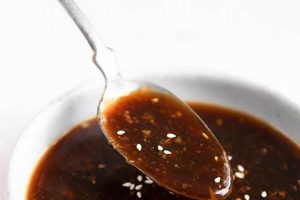
A plant-based alternative to traditional confectionery topping is crafted without dairy or animal products. This often involves substituting ingredients like dairy cream and butter with coconut cream, cashew cream, or other plant-derived fats, combined with sweeteners such as cane sugar, brown sugar, or maple syrup to achieve a similar rich, sweet flavor and viscous texture. An example might include a blend of coconut milk, dates, and vanilla extract, cooked down to the desired consistency.
The increasing adoption of this variation stems from ethical considerations, dietary restrictions (such as veganism or lactose intolerance), and a desire for sustainable food options. The benefits include reduced animal product consumption, potential for lower saturated fat content (depending on the specific recipe), and accessibility for a wider range of consumers. Historically, the development of plant-based versions reflects a broader trend towards innovative food alternatives that cater to evolving consumer preferences and health concerns.
This article will further explore the ingredients, preparation methods, common applications, and nutritional aspects associated with crafting and utilizing this dairy-free confection. It will also address considerations regarding shelf life, storage, and potential variations in flavor profiles across different recipes.
Tips for Achieving Optimal Results with a Plant-Based Confection
The following guidelines aim to optimize the preparation and utilization of this dairy-free treat, ensuring a desirable texture and flavor profile while addressing common challenges.
Tip 1: Employ high-quality plant-based fats. The selection of ingredients such as full-fat coconut milk or properly prepared cashew cream directly impacts the richness and creaminess of the final product. Inadequate fat content can result in a thin, watery sauce.
Tip 2: Control the heat meticulously during cooking. Excessive heat can cause the sugar to burn, imparting a bitter taste. Utilize a medium-low setting and consistently monitor the sauce’s temperature.
Tip 3: Consider the impact of different sweeteners. Cane sugar provides a traditional caramel flavor, while maple syrup contributes a distinct, characteristic note. Experimentation allows for tailoring the taste profile to specific preferences.
Tip 4: Introduce a pinch of salt to enhance the flavor. Salt balances the sweetness and amplifies the caramel notes. A small amount, approximately 1/8 teaspoon per cup of liquid, is generally sufficient.
Tip 5: Allow ample time for cooling and thickening. The sauce will continue to thicken as it cools. Avoid prematurely judging the consistency; refrigerate for at least one hour before assessment.
Tip 6: Properly store any remaining sauce. Refrigerate in an airtight container for up to one week. This prevents spoilage and maintains the desired texture.
Tip 7: Address Potential Separation. Some plant-based fats may separate during storage. Re-whisking the sauce gently upon removal from refrigeration restores its intended consistency.
By adhering to these tips, individuals can create a delectable and satisfying dairy-free indulgence that replicates the experience of traditional caramel sauce.
The subsequent sections of this article will delve into recipe variations, common culinary applications, and the nutritional considerations associated with this innovative confectionery alternative.
1. Dairy-free

The “Dairy-free” characteristic is not merely an attribute of the confection; it constitutes a foundational requirement. The defining principle of veganism excludes all animal products, making the omission of dairy ingredients, such as cream, butter, and milk solids, paramount in the creation of an ethically aligned product. The causal relationship is direct: the absence of dairy necessitates alternative formulations, driving innovation in the use of plant-based fats and sweeteners. A practical example illustrates this: Traditional confection topping relies on milk-derived butterfat for its characteristic texture and flavor; the dairy-free version must substitute this fat with coconut cream or cashew cream to achieve a similar result.
The practical significance of understanding this connection extends beyond ethical considerations. For individuals with lactose intolerance or dairy allergies, the dairy-free aspect is critical for safe consumption. Furthermore, the use of plant-based fats can offer alternative nutritional profiles, potentially lower in saturated fats compared to dairy-based counterparts. This understanding is crucial for food manufacturers, recipe developers, and consumers alike, as it informs ingredient selection, preparation methods, and dietary choices. Restaurants and food producers are increasingly catering to this segment by offering dairy-free options.
In summary, the dairy-free aspect is not simply a label, it is a core design parameter that dictates the entire recipe. This constraint fosters innovation in ingredient selection and preparation techniques, ultimately expanding accessibility and offering benefits for both ethical and health-conscious consumers. Challenges remain in replicating the precise flavor and texture of traditional confection topping without dairy, but ongoing advancements in food science are continually bridging the gap. This dairy-free movement reflects a broader trend toward inclusivity and diverse dietary options in the food industry.
2. Plant-based fats

The selection and application of plant-based fats are central to producing a confection that successfully mirrors the texture and richness of traditional caramel while adhering to vegan principles. These fats replace the dairy-derived butterfat that is foundational to conventional recipes, necessitating a careful understanding of their properties and behavior during the cooking process.
- Coconut Cream as a Primary Lipid Source
Coconut cream, particularly the full-fat variety, offers a high lipid content that contributes to a creamy mouthfeel. The saturated fat profile, while different from dairy butterfat, provides structure and stability to the sauce. However, the distinctive coconut flavor must be managed carefully, often requiring the addition of complementary flavors like vanilla extract or a touch of sea salt to mitigate its prominence.
- Cashew Cream as a Neutral-Tasting Alternative
Cashew cream, produced by blending soaked cashews into a smooth paste, serves as a more neutral-tasting base. The lack of pronounced flavor allows for greater control over the final taste profile, enabling a closer approximation of traditional caramel. Proper preparation of the cashew cream, including adequate soaking time, is crucial to achieving a smooth, grit-free texture.
- Almond Butter and Its Limited Application
While almond butter can contribute to the fat content, its strong flavor profile and tendency to become grainy can limit its application. It is more suited for recipes where the nutty flavor is desired and can be incorporated without compromising the overall texture. Its primary use is for adding nuttiness but needs other alternative.
- Refined Coconut Oil for Enhancing Gloss and Texture
Refined coconut oil, devoid of the coconut flavor, can be incorporated in small amounts to enhance the gloss and improve the overall texture of the confection. It contributes to a smoother, more viscous consistency but should be used judiciously to avoid a greasy mouthfeel.
The successful integration of plant-based fats hinges on understanding their individual characteristics and how they interact with other ingredients. Recipe developers must consider factors such as flavor contribution, melting point, and emulsification properties to achieve the desired outcome. The careful selection and application of these fats are crucial for replicating the sensory experience of traditional confection topping, while adhering to ethical and dietary constraints.
3. Sweetener variations

The selection of sweeteners plays a critical role in shaping the flavor profile, texture, and overall characteristics of a plant-based confection topping. While traditional caramel relies on refined sugars for its characteristic sweetness and color development, vegan formulations require alternative sweeteners to adhere to ethical guidelines and address potential consumer preferences.
- Cane Sugar: A Familiar Base
Cane sugar, in its refined or less refined forms (such as turbinado or demerara), provides a familiar sweetness and contributes to the browning reactions essential for caramel flavor development. Its high sucrose content facilitates the Maillard reaction, creating complex aromatic compounds. However, the use of cane sugar might be a point of contention for strict vegans due to potential bone char processing in its refinement.
- Maple Syrup: Distinctive Flavor and Texture
Maple syrup offers a distinctive flavor profile that complements the caramel notes. Its inherent moisture content and invert sugar composition influence the sauce’s texture, potentially leading to a softer, less brittle consistency. The grade of maple syrup (e.g., Grade A Dark Color or Grade A Golden Color) significantly impacts the intensity of its flavor and color contribution.
- Coconut Sugar: Low Glycemic Index and Caramel Undertones
Coconut sugar, derived from the sap of coconut palm blossoms, presents a lower glycemic index compared to refined cane sugar. Its subtle caramel undertones enhance the overall flavor complexity of the plant-based confectionery topping. However, it may require adjustments in cooking time and temperature due to its different composition and reactivity.
- Date Syrup: Natural Sweetness and Enhanced Viscosity
Date syrup, produced from concentrated date fruit, provides natural sweetness and contributes to a thicker, more viscous texture. Its high fiber content can also influence the sauce’s mouthfeel. The date flavor is assertive and must be carefully balanced with other ingredients to prevent it from overpowering the desired caramel notes.
The choice of sweetener is not merely a matter of providing sweetness; it is a strategic decision that impacts the entire sensory experience. Each sweetener brings unique characteristics that must be considered during recipe development to achieve a balanced flavor, desirable texture, and optimal shelf stability in the final product. The careful selection and application of these alternative sweeteners allow for the creation of dairy-free indulgences that cater to diverse taste preferences and dietary requirements.
4. Viscosity control

Viscosity control is a critical parameter in the creation of plant-based confection topping, influencing its functionality, aesthetic appeal, and overall consumer acceptance. Unlike traditional formulations relying on dairy fats and proteins for inherent thickening properties, dairy-free versions require careful manipulation of ingredients and techniques to achieve the desired consistency.
- Influence of Plant-Based Fat Content
The concentration of plant-based fats, such as coconut cream or cashew cream, directly affects the viscosity. Higher fat content generally results in a thicker sauce, mimicking the mouthfeel of dairy-based caramel. However, excessive fat can lead to a greasy texture. Precise measurements and ingredient ratios are essential for achieving an optimal balance. Example: A sauce made with predominantly water will be thin and lack body; one with too much coconut oil may solidify excessively upon cooling.
- Impact of Sweetener Selection
Different sweeteners contribute varying levels of viscosity. High-fructose corn syrup, common in commercial caramel, provides significant thickening. Plant-based alternatives like maple syrup or agave nectar have different sugar profiles and moisture content, affecting the final consistency. The substitution requires adjustments in cooking time and potentially the addition of thickening agents. Example: Maple syrup tends to produce a softer sauce, while coconut sugar may yield a slightly grainier texture.
- Role of Thickening Agents
Thickening agents, such as cornstarch, tapioca starch, or agar-agar, can be employed to enhance viscosity and prevent separation. These ingredients absorb water and swell during heating, creating a more stable emulsion. However, overuse can result in a gummy or pasty texture. Precise measurements and proper dispersion are crucial. Example: A small amount of cornstarch, properly dissolved in cold water before addition, can significantly increase the sauce’s thickness without altering the flavor profile substantially.
- Influence of Cooking Time and Temperature
The duration and intensity of heating influence water evaporation and sugar caramelization, both of which impact viscosity. Extended cooking at high temperatures can lead to excessive thickening and potentially burning, while insufficient cooking may result in a thin, watery sauce. Careful monitoring and temperature control are essential for achieving the desired consistency. Example: Allowing the sauce to simmer gently over medium-low heat promotes even thickening and caramelization without scorching.
These interwoven factors underscore the complexity of viscosity control in plant-based confection topping. The careful orchestration of ingredient selection, proportions, and cooking techniques is paramount for replicating the appealing texture of traditional caramel while adhering to vegan principles. The success of the final product hinges on a deep understanding of these relationships and their impact on the overall sensory experience. Ultimately, the mastery of viscosity control separates a mediocre dairy-free sauce from a truly exceptional one, capable of satisfying even the most discerning palate.
5. Flavor enhancement

Flavor enhancement is not merely an optional consideration, but an essential component in the successful formulation of plant-based confection topping. The absence of dairy, a primary contributor to the characteristic flavor profile of traditional caramel, necessitates a strategic approach to amplifying and refining the taste experience. This involves a multifaceted strategy that encompasses ingredient selection, preparation techniques, and the skillful layering of complementary flavors.
One critical aspect of flavor enhancement lies in the selection of plant-based fats. Coconut cream, for instance, inherently imparts a distinct coconut flavor, which can either be leveraged as a signature note or mitigated through careful balancing with other ingredients. Vanilla extract, a common addition, serves not only to mask any undesirable off-flavors but also to enhance the perceived sweetness and complexity. The inclusion of a pinch of sea salt, seemingly counterintuitive, plays a vital role in suppressing bitterness and accentuating the caramel notes, creating a more harmonious and balanced flavor profile. Moreover, techniques such as the Maillard reaction, achieved through controlled heating of sugars, are critical for developing the characteristic caramel flavor. For example, the careful browning of cane sugar or coconut sugar contributes significantly to the overall taste perception. The addition of a small amount of apple cider vinegar or lemon juice can introduce a subtle tanginess, mimicking the slight acidity found in traditional caramel and adding another layer of complexity. The practical implication of understanding this connection is significant: recipes that prioritize flavor enhancement through strategic ingredient selection and preparation techniques are more likely to achieve consumer acceptance and replicate the sensory experience of traditional caramel.
In summary, flavor enhancement is an indispensable element in the creation of plant-based confection topping, demanding a comprehensive understanding of ingredient interactions and preparation techniques. The skillful manipulation of plant-based fats, sweeteners, and complementary flavors, coupled with controlled heating processes, is essential for achieving a balanced, complex, and satisfying taste profile. While challenges remain in precisely replicating the nuanced flavors of traditional caramel without dairy, ongoing innovation and refinement in recipe development continue to bridge the gap, offering consumers a delectable and ethically conscious alternative.
6. Shelf stability

Shelf stability represents a crucial factor in the commercial viability and consumer satisfaction associated with confectionery topping. Plant-based versions, formulated without dairy, present unique challenges and considerations compared to their traditional counterparts.
- Water Activity (Aw) Management
Water activity dictates the availability of water for microbial growth and enzymatic reactions. Plant-based formulations often exhibit higher water activity due to the humectant properties of certain alternative sweeteners like maple syrup or agave. Reducing water activity through careful ingredient selection and processing methods is essential for inhibiting microbial proliferation and extending shelf life. Improper Aw control can lead to spoilage, off-flavors, and potential safety hazards.
- Lipid Oxidation Considerations
Plant-based fats, particularly unsaturated oils derived from nuts or seeds, are more susceptible to oxidation compared to saturated dairy fats. Oxidation results in rancidity, off-flavors, and decreased nutritional value. Incorporating antioxidants, such as vitamin E or rosemary extract, and employing airtight packaging can mitigate lipid oxidation and prolong shelf life. Storage at low temperatures further slows down oxidative processes.
- Microbial Stability and Preservation Strategies
Plant-based ingredients introduce a different microbial landscape compared to dairy-based products. Certain plant-derived components may harbor heat-resistant microorganisms or spores. Implementing appropriate heat treatments, such as pasteurization or sterilization, is crucial for eliminating pathogenic bacteria and extending shelf life. Preservatives, such as potassium sorbate or sodium benzoate, may be necessary to inhibit the growth of spoilage organisms, particularly yeasts and molds.
- Emulsion Stability and Phase Separation
Plant-based toppings often rely on emulsions to maintain a homogeneous texture and prevent phase separation. The absence of milk proteins, which act as natural emulsifiers in traditional caramel, necessitates the use of alternative emulsifiers, such as sunflower lecithin or soy lecithin. Maintaining proper emulsion stability is critical for preventing the formation of undesirable layers or textures, which can negatively impact consumer perception and shelf life. Proper homogenization techniques and storage conditions are essential for preserving emulsion integrity.
Successfully addressing these shelf stability considerations is paramount for ensuring the safety, quality, and consumer appeal of plant-based confectionery products. Formulators must carefully consider the interplay between ingredient selection, processing methods, packaging materials, and storage conditions to achieve optimal shelf life and deliver a product that meets the expectations of consumers seeking dairy-free alternatives. Overcoming these challenges allows for the widespread adoption and commercial success of plant-based options, contributing to a more sustainable and inclusive food system.
Frequently Asked Questions
The following addresses common inquiries regarding plant-based confectionery topping, providing clarification on aspects related to ingredients, preparation, storage, and application.
Question 1: What distinguishes vegan caramel sauce from traditional caramel sauce?
The primary distinction lies in the absence of dairy ingredients. Traditional caramel relies on milk or cream for its characteristic texture and flavor. Plant-based versions substitute these with ingredients such as coconut cream, cashew cream, or other non-dairy alternatives.
Question 2: Is it possible to achieve the same texture and flavor as traditional caramel sauce without dairy?
While replicating the exact sensory experience is challenging, advancements in ingredient selection and preparation techniques allow for a close approximation. The use of high-quality plant-based fats and careful manipulation of cooking parameters are crucial for achieving a similar texture and flavor profile.
Question 3: What are the key ingredients typically found in vegan caramel sauce?
Common ingredients include coconut cream or cashew cream, a sweetener such as cane sugar, maple syrup, or coconut sugar, vanilla extract, and a pinch of sea salt. Some recipes may also incorporate thickening agents or additional flavorings.
Question 4: How should vegan caramel sauce be stored to maintain its quality?
Proper storage is essential for preventing spoilage and preserving the desired texture. Refrigeration in an airtight container is recommended. Some separation may occur during storage; re-whisking gently before use can restore the original consistency.
Question 5: Can vegan caramel sauce be used in the same applications as traditional caramel sauce?
Yes, it can be used in a wide range of applications, including topping desserts, flavoring beverages, and incorporating into baked goods. However, slight adjustments in recipe formulation may be necessary to account for the differences in ingredient properties.
Question 6: Does the nutritional profile of vegan caramel sauce differ significantly from traditional caramel sauce?
Nutritional differences vary depending on the specific recipe and ingredients used. Plant-based versions may have lower saturated fat content or higher fiber content compared to traditional options. It is advisable to review the nutritional information for a specific product or recipe.
The information provided aims to address common concerns and misconceptions, facilitating a clearer understanding of this confectionery alternative.
The subsequent sections will address recipe examples, usage scenarios and future trends.
In Summary
This article has explored the composition, creation, and application of this dairy-free confection. It examined the necessity of plant-based fat substitutions, the impact of varying sweeteners, methods for viscosity control, avenues for flavor enhancement, and requirements for shelf stability. By addressing these elements, it becomes clear that crafting a successful alternative requires a deep understanding of ingredient interactions and processing techniques.
The future trajectory of this product depends on continued innovation in ingredient technology and recipe refinement. With growing consumer demand for ethical and dietary-conscious food options, this confectionery segment is poised for further expansion. Food scientists and culinary professionals must focus on replicating the sensory experience of traditional caramel without compromising ethical or nutritional standards. The ongoing pursuit of improvements in flavor, texture, and stability will be key to ensuring continued adoption and wider acceptance.