This culinary creation represents a plant-based alternative to traditional Alfredo sauce, utilizing cauliflower as its primary ingredient. The vegetable undergoes processing, typically involving steaming or boiling, before being blended into a smooth, creamy consistency. Nutritional yeast, garlic, lemon juice, and plant-based milk or broth are commonly incorporated to mimic the rich flavor and texture associated with the dairy-laden original. It provides a dairy-free and often lower-calorie option for pasta dishes and other applications where Alfredo sauce is traditionally used.
This variation offers several advantages, including suitability for individuals with lactose intolerance or those adhering to vegan dietary practices. Compared to classic Alfredo, the base ingredient contributes dietary fiber and essential nutrients, potentially increasing the nutritional value of the overall dish. The development of this dairy-free substitute also reflects growing consumer demand for healthier and more sustainable food choices, aligning with trends towards plant-based eating. Its accessibility has expanded with the increasing availability of vegan ingredients and readily accessible recipes.
Understanding the composition and benefits of this innovative sauce is essential before exploring its diverse culinary applications, recipe variations, and potential impacts on both dietary habits and the broader food industry landscape. Further discussion will delve into specific preparation techniques, potential ingredient substitutions, and its integration into a variety of meal plans.
Preparation and Usage Guidelines
The following recommendations aim to optimize the preparation and utilization of a dairy-free alternative to traditional Alfredo sauce.
Tip 1: Cauliflower Preparation. Ensure thorough cooking of the cauliflower to achieve optimal smoothness. Overcooked cauliflower blends more easily, resulting in a silkier sauce consistency. Steaming or boiling are acceptable methods; however, avoid introducing excess water during the cooking process.
Tip 2: Nutritional Yeast Incorporation. Introduce nutritional yeast gradually. This ingredient imparts a cheese-like flavor, but excessive amounts can create an undesirable, overly strong taste profile. Start with a smaller quantity and adjust to preference.
Tip 3: Liquid Adjustment. Carefully regulate the amount of plant-based milk or broth used during blending. Adding liquid incrementally prevents the sauce from becoming overly thin. The target consistency should resemble that of traditional Alfredo sauce thick enough to coat pasta effectively.
Tip 4: Garlic Utilization. Employ roasted garlic to enhance the depth of flavor. Roasting mellows the garlic’s pungency, contributing a more nuanced and complex taste. Alternatively, garlic powder can be used sparingly if fresh garlic is unavailable.
Tip 5: Seasoning Optimization. Prioritize a balanced seasoning profile. Salt, pepper, and a touch of nutmeg or white pepper can elevate the sauce’s overall flavor. Taste and adjust seasonings after blending, ensuring a harmonious blend of flavors.
Tip 6: Storage Recommendations. Store any unused portion in an airtight container in the refrigerator. The sauce is best consumed within 2-3 days. Reheating may slightly alter the consistency, requiring a small amount of additional liquid to restore the original texture.
Tip 7: Ingredient Quality Consideration. Select high-quality ingredients. The flavor and texture of the final product are directly influenced by the quality of the base components. Opt for fresh, unblemished cauliflower and reputable brands of nutritional yeast and plant-based milk.
Adhering to these guidelines will contribute to a more successful and enjoyable culinary experience, resulting in a flavorful and texturally appealing dairy-free alternative.
Further considerations involve exploring recipe variations that incorporate additional vegetables or flavor enhancers to customize the sauce according to individual preferences.
1. Creamy Texture

The creamy texture is a defining characteristic of Alfredo sauce, and achieving this attribute in a vegan, cauliflower-based version presents a significant culinary challenge. Replicating the smooth, rich mouthfeel of dairy-based Alfredo requires careful attention to preparation and ingredient selection.
- Cauliflower Preparation and Processing
Achieving a creamy texture hinges on the proper preparation of cauliflower. Overcooking the cauliflower ensures that the vegetable becomes sufficiently soft and easily broken down during blending. Steaming or boiling are preferred methods. The goal is to minimize any residual fibrous texture that could compromise the overall smoothness. Furthermore, high-powered blending equipment is often necessary to completely homogenize the cooked cauliflower into a smooth puree.
- Liquid Emulsification and Consistency
The careful addition of liquid is crucial for achieving the desired consistency. Plant-based milk (such as oat, soy, or almond milk) or vegetable broth can be gradually incorporated during the blending process. The liquid helps to create an emulsion, binding the pureed cauliflower and other ingredients together. The amount of liquid used directly impacts the final texture; too little results in a thick, pasty sauce, while too much yields an overly thin and watery consistency. Frequent assessment of the texture during blending is essential.
- Stabilizing Agents and Emulsifiers
While proper preparation and blending techniques are primary, certain ingredients can function as stabilizing agents and emulsifiers, further enhancing the creamy texture. A small amount of olive oil or vegan butter can contribute richness and smoothness. Alternatively, the addition of soaked cashews (blended into a cream) can provide a particularly decadent and creamy texture. These ingredients help to bind the components together and prevent separation, resulting in a more stable and appealing sauce.
- Temperature Control and Serving
Temperature management also influences the perceived creaminess. Serving the sauce at an appropriate temperature is vital. If the sauce cools down too much, it may thicken and lose some of its desirable texture. Gentle reheating, with the addition of a small amount of liquid if necessary, can restore the optimal consistency. Conversely, excessively high temperatures can cause the sauce to separate or develop an undesirable cooked flavor. Careful attention to temperature throughout the preparation and serving process contributes significantly to the overall experience.
The combination of meticulous cauliflower preparation, skillful liquid emulsification, strategic use of stabilizing agents, and precise temperature control culminates in a dairy-free sauce that convincingly mimics the creamy texture of traditional Alfredo. While subtle differences may be discernible to discerning palates, the carefully crafted texture contributes significantly to the overall enjoyment and versatility of the plant-based alternative. The innovative transformation of cauliflower showcases its potential in recreating culinary classics in vegan forms.
2. Nutritional Yeast

Nutritional yeast serves as a crucial component in the creation of dairy-free Alfredo sauce based on cauliflower. Its primary function lies in mimicking the savory, umami-rich flavor associated with cheese, a characteristic element of traditional Alfredo. The absence of dairy mandates the introduction of alternative flavor enhancers, and nutritional yeast effectively fulfills this role. Its inherent savory notes create a cheese-like taste, contributing to the overall palatability of the plant-based sauce. For example, without the inclusion of nutritional yeast, cauliflower Alfredo sauce often lacks depth and complexity, tasting bland and incomplete. Its presence bridges the flavor gap, rendering the dish more appealing to individuals accustomed to dairy-based sauces.
The quantity of nutritional yeast directly impacts the flavor profile of the sauce. An insufficient amount results in a mild, underwhelming taste, while an excess can lead to an overpowering, sometimes bitter flavor. Optimal usage involves gradual incorporation, with tasting and adjustments along the way. Further enhancing the interaction, the fat content within the sauce (often derived from olive oil or plant-based butter) aids in the distribution and integration of nutritional yeast’s flavor throughout the dish. This strategic flavor enhancement extends beyond merely replicating cheese. It contributes to the perception of richness and depth, masking the underlying flavor of cauliflower and creating a more complex and satisfying culinary experience.
Understanding the crucial role of nutritional yeast is essential for successfully preparing a palatable dairy-free Alfredo sauce. Its omission or improper usage compromises the flavor profile, resulting in an unsatisfactory result. While alternative ingredients can contribute to the umami element, none possess the same balanced flavor profile and easy integration as nutritional yeast. Its continued use in plant-based cooking reflects its effectiveness in recreating the flavors of traditional dairy-based dishes, making it a staple in vegan culinary applications.
3. Dairy Alternative
The concept of a “Dairy Alternative” is central to understanding the position and appeal of cauliflower vegan Alfredo sauce. Traditional Alfredo relies heavily on dairy products such as butter and cream for its characteristic flavor and texture. This plant-based variation directly addresses the needs of individuals seeking to avoid or eliminate dairy from their diets.
- Addressing Lactose Intolerance
Lactose intolerance, a condition where the body struggles to digest lactose (a sugar found in dairy), affects a significant portion of the global population. Products based on cauliflower offer a viable option for these individuals to enjoy familiar flavors without experiencing digestive discomfort. The cauliflower-based sauce entirely excludes lactose, making it suitable for those with varying degrees of lactose intolerance.
- Vegan Dietary Adherence
Veganism, an ethical and dietary practice, excludes all animal products, including dairy. The cauliflower vegan Alfredo sauce inherently aligns with vegan principles, allowing adherents to enjoy a creamy, flavorful sauce that conforms to their dietary restrictions. Traditional Alfredo sauce is categorically excluded from a vegan diet, making the cauliflower alternative a direct and acceptable substitute.
- Health Considerations and Dietary Choices
Beyond lactose intolerance and veganism, some individuals choose to limit or avoid dairy for general health reasons. Dairy products can be high in saturated fat and cholesterol, which some seek to minimize in their diets. The cauliflower alternative, often lower in calories and saturated fat, presents a potentially healthier option. The exact nutritional profile varies depending on the recipe, but generally offers a reduced-fat alternative.
- Expanding Culinary Options
The availability of dairy alternatives expands culinary possibilities for both home cooks and professional chefs. It allows for the adaptation of classic recipes to suit a wider range of dietary needs and preferences. Cauliflower-based Alfredo sauce, for example, enables the creation of vegan pasta dishes, gratins, and other entrees that would traditionally be off-limits to those avoiding dairy. This expands menu options and caters to a more diverse customer base.
The facets of lactose intolerance, vegan dietary adherence, health considerations, and expanded culinary options collectively underscore the significance of dairy alternatives in the modern food landscape. Cauliflower Alfredo sauce exemplifies this trend, offering a viable and palatable substitute for a traditionally dairy-heavy dish, thereby accommodating a wider spectrum of dietary requirements and preferences.
4. Versatile Usage

The characteristic of versatile usage significantly enhances the appeal and practicality of the plant-based version of Alfredo sauce. This attribute stems from its adaptable flavor profile and agreeable texture, allowing for incorporation into a diverse array of culinary applications extending beyond the traditional pairing with pasta. The inherent neutrality of the base ingredient contributes to its adaptability across various dishes.
- Pasta Sauces and Noodle Dishes
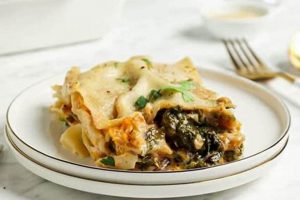
Its primary application remains in coating pasta and noodle dishes. The sauce readily adheres to various pasta shapes, from traditional spaghetti and fettuccine to more elaborate forms. It can be incorporated into baked pasta dishes such as lasagna and casseroles, adding a creamy element without the need for dairy-based alternatives. Furthermore, it serves as a base for more complex pasta sauces, allowing for the addition of vegetables, herbs, and plant-based proteins to create unique flavor combinations.
- Vegetable Dips and Accompaniments
Beyond pasta, it functions effectively as a vegetable dip. When chilled, the sauce thickens, creating a suitable consistency for dipping raw vegetables such as carrots, celery, and bell peppers. Seasoning adjustments can further enhance its suitability as a dip, such as the addition of herbs, spices, or a touch of lemon juice for brightness. It also serves as an accompaniment to roasted or grilled vegetables, providing a creamy counterpoint to the savory flavors.
- Sauce Base for Pizzas and Flatbreads
It presents an alternative to traditional tomato-based sauces on pizzas and flatbreads. As a white sauce base, it offers a different flavor profile that complements various toppings, including vegetables, plant-based meats, and cheeses. The creamy texture provides a pleasing contrast to the crispness of the crust. Furthermore, it allows for the creation of specialty pizzas with unique flavor combinations, moving beyond the standard tomato-based fare.
- Component in Gratins and Casseroles
Its creamy texture and neutral flavor profile make it a useful component in gratins and casseroles. It can be layered with vegetables, potatoes, or grains to create a rich and satisfying dish. The sauce binds the ingredients together, creating a cohesive and flavorful meal. Moreover, it offers a dairy-free alternative in traditional gratin recipes, allowing individuals with dietary restrictions to enjoy these classic dishes.
The multifaceted utilization of this sauce, from its established role with pasta to its inventive applications as a vegetable dip and pizza base, showcases its adaptability and broad culinary potential. The sauce’s composition allows for seamless integration into a wide spectrum of dishes, increasing its value and solidifying its position as a versatile ingredient in both home and professional kitchens. Further modifications and flavor adjustments can further expand its applications, making it a customizable and essential component in plant-based cuisine.
5. Plant-Based
The “Plant-Based” designation for cauliflower vegan Alfredo sauce is not merely a descriptive label but a foundational element that defines its composition, nutritional profile, and ethical considerations. It represents a deliberate departure from traditional dairy-based sauces, embracing a philosophy centered on ingredients derived solely from plant sources. This emphasis dictates the sourcing, preparation, and intended consumer base for the product.
- Ingredient Substitution
The most direct implication of “Plant-Based” lies in the complete substitution of animal-derived ingredients with plant-based alternatives. Dairy cream and butter, the cornerstones of traditional Alfredo, are replaced with ingredients such as cauliflower, plant-based milk (almond, soy, oat), nutritional yeast, and plant-based oils. These substitutions necessitate careful consideration of flavor, texture, and stability to replicate the sensory experience of the original sauce. The effectiveness of these substitutions determines the overall success of the “Plant-Based” claim and consumer acceptance.
- Ethical Considerations
The “Plant-Based” label carries significant ethical weight, appealing to individuals who adhere to vegan or vegetarian lifestyles or who are concerned about the environmental impact of animal agriculture. Choosing plant-based alternatives reduces reliance on animal products, aligning with ethical principles related to animal welfare and sustainable food systems. Consumers often view “Plant-Based” products as reflecting a commitment to ethical sourcing and production practices, influencing their purchasing decisions and brand loyalty.
- Nutritional Profile
The shift to plant-based ingredients inherently alters the nutritional composition of the sauce. Compared to traditional Alfredo, the cauliflower-based version typically exhibits lower levels of saturated fat and cholesterol. It may also offer increased dietary fiber and micronutrients, depending on the specific ingredients used. However, it is crucial to assess the nutritional profile holistically, considering potential additives and processing methods that could compromise the health benefits. Responsible “Plant-Based” product development prioritizes both ingredient sourcing and nutritional balance.
- Environmental Impact
Plant-based diets are often associated with a reduced environmental footprint compared to diets that heavily rely on animal products. Plant-based Alfredo sauce, by avoiding dairy production, contributes to lower greenhouse gas emissions, reduced water usage, and decreased land use. The sourcing of plant-based ingredients should also consider sustainability, promoting responsible farming practices and minimizing transportation distances to further reduce the environmental impact. The “Plant-Based” designation, therefore, extends beyond dietary choices to encompass a broader commitment to environmental stewardship.
In summary, the “Plant-Based” aspect of cauliflower vegan Alfredo sauce encapsulates a network of interconnected factors ranging from ingredient selection and ethical concerns to nutritional considerations and environmental impact. It represents a conscious choice to embrace sustainable and compassionate food practices, offering a culinary alternative that aligns with evolving consumer values and dietary needs. The continued development and refinement of “Plant-Based” recipes contribute to a more diverse and sustainable food system.
6. Health Benefits
The exploration of health benefits associated with cauliflower vegan Alfredo sauce requires a careful examination of its nutritional composition compared to traditional Alfredo sauce and its suitability for individuals with specific dietary needs. The substitution of dairy-based ingredients with plant-based alternatives inherently alters the nutritional profile, impacting potential health outcomes.
- Reduced Saturated Fat and Cholesterol
Traditional Alfredo sauce is typically high in saturated fat and cholesterol due to its reliance on butter and cream. The cauliflower-based version, utilizing plant-based oils and milks, generally exhibits lower levels of these compounds. Reducing saturated fat intake is often recommended for cardiovascular health, and limiting cholesterol consumption can be beneficial for individuals with elevated cholesterol levels. The extent of this benefit is dependent on the specific type and amount of plant-based oil used in the recipe. For instance, olive oil offers additional monounsaturated fats, considered beneficial for heart health, while coconut oil contains a higher proportion of saturated fats, though still typically less than dairy butter.
- Increased Dietary Fiber Intake
Cauliflower, the primary ingredient, contributes dietary fiber to the sauce. Fiber promotes digestive health, aids in regulating blood sugar levels, and can contribute to feelings of fullness, potentially assisting in weight management. Traditional Alfredo sauce provides negligible amounts of dietary fiber. The increased fiber content offers a tangible nutritional advantage. The specific fiber content will vary based on the quantity of cauliflower used in the recipe. For instance, recipes utilizing a higher proportion of cauliflower will naturally provide a greater fiber contribution compared to those using a smaller amount.
- Source of Vitamins and Minerals
Cauliflower is a source of various vitamins and minerals, including Vitamin C, Vitamin K, and certain B vitamins. These nutrients contribute to overall health and well-being. Vitamin C is an antioxidant that supports immune function, while Vitamin K plays a role in blood clotting and bone health. The specific vitamin and mineral content will vary depending on the growing conditions and storage methods of the cauliflower. The inclusion of nutritional yeast, another common ingredient, also contributes B vitamins, further enhancing the nutritional profile.
- Suitable for Lactose Intolerance and Dairy Allergies
The complete absence of dairy renders cauliflower-based Alfredo sauce suitable for individuals with lactose intolerance or dairy allergies. Lactose intolerance results from a deficiency in lactase, the enzyme required to digest lactose, leading to digestive discomfort. Dairy allergies involve an immune response to proteins found in milk. Avoiding dairy is essential for managing these conditions. This alternative allows individuals to enjoy the flavors of Alfredo sauce without experiencing adverse reactions. Its availability broadens dietary options and improves meal satisfaction for those with dairy-related dietary restrictions.
The health benefits associated with cauliflower vegan Alfredo sauce stem primarily from the replacement of dairy with plant-based alternatives. These alterations offer potential advantages, including reduced saturated fat and cholesterol intake, increased dietary fiber consumption, and a source of vitamins and minerals. Furthermore, its suitability for individuals with lactose intolerance and dairy allergies makes it a valuable option for those with specific dietary needs. The extent of these benefits is contingent upon the specific recipe and ingredients used, highlighting the importance of careful ingredient selection and preparation methods.
Frequently Asked Questions
The following questions address common inquiries and misconceptions regarding cauliflower-based, dairy-free Alfredo sauce. They aim to provide clarity and enhance understanding of this culinary alternative.
Question 1: Does cauliflower Alfredo sauce taste like traditional Alfredo sauce?
While designed to mimic the flavor profile, cauliflower Alfredo sauce possesses distinct characteristics. The flavor is savory, but with a subtle cauliflower undertone, even with careful preparation. The flavor does not precisely replicate the richness of dairy-based Alfredo.
Question 2: Is cauliflower Alfredo sauce healthier than traditional Alfredo sauce?
Generally, yes. It typically contains less saturated fat and cholesterol and provides dietary fiber, which is absent in traditional Alfredo. However, the specific nutritional profile depends on the recipe and ingredients used.
Question 3: Can cauliflower Alfredo sauce be frozen?
Freezing is possible, but it may alter the texture. Upon thawing, the sauce might become slightly grainy or watery. Blending after thawing can help restore a smoother consistency. However, optimal flavor and texture are achieved when consumed fresh.
Question 4: What is nutritional yeast, and why is it used in cauliflower Alfredo sauce?
Nutritional yeast is a deactivated yeast with a savory, cheese-like flavor. It is commonly used in vegan cuisine to mimic the taste of cheese, contributing a crucial flavor component to the dairy-free sauce.
Question 5: Are there variations of cauliflower Alfredo sauce?
Numerous variations exist. Some recipes incorporate roasted garlic, herbs, spices, or additional vegetables to enhance the flavor profile. Others may adjust the type of plant-based milk or oil used to modify the texture or nutritional content.
Question 6: Is cauliflower Alfredo sauce difficult to prepare?
Preparation is generally straightforward. It involves cooking cauliflower, blending it with other ingredients, and seasoning to taste. The process does not require advanced culinary skills, making it accessible to most home cooks.
In summary, cauliflower Alfredo sauce presents a viable dairy-free alternative with distinct flavor nuances and potential health benefits. Understanding its characteristics and preparation methods allows for informed culinary choices.
Further discussion will explore potential recipe modifications and advanced culinary techniques for enhancing the flavor and texture of this plant-based sauce.
Conclusion
This exploration of cauliflower vegan alfredo sauce has illuminated its compositional elements, nutritional aspects, and culinary applications. The substitution of dairy components with plant-based alternatives like cauliflower and nutritional yeast significantly alters the sauce’s nutritional profile, offering a reduction in saturated fat and cholesterol while increasing dietary fiber. Its versatility extends beyond traditional pasta pairings, encompassing vegetable dips, pizza bases, and casserole components, catering to diverse dietary preferences and restrictions.
The ongoing development and refinement of plant-based culinary alternatives, such as cauliflower vegan alfredo sauce, represent a broader trend towards more sustainable and health-conscious food choices. Continued innovation in ingredient sourcing and preparation techniques holds the potential to further enhance the flavor, texture, and nutritional value of this dairy-free option, solidifying its place in both home and professional kitchens. The pursuit of accessible and palatable plant-based alternatives remains a critical endeavor in promoting dietary diversity and addressing evolving consumer needs.