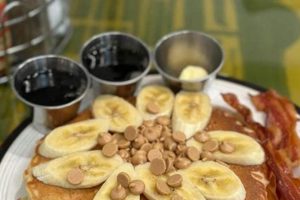
Breakfast options that exclude both gluten, a protein found in wheat, barley, and rye, and all animal-derived products, such as dairy, eggs, and honey, fulfill specific dietary needs and preferences. Examples include oatmeal prepared with plant-based milk and topped with fruit and nuts, tofu scramble with vegetables, or smoothies containing fruits, vegetables, and plant-based protein powder.
These meal choices cater to individuals with celiac disease, gluten sensitivity, or those adhering to a vegan lifestyle for ethical, environmental, or health reasons. The consumption of such meals can alleviate digestive discomfort for those with gluten intolerance and provides a cruelty-free and often nutrient-rich start to the day. Historically, specialized diets like these have gained prominence with increased awareness of food allergies, intolerances, and the growing acceptance of plant-based eating patterns.
The subsequent sections will explore specific recipes, nutritional considerations, preparation tips, and potential challenges associated with preparing morning meals that adhere to both the gluten-free and vegan parameters. This will offer a practical guide for individuals seeking to expand their repertoire of suitable breakfast options.
Tips for Crafting Suitable Morning Meals
The formulation of morning meals devoid of gluten and animal products necessitates careful consideration of ingredients and preparation techniques. The following guidelines aim to assist in creating nutritious and satisfying breakfast options.
Tip 1: Ingredient Selection is Paramount: Prioritize certified gluten-free grains such as quinoa, amaranth, and certified gluten-free oats. Ensure plant-based milk alternatives, such as almond, soy, or oat milk, are unsweetened to control sugar intake.
Tip 2: Focus on Whole Foods: Incorporate whole fruits and vegetables to maximize nutrient density. Berries, bananas, spinach, and kale provide vitamins, minerals, and fiber essential for sustained energy.
Tip 3: Protein Sources are Critical: Include plant-based protein sources such as tofu, tempeh, nuts, seeds, and legumes. Consider using plant-based protein powders to supplement protein intake, especially when preparing smoothies or baked goods.
Tip 4: Healthy Fats Contribute to Satiety: Integrate sources of healthy fats, such as avocados, nuts, seeds, and nut butters. These fats promote satiety and aid in the absorption of fat-soluble vitamins.
Tip 5: Flavor Enhancement Through Spices and Herbs: Utilize spices such as cinnamon, nutmeg, and turmeric to enhance flavor profiles without adding refined sugars or artificial sweeteners. Fresh herbs, such as mint and basil, can also add unique flavors to breakfast preparations.
Tip 6: Planning and Preparation: Pre-planning breakfast meals and preparing components in advance can save time and ensure adherence to dietary requirements. Chop vegetables, pre-portion ingredients, or prepare overnight oats for convenient morning options.
Tip 7: Variety is Key to Nutritional Adequacy: Rotate ingredients and recipes to ensure a diverse range of nutrients. Experiment with different grains, fruits, vegetables, and protein sources to prevent nutritional deficiencies.
Adherence to these suggestions promotes the creation of breakfasts that are not only compliant with dietary restrictions but also contribute to overall health and well-being. A well-planned morning meal can provide sustained energy, improve cognitive function, and support long-term dietary adherence.
The subsequent discussion will address potential challenges and offer solutions for navigating the complexities of this culinary approach, furthering the reader’s understanding and capabilities.
1. Ingredient Substitutions

The adaptation of traditional breakfast recipes to meet both gluten-free and vegan requirements necessitates strategic ingredient substitutions. These replacements must not only exclude gluten and animal products but also maintain the desired texture, flavor, and nutritional profile of the original dish.
- Grain Replacements
Gluten-containing grains like wheat, barley, and rye must be replaced with gluten-free alternatives. Common substitutes include certified gluten-free oats, quinoa, amaranth, buckwheat, and rice flour. For example, wheat flour in pancakes can be replaced with a blend of rice flour, tapioca starch, and potato starch to mimic the texture and binding properties of gluten. Similarly, bread can be made from gluten-free flours mixed with binding agents like xanthan gum or psyllium husk. Using suitable grain replacements maintains palatability while adhering to dietary constraints.
- Dairy Substitutions
Dairy products such as milk, butter, and yogurt are commonly used in traditional breakfast dishes. Plant-based milk alternatives, including almond milk, soy milk, oat milk, and coconut milk, serve as direct substitutes for dairy milk in cereals, smoothies, and baked goods. Vegan butter alternatives, often made from plant-based oils, can replace dairy butter in cooking and baking. Plant-based yogurts, produced from soy, coconut, or almond milk, offer a creamy alternative to dairy yogurt, providing probiotics and similar texture to the original.
- Egg Replacements
Eggs often act as binding agents and leavening agents in breakfast items. For vegan baking, flaxseed meal or chia seeds mixed with water can be used as binding agents. Commercial egg replacers, often made from tapioca starch and potato starch, are also available. Tofu, particularly silken tofu, can be used in scrambles and quiches to mimic the texture of eggs, while providing a protein source. Using egg substitutes helps maintain the structural integrity and texture of baked goods and other breakfast preparations without using animal products.
- Sweetener Alternatives
Honey, a common sweetener, is not considered vegan. Alternatives include maple syrup, agave nectar, date syrup, and coconut sugar. Stevia and monk fruit are also used as low-calorie options. When replacing honey, it is important to consider the moisture content and sweetness level of the alternative to ensure the recipe maintains the intended texture and flavor profile. These substitutions allow for sweetening breakfast dishes while adhering to a vegan diet.
The careful selection and application of these ingredient substitutions are essential for successfully creating gluten-free and vegan breakfast options that are both nutritious and palatable. Attention to the specific properties of each substitute ensures that the final product closely resembles the original dish while adhering to the necessary dietary restrictions.
2. Nutritional Completeness

Achieving nutritional completeness within the context of gluten-free and vegan morning meals presents unique considerations. A focus on carefully selected ingredients and strategic meal planning is essential to ensure adequate intake of all necessary nutrients.
- Protein Adequacy
Plant-based proteins are often less concentrated and less bioavailable than animal proteins. Gluten-free vegan breakfasts must incorporate diverse sources of protein such as tofu, tempeh, lentils, beans, nuts, seeds, and plant-based protein powders. For example, a tofu scramble with vegetables or a smoothie containing plant-based protein powder and nut butter can provide a substantial protein boost. Careful planning is required to meet daily protein requirements, especially for individuals with higher activity levels.
- Vitamin B12
Vitamin B12 is primarily found in animal products, making it a critical nutrient to address in a vegan diet. Fortified plant-based milk alternatives, nutritional yeast, and vitamin B12 supplements are essential to prevent deficiency. A gluten-free vegan breakfast of fortified cereal with plant-based milk or a smoothie with added nutritional yeast can contribute to B12 intake. Regular monitoring of B12 levels is advisable.
- Iron Intake
Plant-based sources of iron are non-heme iron, which is less readily absorbed than heme iron found in animal products. Consuming iron-rich foods such as spinach, lentils, and fortified breakfast cereals alongside vitamin C-rich foods like berries or citrus fruits enhances iron absorption. For example, a spinach and lentil soup consumed at breakfast or a bowl of fortified gluten-free cereal with berries can improve iron status. Individuals should be aware of factors that inhibit iron absorption, such as phytates in grains and legumes, and employ strategies to mitigate their effects.
- Calcium Considerations
Dairy products are a significant source of calcium in many diets. Gluten-free vegan breakfasts must include calcium-rich alternatives such as fortified plant-based milk alternatives, tofu processed with calcium sulfate, and leafy green vegetables. A smoothie with fortified almond milk and spinach or a tofu-based breakfast burrito can contribute to calcium intake. Ensuring adequate calcium intake is critical for bone health, and supplementation may be necessary for some individuals.
These considerations highlight the importance of informed meal planning and strategic supplementation when designing gluten-free and vegan breakfasts. A proactive approach to nutrient intake is essential to prevent deficiencies and support overall health and well-being within these dietary parameters.
3. Recipe Adaptability

Recipe adaptability is a crucial skill when creating morning meals within the constraints of a gluten-free and vegan diet. The ability to modify existing recipes or develop new ones ensures a diverse and palatable range of options, mitigating the risk of dietary monotony and promoting long-term adherence to the dietary regimen.
- Substituting Ingredients for Texture and Structure
Many traditional breakfast recipes rely on gluten for structure and eggs for binding. Adaptability involves understanding the functional properties of ingredients and finding suitable replacements. For instance, gluten-free baking often requires a blend of flours (rice, tapioca, potato) and binding agents (xanthan gum, psyllium husk). Vegan baking utilizes flax eggs (flaxseed meal mixed with water) or commercial egg replacers. Successfully adapting recipes necessitates experimentation and an understanding of how different ingredients interact to achieve the desired texture and structure.
- Adjusting Flavor Profiles to Suit Dietary Restrictions
Removing dairy and animal fats from breakfast recipes can significantly alter flavor profiles. Recipe adaptability involves using herbs, spices, and flavor extracts to compensate for the missing richness and umami. For example, adding nutritional yeast to a tofu scramble imparts a cheesy flavor, while using smoked paprika adds depth to plant-based breakfast sausages. Adjusting sweetness levels with alternative sweeteners like maple syrup or date syrup further enhances flavor complexity.
- Modifying Cooking Techniques to Accommodate Gluten-Free and Vegan Ingredients
Gluten-free flours often behave differently than wheat flour in baking, requiring adjustments to cooking times and temperatures. Vegan ingredients may also have unique cooking requirements. For instance, tofu needs to be properly pressed to remove excess moisture before being used in a scramble or quiche. Understanding how these ingredients react to heat and moisture is crucial for adapting recipes effectively.
- Creating New Recipes from Scratch
Adaptability extends beyond modifying existing recipes to creating entirely new ones that inherently meet gluten-free and vegan criteria. This approach allows for greater control over ingredients and flavor profiles. Examples include developing recipes for breakfast bowls with quinoa, black beans, and avocado or experimenting with different combinations of fruits, vegetables, and plant-based proteins in smoothies. The ability to conceptualize and execute original recipes is a hallmark of successful dietary adaptation.
These facets of recipe adaptability collectively contribute to the creation of varied and satisfying “gluten free vegan breakfast ideas”. By mastering the art of ingredient substitution, flavor adjustment, and cooking technique modification, individuals can ensure a diverse and enjoyable breakfast experience while adhering to their dietary requirements.
4. Cross-Contamination
Cross-contamination represents a significant concern when preparing breakfasts that are both gluten-free and vegan, particularly for individuals with celiac disease or severe gluten sensitivities. It involves the unintentional transfer of gluten or animal products to a meal intended to be free of these substances, thereby negating its dietary suitability.
- Shared Utensils and Equipment
The use of shared utensils, cutting boards, toasters, and cookware can introduce gluten or animal products into a meal. For instance, using a toaster previously used for gluten-containing bread can contaminate gluten-free bread. Similarly, a cutting board used for raw meat and then vegetables for a vegan breakfast can render the meal non-vegan. Dedicated gluten-free and vegan utensils and equipment are essential to prevent such transfers. Thorough washing may not always remove all traces of gluten or animal products.
- Contaminated Ingredients
Bulk bins, improperly stored ingredients, or products processed in facilities that also handle gluten or animal products can become contaminated. Flour dust in the air can settle on gluten-free ingredients. Ingredients labeled as “vegan” may not always be reliably free from animal product cross-contamination if processed in a shared facility. Selecting certified gluten-free and vegan products and sourcing ingredients from reputable suppliers minimizes this risk. Careful scrutiny of product labels and certifications is crucial.
- Preparation Surfaces and Cooking Areas
Preparation surfaces, countertops, and cooking areas that have come into contact with gluten or animal products can harbor contaminants. Using the same surface for kneading wheat dough and then preparing a gluten-free vegan breakfast without thorough cleaning can lead to cross-contamination. Dedicated preparation areas or meticulous cleaning with appropriate sanitizing agents are necessary to mitigate this risk. Attention to detail in maintaining clean workspaces is critical.
- Oil and Cooking Mediums
Reusing oil that has been used to fry gluten-containing or non-vegan items can result in cross-contamination. For example, frying gluten-free vegan doughnuts in oil previously used to fry chicken is unacceptable. Fresh, dedicated oil or separate fryers should be used to ensure the integrity of gluten-free and vegan meals. The same principle applies to other cooking mediums and liquids used during preparation.
These examples highlight the pervasive nature of cross-contamination and the vigilance required to prevent it. Successful preparation of gluten-free and vegan breakfasts demands adherence to strict protocols to ensure that meals truly meet the intended dietary criteria. Failure to address these concerns can have significant health implications for individuals with dietary restrictions.
5. Time Efficiency

The incorporation of time-efficient strategies is paramount when adhering to a gluten-free and vegan dietary regimen, particularly concerning breakfast preparation. The demands of modern life necessitate practical solutions for meal creation that align with both dietary restrictions and time constraints. Without efficient methods, adherence to these dietary needs may prove unsustainable.
- Overnight Preparation Techniques
Employing overnight methods significantly reduces morning preparation time. Soaking gluten-free oats in plant-based milk overnight creates a ready-to-eat breakfast. Preparing chia seed pudding by combining chia seeds with plant-based milk and allowing it to set overnight offers a quick and nutritious option. Marinating tofu in advance for a tofu scramble shortens morning cooking time. These strategies leverage inactive time to streamline morning routines, ensuring a convenient and compliant breakfast.
- Batch Cooking and Meal Prepping
Batch cooking involves preparing larger quantities of breakfast components in advance. Cooking a batch of gluten-free vegan pancakes or muffins on the weekend allows for quick breakfasts throughout the week. Pre-chopping vegetables for scrambles or smoothies and storing them in the refrigerator reduces morning prep time. Portioning out individual servings of overnight oats or chia pudding facilitates grab-and-go breakfasts. Batch cooking optimizes time by consolidating preparation efforts into designated periods.
- Utilizing Minimalist Recipes
Opting for simple recipes with few ingredients minimizes both preparation and cleanup time. Smoothies require minimal ingredients and can be prepared in minutes. Avocado toast on gluten-free bread offers a quick and satisfying option. A simple bowl of gluten-free cereal with plant-based milk and fruit is another time-efficient choice. Minimalist recipes prioritize speed and simplicity without sacrificing nutritional value, providing accessible options for busy mornings.
- Employing Multi-Purpose Ingredients
Selecting ingredients that can be used in multiple breakfast recipes enhances efficiency. Plant-based milk can be used in smoothies, oatmeal, and baking. Tofu can be used in scrambles, quiches, and smoothies. Nuts and seeds can be added to oatmeal, smoothies, and toast. Employing multi-purpose ingredients reduces the number of items required and simplifies meal planning, making it easier to create diverse breakfasts with minimal effort.
The application of these time-saving strategies facilitates the integration of “gluten free vegan breakfast ideas” into daily routines. By prioritizing preparation, utilizing minimalist recipes, and employing multi-purpose ingredients, individuals can effectively manage time constraints while adhering to their dietary requirements, ensuring sustainable and convenient morning meals.
6. Flavor Balance
The creation of palatable gluten-free vegan breakfasts hinges critically on achieving flavor balance. Exclusion of gluten and animal products necessitates a strategic approach to compensate for the absence of familiar textures and tastes. Flavor balance, in this context, involves the harmonious integration of sweet, savory, sour, bitter, and umami elements to create a satisfying and sensorially complete culinary experience. The absence of flavor balance frequently results in unappetizing meals, negatively impacting long-term adherence to the dietary requirements. For example, a gluten-free vegan pancake lacking sufficient sweetness or savory notes may be perceived as bland and unfulfilling, thereby diminishing the likelihood of its repeated consumption.
The practical application of flavor balance principles in gluten-free vegan breakfast preparation includes several key strategies. Firstly, incorporating diverse ingredients contributes to a multi-dimensional flavor profile. The addition of fresh or dried fruits introduces sweetness, while spices such as cinnamon, nutmeg, or cardamom impart warmth and complexity. Savory elements can be achieved through the inclusion of vegetables like spinach, mushrooms, or roasted peppers. Moreover, umami, often associated with meat and cheese, can be emulated using ingredients like nutritional yeast, tamari, or roasted vegetables. A breakfast bowl comprised of quinoa, black beans, roasted sweet potatoes, and avocado exemplifies flavor balance by incorporating savory, sweet, and creamy elements.
Achieving optimal flavor balance in gluten-free vegan breakfasts presents certain challenges. Many gluten-free flours possess distinct textures and flavors that can impact the overall taste. Careful selection and blending of flours are essential to mitigate these effects. Similarly, the absence of dairy fat can affect mouthfeel and richness. Employing ingredients like coconut milk, avocado, or nut butters can restore these qualities. In summary, flavor balance is not merely an aesthetic consideration but a fundamental component of successful gluten-free vegan breakfast preparation. Its careful management can ensure a satisfying and sustainable dietary pattern.
Frequently Asked Questions
This section addresses common inquiries regarding the preparation and consumption of breakfast meals adhering to both gluten-free and vegan dietary guidelines. These questions are intended to provide clarity and address potential challenges associated with this specific dietary approach.
Question 1: Is it possible to obtain sufficient protein from gluten-free vegan breakfasts?
Adequate protein intake is achievable through strategic meal planning. Incorporation of protein-rich plant-based sources such as tofu, tempeh, lentils, quinoa, and plant-based protein powders is essential. Careful portion control and mindful ingredient selection are paramount to meet daily protein requirements.
Question 2: How can individuals ensure sufficient Vitamin B12 intake on a gluten-free vegan diet?
Vitamin B12 is primarily found in animal products. Therefore, gluten-free vegans must consume fortified foods like plant-based milk alternatives and nutritional yeast or take a B12 supplement to prevent deficiency. Regular monitoring of B12 levels is advisable to ensure adequate intake.
Question 3: What are common pitfalls to avoid when preparing gluten-free vegan breakfasts?
Common errors include inadequate attention to cross-contamination, insufficient protein intake, reliance on highly processed gluten-free ingredients, and neglect of micronutrient balance. A balanced approach emphasizing whole, unprocessed foods is crucial.
Question 4: Can gluten-free vegan breakfasts be prepared quickly and efficiently?
Time-efficient preparation is achievable through strategies such as overnight soaking of oats, batch cooking of components, and utilization of minimalist recipes requiring few ingredients. Planning and preparation are key to streamlining the morning routine.
Question 5: Are commercially prepared gluten-free vegan breakfast products reliably free from cross-contamination?
While many commercially available products are labeled gluten-free and vegan, the risk of cross-contamination exists, particularly in facilities processing both gluten-containing and animal-derived products. Certification from reputable third-party organizations provides greater assurance of product integrity.
Question 6: How can flavor balance be achieved in gluten-free vegan breakfast recipes?
Achieving flavor balance involves incorporating a diverse range of ingredients that provide sweet, savory, sour, bitter, and umami elements. Utilizing herbs, spices, extracts, and careful ingredient combinations can compensate for the absence of traditional flavor sources derived from gluten and animal products.
In summary, careful planning, ingredient selection, and attention to detail are essential for successful preparation and consumption of breakfast meals within these dietary guidelines.
The subsequent section will provide a selection of sample breakfast recipes that embody the principles discussed in this article.
Gluten Free Vegan Breakfast Ideas
This exploration of gluten free vegan breakfast ideas has illuminated the diverse considerations necessary for successful dietary implementation. The importance of ingredient selection, cross-contamination prevention, nutritional completeness, recipe adaptability, time efficiency, and flavor balance cannot be understated. Attentive application of these principles is paramount for individuals pursuing this dietary strategy.
The sustained adherence to and beneficial outcomes from a gluten-free and vegan diet demand a commitment to informed choices and meticulous practices. Ongoing research and culinary innovation promise to expand the available options, facilitating broader adoption and enhancing the overall experience. Further investigation into specialized dietary needs remains a crucial area of focus.