A specific type of baked good exists which excludes animal products and added fats. It utilizes the natural sweetness and moisture content of a particular fruit to achieve a desirable texture. This variation caters to dietary restrictions and preferences. A loaf prepared in this manner differs significantly from conventional recipes due to the absence of traditional ingredients.
The creation of this kind of recipe allows individuals with plant-based diets and those avoiding added oils to enjoy a familiar treat. This can contribute to a wider range of options for those seeking healthier alternatives to standard baked goods. This approach to baking demonstrates a growing awareness of diverse nutritional needs and preferences. This innovation has grown out of both necessity and the desire to improve conventional baked goods.
The following sections will delve deeper into the specific ingredients and techniques used to create such a baked item. This exploration will include a discussion of alternative ingredients, methods for achieving optimal texture, and considerations for flavor enhancement, and storage solutions to keep the baked good fresh.
Essential Considerations for Plant-Based, Fat-Free Banana Loaf Preparation
Achieving optimal results in the creation of a baked product free from animal-derived ingredients and added oils requires careful attention to specific techniques and ingredient substitutions. Success hinges on understanding the roles of traditional components and replicating their functions with plant-based alternatives. The following provides essential guidelines for achieving a satisfactory outcome.
Tip 1: Ingredient Selection: Overripe bananas are paramount. Their inherent sugars provide the necessary sweetness, while their soft consistency contributes to the desired moistness. The darker the banana, the more intensely flavored and naturally sweet the final product will be.
Tip 2: Flour Alternatives: Whole wheat flour, oat flour, or a gluten-free blend can serve as the base. Whole wheat offers a slightly denser texture and nuttier flavor, while oat flour imparts a subtle sweetness. Gluten-free blends require careful selection to ensure proper binding and texture.
Tip 3: Binding Agents: In the absence of eggs, flaxseed meal or applesauce can act as binding agents. Combine one tablespoon of flaxseed meal with three tablespoons of water, and allow it to sit for five minutes to form a gel. Applesauce also adds moisture and subtle sweetness.
Tip 4: Leavening Agents: Baking powder and baking soda are essential for achieving a light and airy texture. Ensure they are fresh for optimal effectiveness. Consider the interaction between the baking soda and any acidic ingredients, such as applesauce, to maximize leavening power.
Tip 5: Moisture Management: Careful monitoring of the batter’s consistency is crucial. If the batter appears dry, a small amount of plant-based milk (almond, soy, or oat) can be added to achieve the desired consistency.
Tip 6: Baking Time and Temperature: Bake at a moderate temperature (350F or 175C) to ensure even cooking and prevent burning. Baking time will vary depending on the oven and pan size, but typically ranges from 50 to 60 minutes. A toothpick inserted into the center should come out clean.
Tip 7: Cooling Process: Allow the loaf to cool completely in the pan before slicing. This prevents crumbling and allows the texture to fully set. Cooling on a wire rack is recommended for optimal air circulation.
Adherence to these guidelines increases the probability of a desirable result in plant-based, fat-free banana loaf preparation. Careful ingredient selection, precise measurements, and attention to baking time and temperature are key to success.
The following sections will discuss variations on these foundational principles and explore creative additions to enhance flavor and texture.
1. Ripeness

The degree of ripeness in bananas used for plant-based, fat-free baking is not merely a matter of preference, but a critical determinant of the loaf’s ultimate texture, sweetness, and overall success. The enzymatic processes occurring during ripening directly influence the starch-to-sugar conversion, pectin breakdown, and volatile compound development, all of which impact the final product.
- Sugar Content and Sweetness
As bananas ripen, starch is converted into simple sugars such as glucose, fructose, and sucrose. Overripe bananas contribute a significantly higher sugar content to the recipe, reducing or eliminating the need for added sweeteners. This is particularly beneficial in recipes seeking to minimize refined sugar intake. The intensity of sweetness is directly proportional to the ripeness stage.
- Moisture Content and Texture
During ripening, pectin, a complex carbohydrate that provides structure to the fruit, breaks down. This process softens the banana and increases its moisture content. This heightened moisture level is crucial for achieving a moist, tender crumb in the absence of added oils or fats, which typically contribute to these qualities. The breakdown ensures a smooth distribution of moisture throughout the loaf.
- Flavor Development
Ripening bananas develop a complex array of volatile compounds that contribute to their characteristic aroma and flavor. These compounds intensify as the banana progresses through its ripening stages. Using overripe bananas results in a richer, more pronounced banana flavor in the baked product, adding depth and complexity that would be absent with less ripe fruit. The ripeness boosts the natural fruit flavor of the final product.
- Ease of Mashing and Incorporation
Overripe bananas are significantly easier to mash and incorporate evenly into the batter. This uniform incorporation is essential for ensuring a consistent texture throughout the loaf. Lumps of unmashed banana can lead to uneven baking and undesirable pockets of dense fruit in the final product. Simple mashing simplifies mixing and improves the batter’s consistency.
The interrelated factors influenced by ripeness sweetness, moisture, flavor, and ease of incorporation underscore the critical importance of selecting appropriately ripe bananas for plant-based, fat-free baking. The use of underripe or perfectly ripe bananas necessitates adjustments to other recipe components, potentially compromising the intended outcome of a tender, flavorful, and naturally sweetened loaf. Overripe bananas provide the characteristics necessary for a successful plant-based, fat-free banana bread.
2. Sweetness
Sweetness, as a sensory attribute, assumes a pivotal role in the overall palatability and consumer acceptance of a plant-based, fat-free banana loaf. In conventional baking, sweetness is often achieved through the addition of refined sugars; however, in the absence of these ingredients, alternative sources of sweetness must be considered. The natural sugars present in overripe bananas serve as the primary contributor, necessitating careful management to achieve a palatable result. Insufficient sweetness may render the product unappealing, while excessive sweetness can mask other flavor nuances.
The perception of sweetness is not solely dependent on the quantity of sugars present, but also on their type and interaction with other ingredients. Fructose, for instance, exhibits a higher relative sweetness compared to glucose or sucrose. The inclusion of fruit purees, such as applesauce or date paste, can augment the sweetness profile while simultaneously contributing moisture and binding properties. The impact of these additions must be evaluated in the context of the overall recipe to prevent an imbalance of flavors or textures. Examples of successful applications include the integration of maple syrup or agave nectar, used sparingly to avoid introducing excessive liquid, which could compromise the structural integrity of the loaf. The sweetness is one key component to make this baked good tasty.
Effective management of sweetness is thus a critical consideration in the formulation of a plant-based, fat-free banana loaf. Strategies include maximizing the ripeness of bananas, incorporating complementary fruit purees, and utilizing alternative sweeteners judiciously. Success in this area hinges on a thorough understanding of the interplay between various ingredients and their influence on the sensory perception of sweetness. An adequate sweetness profile and the use of real fruit are key to achieving this baked item.
3. Moisture

Moisture content is a critical factor determining the texture, mouthfeel, and overall palatability of a plant-based, fat-free banana loaf. Unlike conventional recipes that rely on added oils or fats to provide and retain moisture, this type of baked good depends on alternative strategies to achieve the desired level of hydration. An insufficient moisture level results in a dry, crumbly texture, while excessive moisture can lead to a gummy or dense product. Maintaining optimal moisture balance is therefore essential for producing a satisfactory final outcome.
- Source of Moisture
The primary source of moisture in this type of loaf is the bananas themselves, particularly when overripe. Overripe bananas contain a higher percentage of water due to the breakdown of complex carbohydrates and cell walls. Additional moisture can be introduced through the use of plant-based milks (almond, soy, oat) or fruit purees (applesauce). The proportions of these ingredients must be carefully considered to prevent an imbalance in the overall wet-to-dry ratio. For example, using too much applesauce without reducing the amount of plant-based milk could result in an overly moist batter and a dense loaf.
- Moisture Retention Agents
In the absence of fats, which traditionally contribute to moisture retention, other ingredients must take on this role. Ground flaxseed meal, when mixed with water, forms a gel that helps to bind the ingredients and retain moisture during baking. Similarly, certain flours, such as oat flour, possess inherent moisture-retaining properties. Careful selection of flour type and the inclusion of binding agents are critical for preventing the loaf from drying out during baking and storage. A loaf that is too dry may lead to a poor eating experience.
- Baking Technique
The baking process itself significantly impacts the moisture content of the final product. Overbaking can lead to excessive moisture loss, resulting in a dry and crumbly texture. Lower baking temperatures and shorter baking times help to minimize moisture evaporation. Covering the loaf loosely with foil during the latter part of the baking process can further reduce moisture loss. Knowing when the loaf is fully cooked (inserting a toothpick that comes out clean) also prevents overbaking.
- Storage Considerations
Proper storage is essential for maintaining the moisture content of a plant-based, fat-free banana loaf after baking. Wrapping the cooled loaf tightly in plastic wrap or storing it in an airtight container helps to prevent moisture loss and staling. Adding a slice of apple to the container can also help to maintain humidity. The impact on the freshness is highly noticeable and makes a difference to the overall quality of the baked bread.
The strategies outlined above demonstrate the multifaceted nature of moisture management in plant-based, fat-free banana loaf recipes. Optimizing moisture levels through careful ingredient selection, appropriate baking techniques, and proper storage practices is essential for achieving a desirable texture and ensuring a satisfying eating experience. Controlling the level of moisture has a great impact on the overall satisfaction.
4. Texture
The textural properties of a plant-based, fat-free banana loaf are critical to its overall success and consumer appeal. In conventional baking, fats and oils contribute significantly to a tender and moist crumb. Removing these elements necessitates a strategic approach to replicate their effects through alternative ingredients and techniques. The goal is to achieve a desirable mouthfeel that is neither excessively dense nor unpleasantly dry.
Several factors contribute to the texture of the final product. Overripe bananas, as previously discussed, provide crucial moisture and natural sugars, both influencing the perceived texture. The choice of flour also plays a significant role. Whole wheat flour yields a denser and slightly chewier texture compared to all-purpose flour, while gluten-free flour blends require careful selection to avoid a gummy or crumbly result. Binding agents, such as flaxseed meal or applesauce, help to create a cohesive structure, preventing the loaf from becoming excessively dry or falling apart. Leavening agents, such as baking powder and baking soda, contribute to a light and airy texture. Balancing these ingredients is essential to achieving the correct texture.
Achieving the desired texture in a plant-based, fat-free banana loaf presents unique challenges. Without the tenderizing effect of fats, the gluten in the flour can develop too strongly, resulting in a tough texture. To mitigate this, it is crucial to avoid overmixing the batter. Overmixing develops the gluten, leading to a dense and chewy loaf. The final texture is thus a result of the right combination of the flour, wet ingredients and baking skills. The success of this baked good depends on achieving the right balance.
5. Binding

In the context of a plant-based, fat-free banana loaf, the concept of “binding” refers to the mechanisms that create cohesion and structure within the baked product. Traditional baking relies on eggs for this purpose; however, vegan formulations require alternative binding agents to mimic the functionalities of eggs. This function is crucial for the loaf’s structural integrity and overall texture.
- Flaxseed Meal as a Binding Agent
Flaxseed meal, when combined with water, forms a viscous gel that acts as a binder. This gel mimics the emulsifying and binding properties of eggs, helping to hold the ingredients together and prevent the loaf from crumbling. The ratio of flaxseed meal to water is critical for achieving the correct consistency and binding effect. An insufficient amount will provide inadequate binding, while an excess may result in a gummy texture. Common ratio: 1 tablespoon of flaxseed meal to 3 tablespoons of water.
- Applesauce as a Binding Agent
Applesauce functions as a binding agent and contributes moisture to the loaf. The pectin in applesauce helps to create a cohesive structure. Unsweetened applesauce is typically preferred to avoid adding unnecessary sugars. The quantity of applesauce must be carefully considered, as excessive amounts can lead to a dense or overly moist texture. The applesauce also reduces the need for fats in the recipe.
- The Role of Gluten in Binding
While not a direct substitute for eggs, gluten, a protein found in wheat flour, contributes to the structural integrity of the loaf. Overmixing the batter develops the gluten, resulting in a tougher texture. In plant-based, fat-free recipes, controlling gluten development is crucial to achieving a tender crumb. Gluten-free flours present an alternative, but necessitate the inclusion of other binding agents to compensate for the lack of gluten.
- Impact on Texture and Crumb Structure
The effectiveness of the binding agents directly influences the texture and crumb structure of the baked item. Proper binding results in a moist, tender crumb that holds together well when sliced. Inadequate binding leads to a crumbly, dry texture that is less appealing. Therefore, careful selection and measurement of binding agents are essential for achieving a satisfactory final product.
The selection and utilization of appropriate binding agents are paramount to the successful creation of a plant-based, fat-free banana loaf. These agents contribute to the overall structure, texture, and palatability of the baked good, compensating for the absence of eggs and fats commonly found in traditional recipes. The success relies heavily on the appropriate choices and application of binding agents.
6. Leavening
Leavening agents are indispensable to the creation of a plant-based, fat-free banana loaf, as they introduce gases into the batter, resulting in a lighter, more palatable texture. This process is critical because the absence of fats, which typically contribute to tenderness and volume, necessitates an alternative mechanism for achieving a desirable crumb structure. The proper selection and application of leavening agents directly influence the loaf’s rise, texture, and overall success.
Baking powder and baking soda are commonly employed as leavening agents in this context. Baking powder is a complete leavening agent, containing both an acid and a base, which react upon the addition of liquid to produce carbon dioxide. Baking soda, conversely, requires an acidic ingredient, such as applesauce or mashed bananas, to initiate the leavening process. The appropriate ratio of baking soda to acidic ingredients is crucial; an imbalance can result in an undesirable taste or texture. In practice, a combination of both baking powder and baking soda is often used to achieve optimal results, leveraging the distinct characteristics of each. For example, a recipe incorporating a significant amount of applesauce might utilize a small amount of baking soda to complement the leavening action of baking powder.
The effective use of leavening agents in a plant-based, fat-free banana loaf presents specific challenges. Over-leavening can cause the loaf to rise excessively and then collapse, while under-leavening results in a dense, heavy texture. Careful measurement and proper mixing techniques are essential to achieving the desired outcome. Furthermore, the freshness of the leavening agents must be verified, as expired baking powder or baking soda will not produce sufficient gas. Therefore, a comprehensive understanding of leavening principles is essential for consistently producing a successful plant-based, fat-free banana loaf, addressing the inherent structural challenges posed by the absence of fats and eggs.
7. Flavor

Flavor is a critical component of the eating experience of a plant-based, fat-free banana loaf. The absence of both animal products and added fats presents challenges in achieving a rich, satisfying flavor profile. Success relies on maximizing the flavors of the core ingredients and employing strategic additions to compensate for the missing elements. The natural sweetness and characteristic taste of bananas form the flavor base. Overripe bananas are paramount, as they contribute intensified flavor compounds absent in less ripe fruit. Additions to enhance the primary flavor can include vanilla extract, cinnamon, nutmeg, or other complementary spices. Each addition influences the overall gustatory sensation.
Enhancing the flavor can also involve texturally contrasting elements. The inclusion of chopped walnuts or pecans not only introduces a nutty flavor but also provides a textural counterpoint to the soft crumb. Other ingredients, such as dried cranberries or chocolate chips (dairy-free), can contribute additional flavor dimensions. Adjusting the roasting time or temperature for added nuts before including them in the bread helps to increase the intensity of the flavor. An appropriate flavor is one of the primary reasons for baking this type of good.
Flavor development in a plant-based, fat-free banana loaf represents a significant area of focus. Without careful attention, the resulting baked item can lack the depth and complexity associated with its conventional counterparts. Balancing the flavor of the bananas with carefully chosen complementary ingredients, and texturally interesting additions yields a satisfying product. An excellent flavor enhances enjoyment and contributes to the perceived quality of the baked good.
Frequently Asked Questions
This section addresses common inquiries regarding the preparation and characteristics of a baked product that excludes both animal-derived ingredients and added oils. The information presented aims to clarify prevalent concerns and misconceptions.
Question 1: How does the absence of oil affect the texture?
The absence of oil alters the texture, potentially resulting in a drier product. This necessitates reliance on other moisture-enhancing components, such as overripe bananas, applesauce, and plant-based milks, to achieve a satisfactory level of hydration.
Question 2: Can alternative sweeteners be used?
Alternative sweeteners can be incorporated; however, their impact on the overall moisture content and flavor profile must be considered. Liquid sweeteners, such as maple syrup or agave, may necessitate adjustments to the liquid ratio in the recipe.
Question 3: What is the role of flaxseed meal?
Flaxseed meal serves as a binding agent, replicating the function of eggs in traditional recipes. When combined with water, it forms a gel that helps to create a cohesive structure and prevent the loaf from crumbling.
Question 4: How does gluten-free flour impact the outcome?
Gluten-free flours can produce varying results depending on the blend used. Many gluten-free blends require additional binding agents to compensate for the lack of gluten, which contributes to structural integrity.
Question 5: Is it possible to achieve a moist loaf?
Achieving a moist final product is possible through careful selection of ingredients and adherence to proper baking techniques. Maximizing the use of moisture-rich components, such as overripe bananas and applesauce, is essential.
Question 6: How should the loaf be stored?
Proper storage is crucial for maintaining the moisture content of the loaf. Wrapping it tightly in plastic wrap or storing it in an airtight container helps to prevent drying and staling.
The factors discussed above contribute to the successful creation of a palatable and texturally satisfying plant-based, fat-free banana loaf. A thorough understanding of ingredient interactions and baking techniques is essential.
The following section will delve into specific recipe variations and address common troubleshooting issues.
Vegan Oil Free Banana Bread
This exposition has elucidated the multifaceted considerations inherent in producing plant-based, fat-free banana bread. Key factors such as banana ripeness, appropriate binding agents, and the strategic use of leavening have been examined. These elements collectively determine the final product’s texture, flavor, and structural integrity.
Continued refinement of ingredient selection and baking techniques remains essential. By prioritizing the principles outlined herein, one can consistently produce a nutritionally conscious and palatable alternative to conventional baked goods. The pursuit of enhanced formulations will undoubtedly contribute to the broader acceptance of plant-based dietary options.
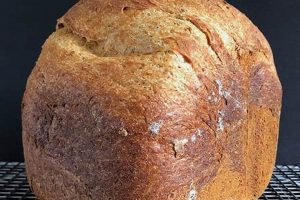
![Easy Vegan Spelt Banana Bread Recipe [Healthy & Delicious] | Discover Delicious Vegan Food, Beauty Swaps, and Zero-Waste Tips for a Greener Life](https://thisvegangirl.com/wp-content/uploads/2026/03/th-42-300x200.jpg "Easy Vegan Spelt Banana Bread Recipe [Healthy & Delicious] Discover Delicious Vegan Food, Beauty Swaps, and Zero-Waste Tips for a Greener Life")