This specific category of baked goods refers to loafs created within an automated bread maker, adhering to dietary guidelines that exclude all animal-derived ingredients. Common examples include recipes using plant-based milk alternatives (such as soy, almond, or oat), vegetable oils, and specialized egg replacers or binders like flaxseed meal or apple sauce to achieve the desired texture and structure. The resulting loaf is entirely free of dairy, eggs, and other animal products traditionally found in bread making.
The significance of this culinary option lies in its accessibility for individuals following particular lifestyles or managing specific dietary restrictions. It allows those adhering to plant-based diets, or those with allergies or intolerances to eggs and dairy, to enjoy freshly baked goods at home with minimal effort. Historically, developing suitable formulations required careful experimentation and ingredient substitution to replicate the properties of gluten and the effects of animal products on the final product’s crumb, rise, and overall palatability.
The following sections will delve into the considerations for selecting appropriate ingredients, optimizing machine settings, and troubleshooting common issues encountered when producing palatable and visually appealing results. Discussion will also cover recipe adaptation and explore the nutritional profiles of various formulations.
Essential Considerations for Optimal Results
Achieving consistent, high-quality results requires meticulous attention to detail and a thorough understanding of ingredient interactions. The following guidelines are crucial for successful production using automated equipment.
Tip 1: Hydration Levels: Accurately measure liquid ingredients. Plant-based milks often have varying water contents compared to dairy milk. Adjust the liquid quantity slightly based on visual assessment of the dough’s consistency during the initial mixing phase.
Tip 2: Gluten Development Enhancement: Consider incorporating vital wheat gluten, even in recipes utilizing all-purpose flour. This supplementation strengthens the dough structure, promoting better rise and preventing collapse during baking.
Tip 3: Sugar Content Adjustment: Refined sugar may not be desired, but adding a bit helps activate the yeast. Substitute it with maple syrup or agave.
Tip 4: Yeast Activation Protocol: Ensure the yeast is viable by proofing it in warm liquid with a small amount of sugar before adding it to the bread machine. This confirms activity and avoids failures due to inactive yeast.
Tip 5: Ingredient Order Adherence: Follow the machine manufacturer’s recommended order for adding ingredients. Typically, liquids are added first, followed by dry ingredients, with yeast placed last to prevent premature activation.
Tip 6: Machine Cycle Selection: Experiment with different cycle settings. Lighter varieties may benefit from a shorter cycle, while heavier, denser recipes may require the whole wheat or gluten-free setting for optimal kneading and baking times.
Tip 7: Cooling Procedure: Once the baking cycle is complete, promptly remove the loaf from the machine pan and allow it to cool completely on a wire rack. This prevents sogginess and allows the crumb to stabilize.
Adherence to these best practices significantly increases the likelihood of producing palatable and visually appealing loaves that meet the needs of individuals seeking plant-based alternatives.
The subsequent discussion will address common issues and solutions related to texture, rise, and crust formation, providing comprehensive guidance for achieving consistent results.
1. Ingredient substitutions

Ingredient substitutions are a fundamental aspect when formulating vegan recipes for automated bread makers. The absence of animal-derived ingredients, commonly used for structural integrity and texture, necessitates the utilization of plant-based alternatives. The efficacy of these substitutions directly impacts the final product’s rise, crumb, and overall palatability. For example, replacing eggs, which provide leavening and binding properties, often involves a combination of flaxseed meal and apple sauce. The flaxseed acts as a binder, while the apple sauce contributes moisture and sweetness. A failure to identify and incorporate effective replacements results in a dense, poorly risen product that deviates significantly from traditional bread characteristics.
Consider the replacement of dairy milk with a plant-based alternative. While soy milk offers a relatively neutral flavor and protein content, almond milk and oat milk contribute distinct flavors and textures. Furthermore, the protein and fat content variations among these alternatives can influence gluten development and dough consistency. Vegetable oils, such as canola or olive oil, replace butter or shortening, impacting the loaf’s richness and overall mouthfeel. Each substitution requires careful consideration of its functional properties and potential effects on the baking process. Incorrect choices lead to undesirable outcomes, necessitating iterative recipe adjustments to achieve satisfactory results.
In summary, understanding the functional properties of traditional baking ingredients and identifying appropriate plant-based counterparts is essential for successfully adapting recipes for automated bread making. The selection and implementation of ingredient substitutions form a critical link in achieving a vegan product that mirrors the texture, flavor, and structural integrity of conventional formulations. Addressing these challenges is central to providing plant-based alternatives that meet consumer expectations and dietary needs.
2. Hydration management

Hydration management is a critical determinant in the successful production of loaves that are plant-based within an automated bread maker. The absence of eggs and dairy products, common components in conventional recipes, alters the liquid absorption characteristics of the dough. Consequently, precise control over the water content becomes paramount for achieving the desired dough consistency and final product texture. Excessive hydration results in a sticky, unmanageable dough that struggles to rise and produces a dense, gummy loaf. Conversely, insufficient hydration yields a dry, crumbly dough with poor gluten development, leading to a coarse, underdeveloped final product.
Plant-based milk alternatives, such as almond, soy, or oat milk, possess varying water contents and protein compositions compared to cow’s milk, influencing dough hydration levels. The addition of ingredients like flaxseed meal, often used as an egg replacer, further impacts water absorption due to its inherent hygroscopic properties. Failure to account for these factors leads to inconsistencies in dough consistency and baking outcomes. For example, a recipe designed for cow’s milk may require a reduction in liquid when using almond milk to achieve the optimal dough consistency, and the opposite for oat milk. Regular inspection of the dough during the initial mixing phase of the bread machine cycle facilitates adjustments to the liquid content, allowing for a more accurate alignment with the target hydration level.
In conclusion, hydration management represents a critical control point in achieving high-quality, plant-based loaves within automated bread makers. The unique characteristics of plant-based ingredients necessitate careful monitoring and adjustment of liquid quantities to ensure optimal dough consistency and final product attributes. A comprehensive understanding of these interactions empowers bakers to navigate the challenges associated with plant-based baking and consistently produce desirable results.
3. Gluten development

In the context of plant-based bread crafted within automated machines, gluten development assumes heightened significance. Gluten, a protein complex formed from glutenin and gliadin when flour is hydrated, provides the structural framework necessary for trapping gases produced during fermentation. However, the absence of animal-derived ingredients, particularly eggs, presents challenges to optimal gluten development. Eggs contribute to dough strength and elasticity, properties that are crucial for retaining the gas generated by yeast. The lack of these attributes in plant-based formulations often necessitates strategies to enhance gluten formation and stability. For instance, the addition of vital wheat gluten becomes imperative in many plant-based bread machine recipes to compensate for the reduced binding capacity. This supplementation reinforces the protein network, allowing the dough to maintain its structure during the rising and baking phases.
Furthermore, the type of flour selected directly influences gluten development. Bread flour, with its higher protein content, is generally preferred over all-purpose flour for producing sturdy, well-risen loaves. Certain plant-based ingredients can also impede gluten formation. For example, incorporating excessive amounts of whole grain flours, which contain bran, can disrupt the gluten network and result in a denser, less elastic dough. To mitigate this effect, recipes often balance whole grain flours with refined flours or incorporate techniques such as autolysing, a pre-soaking method that hydrates the flour and initiates gluten development before the kneading process begins. Understanding these interactions is essential for optimizing dough structure and preventing common issues such as collapse during baking or a dense, gummy texture. The use of dough enhancers, such as ascorbic acid, can also contribute to improving gluten strength and elasticity, further compensating for the absence of animal-derived ingredients.
In summary, achieving sufficient gluten development is a central challenge in producing plant-based bread within automated machines. Compensating for the absence of eggs and carefully managing the interactions between various ingredients are critical for creating a stable, well-risen loaf. Strategies such as vital wheat gluten supplementation, strategic flour selection, and the use of dough enhancers directly impact the structural integrity of the final product, ensuring a palatable and visually appealing outcome.
4. Yeast activation
Yeast activation is a non-negotiable step in the production process when crafting plant-based loaves within automated bread makers. This initial step dictates the success or failure of fermentation, which in turn determines the bread’s rise, texture, and overall palatability. Unlike traditional recipes relying on animal products that may incidentally contribute to the yeast’s environment, plant-based formulations require a more deliberate approach to ensure proper yeast activity.
- Temperature Sensitivity
Yeast exhibits optimal activity within a specific temperature range, typically between 27C and 32C (80F and 90F). Temperatures outside this range, whether too cold or too hot, can inhibit or even kill the yeast. In plant-based recipes, where alternative milk sources might be used at varying temperatures, carefully controlling the liquid’s temperature during activation is critical. For example, using refrigerated plant-based milk directly from the refrigerator can significantly slow down or prevent activation. Conversely, overheated liquids can denature the yeast proteins, rendering them inactive.
- Sugar as a Nutrient Source
Yeast requires a readily available sugar source to initiate fermentation. In standard bread recipes, the sugar may be derived from honey or other animal-based sweeteners. Plant-based alternatives, such as maple syrup, agave nectar, or even a small amount of granulated sugar, serve the same purpose. The sugar provides the initial energy for the yeast to convert into carbon dioxide and ethanol, resulting in the expansion of the dough. Without an adequate sugar source, the yeast will struggle to become active, leading to a flat, dense loaf.
- Hydration and Yeast Viability
Proper hydration is essential for yeast activation. The yeast cells need sufficient moisture to rehydrate and begin their metabolic processes. Plant-based recipes often utilize different flour types, some of which may have varying water absorption capacities. The moisture content of the plant-based milk alternative must also be considered. Insufficient hydration hinders yeast activity, while excessive hydration can dilute the sugar concentration and negatively affect the fermentation process. Furthermore, verifying the viability of the yeast before adding it to the bread machine is prudent. Proofing the yeast in a small amount of warm water with sugar confirms its activity before committing it to the entire recipe.
- Impact of Ingredients Order
The order in which ingredients are added to the bread machine can indirectly affect yeast activation. In most bread machine recipes, the yeast is added last, on top of the dry ingredients, to prevent premature contact with liquids. This separation prevents the yeast from activating before the kneading process begins, ensuring a more controlled and even fermentation. However, in some plant-based recipes, the order may need slight adjustments depending on the specific flour and liquid used. Following the manufacturer’s recommendations for ingredient order is paramount to prevent adverse effects on the activation process.
In conclusion, successful production of plant-based bread using automated machines hinges on meticulous attention to the yeast activation process. Temperature control, nutrient provision, proper hydration, and strategic ingredient layering collectively contribute to a robust fermentation, ultimately dictating the quality and texture of the final product. Adherence to these principles is crucial for consistently achieving well-risen, flavorful loaves free from animal-derived components.
5. Machine settings

Proper machine settings are fundamentally linked to the successful production of plant-based loaves within automated bread makers. The specific program selected dictates kneading time, rise time, and baking temperature, each exerting a distinct influence on the final product. Plant-based doughs, often lacking the structural support provided by eggs or dairy, require careful calibration of these settings to achieve optimal results. Selecting a cycle designed for whole wheat or gluten-free varieties, which typically features a longer kneading and rising time, can compensate for the reduced elasticity inherent in many plant-based doughs. Conversely, standard white bread settings may prove inadequate, resulting in a dense, under-risen product due to insufficient gluten development. Examples include utilizing the “dough” cycle for initial mixing and rising, followed by a custom baking cycle, affording greater control over temperature and time. The absence of precise machine setting adjustments directly correlates with inconsistent bread quality.
Further influencing the outcome is the crust color setting. Plant-based loaves, due to varying sugar contents and the absence of dairy fats, may exhibit altered browning characteristics compared to traditional bread. Opting for a lighter crust setting prevents excessive browning or burning, particularly when using plant-based milk alternatives with higher sugar concentrations. Consideration must also be given to the machine’s keep-warm function. While beneficial in certain scenarios, prolonged exposure to the warming element can lead to excessive drying of plant-based bread, resulting in a hard, unpalatable crust. Implementing a shorter keep-warm duration, or disabling the function entirely, mitigates this risk. Practical application involves meticulous record-keeping of settings and outcomes, facilitating the identification of optimal parameters for specific recipes and ingredient combinations. Regular monitoring of the dough during the kneading and rising phases allows for real-time adjustments to the settings, ensuring alignment with the desired final product characteristics.
In summary, appropriate machine settings are not merely ancillary considerations but integral components in crafting high-quality plant-based loaves within automated bread makers. The interplay between kneading time, rise time, baking temperature, crust color, and keep-warm function necessitates careful attention to detail. Addressing these settings directly impacts the bread’s rise, texture, crust, and overall palatability, thereby influencing the success of plant-based bread production. The challenges inherent in adapting traditional recipes for plant-based applications are mitigated through precise machine calibration, ultimately enabling consistent and desirable outcomes.
6. Loaf cooling

Proper loaf cooling is a critical, yet often overlooked, component in the successful production of vegan bread machine bread. The process directly influences the final texture and structure of the loaf. Immediate removal from the bread machine after baking concludes, followed by complete cooling on a wire rack, is essential. This prevents moisture accumulation within the loaf, which can lead to a gummy or soggy interior. Failure to adequately cool a vegan loaf can result in structural collapse, as the internal starches continue to gelatinize without the support of a firm crust. For instance, a loaf containing a high proportion of plant-based milk may exhibit a tendency towards excessive moisture retention if not cooled properly.
The cooling period allows for the complete setting of the bread’s internal structure. Starches within the loaf undergo retrogradation, a process where they recrystallize, contributing to a firmer, more stable crumb. In vegan formulations, where binding agents like eggs are absent, this setting process is particularly important. Furthermore, slicing a warm loaf compresses the still-soft crumb, diminishing the bread’s texture and appearance. Conversely, a fully cooled loaf allows for clean, even slices, preserving its internal structure and visual appeal. One observes a noticeably different texture in a properly cooled vegan loaf compared to one sliced prematurely. The properly cooled loaf will exhibit a superior crumb structure that withstands pressure without deforming, unlike one that is still cooling. This step is as critical as any ingredient included in the recipe.
In summary, appropriate cooling is indispensable for optimizing the texture and structural integrity of vegan bread machine bread. This practice mitigates moisture retention, promotes starch retrogradation, and facilitates clean slicing, ultimately enhancing the final product’s quality and palatability. Neglecting the cooling stage undermines the efforts invested in ingredient selection and baking precision, highlighting its role as a fundamental aspect of the overall baking process. Adherence to proper cooling techniques is paramount in realizing the full potential of plant-based bread machine recipes.
7. Crumb structure
Crumb structure, defined as the interior texture of bread, is a primary indicator of quality. Its evaluation is particularly relevant in the context of plant-based loaves produced in automated bread makers, where ingredient substitutions and process adjustments significantly impact the final product.
- Influence of Gluten Development
Gluten, a protein complex, provides the primary structural network within bread. Insufficient gluten development in plant-based formulations, often due to the absence of eggs or the use of non-wheat flours, results in a dense, compact crumb. Conversely, excessive gluten development can lead to a tough, chewy texture. The appropriate amount of vital wheat gluten can help.
- Impact of Hydration Levels
Water content influences starch gelatinization and gluten hydration. Over-hydration results in a gummy, uneven crumb structure, while under-hydration produces a dry, crumbly texture. The optimal hydration level varies depending on the type of plant-based milk alternative used (soy, almond, oat) and the flour blend.
- Role of Binding Agents
Egg substitutes, such as flaxseed meal or apple sauce, contribute to crumb cohesion by binding ingredients and retaining moisture. Inadequate binding leads to a fragile, easily crumbled texture. The proper proportions of these binding agents are crucial for achieving a stable crumb.
- Effect of Fermentation
Yeast activity and fermentation time influence the size and distribution of air pockets within the crumb. Under-fermentation results in a dense, small-celled structure, while over-fermentation can lead to large, irregular air pockets and a collapsed loaf. Proper yeast activation and controlled fermentation are necessary for a uniform crumb structure.
These interconnected factors directly determine the overall eating experience and visual appeal. Therefore, the successful production of vegan bread machine bread necessitates a thorough understanding and careful manipulation of crumb structure through precise ingredient selection, process optimization, and adherence to recommended baking practices. Consistent replication of desired crumb characteristics confirms successful bread machine baking.
Frequently Asked Questions about Vegan Bread Machine Bread
The following addresses common inquiries regarding the creation and characteristics of plant-based bread produced in automated bread makers. The answers provide insights into ingredient selection, techniques, and potential challenges.
Question 1: What are the primary differences between traditional and plant-based versions?
Traditional bread recipes commonly incorporate animal-derived ingredients like eggs and dairy, contributing to the texture and structure. Plant-based counterparts necessitate the substitution of these ingredients with plant-derived alternatives, requiring adjustments to maintain desired qualities.
Question 2: Can any bread recipe be adapted for plant-based baking in a bread machine?
While many recipes can be adapted, certain modifications are essential for success. The absence of eggs, for example, requires the use of binding agents like flaxseed meal. Hydration levels may also need adjustment due to the different absorption properties of plant-based milk alternatives.
Question 3: Is vital wheat gluten necessary for all plant-based bread machine recipes?
While not always mandatory, vital wheat gluten often improves the texture and rise of plant-based bread, especially when using lower-protein flours or whole grain flours. It strengthens the dough structure, compensating for the lack of animal-derived proteins.
Question 4: What are the most common challenges encountered when baking plant-based bread in a bread machine?
Common issues include dense texture, poor rise, and uneven crust color. These challenges can often be addressed by carefully adjusting ingredient ratios, hydration levels, and machine settings, as previously described in other sections.
Question 5: How does the selection of plant-based milk alternative impact the final product?
Different plant-based milk alternatives, such as soy, almond, and oat milk, possess varying protein and fat contents, influencing dough consistency and flavor. The choice should align with the desired characteristics of the final product. For example, soy milk provides a more neutral flavor, while oat milk contributes a subtle sweetness.
Question 6: What is the optimal storage method for maintaining the freshness of plant-based bread machine bread?
Storing the loaf in an airtight container at room temperature or slicing and freezing individual portions preserves freshness. Avoid refrigeration, as this can accelerate staling. Properly stored bread typically retains its quality for several days.
Successfully producing plant-based versions requires a blend of culinary knowledge and careful technique. An understanding of the impacts of plant-derived ingredients allows for suitable adjustments, ensuring successful bread. Adjust the flour or experiment a little bit to see which outcome is the best.
The subsequent section will provide specific recipes tailored for plant-based loaf creation, outlining precise ingredient measurements and machine settings for consistent results.
Vegan Bread Machine Bread
This exposition has meticulously examined the multifaceted aspects of producing palatable and structurally sound plant-based loaves within automated bread makers. It has underscored the critical importance of strategic ingredient substitutions, precise hydration management, optimized gluten development, and controlled yeast activation. Further, the necessity of appropriate machine setting selection and the implementation of proper cooling techniques have been emphasized as essential elements in achieving consistent results.
The pursuit of consistently high-quality vegan bread machine bread requires a commitment to understanding the nuances of ingredient interactions and a willingness to adapt traditional recipes to accommodate plant-based alternatives. Continued refinement of formulations and techniques promises to further enhance the accessibility and appeal of this dietary option, solidifying its place in modern baking practices.
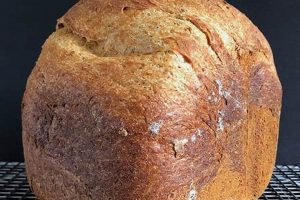
![Easy Vegan Spelt Banana Bread Recipe [Healthy & Delicious] | Discover Delicious Vegan Food, Beauty Swaps, and Zero-Waste Tips for a Greener Life](https://thisvegangirl.com/wp-content/uploads/2026/03/th-42-300x200.jpg "Easy Vegan Spelt Banana Bread Recipe [Healthy & Delicious] Discover Delicious Vegan Food, Beauty Swaps, and Zero-Waste Tips for a Greener Life")