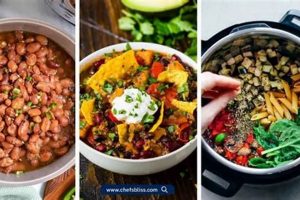
A dietary regimen adhering to vegan principles and restricting caloric intake to 1200 calories per day represents a structured approach to nutrition. This approach excludes all animal products and by-products, focusing instead on plant-based foods such as fruits, vegetables, legumes, and grains. Such a program aims to achieve specific health or weight management goals.
Adopting a carefully planned, lower-calorie, plant-based diet can potentially contribute to weight reduction, improved cardiovascular health, and better blood sugar control. Historically, interest in veganism and calorie restriction has grown alongside increasing awareness of the health impacts of dietary choices. Its effectiveness depends on individual adherence and nutritional adequacy.
The subsequent sections will elaborate on the key considerations for implementing such a plan, including strategies for meal planning, essential nutrient requirements, potential challenges, and relevant guidance for ensuring its safety and sustainability.
Essential Guidance
This section outlines practical strategies for implementing a plant-based dietary approach with a 1200-calorie restriction. These guidelines are intended to assist in the creation of a nutritionally adequate and sustainable eating pattern.
Tip 1: Prioritize Nutrient-Dense Foods: Emphasize foods high in vitamins, minerals, and fiber relative to their caloric content. Examples include leafy greens, cruciferous vegetables, berries, and legumes.
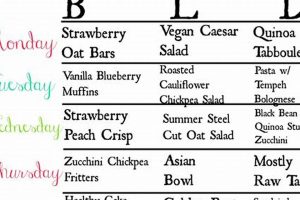
Tip 2: Plan Meals in Advance: Structured meal planning minimizes impulsive food choices and ensures adherence to caloric targets. This involves creating a weekly menu and preparing meals in advance whenever possible.
Tip 3: Track Caloric Intake: Accurate monitoring of calorie consumption is crucial for maintaining the desired intake level. Utilizing food diaries or nutrition tracking applications can facilitate this process.
Tip 4: Optimize Protein Intake: Ensure adequate protein consumption from plant-based sources, such as tofu, tempeh, lentils, and beans, to support satiety and muscle maintenance.
Tip 5: Manage Hunger with Fiber and Water: High-fiber foods and adequate hydration can help regulate appetite and prevent overeating. Include plenty of vegetables, fruits, and whole grains in the diet.
Tip 6: Be Mindful of Portion Sizes: Carefully control serving sizes to stay within the allotted caloric range. Using measuring cups and food scales can improve accuracy.
Tip 7: Consult a Registered Dietitian: Seeking professional guidance from a registered dietitian ensures that the dietary plan meets individual nutritional needs and minimizes the risk of deficiencies.
Adherence to these tips enhances the likelihood of successful implementation and promotes the potential benefits of this dietary strategy.
The subsequent section will address potential challenges associated with this diet and offer strategies for overcoming them.
1. Nutrient Density

In the context of a 1200 calorie, plant-based dietary plan, nutrient density assumes paramount importance. A calorie restriction of this magnitude necessitates the careful selection of foods that provide a maximum quantity of essential vitamins, minerals, and phytonutrients per calorie. Failure to prioritize nutrient-dense foods can result in deficiencies, negatively impacting health and hindering the long-term sustainability of the dietary regimen.
The effect of inadequate nutrient density within a 1200 calorie, vegan framework may manifest as fatigue, impaired immune function, and suboptimal metabolic processes. For example, relying primarily on refined grains and processed vegan foods, even while adhering to the calorie limit, will likely result in insufficient intake of micronutrients such as iron, vitamin B12, calcium, and omega-3 fatty acids. Conversely, incorporating a variety of colorful vegetables, fruits, legumes, and whole grains ensures a broad spectrum of essential nutrients, supporting overall well-being and mitigating the risk of nutrient deficiencies.
Therefore, integrating a clear understanding of nutrient density is essential. A successful plant-based plan should emphasize whole foods such as spinach, kale, berries, lentils, and fortified plant-based milk alternatives. Individuals contemplating or following such a plan are advised to consult with a registered dietitian to assess their specific nutrient needs and develop a tailored meal plan that optimizes nutrient intake within the prescribed caloric parameters. This proactive approach can ensure the diet meets the individuals needs and minimizes potential health risks, establishing a foundation for sustained adherence and positive outcomes.
2. Protein Adequacy

Protein adequacy represents a critical consideration within a 1200-calorie plant-based dietary regimen. Given the calorie restriction and the exclusion of animal-derived protein sources, careful planning is essential to ensure sufficient protein intake for maintaining lean muscle mass, supporting metabolic functions, and promoting satiety.
- Meeting Protein Requirements
Protein requirements for adults typically range from 0.8 to 1.2 grams per kilogram of body weight. Within the confines of a 1200-calorie diet, obtaining this amount solely from plant-based sources demands strategic food selection. Lentils, beans, tofu, tempeh, edamame, and quinoa are all viable protein sources. However, portion sizes must be carefully managed to stay within the prescribed calorie limit. Supplementation with plant-based protein powders may be considered under the guidance of a registered dietitian to bridge any potential gaps.
- Protein’s Role in Satiety
Protein has a higher thermic effect than carbohydrates or fats, meaning the body expends more energy digesting protein. This contributes to increased satiety and reduced hunger, which can be particularly beneficial when adhering to a calorie-restricted diet. Strategically incorporating protein-rich plant foods into each meal and snack can aid in appetite control and prevent overeating, improving adherence to the dietary plan.
- Amino Acid Profiles
Plant-based protein sources often have incomplete amino acid profiles, meaning they may lack one or more of the essential amino acids that the body cannot synthesize. To overcome this limitation, it is crucial to consume a variety of plant-based protein sources throughout the day to ensure that all essential amino acids are obtained. Combining grains and legumes, for example, provides a complementary amino acid profile, maximizing the nutritional value of the diet.
- Impact on Muscle Mass
Inadequate protein intake, particularly when combined with calorie restriction, can lead to muscle loss. Maintaining lean muscle mass is important for metabolic health and overall body composition. Sufficient protein intake, coupled with resistance exercise, can help to preserve muscle mass during weight loss. Individuals engaging in regular physical activity may require a higher protein intake to support muscle recovery and growth.
Therefore, ensuring adequate protein intake within a 1200-calorie plant-based framework requires careful planning and attention to detail. Strategic food selection, mindful portion control, and the consumption of a variety of plant-based protein sources are essential for meeting protein requirements, promoting satiety, and preserving muscle mass. Consultation with a registered dietitian is advisable to develop a personalized plan that meets individual nutritional needs and optimizes the outcomes of this dietary approach.
3. Meal Planning

Meal planning is not merely beneficial but rather essential for the successful implementation and long-term adherence to a plant-based dietary regimen that restricts caloric intake to 1200 calories daily. The inherent limitations imposed by both veganism, which excludes all animal products, and significant calorie restriction necessitate meticulous planning to ensure nutritional adequacy and prevent deficiencies. Without structured meal planning, the probability of either exceeding the caloric threshold or failing to meet essential nutrient requirements increases substantially.
Consider, for example, the challenge of obtaining adequate protein on a plant-based diet while staying within a 1200-calorie limit. Without pre-planned meals, individuals may rely on less nutrient-dense, processed vegan alternatives or simply consume insufficient protein-rich foods like lentils, beans, or tofu. A planned approach, conversely, could involve the strategic incorporation of measured portions of these foods into meals, combined with nutrient-dense vegetables and whole grains, to create balanced and satisfying meals that adhere to both the caloric and dietary restrictions. This level of control extends to other micronutrients, such as iron and vitamin B12, which are of particular concern in vegan diets and require deliberate inclusion through fortified foods or supplementation, integrated into the meal plan.
In conclusion, structured meal planning serves as the cornerstone of a nutritionally sound and sustainable 1200-calorie vegan diet. Its absence leads to increased risk of dietary imbalance and eventual failure to maintain the dietary strategy. The process ensures adequate nutrient intake, improves dietary adherence, and provides a framework for individuals to navigate the complexities of a restrictive eating pattern. The effectiveness of such a dietary plan is directly proportional to the rigor and foresight invested in the initial meal planning phase, requiring a focused and informed approach.
4. Calorie Tracking
Effective implementation of a vegan dietary regimen restricted to 1200 calories daily necessitates diligent calorie tracking. This practice functions as a control mechanism, ensuring adherence to the prescribed caloric intake and preventing inadvertent overconsumption, which could undermine the dietary strategy’s intended outcomes.
- Objective Assessment of Intake
Calorie tracking provides an objective measurement of food consumption, replacing subjective estimations that are often inaccurate. Individuals using calorie-tracking tools gain precise insights into the caloric content of each meal and snack. This heightened awareness fosters informed food choices and assists in managing portion sizes effectively within the constraints of a 1200-calorie vegan plan.
- Identification of Hidden Calories
Many processed vegan foods contain substantial hidden calories, frequently derived from added oils, sugars, and refined carbohydrates. Calorie tracking exposes these concealed caloric sources, allowing individuals to make more judicious food selections and prioritize whole, unprocessed plant-based options. This awareness is particularly crucial in a restricted-calorie diet, where every calorie consumed must contribute meaningfully to nutrient intake.
- Nutritional Adequacy Monitoring
While primarily focused on caloric intake, calorie tracking can be integrated with nutritional analysis tools to assess the adequacy of macronutrient and micronutrient intake. This integrated approach enables individuals to identify potential nutrient deficiencies that may arise from the vegan diet, particularly within a restricted-calorie context. Monitoring these deficiencies is vital to avoid nutritional insufficiencies and maintain overall health.
- Behavioral Modification and Adherence
The act of consistently tracking calories can promote behavioral modifications that support long-term adherence to the dietary plan. Regular monitoring fosters greater awareness of eating habits, identifies triggers for overeating, and encourages more mindful food choices. The data obtained through calorie tracking can be used to refine the meal plan, optimize food choices, and sustain commitment to the vegan 1200 calorie dietary strategy.
In conclusion, calorie tracking serves as an indispensable tool for individuals pursuing a 1200-calorie vegan dietary plan. The practice provides objective data, identifies hidden caloric sources, facilitates nutritional monitoring, and supports behavioral changes that enhance adherence. Its strategic application contributes significantly to the success and sustainability of the dietary intervention.
5. Dietitian Consultation

A consultation with a registered dietitian is a critical component of a vegan 1200 calorie meal plan. This dietary approach, by its very nature, restricts both food choices and caloric intake, increasing the potential for nutrient deficiencies and metabolic imbalances. A qualified dietitian possesses the expertise to assess individual nutritional needs, identify potential risks associated with the diet, and develop a personalized meal plan that addresses these concerns.
For instance, a dietitian can evaluate a client’s iron status and recommend strategies to optimize iron absorption from plant-based sources or suggest appropriate supplementation. Similarly, they can ensure adequate intake of vitamin B12, calcium, omega-3 fatty acids, and other nutrients that may be limited in a vegan diet. The dietitian’s guidance also extends to meal timing, portion control, and food preparation techniques, all tailored to maintain satiety and optimize nutrient utilization within the 1200-calorie restriction. A dietitian’s expertise ensures the dietary strategy meets the specific needs of the individual.
In conclusion, the role of a registered dietitian is paramount for ensuring the safety and effectiveness of a vegan 1200 calorie meal plan. Their expert guidance mitigates the risks associated with nutrient deficiencies, promotes long-term adherence, and maximizes the potential health benefits of this restrictive dietary approach. Without professional oversight, the likelihood of experiencing adverse health effects increases substantially, underscoring the practical significance of dietitian consultation in this context.
Frequently Asked Questions About Vegan 1200 Calorie Meal Plans
The following addresses common inquiries regarding plant-based dietary regimens restricted to 1200 calories per day. It provides concise, informative answers designed to clarify key aspects of this dietary approach.
Question 1: Is a 1200 calorie vegan diet nutritionally adequate?
A 1200 calorie vegan diet presents significant challenges to nutritional adequacy. Careful planning and food selection are essential to meet all essential nutrient requirements. Consulting a registered dietitian is strongly recommended to minimize the risk of deficiencies.
Question 2: What are the primary concerns regarding nutrient deficiencies on this diet?
Key nutrient concerns include vitamin B12, iron, calcium, vitamin D, omega-3 fatty acids, and zinc. These nutrients are either less bioavailable or less abundant in plant-based diets. Fortified foods and supplementation may be necessary to address these deficiencies.
Question 3: How can protein intake be optimized on a 1200 calorie vegan plan?
Protein intake should be prioritized through strategic food choices. Legumes, tofu, tempeh, edamame, and quinoa represent concentrated sources of plant-based protein. Combining different protein sources throughout the day can ensure a complete amino acid profile.
Question 4: What strategies can be employed to manage hunger on this restricted diet?
High-fiber foods, such as vegetables, fruits, and whole grains, can promote satiety and help control appetite. Adequate hydration is also crucial. Strategic meal timing and mindful eating practices can further assist in hunger management.
Question 5: Is exercise compatible with a 1200 calorie vegan diet?
Exercise can be incorporated, but it requires careful consideration. The intensity and duration of physical activity should be adjusted to account for the reduced caloric intake. Adequate protein intake is crucial for muscle recovery and maintenance.
Question 6: What are the long-term sustainability considerations for this dietary approach?
Long-term sustainability depends on individual adherence and nutritional adequacy. The restrictive nature of the diet may pose challenges to maintaining compliance. Regular monitoring of nutritional status and ongoing consultation with a registered dietitian are advisable.
A well-executed plant-based, calorie-restricted plan requires meticulous attention to detail and professional guidance. Prioritizing nutrient density and understanding the potential risks of deficiencies are critical for the diet’s success.
The following segment addresses additional strategies to boost the likelihood of adherence to, and success in, this rigorous eating plan.
Conclusion
The preceding discussion has detailed the multifaceted considerations surrounding a vegan 1200 calorie meal plan. Such a dietary approach, while potentially effective for weight management, demands meticulous attention to nutritional adequacy, meal planning, and ongoing monitoring. The risks associated with nutrient deficiencies necessitate careful consideration and, ideally, professional guidance from a registered dietitian.
The long-term viability of a vegan 1200 calorie meal plan depends on individual adherence, which can be challenged by its restrictive nature. Its implementation should be approached with caution and informed decision-making, prioritizing nutritional balance and consulting with healthcare professionals to mitigate potential health risks. The information presented serves as a foundation for those contemplating or currently following this dietary regimen, emphasizing the need for a responsible and evidence-based approach.