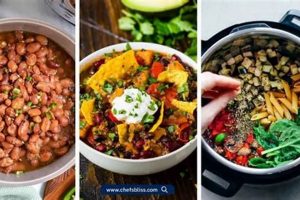
Preparation of plant-based meals in advance, tailored to promote a reduction in body fat, necessitates careful planning. This approach involves selecting nutrient-dense, low-calorie vegan recipes and portioning them for consumption over several days. A practical illustration is preparing quinoa bowls with roasted vegetables and tofu for weekday lunches.
This strategic method offers numerous advantages. It supports adherence to a defined caloric intake, which is crucial for achieving a negative energy balance required for fat reduction. Furthermore, it conserves time and reduces the likelihood of impulsive, less healthy food choices. Historically, advanced food preparation has been utilized across cultures for efficiency; its modern application in plant-based nutrition supports specific health and fitness objectives.
The following sections will examine key considerations for effectively implementing a plant-based food preparation strategy aimed at decreasing body fat. These include macronutrient balance, recipe selection, storage techniques, and potential challenges. Understanding these elements is vital for realizing the full potential of this nutritional approach.
Strategies for Effective Plant-Based Meal Preparation for Fat Reduction
The subsequent guidelines offer actionable strategies for maximizing the efficacy of a plant-based food preparation regimen designed to promote fat loss. Adherence to these principles will contribute to achieving desired results in a sustainable manner.
Tip 1: Prioritize Protein Intake: Ensure each prepared meal contains a sufficient source of plant-based protein, such as lentils, beans, tofu, tempeh, or edamame. Adequate protein consumption aids in satiety and supports lean muscle mass preservation during periods of caloric restriction.
Tip 2: Emphasize Non-Starchy Vegetables: Incorporate a generous serving of non-starchy vegetables, including broccoli, spinach, kale, bell peppers, and asparagus, into each meal. These vegetables are low in calories, high in fiber, and rich in essential nutrients, contributing to overall health and well-being.
Tip 3: Control Portion Sizes: Accurately measure and portion out each meal to align with individual caloric needs and macronutrient targets. Utilizing measuring cups and food scales can assist in maintaining consistent portion control.
Tip 4: Optimize Carbohydrate Selection: Choose complex carbohydrates, such as quinoa, brown rice, oats, and sweet potatoes, over refined carbohydrates. Complex carbohydrates provide sustained energy release and promote stable blood sugar levels.
Tip 5: Incorporate Healthy Fats: Include sources of healthy fats, such as avocados, nuts, seeds, and olive oil, in moderation. Healthy fats support hormone production, nutrient absorption, and overall satiety.
Tip 6: Plan Meals Strategically: Design a weekly meal plan that incorporates variety and addresses all nutritional needs. Planning ensures consistent adherence to the diet and minimizes the likelihood of impulsive food choices.
Tip 7: Proper Food Storage: Store prepared meals in airtight containers in the refrigerator to maintain freshness and prevent spoilage. Consume meals within 3-4 days of preparation for optimal quality and safety.
Implementing these strategies promotes adherence to a carefully planned dietary approach, optimizing the potential for achieving a reduction in body fat through plant-based nutrition.
The following sections will further explore the long-term maintenance of results achieved through plant-based nutritional strategies and address potential adjustments for individual needs.
1. Calorie Deficit

A calorie deficit, defined as consuming fewer calories than expended, is the fundamental principle underpinning fat reduction. When applied to plant-based food preparation, the objective is to create meals that are both nutritionally adequate and low in energy density. For example, if an individual requires 2000 calories daily to maintain their current weight, a deficit of 300-500 calories would be targeted through planned meals. This can be achieved by preparing meals comprised of non-starchy vegetables, lean plant-based protein sources like lentils or tofu, and complex carbohydrates, ensuring portion sizes are controlled.
The effectiveness of a calorie deficit within a plant-based regimen is directly linked to the composition of the prepared meals. Substituting high-calorie, processed vegan foods with whole, unprocessed alternatives is essential. For instance, replacing vegan burgers made with refined oils and flours with homemade lentil burgers significantly reduces caloric intake while simultaneously increasing nutrient density. Successful implementation requires meticulous planning and precise tracking of caloric intake. Individuals can utilize food tracking apps or consult with a registered dietitian to determine their specific caloric needs and ensure appropriate meal composition.
Successfully achieving fat reduction through plant-based food preparation and a calorie deficit necessitates sustained adherence to the planned dietary approach. Challenges such as hunger, cravings, and social situations must be addressed through strategic meal timing, pre-planned snacks, and informed food choices. The long-term success of this approach depends on the individual’s commitment to maintaining the calorie deficit and the overall nutritional quality of the prepared meals. Failure to address the importance of a long-term calorie deficit and the need for continuous monitoring risks hindering progress and potentially leading to weight regain.
2. Macronutrient Balance

Macronutrient balance is a cornerstone of effective plant-based food preparation for fat reduction. Precise manipulation of protein, carbohydrate, and fat intake contributes significantly to achieving a negative energy balance and supporting lean mass retention.
- Protein Adequacy
Plant-based diets must prioritize protein sources to ensure sufficient intake of essential amino acids. Legumes, tofu, tempeh, and quinoa are viable options. Inadequate protein consumption can lead to muscle loss during caloric restriction, thereby hindering long-term metabolic efficiency.
- Carbohydrate Selection and Timing
The glycemic index and glycemic load of carbohydrates should be considered. Complex carbohydrates such as oats, brown rice, and sweet potatoes offer sustained energy release and minimize insulin spikes. Strategic timing of carbohydrate consumption around periods of increased activity can optimize energy utilization.
- Fat Quality and Quantity
Healthy fats, including those from avocados, nuts, seeds, and olive oil, play a crucial role in hormone production and satiety. Excessive fat intake, even from healthy sources, can impede fat reduction. Therefore, portion control and mindful selection of fat sources are imperative.
- Macronutrient Ratios and Individualization
General recommendations for macronutrient ratios are insufficient. Individual needs, activity levels, and metabolic responses necessitate customized plans. Consulting with a registered dietitian or nutritionist can assist in determining optimal macronutrient ratios for individual goals and physiological characteristics.
The interplay of these facets underscores the importance of a tailored approach to plant-based food preparation for fat reduction. By meticulously managing protein, carbohydrate, and fat intake, individuals can enhance their ability to achieve a calorie deficit while preserving lean body mass and optimizing metabolic function, thus improving the long-term success of their fat-loss efforts.
3. Fiber Richness

Fiber richness is a critical component of effective plant-based food preparation targeting fat reduction. Dietary fiber, abundant in plant-based foods, exerts several physiological effects that support weight management. Increased fiber intake promotes satiety, reducing overall caloric consumption. The physical bulk of fiber in the digestive tract contributes to feelings of fullness, mitigating hunger pangs and curbing overeating. Furthermore, fiber slows gastric emptying and prolongs the absorption of nutrients, contributing to stable blood sugar levels and preventing energy crashes that can trigger unhealthy snacking.
The inclusion of high-fiber foods in prepared vegan meals facilitates the creation of lower-calorie, nutrient-dense options. For instance, a meal prepared with lentils, brown rice, and an array of non-starchy vegetables provides substantial fiber, protein, and micronutrients while remaining relatively low in energy density. The high fiber content of this meal contributes to sustained satiety, making it easier to adhere to a caloric deficit. Conversely, a plant-based meal consisting primarily of refined carbohydrates and processed ingredients would offer limited fiber, leading to rapid digestion, blood sugar fluctuations, and increased hunger despite a similar caloric content. Therefore, careful selection of high-fiber ingredients is essential for optimizing the effectiveness of planned vegan meals for fat loss.
The integration of fiber-rich foods into planned vegan meals poses certain practical considerations. Gradually increasing fiber intake prevents gastrointestinal discomfort such as bloating and gas. Adequate hydration is also crucial, as fiber absorbs water in the digestive tract, supporting proper bowel function and preventing constipation. Strategic meal planning should prioritize the inclusion of diverse fiber sources, such as legumes, whole grains, fruits, and vegetables, to ensure a broad spectrum of essential nutrients and maximize the benefits of dietary fiber for fat reduction and overall health.
4. Recipe Variety
The inclusion of diverse recipes is crucial for the long-term success of any plant-based food preparation strategy aimed at fat reduction. A monotonous diet, irrespective of its nutritional soundness, increases the likelihood of dietary fatigue, cravings for restricted foods, and, ultimately, non-compliance. This negatively impacts the sustainability of the caloric deficit necessary for achieving fat loss. For instance, an individual who consistently consumes the same lentil soup for lunch may experience sensory-specific satiety, leading to dissatisfaction and potential overconsumption of less healthy options in subsequent meals. Conversely, a meal plan that incorporates a variety of recipes, such as lentil soup, quinoa salad with roasted vegetables, and tofu stir-fries, mitigates this effect by providing diverse flavor profiles and textures. This promotes adherence to the diet over extended periods.
Recipe variety extends beyond flavor and texture; it also encompasses the nutritional profile of meals. Different plant-based ingredients offer distinct combinations of vitamins, minerals, and phytonutrients. A varied diet ensures a broader intake of these essential compounds, contributing to overall health and well-being, which indirectly supports fat loss efforts. For example, focusing solely on spinach as a green vegetable limits the intake of nutrients found in kale, broccoli, or Swiss chard. Furthermore, recipe variation facilitates the incorporation of different preparation methods. Baking, steaming, sauting, and grilling vegetables not only alter their flavor but also affect their nutrient bioavailability. Different preparations might be required for specific foods to maximize their digestion or health benefits.
Maintaining a repertoire of diverse and palatable vegan recipes requires strategic planning and culinary exploration. Individuals can seek inspiration from cookbooks, online resources, and culinary classes. Experimentation with herbs, spices, and seasonings is key to creating flavorful and satisfying meals without adding excessive calories. While initial planning and preparation may demand more time and effort, the long-term benefits of recipe variety for adherence, nutritional adequacy, and psychological well-being significantly enhance the efficacy of plant-based food preparation as a sustainable strategy for fat reduction.
5. Portion Control

Portion control constitutes an indispensable element of plant-based food preparation strategies aimed at fat reduction. A calorie deficit, critical for inducing fat loss, is directly governed by the quantity of food consumed. While plant-based diets are often nutrient-dense and lower in caloric density compared to omnivorous diets, unrestrained consumption, even of healthy vegan foods, can impede weight management efforts. For example, an individual consuming oversized portions of avocado toast, despite its nutritional benefits, may inadvertently exceed their daily caloric target, thereby hindering fat reduction. Portion control, therefore, acts as a necessary moderator, aligning caloric intake with individual metabolic needs.
Successful implementation involves precise measurement and pre-packaging of prepared meals. Calibrated food scales and standardized measuring utensils enable accurate assessment of serving sizes. A practical application involves preparing a week’s worth of lunch bowls, each containing a pre-determined quantity of quinoa, lentils, and steamed vegetables. Labeling each container with its caloric content further reinforces awareness and supports adherence to the pre-established dietary plan. Without this diligent portioning, subjective estimation can lead to significant discrepancies between intended and actual caloric intake. Additionally, portion control extends beyond main meals. Snacks, condiments, and beverages also contribute to the overall caloric load and necessitate careful monitoring. A handful of nuts, while a healthy snack option, can quickly become calorically significant if consumed without restraint.
In summation, the strategic application of portion control transforms plant-based meal preparation from a potentially beneficial practice into a definitive tool for achieving fat reduction goals. Though challenges exist, such as accurately estimating portion sizes and resisting the urge to consume larger servings, the benefits of enhanced caloric awareness and improved dietary compliance far outweigh the difficulties. Understanding and implementing precise portion control is paramount for maximizing the effectiveness of plant-based nutrition in the pursuit of a healthier body composition.
6. Scheduled Planning

Scheduled planning forms a critical nexus within plant-based food preparation designed to reduce body fat. Its systematic approach mitigates impulsive food choices, promotes adherence to pre-determined caloric and macronutrient targets, and optimizes time efficiency. Neglecting structured planning frequently results in inconsistent dietary practices, thereby undermining efforts toward fat reduction.
- Weekly Meal Template Design
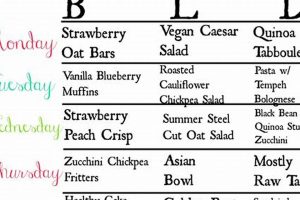
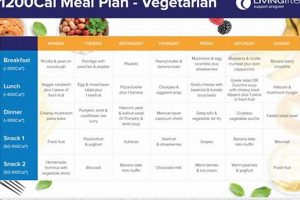
Creation of a template outlining meals for the entire week allows for a structured approach to nutrient intake. The template should encompass breakfast, lunch, dinner, and planned snacks, allocating specific plant-based recipes and portion sizes to each. This proactive measure reduces the likelihood of deviating from the intended dietary strategy due to time constraints or lack of readily available options. For example, a template might specify overnight oats with berries and nuts for breakfast, a quinoa salad with roasted vegetables and tofu for lunch, and lentil shepherd’s pie for dinner.
- Grocery Acquisition List
Deriving a detailed grocery acquisition list directly from the weekly meal template ensures that all necessary ingredients are readily available. This minimizes impulsive purchases of less healthy, processed vegan foods that may hinder fat reduction efforts. Organized acquisition prevents the need for last-minute substitutions that could compromise the nutritional integrity of the planned meals. A list might include specific quantities of lentils, quinoa, tofu, various vegetables, nuts, seeds, and spices required for the weeks recipes.
- Preparation Time Allocation
Designating specific blocks of time for food preparation optimizes efficiency and reduces the perceived burden of meal preparation. Preparing meals in advance, typically on weekends or designated weekdays, allows for convenient access to nutritionally appropriate options throughout the week. Without allocated time, the preparation process may feel overwhelming, leading to reliance on less healthy convenience foods. Allotting a few hours on Sunday and Wednesday evenings for chopping vegetables, cooking grains, and assembling meals ensures adequate supplies for the coming days.
- Contingency Planning for Unforeseen Events
Developing contingency plans for unforeseen events, such as travel or unexpected schedule changes, is essential for maintaining dietary consistency. This might involve packing portable plant-based snacks, preparing meals in advance for travel days, or identifying vegan-friendly restaurants in travel destinations. Failure to anticipate disruptions can lead to reliance on suboptimal food choices, compromising fat reduction goals. Preparing overnight oats in individual containers for a morning commute or carrying a bag of mixed nuts and seeds for snacking can prevent impulsive, less healthy food selections.
In summary, these components of scheduled planning contribute synergistically to the successful execution of plant-based food preparation targeting fat reduction. The discipline imposed by structured planning facilitates adherence to caloric targets, promotes nutrient density, and mitigates the risks associated with impulsive food decisions, ultimately enhancing the sustainability and efficacy of the overall dietary strategy.
7. Consistent Adherence

Consistent adherence forms the linchpin connecting plant-based food preparation with successful fat reduction outcomes. The carefully constructed meal plans and calorie targets established through meticulous preparation are rendered ineffective if not consistently followed. Sporadic adherence, characterized by alternating periods of dietary compliance and indulgence, undermines the establishment of a sustained caloric deficit, a fundamental requirement for mobilizing and utilizing stored body fat. The cause-and-effect relationship is direct: consistent adherence to the prepared meals leads to a sustained caloric deficit, which, in turn, facilitates fat loss. Conversely, inconsistent adherence negates the intended caloric restriction, preventing the desired reduction in body fat.
The importance of consistent adherence within a plant-based meal preparation strategy cannot be overstated. A well-designed plan, incorporating balanced macronutrients and adequate micronutrients, is only effective when consistently implemented over an extended period. For instance, an individual may meticulously prepare vegan meals for five days of the week but consistently indulge in high-calorie vegan desserts or processed foods on weekends. This pattern of inconsistent adherence can significantly impede progress, potentially nullifying the caloric deficit achieved during the weekdays. Therefore, sustained commitment to the prepared meal plan, with minimal deviations, is paramount. Practical application involves setting realistic goals, tracking dietary intake, and identifying potential triggers for non-adherence, such as stress or social events. Developing coping mechanisms and strategies for navigating these challenges is crucial for maintaining consistent adherence.
In conclusion, consistent adherence is not merely a desirable component of plant-based meal preparation for fat reduction; it is a non-negotiable prerequisite for success. While challenges inherent in maintaining dietary consistency exist, acknowledging its paramount importance and proactively implementing strategies to foster adherence significantly enhances the likelihood of achieving and sustaining the intended fat loss outcomes. Understanding this connection is essential for individuals embarking on a plant-based journey with the goal of reducing body fat. Without unwavering commitment, even the most meticulously crafted meal preparation strategies will ultimately prove ineffective.
Frequently Asked Questions
The following addresses common inquiries regarding the effective implementation of a plant-based food preparation regimen for the purpose of decreasing body fat.
Question 1: Is plant-based food preparation inherently superior to other dietary approaches for fat reduction?
Plant-based food preparation is not inherently superior. Its efficacy is contingent upon adherence to fundamental principles of energy balance. A calorie deficit, achieved through controlled portions and strategic macronutrient distribution, remains the primary driver of fat reduction, regardless of dietary composition. The advantage lies in the potential for nutrient density and fiber content within plant-based diets, promoting satiety and facilitating adherence to the caloric restriction.
Question 2: What constitutes an adequate protein intake within a plant-based food preparation strategy for fat loss?
Adequate protein intake is crucial for preserving lean muscle mass during periods of caloric restriction. Recommendations vary based on individual factors such as activity level and body composition, but generally range from 1.2 to 1.7 grams of protein per kilogram of body weight per day. Plant-based sources such as lentils, beans, tofu, tempeh, and quinoa should be strategically incorporated into prepared meals to meet these requirements.
Question 3: How does one effectively manage cravings and hunger while adhering to a plant-based food preparation regimen for fat reduction?
Effective management of cravings and hunger requires a multifaceted approach. Prioritizing fiber-rich foods, such as non-starchy vegetables and whole grains, promotes satiety. Strategic meal timing, including the consumption of smaller, more frequent meals, can stabilize blood sugar levels and mitigate hunger pangs. Identifying emotional triggers for cravings and developing coping mechanisms, such as engaging in physical activity or practicing mindful eating, is also essential.
Question 4: What are the potential micronutrient deficiencies associated with plant-based diets, and how can they be addressed within a food preparation strategy for fat reduction?
Potential micronutrient deficiencies associated with plant-based diets include vitamin B12, iron, calcium, vitamin D, and omega-3 fatty acids. Vitamin B12 supplementation is generally recommended. Iron-rich foods, such as lentils and spinach, should be consumed with vitamin C to enhance absorption. Fortified plant-based milk alternatives can provide calcium and vitamin D. Flaxseeds, chia seeds, and walnuts are sources of omega-3 fatty acids, although conversion to active forms may be limited.
Question 5: How can one ensure adequate caloric intake and prevent excessive caloric restriction while implementing a plant-based food preparation strategy for fat reduction?
Preventing excessive caloric restriction requires careful calculation of individual energy needs based on factors such as age, sex, activity level, and body composition. Consulting with a registered dietitian can assist in determining an appropriate caloric target. Regular monitoring of energy levels, mood, and sleep quality can provide insights into the adequacy of caloric intake. Gradually adjusting caloric intake based on individual responses is recommended.
Question 6: What are the long-term sustainability considerations associated with plant-based food preparation for fat reduction?
Long-term sustainability hinges on maintaining dietary adherence, promoting recipe variety, and fostering a positive relationship with food. Avoiding restrictive eating patterns and incorporating flexible meal options can enhance adherence. Regularly exploring new plant-based recipes and culinary techniques prevents dietary boredom. Focusing on the overall health benefits of plant-based nutrition, rather than solely on weight loss, promotes a more sustainable and enjoyable approach to dietary management.
In conclusion, success with a plant-based food preparation strategy for fat reduction is dependent on informed implementation and individualized adjustments.
The subsequent section will discuss common pitfalls encountered during plant-based meal preparation for fat reduction and provide strategies for mitigation.
Conclusion
This exploration of vegan meal prep for fat loss has underscored the multifaceted nature of this dietary approach. Successfully implementing a plant-based strategy for decreasing body fat requires careful consideration of calorie deficits, macronutrient balance, fiber intake, recipe diversity, portion control, scheduled planning, and consistent adherence. The interplay of these elements determines the efficacy and sustainability of the regimen.
While the principles outlined provide a framework for success, individual circumstances and physiological responses necessitate tailored adjustments. Continued monitoring and informed decision-making are critical. Individuals should recognize that vegan meal prep for fat loss is not a panacea, but rather a tool to be employed strategically within a broader context of health and wellness. Future research should focus on optimizing individualized plant-based strategies for fat loss and identifying the long-term effects on overall health and well-being.