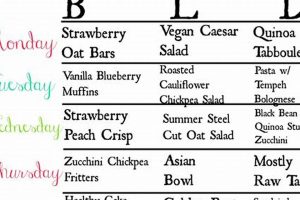
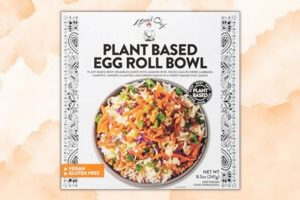
Plant-based diets designed specifically for children exclude all animal products, focusing instead on fruits, vegetables, grains, legumes, nuts, and seeds. An example includes a lentil soup with whole-wheat bread, a vegetable stir-fry with tofu, or a black bean burger on a whole-grain bun.
Carefully planned plant-based nutrition offers various advantages for children. Properly constructed, these diets can be rich in fiber, vitamins, and minerals, potentially contributing to a lower risk of chronic diseases later in life. Historically, such dietary approaches have been followed in some cultures for religious or ethical reasons, and are increasingly adopted for environmental sustainability concerns.
The subsequent sections will explore key considerations for ensuring nutritionally complete meals, address common misconceptions, and provide practical tips for meal planning and preparation that are suitable for growing children.
Guidance on Plant-Based Nutrition for Children
The following recommendations are designed to assist caregivers in providing optimal nutrition for children adhering to a plant-based dietary pattern. These suggestions emphasize the importance of variety, nutrient density, and careful planning to support growth and development.
Tip 1: Prioritize Nutrient-Dense Foods: Focus on providing a wide array of fruits, vegetables, whole grains, legumes, nuts, and seeds. These foods are packed with essential vitamins, minerals, and fiber necessary for healthy growth.
Tip 2: Ensure Adequate Protein Intake: Include sources such as lentils, chickpeas, beans, tofu, tempeh, and edamame in meals. Combine different sources throughout the day to ensure a complete amino acid profile.
Tip 3: Supplement Vitamin B12: Vitamin B12 is not reliably found in plant-based foods. A daily supplement or fortified foods are crucial for neurological function and red blood cell production.
Tip 4: Fortify with Vitamin D: Consider supplementation with Vitamin D, especially during winter months or in regions with limited sunlight exposure. Vitamin D is important for calcium absorption and bone health.
Tip 5: Include Omega-3 Fatty Acids: Incorporate flax seeds, chia seeds, hemp seeds, and walnuts into the diet. These foods provide ALA, a precursor to essential omega-3 fatty acids. Consider an algae-based DHA/EPA supplement if necessary.
Tip 6: Monitor Iron Levels: Iron from plant-based sources is less readily absorbed than from animal sources. Combine iron-rich foods like spinach and lentils with vitamin C-rich foods like bell peppers and citrus fruits to enhance absorption.
Tip 7: Be Mindful of Calcium Intake: Offer fortified plant-based milks, tofu processed with calcium sulfate, and leafy green vegetables. Calcium is vital for bone development and overall health.
Providing a well-balanced dietary approach requires thoughtful consideration and adherence to the recommendations outlined. These dietary choices can effectively support the healthy development of children.
The ensuing discourse will provide clarification of widely held misconceptions, and actionable guidance on effectively strategizing and executing meal preparation for children adhering to these principles.
1. Nutrient Adequacy

Nutrient adequacy is paramount when formulating plant-based dietary plans for children. The exclusion of all animal products necessitates a strategic approach to ensure all nutritional requirements for growth and development are met.
- Vitamin B12 Supplementation
Vitamin B12, crucial for neurological function and red blood cell formation, is not reliably found in plant-based sources. Consequently, supplementation or the regular consumption of fortified foods, such as plant-based milks and nutritional yeast, is essential. Insufficient B12 can lead to developmental delays and neurological problems.
- Iron Bioavailability
While plant-based diets can be rich in iron, the non-heme iron found in plants is less readily absorbed than the heme iron from animal products. Pairing iron-rich foods, such as lentils, spinach, and tofu, with vitamin C-rich foods, such as citrus fruits and bell peppers, significantly enhances iron absorption. Monitoring iron levels is advisable to prevent deficiency.
- Calcium Sources and Absorption
Calcium, vital for bone development, can be obtained from plant-based sources, including fortified plant-based milks, tofu processed with calcium sulfate, and leafy green vegetables. However, the presence of oxalates in certain vegetables can inhibit calcium absorption. Consuming a varied diet and choosing calcium-fortified products is critical.
- Omega-3 Fatty Acid Intake
Omega-3 fatty acids, particularly DHA and EPA, are essential for brain development and function. Plant-based sources provide ALA, a precursor to DHA and EPA, found in flax seeds, chia seeds, hemp seeds, and walnuts. Conversion of ALA to DHA and EPA can be inefficient, and an algae-based DHA/EPA supplement may be necessary to ensure adequate intake.
Addressing nutrient adequacy in properly managed plant-based dietary patterns for children involves careful planning, strategic food pairings, and, in some cases, supplementation. These measures can adequately support optimal growth and development while adhering to this dietary practice. Inadequate planning can lead to deficiencies that negatively impact a child’s health.
2. Meal Planning

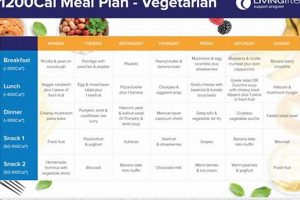
Effective meal planning is a foundational element for the successful implementation of balanced plant-based diets for children. The exclusion of animal products requires diligent consideration of nutrient sources to avoid deficiencies and support optimal growth. Meal planning serves as a proactive strategy to address these specific nutritional needs.
A well-structured meal plan typically includes a variety of food groups: fruits, vegetables, grains, legumes, nuts, and seeds. It ensures that each meal and snack contributes to the child’s daily requirements for protein, carbohydrates, fats, vitamins, and minerals. For example, planning a week’s worth of lunches might incorporate a lentil soup on Monday (protein, iron), a black bean burrito on Wednesday (protein, fiber), and a tofu scramble on Friday (protein, calcium, vitamin D). The act of planning promotes deliberate selection of ingredients that complement each other nutritionally. Careful planning also helps to avoid reliance on processed vegan options that may be high in sodium, sugar, or unhealthy fats. Families who implement structured meal plans often find it easier to adhere to the diet long-term and avoid impulsive, less nutritious choices.
Meal planning is not without its challenges. It necessitates education about plant-based nutrition, careful label reading, and time for preparation. However, the benefits of consistent nutrient intake, reduced risk of dietary deficiencies, and the establishment of healthy eating habits make it an indispensable component of a plant-based approach. The practice, though demanding, serves as a crucial investment in children’s long-term health and well-being.
3. Recipe Variety

A diverse range of recipes is paramount for the successful implementation of plant-based diets for children. This is due to several factors. Firstly, children are often more inclined to consume foods that are presented in varied and appealing ways. A limited selection of recipes may lead to boredom and subsequent nutritional deficiencies as children become reluctant to eat the same dishes repeatedly. Secondly, different plant-based foods offer distinct nutrient profiles. A varied diet ensures a wider range of vitamins, minerals, and antioxidants are consumed, promoting optimal health and development. For instance, relying solely on broccoli as a vegetable source would limit the intake of nutrients found in carrots, spinach, or sweet potatoes.
Real-world examples highlight the importance of recipe diversity. Children who are offered a wide selection of dishes, such as lentil stews, tofu stir-fries, vegetable curries, and bean-based pasta sauces, are more likely to consume a balanced diet. These recipes can be adapted to suit different tastes and dietary requirements, ensuring that each child receives the necessary nutrients in an enjoyable format. Furthermore, recipe variety encourages exploration of different cuisines and ingredients, expanding children’s palates and fostering a lifelong appreciation for healthy eating.
In summary, recipe diversity is not merely a matter of taste preference but a critical component of ensuring adequate nutrition and fostering healthy eating habits in children following plant-based dietary patterns. Overcoming the challenges of developing a diverse recipe repertoire requires dedication and creativity, but the resulting benefits for children’s health and well-being are undeniable. A varied culinary approach strengthens the likelihood of sustained dietary adherence and nutritional completeness.
4. Age Appropriateness

Age appropriateness is a critical consideration when implementing plant-based diets for children, exerting a significant influence on nutritional adequacy and developmental outcomes. The physiological requirements of infants, toddlers, and older children differ substantially; therefore, dietary modifications must align with these developmental stages. Failure to consider this factor can lead to inadequate nutrient intake, impaired growth, and long-term health consequences. For example, infants require a diet primarily composed of breast milk or fortified formula for the first six months of life. Premature introduction of solid plant-based foods may displace the intake of essential nutrients such as iron and zinc, crucial for neurological development and immune function.
Toddlers, while able to consume a wider variety of plant-based foods, present unique challenges. Due to their smaller stomach capacity and higher energy needs, meals must be nutrient-dense and easily digestible. Large, hard foods like whole nuts pose a choking hazard and should be avoided. Blended or finely chopped options are safer and more appropriate. Similarly, older children require adequate amounts of protein and complex carbohydrates to support growth spurts and increased physical activity. Portion sizes must be adjusted to meet their energy demands. A poorly planned plant-based diet lacking in age-appropriate modifications can lead to nutritional deficiencies and hinder optimal development during these critical stages.
In conclusion, aligning plant-based nutrition with developmental stages is not merely a matter of convenience but a necessity for ensuring the health and well-being of children. Recognizing the physiological differences between age groups and adapting dietary strategies accordingly is crucial for mitigating the risks of nutrient deficiencies and promoting optimal growth and development. The practical implications of this understanding are profound, influencing meal planning, food preparation, and parental education to support successful implementation of balanced plant-based diets across all age groups.
5. Allergen Awareness

Implementing plant-based diets for children necessitates heightened awareness of potential allergens. Common allergenic foods frequently used in plant-based recipes require careful consideration to prevent adverse reactions.
- Soy as a Common Allergen
Soy, a prevalent protein source in plant-based diets, is also a common allergen. Foods such as tofu, tempeh, soy milk, and edamame, widely utilized in dishes, can trigger allergic reactions in susceptible children. Labels must be scrutinized to identify hidden soy ingredients.
- Nut and Seed Allergies
Nuts and seeds, valuable sources of protein and healthy fats, are potent allergens. Tree nuts (almonds, walnuts, cashews) and seeds (sesame, sunflower) are incorporated into various plant-based recipes. Cross-contamination during food preparation poses a risk and warrants stringent protocols.
- Gluten Content in Plant-Based Alternatives
While plant-based diets often exclude animal products, gluten may be present in alternative ingredients. Seitan, a wheat gluten-based meat substitute, can cause reactions in children with celiac disease or gluten sensitivity. Selecting gluten-free alternatives and verifying product labels are imperative.
- Cross-Reactivity Considerations
Cross-reactivity between different allergens can complicate dietary planning. For instance, children allergic to birch pollen may exhibit reactions to certain fruits and vegetables. This phenomenon necessitates comprehensive allergy testing and individualized dietary management.
Meticulous allergen awareness is indispensable for ensuring the safety and nutritional adequacy of plant-based diets for children. Vigilant label reading, avoidance of cross-contamination, and prompt recognition of allergic symptoms are critical components of responsible dietary management.
Frequently Asked Questions Regarding Vegan Meals for Kids
The following section addresses common inquiries and concerns regarding the provision of nutritionally adequate plant-based diets for children. The information presented aims to provide clarity and evidence-based guidance.
Question 1: Is a plant-based diet safe for children?
A well-planned plant-based diet, when appropriately structured, can meet the nutritional needs of children at all stages of development. Careful attention must be given to ensuring adequate intake of vitamin B12, vitamin D, iron, calcium, and omega-3 fatty acids, potentially requiring supplementation or the consumption of fortified foods.
Question 2: What are the primary protein sources in plant-based diets for children?
Plant-based protein sources include legumes (lentils, beans, chickpeas), tofu, tempeh, edamame, nuts, seeds, and whole grains. Combining different protein sources throughout the day ensures a complete amino acid profile.
Question 3: How can iron deficiency be prevented in children following a plant-based diet?
Iron deficiency can be mitigated by incorporating iron-rich foods, such as spinach, lentils, and fortified cereals, into the diet. Consuming these foods in combination with vitamin C-rich sources enhances iron absorption.
Question 4: Is vitamin B12 supplementation necessary for children on plant-based diets?
Vitamin B12 is not reliably found in plant-based foods. Therefore, supplementation or the regular consumption of fortified foods is essential to prevent deficiency and support neurological function.
Question 5: How can parents ensure adequate calcium intake for children on plant-based diets?
Calcium can be obtained from fortified plant-based milks, tofu processed with calcium sulfate, and leafy green vegetables. Ensuring adequate vitamin D intake also supports calcium absorption.
Question 6: What are the key considerations for addressing food allergies in children on plant-based diets?
Soy, nuts, and seeds are common allergens in plant-based diets. Careful label reading and awareness of potential cross-contamination are crucial for preventing allergic reactions. Alternative protein sources should be considered for children with known allergies.
In conclusion, with diligent planning and attention to specific nutrient requirements, plant-based diets can provide children with the necessary nutrients for healthy growth and development. Consultation with a registered dietitian or healthcare professional is recommended to address individual needs and ensure dietary adequacy.
The following section will offer guidance on transitioning to a plant-based diet for children, providing practical tips and strategies for successful implementation.
Conclusion
The exploration of plant-based diets has underscored the critical need for careful planning and nutritional awareness when applied to children. Specific nutrients such as vitamin B12, iron, calcium, and omega-3 fatty acids require diligent monitoring and, in many cases, supplementation. Meal planning, recipe variety, and allergen awareness further contribute to the successful and healthful implementation of these dietary approaches. The safety and efficacy of plant-based approaches in children depend on strict adherence to established nutritional guidelines.
Adopting such measures calls for proactive education and engagement from caregivers. Ensuring nutrient adequacy is not merely a dietary preference but a critical responsibility, impacting children’s long-term health and well-being. Continued research and informed decision-making are vital to support the growing population of children adhering to plant-based dietary patterns and ensuring their optimal development.