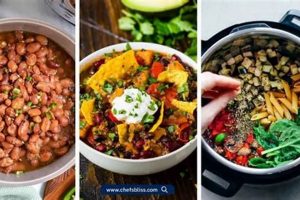
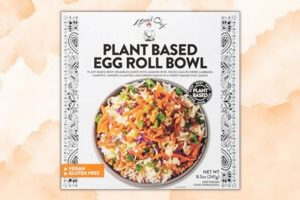
Plant-based prepared dishes, conveniently delivered, represent a growing segment within the meal delivery service industry. These offerings provide complete, ready-to-eat sustenance formulated without any animal products or derivatives. Examples include lentil stews, tofu scrambles with vegetables, and plant-based pasta dishes, each designed for single-serving consumption.
The significance of these services lies in their contribution to facilitating adherence to a vegan lifestyle, often removing barriers related to time constraints and culinary skill. Health benefits associated with predominantly plant-based diets, such as improved cardiovascular health and reduced risk of certain diseases, are often cited as motivating factors for consumers. Historically, vegan-specific meal options were limited; however, increased demand has fueled innovation and wider availability.
The following discussion will address nutritional considerations, cost analysis, environmental impact, and consumer satisfaction associated with adopting prepared plant-based meal solutions. This will allow for a thorough understanding of the advantages and disadvantages of this increasingly popular dietary approach.
Guidance on Integrating Plant-Based Prepared Meals
This section offers practical guidance for individuals considering the incorporation of commercially prepared, plant-based meals into their dietary regimen. The focus remains on providing objective and actionable recommendations.
Tip 1: Prioritize Nutritional Adequacy: Scrutinize the nutritional information provided for each meal, ensuring sufficient protein, essential fatty acids, and micronutrients, particularly vitamin B12, iron, and calcium. Supplementation may be necessary.
Tip 2: Evaluate Ingredient Sourcing: Examine the origin and quality of ingredients used in meal preparation. Opt for providers that prioritize sustainably sourced, non-GMO produce and minimize the use of processed ingredients and additives.
Tip 3: Assess Allergen Information: Carefully review allergen labeling to identify potential allergens, such as soy, nuts, or gluten, which may be present in the meals. Contact the provider directly for clarification if needed.
Tip 4: Monitor Caloric Intake: Track the total caloric intake from prepared meals to ensure it aligns with individual energy requirements and dietary goals, whether for weight maintenance, gain, or loss. Utilize a food diary or calorie-tracking application.
Tip 5: Consider Packaging and Waste: Evaluate the environmental impact of packaging materials used by the meal provider. Seek out options that utilize recyclable or compostable packaging to minimize environmental footprint.
Tip 6: Establish a Gradual Transition: Introduce prepared meals incrementally into the diet to allow for adaptation and minimize potential digestive discomfort. Begin with a few meals per week and gradually increase the frequency as tolerated.
Tip 7: Rotate Meal Selections: Vary the selection of prepared meals to ensure a diverse intake of nutrients and prevent monotony. Explore the full range of offerings from the provider to identify preferred options and combinations.
These guidelines promote responsible and informed integration of plant-based prepared meals into a comprehensive dietary strategy, maximizing nutritional benefits and minimizing potential drawbacks.
The subsequent section will present a comparative analysis of different providers, highlighting their strengths and weaknesses based on the aforementioned criteria, facilitating a well-informed decision-making process.
1. Convenience

The primary driver for many consumers adopting plant-based prepared meal delivery services is convenience. These services mitigate the time and effort associated with meal planning, grocery shopping, and cooking. This convenience factor is particularly relevant for individuals with demanding schedules or limited culinary expertise who still aim to adhere to a vegan diet. The streamlined process from selecting meals online to receiving them ready-to-eat minimizes dietary disruption and promotes consistent adherence to vegan principles. Example scenarios include professionals with long working hours or individuals living in areas with limited access to vegan-specific grocery options. The ability to maintain a plant-based diet without significant time investment is a key value proposition.
Convenience extends beyond time savings to include reduced mental load. The pre-planned nature of these meals eliminates the daily decision-making fatigue associated with dietary choices. This reduction in cognitive burden can lead to greater dietary consistency and reduced likelihood of deviating from the established vegan regimen. Furthermore, portion control is often inherent in prepared meal services, which can be advantageous for weight management or specific dietary needs. The elimination of food waste, a common issue in home cooking, represents another form of convenience and contributes to sustainability goals.
In summary, the convenience afforded by plant-based prepared meal delivery services is a multifaceted benefit that extends beyond simple time savings. It encompasses reduced mental effort, improved dietary consistency, portion control, and waste reduction. While cost and nutritional content remain critical considerations, the convenience factor serves as a significant impetus for initial adoption and continued use of these services, particularly for those navigating demanding lifestyles or seeking a simplified approach to vegan dietary adherence.
2. Nutritional Adequacy
Nutritional adequacy represents a crucial determinant of the overall healthfulness of plant-based prepared meals. While the absence of animal products aligns with vegan principles, it does not inherently guarantee a complete and balanced nutrient profile. Careful consideration must be given to ensuring these meals supply all essential nutrients in sufficient quantities.
- Protein Content and Amino Acid Profile
Plant-based meals should contain adequate protein from sources such as legumes, tofu, tempeh, or plant-based protein powders. The protein should provide a complete amino acid profile, or complementation should be achieved through strategic combinations of different plant-based protein sources. Insufficient protein intake can lead to muscle loss, impaired immune function, and fatigue. For example, a meal consisting solely of leafy greens and simple carbohydrates would be protein-deficient.
- Vitamin B12 Sufficiency
Vitamin B12 is not naturally found in plant-based foods and must be obtained through fortified foods or supplements. Many prepared plant-based meal services fortify their products with B12. However, it is crucial to verify the B12 content per serving to ensure adequate intake, typically around 2.4 mcg per day for adults. Vitamin B12 deficiency can lead to neurological damage and anemia.
- Iron Bioavailability
Plant-based meals contain non-heme iron, which is less readily absorbed than heme iron found in animal products. Enhancing iron absorption can be achieved by including vitamin C-rich foods in the meal, such as bell peppers or citrus fruits. Inhibitors of iron absorption, like phytates in grains and legumes, should be minimized through proper preparation techniques like soaking or sprouting. Iron deficiency can result in fatigue and impaired cognitive function.
- Omega-3 Fatty Acid Provision
Plant-based meals should incorporate sources of omega-3 fatty acids, particularly alpha-linolenic acid (ALA), found in flaxseeds, chia seeds, and walnuts. While ALA can be converted to EPA and DHA, the conversion rate is often low. Some meal services may include algae-based DHA and EPA supplements directly in the meals or offer them separately. Insufficient omega-3 intake can negatively affect cardiovascular and brain health.
These aspects of nutritional adequacy directly impact the health benefits derived from plant-based prepared meals. Careful evaluation of these parameters is essential to ensure these meals contribute to overall well-being and meet individual nutritional requirements. Inadequate attention to these details can undermine the potential benefits of adopting a vegan diet through such services.
3. Ingredient Sourcing

The origin and production methods of ingredients used in plant-based prepared meals represent a critical facet of their overall value proposition. Responsible sourcing directly impacts nutritional quality, environmental sustainability, and ethical considerations, influencing consumer perception and long-term viability.
- Sustainability Practices
The selection of sustainably farmed produce minimizes environmental impact, reducing reliance on synthetic pesticides, herbicides, and fertilizers. For example, a provider sourcing organic vegetables from local farms demonstrably supports ecological balance and biodiversity. Conversely, reliance on conventionally grown produce from distant sources contributes to increased carbon emissions from transportation and potential exposure to harmful chemicals. This reflects directly on a provider’s commitment to environmental responsibility.
- Ethical Labor Standards
Transparent supply chains are essential to ensuring fair labor practices throughout the production process. Providers should actively vet their suppliers to verify adherence to ethical employment standards, including fair wages, safe working conditions, and the absence of forced labor. For instance, sourcing quinoa from cooperatives that empower indigenous farmers ensures equitable distribution of profits and promotes social justice. Opaque or unverifiable sourcing practices raise concerns regarding potential exploitation and human rights violations.
- Ingredient Quality and Freshness
The nutritional profile and flavor of plant-based prepared meals are directly influenced by the quality and freshness of their ingredients. Prioritizing locally sourced, seasonal produce maximizes nutrient retention and minimizes the time elapsed between harvest and consumption. Meal providers that utilize flash-frozen vegetables or pre-packaged, processed ingredients may compromise the nutritional integrity and taste of their offerings. Selecting whole, minimally processed ingredients is paramount to delivering nutritionally dense and palatable meals.
- Transparency and Traceability
Consumers increasingly demand transparency regarding the origin and processing of their food. Plant-based meal providers should provide detailed information about their ingredient sourcing practices, including the geographical origin of key ingredients and the methods employed to ensure quality and safety. Traceability systems allow consumers to track the journey of ingredients from farm to table, fostering trust and accountability. Lack of transparency raises concerns about potential misrepresentation or undisclosed practices.
In conclusion, meticulous ingredient sourcing constitutes a cornerstone of reputable plant-based prepared meal services. By prioritizing sustainability, ethical labor standards, ingredient quality, and transparency, providers demonstrate a commitment to delivering nutritionally sound, environmentally responsible, and ethically produced meals, thereby enhancing their market position and fostering consumer confidence.
4. Cost-Effectiveness
The evaluation of cost-effectiveness within the realm of plant-based prepared meals necessitates a multifaceted analysis, extending beyond simple price comparisons. While the initial cost per meal may appear higher than home-cooked alternatives, a comprehensive assessment must account for various direct and indirect expenditures.
- Ingredient Procurement and Waste Reduction
Home-cooked meals often involve purchasing a larger quantity of ingredients than required for a single serving, leading to potential spoilage and waste. Prepared meal services, conversely, provide portion-controlled meals, minimizing waste and optimizing ingredient utilization. Furthermore, the time spent sourcing ingredients, considering transportation costs and potential impulse purchases, contributes to the overall cost of home-cooked meals, which is often overlooked.
- Time Savings and Labor Costs
The preparation of plant-based meals from scratch requires considerable time and effort for meal planning, grocery shopping, cooking, and cleaning. The value of this time, calculated based on an individual’s hourly wage or opportunity cost, must be factored into the cost analysis. Prepared meal services offer significant time savings, freeing up valuable time for other activities. This trade-off between monetary expenditure and time investment is a crucial consideration in assessing cost-effectiveness.
- Equipment and Energy Consumption
Home cooking necessitates the use of kitchen equipment and appliances, contributing to energy consumption and potential equipment maintenance or replacement costs. Prepared meal services eliminate these expenses, as the meals are delivered ready to eat. The cumulative effect of these seemingly minor costs can be significant over time, influencing the overall cost-effectiveness comparison.
- Dietary Adherence and Health Outcomes
The convenience and structured nature of plant-based prepared meals can promote greater adherence to a vegan diet, potentially leading to improved health outcomes and reduced healthcare costs in the long term. Conversely, inconsistent meal planning and preparation can result in dietary lapses and potential health complications. The long-term health implications of dietary choices should be considered when evaluating the cost-effectiveness of different meal options.
In summary, a thorough assessment of cost-effectiveness pertaining to plant-based prepared meals necessitates consideration of ingredient procurement, time savings, equipment usage, and potential health outcomes. While the initial cost per meal may be higher, the overall value proposition, encompassing convenience, waste reduction, and potential health benefits, warrants careful evaluation.
5. Variety

The diversity of meal options offered by prepared, plant-based meal services constitutes a crucial factor influencing customer satisfaction and long-term dietary adherence. Limited menu options can lead to dietary monotony, potentially undermining the health benefits and convenience that initially attract consumers to these services.
- Cultural Culinary Representation
A broad range of cuisines, reflecting diverse global culinary traditions, enhances the appeal of plant-based meal services. The inclusion of dishes inspired by Asian, Mediterranean, Latin American, and other global cuisines exposes consumers to new flavors and ingredients, broadening their culinary horizons and promoting long-term engagement. Monotonous menus, conversely, can deter consumers seeking diverse culinary experiences. Example: Services offering only variations of Western-style salads and grain bowls limit options.
- Ingredient and Preparation Method Diversity
Utilizing a wide array of plant-based ingredients, prepared with diverse cooking methods, contributes to nutritional completeness and sensory appeal. Services should incorporate a variety of vegetables, legumes, grains, fruits, nuts, and seeds, prepared through steaming, roasting, stir-frying, and other culinary techniques. This approach ensures a broad spectrum of vitamins, minerals, and phytonutrients, while also preventing palate fatigue. A focus solely on steamed vegetables and boiled grains would constitute a lack of ingredient and preparation diversity.
- Macronutrient Balance Variation
Offering meals with varying macronutrient ratios caters to individual dietary needs and preferences. Some consumers may prioritize higher protein content, while others may seek meals with lower carbohydrate levels or higher healthy fat content. Providing options that accommodate different macronutrient profiles enhances the appeal of the service to a broader audience. A static macronutrient ratio across all meal options may not meet the diverse needs of individual consumers.
- Seasonal Menu Adaptations
Incorporating seasonal ingredients into menu rotations enhances freshness, flavor, and nutritional value. Utilizing produce that is in season locally minimizes transportation costs and environmental impact, while also maximizing nutrient density. Seasonal menu adaptations demonstrate a commitment to sustainability and quality, attracting environmentally conscious consumers. A static menu that disregards seasonal availability limits freshness and flavor.
These considerations underscore the importance of variety in plant-based prepared meal services. A diverse menu, encompassing varied cuisines, ingredients, preparation methods, macronutrient balances, and seasonal adaptations, enhances customer satisfaction, promotes dietary adherence, and contributes to overall health and well-being.
6. Environmental Impact

The environmental consequences of food production are substantial, necessitating a critical evaluation of dietary choices. Plant-based diets, facilitated by “vegan factor meals,” generally exhibit a reduced ecological footprint compared to diets reliant on animal agriculture. This reduction stems from decreased greenhouse gas emissions, lower water consumption, and reduced land usage associated with plant cultivation versus animal rearing. The production of one kilogram of beef, for example, generates significantly more greenhouse gases than the production of one kilogram of lentils. Therefore, the substitution of animal products with plant-based alternatives in prepared meals directly mitigates climate change impacts.
Moreover, the environmental impact extends to resource utilization. Animal agriculture necessitates extensive land for grazing and feed crop production, often leading to deforestation and habitat loss. Plant-based agriculture, while not without its own environmental concerns, generally requires less land per unit of food produced. Prepared plant-based meal services can further minimize their impact by sourcing ingredients from sustainable farms that prioritize soil health and biodiversity. Packaging also plays a critical role; providers utilizing recyclable or compostable materials significantly reduce waste and pollution. A practical example is a company that sources organic vegetables from local farms using minimal packaging versus a company sourcing from industrial farms with excessive plastic packaging.
In summary, the integration of environmental considerations into the selection and consumption of “vegan factor meals” holds practical significance. The reduced greenhouse gas emissions, water consumption, and land usage associated with plant-based diets, when coupled with responsible sourcing and packaging practices, contribute to a more sustainable food system. The environmental impact is not merely a secondary consideration but an integral component of the overall value proposition of “vegan factor meals,” influencing consumer choices and driving industry innovation towards more eco-conscious practices.
7. Taste and Quality

The palatability and sensory attributes of “vegan factor meals” directly influence consumer acceptance and consistent dietary adherence. Suboptimal taste profiles or compromised ingredient quality impede the successful integration of these meals into an individual’s eating pattern, undermining the convenience and potential health benefits they offer. Cause and effect are clearly linked: appealing taste and high-quality ingredients drive repeat purchases and long-term dietary compliance, while unappetizing meals lead to dissatisfaction and abandonment of the service. The inclusion of fresh herbs, diverse spices, and innovative culinary techniques contributes to elevated taste profiles. Conversely, the use of processed ingredients, excessive sodium, or lack of flavor development negatively impacts the sensory experience.
Importance is underscored by real-life examples. A service offering bland, overcooked vegetables with minimal seasoning will struggle to retain customers, regardless of its convenience or nutritional claims. Another provider utilizing high-quality, sustainably sourced ingredients and employing skilled chefs to create flavorful and visually appealing meals will likely experience higher customer satisfaction and retention rates. Consider the contrast between a reheated, mass-produced plant-based lasagna with a gummy texture versus a freshly prepared, layered vegetable lasagna with a vibrant tomato sauce and perfectly cooked pasta. The difference in taste and quality is tangible and directly impacts consumer perception and willingness to pay.
In summary, taste and quality are not merely ancillary considerations but fundamental components of successful “vegan factor meals.” Prioritizing flavorful recipes, high-quality ingredients, and skillful preparation is crucial for ensuring consumer satisfaction and maximizing the potential benefits of these dietary options. Overlooking these aspects compromises the value proposition and ultimately limits the long-term viability of prepared plant-based meal services. The understanding of this interconnectedness is practically significant for meal providers, informing product development and marketing strategies.
Frequently Asked Questions
This section addresses common inquiries regarding prepared, plant-based meal delivery services, focusing on factual information and avoiding subjective claims.
Question 1: Are “vegan factor meals” nutritionally complete?
Nutritional completeness varies significantly between providers. A careful review of nutritional information is essential to ensure adequate protein, vitamin B12, iron, and omega-3 fatty acids are present in sufficient quantities. Supplementation may be necessary to address potential deficiencies.
Question 2: How do “vegan factor meals” contribute to sustainability?
The sustainability of these meals depends on ingredient sourcing and packaging practices. Providers utilizing locally sourced, organic produce and eco-friendly packaging materials exhibit a lower environmental impact compared to those relying on conventional agriculture and single-use plastics.
Question 3: Are “vegan factor meals” more expensive than home-cooked vegan meals?
The cost-effectiveness of these meals depends on individual circumstances. While the initial price per meal may be higher, factors such as time savings, reduced food waste, and convenience must be considered in a comprehensive cost analysis.
Question 4: How can “vegan factor meals” accommodate dietary restrictions and allergies?
Meal providers typically offer allergen information, but cross-contamination risks may exist in shared production facilities. Individuals with severe allergies should exercise caution and verify allergen control measures directly with the provider.
Question 5: What quality control measures are in place for “vegan factor meals”?
Quality control varies by provider. Reputable services adhere to food safety standards and conduct regular inspections to ensure ingredient freshness, proper handling, and absence of contaminants. Consumers should research a provider’s quality control protocols before subscribing.
Question 6: How do “vegan factor meals” address the issue of protein intake for vegans?
These meals typically incorporate plant-based protein sources such as legumes, tofu, tempeh, and plant-based protein powders. The protein content per serving should be assessed to ensure it meets individual dietary requirements, considering activity levels and overall health goals.
In conclusion, responsible integration of “vegan factor meals” into a dietary regimen requires careful consideration of nutritional completeness, environmental impact, cost-effectiveness, allergen information, quality control, and protein adequacy. Informed consumers should prioritize research and select providers that align with their specific needs and values.
The subsequent section will provide guidance on selecting a suitable “vegan factor meals” provider, summarizing the key considerations discussed throughout this article.
Conclusion
This examination of “vegan factor meals” has presented a multifaceted perspective, encompassing nutritional adequacy, environmental considerations, cost-effectiveness, and the pivotal influence of taste and ingredient sourcing. The analysis underscores the importance of informed consumer choices and responsible practices by meal providers to ensure these services genuinely contribute to both individual well-being and broader sustainability goals.
As the demand for plant-based options continues to expand, rigorous evaluation of “vegan factor meals” remains essential. Prioritizing nutritional transparency, sustainable sourcing, and culinary quality will determine their long-term viability and their potential to facilitate widespread adoption of healthier and more environmentally conscious dietary patterns. Further research and ongoing dialogue are encouraged to advance understanding of this evolving food landscape.