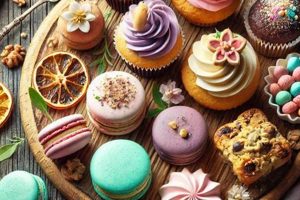
Baked goods and confections that exclude all animal-derived ingredients, such as dairy, eggs, and honey, while also being formulated without any tree nuts or peanuts, fall into a specific dietary category. These recipes often utilize plant-based substitutes like oat milk, flax eggs, and fruit purees to achieve desired textures and flavors. Examples include chocolate avocado mousse, coconut cream pies, and fruit-based sorbets.
The increasing demand for these specialized treats reflects a growing awareness of dietary restrictions, allergies, and ethical considerations. Offering choices that are both plant-based and safe for individuals with nut allergies expands accessibility and promotes inclusivity within the food industry. Historically, adapting traditional dessert recipes to meet these criteria has driven innovation in alternative ingredients and baking techniques.
Subsequent sections will delve into ingredient substitutions, recipe adaptations, and considerations for maintaining flavor and texture while adhering to these dietary guidelines. Further exploration will cover sourcing reliable ingredients, preventing cross-contamination, and common challenges encountered when creating these specialized desserts.
Tips for Vegan and Nut-Free Desserts
Creating appealing and safe desserts that exclude both animal products and nuts requires careful attention to ingredient selection and preparation methods. The following tips aim to guide individuals in achieving successful outcomes.
Tip 1: Prioritize Allergen Awareness: Thoroughly inspect ingredient labels to confirm the absence of nuts and potential cross-contamination. Contact manufacturers if clarification is needed.
Tip 2: Substitute Appropriately: Flaxseed meal or chia seeds mixed with water can effectively replace eggs as a binder. Experiment with different ratios to achieve the desired consistency.
Tip 3: Utilize Alternative Flours: Oat flour, rice flour, or tapioca starch can replace wheat flour, but may require adjustments to liquid ratios. Consider combining multiple flours for enhanced texture.
Tip 4: Leverage Plant-Based Milks: Oat milk, soy milk, or coconut milk provide moisture and richness. Unsweetened varieties are preferable to control sugar levels.
Tip 5: Employ Natural Sweeteners: Maple syrup, agave nectar, or dates can substitute refined sugars. Be mindful of their impact on moisture content and adjust other ingredients accordingly.
Tip 6: Control Cross-Contamination: Use separate equipment and utensils designated for vegan and nut-free baking to prevent accidental exposure.
Tip 7: Consider Texture Enhancers: Avocado or bananas can add creaminess and moisture, particularly in recipes like chocolate mousse or cakes. Pured fruits can also enhance sweetness and flavor.
Consistently applying these guidelines contributes to the creation of safe, delectable desserts that accommodate specific dietary needs without compromising taste or quality.
The following section will address specific recipe adaptations and offer troubleshooting advice for common challenges encountered in this specialized area of baking.
1. Ingredient Substitutions

The formulation of vegan and nut-free desserts relies heavily on the strategic substitution of ingredients to replicate textures, flavors, and binding properties traditionally provided by animal products and nuts. The success of these substitutions directly influences the palatability and overall acceptability of the final product.
- Egg Replacements
Eggs serve multiple roles in baking, including binding, leavening, and adding moisture. In vegan and nut-free formulations, these functions must be replicated using plant-based alternatives. Flaxseed meal or chia seeds mixed with water create a viscous gel that acts as a binder. Applesauce or mashed bananas can contribute moisture and sweetness, while aquafaba (the liquid from canned chickpeas) can be whipped into a meringue-like foam for aeration. Careful consideration must be given to the specific function of eggs in a recipe when selecting an appropriate substitute.
- Dairy Alternatives
Dairy products contribute richness, creaminess, and moisture to desserts. Plant-based milk alternatives, such as oat milk, soy milk, or coconut milk, can replace cow’s milk. Coconut cream, particularly the solidified portion from refrigerated cans, provides a high-fat alternative for whipped cream or ganache. Vegan butter substitutes, typically made from plant-based oils, can replace butter in recipes requiring solid fat.
- Nut-Based Ingredient Replacements
Nuts are frequently used in desserts for their flavor, texture, and fat content. Sunflower seeds, pumpkin seeds, or toasted oats can provide a similar textural element. Seed butters, such as tahini (sesame seed butter) or sunflower seed butter, can mimic the creamy consistency of nut butters, although flavor adjustments may be necessary. In some cases, spices like cinnamon or nutmeg can be used to enhance perceived flavor complexity in the absence of nuts.
- Flour Substitutions
Traditional wheat flour may need to be replaced for individuals with gluten sensitivities or to achieve specific textural qualities. Alternative flours, such as oat flour, rice flour, or tapioca starch, can be used individually or in combination. Gluten-free flour blends often contain a mix of starches and gums to mimic the binding properties of gluten. Understanding the specific properties of each flour is crucial for achieving the desired outcome in vegan and nut-free desserts.
The strategic implementation of these ingredient substitutions enables the creation of desserts that align with vegan and nut-free dietary requirements. A thorough understanding of the functional properties of each ingredient and its substitute is essential for replicating the desired characteristics of traditional desserts while ensuring both palatability and safety.
2. Allergen Awareness

Allergen awareness is of paramount importance in the context of vegan and nut-free desserts, given the potential for severe and life-threatening reactions in sensitive individuals. A comprehensive understanding of allergens, cross-contamination risks, and labeling practices is crucial for ensuring consumer safety.
- Ingredient Label Scrutiny
Rigorous examination of ingredient labels is essential to identify potential allergens. Manufacturers are legally obligated to declare common allergens, but hidden sources or cross-contamination statements may require further investigation. “May contain” or “made in a facility that also processes nuts” warnings necessitate careful consideration of the individual’s sensitivity level.
- Cross-Contamination Prevention
Cross-contamination can occur when nut-free ingredients come into contact with nut-containing substances during processing, storage, or preparation. Dedicated equipment, separate storage areas, and stringent cleaning protocols are necessary to minimize this risk. In commercial settings, adherence to Hazard Analysis and Critical Control Points (HACCP) principles is vital.
- Substitutes Evaluation
When substituting ingredients in vegan recipes, it is imperative to ensure that the substitutes are also free from nuts. For example, some vegan butter substitutes may contain nut-derived ingredients. Thoroughly researching the composition of alternative ingredients is critical to avoid unintended allergen exposure.
- Consumer Communication
Transparent communication with consumers regarding ingredients and potential allergen risks is essential. Clear labeling of products, providing detailed ingredient lists, and responding to customer inquiries demonstrates a commitment to allergen safety. In foodservice settings, staff training on allergen awareness and handling is crucial.
The intersection of veganism and nut allergies requires heightened diligence in all aspects of dessert preparation and distribution. A proactive approach to allergen awareness, encompassing ingredient sourcing, production practices, and consumer communication, is indispensable for safeguarding the health and well-being of individuals with nut allergies.
3. Texture Maintenance
Achieving desirable textures in vegan and nut-free desserts presents significant challenges due to the absence of traditional ingredients like eggs, dairy, and nuts, which contribute significantly to the structure and mouthfeel of conventional baked goods. Maintaining appropriate texture requires careful consideration of ingredient substitutions and their impact on the final product.
- Starch Selection and Hydration
Starches play a crucial role in providing structure and binding. Tapioca starch, cornstarch, and potato starch are commonly used in vegan and nut-free baking. Proper hydration of starches is essential for preventing a gummy or overly dry texture. Pre-slurrying starches with cold liquid before adding them to hot mixtures ensures even distribution and prevents clumping. Overcooking starches can lead to a thin, weak structure, while undercooking can result in a gritty texture.
- Fat Content and Emulsification
Fats contribute to tenderness and richness in desserts. Vegan butter alternatives, coconut oil, and plant-based oils are frequently used. Emulsification, the process of dispersing fat evenly throughout a liquid, is crucial for achieving a smooth, consistent texture. Lecithin, derived from sunflowers or soy, can be used as an emulsifier to prevent separation and improve the overall texture of batters and creams. The type and amount of fat significantly impact the final texture, with higher fat content generally leading to a softer, more tender crumb.
- Gluten-Free Flour Blends and Binding Agents
Gluten provides elasticity and structure to baked goods. In the absence of gluten, gluten-free flour blends are often used, typically containing a combination of starches and gums. Xanthan gum and guar gum are common binding agents that mimic the properties of gluten, providing structure and preventing the dessert from crumbling. The ratio of starches to gums is critical, as excessive gum can result in a gummy texture, while insufficient gum can lead to a crumbly, fragile product.
- Moisture Management and Humectants
Maintaining adequate moisture levels is essential for preventing a dry, crumbly texture. Ingredients like applesauce, mashed bananas, or pumpkin puree can act as humectants, attracting and retaining moisture. Overbaking can lead to moisture loss, resulting in a dry texture. Monitoring oven temperature and baking time is crucial for achieving optimal moisture content. The use of invert sugars, such as maple syrup or agave nectar, can also help retain moisture and improve the overall texture of vegan and nut-free desserts.
These elements are critical for producing vegan and nut-free desserts with appealing textures. By carefully selecting and utilizing these techniques, it is possible to create desserts that meet specific dietary needs without compromising the sensory experience.
4. Flavor Balancing

Flavor balancing in vegan and nut-free desserts represents a critical element in achieving palatability and consumer acceptance. The absence of traditional ingredients such as dairy, eggs, and nuts, which contribute significantly to richness and flavor depth, necessitates a strategic approach to flavor development. The successful creation of these desserts hinges on the careful manipulation of available ingredients to compensate for the missing components. For example, the absence of nutty notes, typically derived from almonds or walnuts, can be addressed by incorporating toasted seeds, spices, or extracts to provide a similar depth of flavor. Without meticulous flavor balancing, these desserts may lack complexity and appeal, potentially hindering their adoption by consumers.
Several techniques are employed to achieve effective flavor balancing in vegan and nut-free desserts. The use of complementary flavors, such as pairing chocolate with chili or berries with citrus, can create a more nuanced and satisfying taste experience. Additionally, the strategic use of umami-rich ingredients, such as nutritional yeast or miso, can enhance savory notes and contribute to a more balanced flavor profile. Incorporating concentrated fruit purees or extracts can also amplify sweetness and provide a more intense flavor impact. In practice, a vegan chocolate cake might utilize coffee to enhance the chocolate flavor or a pinch of salt to balance the sweetness, demonstrating the deliberate application of flavor balancing principles. Experimentation and careful taste testing are essential to determine the optimal combination of flavors for each recipe.
In summary, flavor balancing is not merely an aesthetic consideration in vegan and nut-free desserts; it is a fundamental requirement for producing appealing and satisfying products. The challenges presented by ingredient limitations necessitate a proactive and informed approach to flavor development. While the technical aspects of flavor science can be complex, the practical benefits of achieving effective flavor balance are clear: increased consumer acceptance and a wider adoption of these specialized dietary options. Further research and development in this area are crucial to expanding the repertoire of delicious and accessible vegan and nut-free desserts.
5. Cross-contamination prevention
Cross-contamination represents a significant hazard in the preparation of vegan and nut-free desserts, directly impacting consumer safety and product integrity. The presence of even trace amounts of nuts or animal-derived ingredients can trigger severe allergic reactions or violate ethical dietary choices. Therefore, meticulous cross-contamination prevention is not merely a procedural detail but a fundamental prerequisite for producing credible and safe vegan and nut-free desserts.
The mechanisms of cross-contamination are diverse. Nuts or animal products can transfer via shared equipment (mixers, baking sheets, utensils), airborne particles, or direct contact with contaminated surfaces. For instance, using a mixer previously employed to prepare a nut-based cake without thorough cleaning can introduce allergens into a subsequent vegan and nut-free batch. Similarly, a cutting board used for both dairy cheese and plant-based ingredients poses a risk. Preventative measures include designating separate sets of equipment for allergen-free and vegan preparations, implementing rigorous cleaning protocols (including disassembly of equipment), and establishing clear workflow patterns to minimize contact between different ingredient streams. In commercial kitchens, comprehensive training programs are essential to ensure all staff members understand and adhere to these protocols. Auditing procedures should be implemented to identify and rectify potential breaches in cross-contamination control. A real-world example can be seen in dedicated nut-free bakeries that utilize air filtration systems and strict ingredient sourcing policies to minimize the risk of cross-contamination.
In conclusion, the creation of safe and authentic vegan and nut-free desserts depends critically on the rigorous application of cross-contamination prevention strategies. Neglecting these strategies undermines the core principles of both veganism and allergen safety. While challenges exist in implementing and maintaining these procedures, the potential consequences of cross-contamination necessitate unwavering vigilance and a commitment to best practices. Future efforts should focus on developing more sensitive allergen detection methods and improving training resources to enhance cross-contamination control across the food industry.
Frequently Asked Questions
This section addresses common inquiries regarding the preparation, ingredients, and safety considerations associated with vegan and nut-free desserts.
Question 1: What ingredients can effectively replace eggs in vegan and nut-free baking?
Flaxseed meal mixed with water, applesauce, and mashed bananas serve as suitable egg replacements. Flaxseed and chia seed create binding viscous gels. Applesauce and mashed bananas add moisture and sweetness.
Question 2: How can cross-contamination with nuts be prevented in a shared kitchen environment?
Employ dedicated equipment, utensils, and baking sheets solely for vegan and nut-free preparations. Thoroughly clean all surfaces and equipment after contact with nut-containing ingredients. Implement strict ingredient storage protocols.
Question 3: What are reliable sources for vegan and nut-free baking ingredients?
Specialty food stores, online retailers specializing in allergy-friendly products, and well-stocked grocery stores that offer dedicated vegan and gluten-free sections are reliable sources. Verify the absence of cross-contamination warnings on product labels.
Question 4: How can a rich, creamy texture be achieved in vegan desserts without dairy or nuts?
Coconut cream, avocado, and silken tofu provide a creamy texture. Coconut cream replicates the richness of dairy cream. Avocado adds smoothness and moisture. Silken tofu, when pureed, contributes to a smooth consistency.
Question 5: What are common challenges in adapting traditional dessert recipes to be vegan and nut-free?
Replicating the binding properties of eggs, achieving the desired texture without gluten or nuts, and balancing flavors in the absence of dairy and nut-derived ingredients present the most significant challenges.
Question 6: How can consumers verify the safety of commercially produced vegan and nut-free desserts?
Scrutinize ingredient labels for potential allergens and cross-contamination warnings. Contact the manufacturer to inquire about allergen control procedures. Seek certifications from reputable third-party organizations.
The information provided aims to clarify key aspects of vegan and nut-free dessert preparation and consumption. Adherence to these guidelines promotes safety and successful outcomes.
The following section will present a selection of tested recipes for vegan and nut-free desserts.
Conclusion
The preceding exploration has elucidated the essential principles and practices for creating vegan and nut-free desserts. Critical considerations encompass ingredient selection, cross-contamination prevention, and the maintenance of desirable textures and flavors. Successful execution requires meticulous attention to detail and a thorough understanding of ingredient functionalities.
Given the increasing prevalence of dietary restrictions and allergies, proficiency in preparing vegan and nut-free desserts is of growing importance. Ongoing research and development in alternative ingredients and processing techniques will further enhance the accessibility and appeal of these specialized food offerings. Adherence to rigorous safety protocols remains paramount to ensure consumer well-being.

![Delicious Vegan Chocolate Dessert Recipes [Easy!] | Discover Delicious Vegan Food, Beauty Swaps, and Zero-Waste Tips for a Greener Life](https://thisvegangirl.com/wp-content/uploads/2026/01/th-615-300x200.jpg "Delicious Vegan Chocolate Dessert Recipes [Easy!] Discover Delicious Vegan Food, Beauty Swaps, and Zero-Waste Tips for a Greener Life")