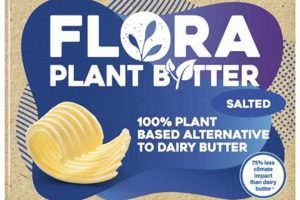
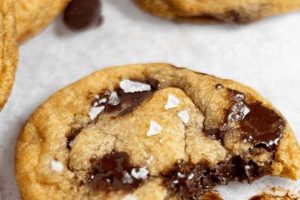
These confections represent a modern adaptation of a classic, incorporating plant-based ingredients to cater to dietary preferences. The recipe typically involves combining crisp rice cereal with a sweetener, a binding agent (such as vegan butter and marshmallow substitute), and peanut butter to create a sweet and textured treat. The absence of animal products distinguishes them from traditional versions.
The rise in popularity of such desserts reflects growing awareness of dietary restrictions and ethical considerations related to food production. The ability to enjoy familiar flavors and textures while adhering to a plant-based lifestyle is a key driver. Furthermore, these creations often offer a perceived health benefit compared to their conventional counterparts, particularly if refined sugars are minimized and natural sweeteners are employed. Recipes adapted for specific dietary needs provide inclusivity.
Subsequent discussion will delve into specific ingredient substitutions, methods for achieving optimal texture and flavor, and considerations for accommodating various allergies and dietary requirements beyond veganism. Furthermore, the role of different peanut butter types and sweetener options in the final product’s characteristics will be examined, alongside storage and preservation techniques.
Crafting Superior Plant-Based Peanut Butter Cereal Squares
Achieving optimal results when preparing these desserts requires careful attention to ingredient selection and methodology. The following guidelines are intended to enhance the final product’s texture, flavor, and structural integrity.
Tip 1: Select a high-quality vegan butter substitute. The fat content and emulsification properties directly impact the binding capabilities and overall mouthfeel.
Tip 2: Employ a vegan marshmallow creme or homemade alternative. The texture is pivotal; ensure it melts uniformly without becoming overly liquid or grainy.
Tip 3: Opt for a natural peanut butter with minimal added sugar and oil. This ensures a more intense peanut flavor and avoids unwanted sweetness or greasiness.
Tip 4: Slightly undercook the marshmallow mixture. This prevents the final product from becoming too hard and brittle upon cooling.
Tip 5: Gently fold the cereal into the melted mixture. Vigorous stirring can crush the cereal, compromising the treat’s characteristic crispness.
Tip 6: Use a lightly greased baking pan. This facilitates easy removal and prevents sticking, resulting in cleaner edges.
Tip 7: Allow the treats to cool completely before cutting. Premature cutting can lead to a sticky, misshapen final product.
Tip 8: Store in an airtight container at room temperature. Proper storage maintains freshness and prevents excessive hardening or drying.
Adherence to these principles will contribute to the creation of a confection that is both texturally pleasing and flavorful, while remaining consistent with plant-based dietary requirements.
The subsequent sections will explore advanced techniques and creative variations for this dessert.
1. Ingredient substitution

Ingredient substitution is fundamental to crafting cereal confections suitable for vegan diets. The successful replacement of animal-derived components directly determines the product’s adherence to vegan principles and significantly impacts its taste, texture, and structural integrity.
- Vegan Butter Alternatives
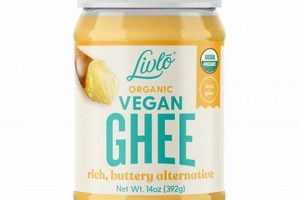
Traditional butter contributes fat content and emulsification properties. In a vegan formulation, plant-based butter substitutes such as coconut oil, vegan butter sticks (often made from palm oil, shea butter, and other vegetable oils), or even refined coconut oil must provide similar qualities. The selection impacts the treat’s overall richness and ability to bind ingredients effectively. Different vegan butters offer varying melting points and flavor profiles, requiring careful consideration for optimal results.
- Marshmallow Replacement
Conventional marshmallows contain gelatin, an animal-derived ingredient. Vegan recipes often utilize commercially available vegan marshmallows (typically made with modified tapioca starch and carrageenan) or homemade marshmallow alternatives using ingredients like agar-agar or aquafaba. The substitute must mimic the melting behavior and binding properties of gelatin-based marshmallows to achieve the desired chewiness and cohesiveness.
- Cereal Considerations
While most puffed rice cereals are inherently vegan, some may contain trace amounts of animal-derived ingredients or be processed on equipment that also handles dairy. Careful label examination is essential to ensure compliance with vegan standards. Gluten-free puffed rice cereal can also be selected to broaden the recipe’s appeal to individuals with gluten sensitivities.
- Peanut Butter Variations
While peanut butter is vegan in its pure form, added ingredients must be scrutinized. Some commercially available peanut butters contain honey or dairy-based additives. Natural peanut butter, consisting solely of peanuts and salt, is preferable. Additionally, the texture of the peanut butter (creamy vs. chunky) impacts the final product’s texture.
The interplay of these substitutions determines the final character. The choice of vegan butter affects the richness, the marshmallow alternative impacts texture, and the peanut butter type influences flavor. This iterative process directly shapes the viability and overall sensory appeal of the final peanut butter-infused, plant-based cereal confection.
2. Binding agent selection

The selection of an appropriate binding agent is paramount in the successful formulation of plant-based peanut butter cereal confections. This ingredient is responsible for creating the cohesive structure that holds the cereal and peanut butter together, replicating the function of marshmallows in traditional recipes. The choice directly influences the treat’s texture, stability, and overall palatability.
- Vegan Marshmallow Alternatives
Traditional marshmallows contain gelatin, an animal-derived product. Vegan alternatives typically rely on plant-based gelling agents such as modified tapioca starch, carrageenan, or agar-agar in conjunction with sweeteners like corn syrup or tapioca syrup. The specific formulation of these vegan marshmallows impacts melting behavior and binding capabilities. Some varieties may melt too readily, resulting in a sticky final product, while others may not melt sufficiently, leading to a crumbly texture. Careful evaluation of different brands is crucial.
- Homemade Marshmallow Creme Substitutes
Homemade substitutes provide greater control over ingredients and can be tailored to specific dietary needs or preferences. Common ingredients include aquafaba (chickpea brine), sugar, corn syrup, and a stabilizing agent such as cream of tartar. Agar-agar can be used as a gelling agent to provide structure. While homemade versions offer flexibility, achieving the precise texture and stability of commercially produced vegan marshmallows can be challenging. Variations in aquafaba quality and cooking techniques can affect the outcome.
- Sweetener Syrup Combinations
The combination of sweeteners, such as brown rice syrup, maple syrup, or agave nectar, can serve as a binding agent, particularly when combined with peanut butter’s inherent stickiness. These syrups create a viscous matrix that coats the cereal and holds it together upon cooling. The ratio of syrup to peanut butter is critical; excessive syrup results in an overly sweet and soft treat, while insufficient syrup leads to a dry and fragile confection. The moisture content and viscosity of each syrup type contributes to the final texture.
- Nut Butter and Seed Butter Blends
While peanut butter is the primary flavor component, the addition of other nut or seed butters can contribute to the binding process. Almond butter, cashew butter, or sunflower seed butter possess varying oil contents and viscosities that can enhance the stickiness and cohesive properties of the mixture. These additions also contribute subtle flavor nuances that complement the peanut butter. The proportions must be carefully balanced to avoid overpowering the intended peanut butter flavor profile.
Ultimately, the selection of a binding agent is a critical decision in creating a successful plant-based peanut butter cereal confection. A deep understanding of the properties of each alternative, and their interactions with other ingredients, is essential for achieving the desired texture, flavor, and stability. Experimentation and meticulous recipe adjustments are often necessary to optimize the final product.
3. Peanut butter type

The selection of peanut butter is a crucial determinant in the outcome of any plant-based rice cereal treat that includes it as a primary flavor element. The type of peanut butter directly influences the final product’s taste, texture, and overall structural integrity. For instance, a natural peanut butter, typically composed solely of peanuts and salt, contributes a robust, unadulterated peanut flavor. In contrast, commercially processed peanut butters, often containing added sugars, oils, and stabilizers, impart a sweeter taste profile and may affect the treat’s texture due to the presence of additional fats. The fat content can lead to a softer, less stable treat if not properly balanced with other ingredients.
The difference between creamy and crunchy peanut butter also has a significant impact. Creamy peanut butter provides a smooth, uniform texture, blending seamlessly with the melted vegan marshmallow alternative and puffed rice cereal. Crunchy peanut butter, containing small peanut pieces, introduces textural contrast, adding a pleasant bite to the otherwise soft treat. Some recipes benefit from this textural variation, while others may require the consistency of smooth peanut butter to achieve a more cohesive structure. Furthermore, the oil separation common in natural peanut butters necessitates thorough stirring before use to ensure even distribution of fats, preventing a greasy final product. The roasting level and processing methods employed in peanut butter production affects color and flavor, also playing a role in the final product qualities.
In summary, the choice of peanut butter for a vegan rice cereal treat is not merely a matter of preference but a critical ingredient decision. Understanding the distinct characteristics of different peanut butter types, including their ingredients, texture, and fat content, allows for precise control over the treat’s flavor, texture, and stability. Considerations such as selecting natural versus processed, creamy versus crunchy, and the potential for oil separation are essential for achieving a desired, consistent result.
4. Sweetener considerations

The selection of sweeteners exerts a profound influence on the characteristics of plant-based peanut butter cereal confections. The type and quantity of sweetener employed directly affect the treat’s texture, sweetness level, binding properties, and overall nutritional profile. Traditional recipes rely heavily on refined sugars, but modifications for vegan diets often necessitate alternative sweetening agents. These alternatives exhibit varying degrees of sweetness, viscosity, and hygroscopic properties, each impacting the final product in unique ways. For example, substituting corn syrup with maple syrup introduces a distinct flavor profile while also altering the treat’s moisture content and potential for crystallization. Furthermore, the choice between liquid and granular sweeteners influences the mixing process and the uniformity of sweetness distribution. Therefore, careful consideration of sweetener characteristics is crucial for achieving the desired sensory qualities and structural integrity.
The rising demand for healthier options has spurred the exploration of low-glycemic sweeteners in these confections. Agave nectar, coconut sugar, and brown rice syrup offer lower glycemic indices compared to refined sugar, potentially mitigating blood sugar spikes. However, these sweeteners also possess distinct flavors that may complement or clash with the peanut butter flavor. For instance, coconut sugar imparts a caramel-like note, while brown rice syrup contributes a subtle maltiness. Furthermore, the use of sugar alcohols, such as erythritol or xylitol, introduces sweetness without the caloric impact of traditional sugars. However, these sugar alcohols can have laxative effects if consumed in large quantities, requiring careful moderation. Example applications exist in the commercially available snacks and homemade recipe modifications that reduce sugars. The careful balancing of these sweeteners allows recipe developers to strike a harmonious balance between taste and nutritional value, providing a treat that is aligned with health-conscious preferences.
In summary, sweetener considerations are integral to the creation of plant-based peanut butter cereal confections, shaping the dessert’s sensory attributes and nutritional composition. The choice of sweetener dictates the treat’s sweetness level, texture, flavor profile, and binding ability. Alternative sweeteners offer avenues for reducing the glycemic impact and introducing unique flavor nuances. Addressing the challenges associated with alternative sweeteners by managing moisture content, sugar ratios, and storage is essential for creating a vegan and palatable product. It connects sweetener selection to broader topics in nutrition and ingredient functionality.
5. Texture optimization
Texture optimization is a critical consideration in the development of plant-based peanut butter cereal confections. The sensory appeal of these treats hinges significantly on the balance between chewiness, crispness, and overall mouthfeel. Achieving an optimal texture requires careful manipulation of ingredients and techniques, given the absence of traditional binding agents like gelatin in vegan formulations.
- Vegan Marshmallow Melt Management
Vegan marshmallows, unlike their gelatin-containing counterparts, exhibit different melting properties. Overheating can result in a overly sticky or liquid consistency, while insufficient heating leads to a crumbly final product. Careful monitoring of the melting process and precise temperature control are essential for achieving the desired chewiness. The extent of melting directly impacts the treat’s overall texture, influencing both its cohesiveness and ease of consumption.
- Cereal Crispness Preservation
Maintaining the crispness of the puffed rice cereal is crucial for textural contrast. Vigorous mixing or excessive moisture exposure can lead to cereal softening, compromising the treat’s intended texture. Gentle folding of the cereal into the melted binder is recommended. Furthermore, the addition of dry ingredients, such as desiccated coconut or chopped nuts, can help absorb excess moisture and preserve cereal crispness.
- Peanut Butter Viscosity Modulation
The viscosity of the peanut butter influences the overall texture and binding capacity of the mixture. Natural peanut butters, which tend to be more viscous due to their higher solids content, can contribute to a denser, chewier texture. Conversely, commercially processed peanut butters with added oils may result in a softer, less structured treat. Adjusting the peanut butter-to-binder ratio can fine-tune the final product’s texture, allowing for the creation of both chewy and crispy variations.
- Cooling and Setting Techniques
The cooling process significantly impacts the final texture of the cereal confection. Allowing the treats to cool completely before cutting prevents stickiness and ensures a firm, well-defined structure. Refrigeration can accelerate the setting process but may also lead to excessive hardening, resulting in a less palatable texture. Room temperature cooling provides a balance between firmness and chewiness, allowing the binding agents to set properly without compromising the overall mouthfeel.
The interplay of these textural facets contributes to the overall sensory experience of a plant-based peanut butter cereal confection. Skillful manipulation of ingredients and techniques allows for the creation of a treat that is both texturally appealing and consistent with dietary requirements. This makes the final product enjoyable for a broad array of consumers.
6. Storage stability

The storage stability of plant-based peanut butter cereal confections represents a critical factor in their overall consumer appeal and commercial viability. These treats, due to their composition, are susceptible to textural changes, flavor degradation, and potential microbial spoilage. Understanding the factors influencing storage stability is crucial for ensuring that these desserts maintain their desired qualities over time. For example, improperly stored confections can become excessively hard, lose their characteristic crispness, or develop undesirable off-flavors due to the oxidation of peanut butter components. The absence of animal-derived stabilizers commonly found in traditional recipes further accentuates the importance of employing appropriate storage techniques for vegan versions.
Several elements contribute to the storage stability of these treats. The moisture content plays a significant role; excessive moisture absorption leads to a softening of the cereal and a sticky texture, while excessive moisture loss results in a hardened, brittle product. The type of sweetener used also affects storage characteristics. High-fructose syrups, for instance, tend to attract more moisture than granulated sugar, potentially shortening the shelf life. The quality and type of vegan butter or oil used influences fat oxidation, leading to rancidity over time. Proper packaging, such as airtight containers or individually wrapped portions, mitigates moisture exchange and minimizes exposure to oxygen, thereby extending shelf life. Temperature control is equally essential; elevated temperatures accelerate degradation reactions, while excessively low temperatures can cause undesirable textural changes.
In conclusion, the storage stability of plant-based peanut butter cereal confections is a multifaceted issue directly linked to ingredient selection, processing methods, and packaging strategies. Achieving optimal storage stability requires a comprehensive understanding of the factors that contribute to degradation and the implementation of appropriate preservation techniques. While these treats inherently possess a shorter shelf life than some commercially produced snacks due to the absence of artificial preservatives, careful attention to detail can significantly extend their freshness and maintain their desired sensory attributes. This understanding is particularly valuable for both home cooks and commercial manufacturers seeking to create and market high-quality, plant-based dessert options.
Frequently Asked Questions
The following addresses commonly encountered inquiries regarding the preparation, characteristics, and storage of plant-based peanut butter cereal confections.
Question 1: What are the primary differences between traditional and plant-based peanut butter cereal confections?
Traditional recipes typically utilize marshmallows containing gelatin, an animal-derived ingredient. Plant-based versions substitute this with vegan marshmallow alternatives or homemade binders formulated with ingredients such as agar-agar or modified tapioca starch. This ingredient replacement is the primary distinction.
Question 2: How does the selection of vegan butter impact the final product’s texture?
Vegan butter substitutes exhibit varying fat contents and emulsification properties. High-quality vegan butters with a high fat content contribute to a richer mouthfeel and improved binding capabilities. Lower-quality substitutes may result in a greasy or dry texture.
Question 3: What is the optimal method for storing plant-based peanut butter cereal confections to maintain freshness?
These confections are best stored in an airtight container at room temperature. Refrigeration can cause them to become excessively hard. Proper sealing prevents moisture absorption and maintains the treat’s intended texture.
Question 4: Can other nut butters be substituted for peanut butter in this recipe?
Yes, alternative nut butters such as almond butter or cashew butter can be used. However, these substitutions will alter the flavor profile and potentially the texture of the final product. Adjustments to sweetener levels may be necessary to compensate for differences in sweetness.
Question 5: What causes plant-based peanut butter cereal confections to become overly hard or brittle?
Excessive heating during the marshmallow melting process or the use of too much sweetener can lead to a hard, brittle texture. Under-baking the mixture is recommended to prevent this outcome. Alternatively, too much of any dry ingredient such as dry cereal or nuts may soak up all moisture.
Question 6: Are there considerations for individuals with peanut allergies when preparing these treats?
Individuals with peanut allergies should avoid peanut butter entirely and seek alternative recipes that utilize seed butters, such as sunflower seed butter, or other allergen-free substitutes. Cross-contamination during preparation must also be diligently avoided.
In summary, successful preparation relies on ingredient selection, proper storage, and an awareness of potential allergen concerns. Precise execution of each step is essential for creating a dessert that aligns with plant-based dietary requirements and delivers a satisfying sensory experience.
The subsequent discussion will focus on recipe variations and creative adaptations.
Conclusion
The preceding exploration of peanut butter rice krispie treats vegan has illuminated the essential elements for successful creation. Ingredient substitutions, binding agent selection, peanut butter type, sweetener considerations, texture optimization, and storage stability represent key factors influencing the outcome. Mastery of these variables allows for the production of a confection consistent with plant-based dietary principles, while maintaining acceptable sensory qualities.
The ongoing evolution of food science and consumer preferences suggests continued innovation in this domain. Further research into novel plant-based ingredients and processing techniques will likely yield enhanced formulations with improved nutritional profiles and extended shelf lives. Individuals and manufacturers are encouraged to apply the discussed principles to refine existing recipes and explore new possibilities in the realm of plant-based desserts.