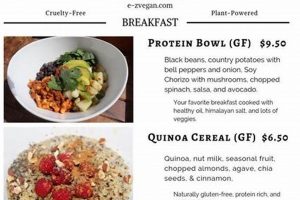
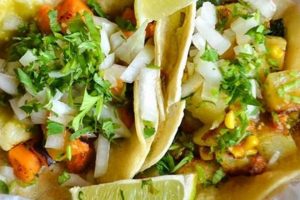
Establishments offering Mexican cuisine with readily available and thoughtfully prepared plant-based options cater to a growing segment of the population. These dining locations provide alternatives to traditional dishes heavily reliant on meat, dairy, and animal by-products. An example is a restaurant that substitutes jackfruit for carnitas or uses cashew-based cheese in enchiladas.
The increasing demand for these dining options reflects a broader societal shift towards plant-based diets, driven by ethical, environmental, and health considerations. Historically, finding suitable options within this culinary tradition presented a challenge for individuals adhering to strict dietary guidelines. The emergence of restaurants actively addressing this need provides greater accessibility and choice, fostering inclusivity within the dining landscape.
This exploration will delve into the key considerations for identifying suitable establishments, the range of plant-based dishes commonly found, and the factors contributing to a positive dining experience for those seeking meals aligning with specific dietary requirements.
Essential Considerations for Plant-Based Mexican Dining
This section outlines crucial considerations when seeking Mexican dining options that accommodate plant-based dietary requirements.
Tip 1: Menu Examination: Scrutinize the menu, both online and in-house, for explicitly labeled vegetarian or vegan dishes. Look for designations such as “V” or “VG” alongside menu items. Note the ingredients lists if provided.
Tip 2: Ingredient Inquiry: When unclear, directly inquire about ingredients. Common hidden animal products include lard in refried beans, chicken broth in rice, and dairy in sauces. Confirm these are absent or can be substituted.
Tip 3: Customization Options: Ascertain the establishment’s willingness to modify dishes. Request omissions or substitutions of ingredients such as cheese, sour cream, or meat with plant-based alternatives like tofu, beans, or vegetables.
Tip 4: Sauce Awareness: Exercise caution with sauces, particularly those labeled “creamy” or “rich,” as they often contain dairy. Inquire about ingredients and request alternative, dairy-free sauces like salsa verde or mole without animal products.
Tip 5: Rice Clarification: Confirm the rice preparation method. Some establishments use chicken broth for added flavor. Request rice cooked with water or vegetable broth to ensure it aligns with dietary requirements.
Tip 6: Bean Verification: Refried beans frequently contain lard. Verify that the beans are prepared without animal fat. Request whole beans or black beans as a potentially safer alternative.
Tip 7: Online Research: Leverage online resources, including restaurant reviews and specialized vegan/vegetarian directories, to identify establishments with established plant-based options and positive feedback from similar diners.
Adhering to these guidelines will enhance the probability of a satisfactory and compliant dining experience, minimizing the risk of unintentional consumption of animal products.
The subsequent sections will explore specific plant-based dishes commonly available and strategies for ensuring a pleasant dining experience in these culinary settings.
1. Accessibility

Accessibility, in the context of dining establishments offering plant-based Mexican cuisine, directly impacts the ability of individuals adhering to vegan diets to participate in and enjoy a broader culinary landscape. The presence, visibility, and usability of information pertaining to plant-based options are critical determinants of accessibility.
- Geographic Proximity and Density
The geographic distribution of restaurants with plant-based Mexican options directly correlates with accessibility. Urban areas, with higher concentrations of dining establishments and diverse culinary offerings, often present greater accessibility compared to rural or suburban regions. The density of such restaurants within a specific radius significantly influences consumer choice and convenience.
- Online Discoverability and Information Availability
A restaurant’s online presence and the comprehensiveness of its online information are pivotal. Factors include inclusion in online directories (e.g., HappyCow, Yelp), the presence of a clearly defined vegan/vegetarian section on the restaurant’s website, and the availability of detailed menu descriptions with ingredient lists. Insufficient or inaccurate online information directly hinders discoverability and accessibility.
- Physical Access and Inclusivity
Accessibility extends beyond the menu to encompass the physical environment. Factors include wheelchair accessibility, clear signage indicating the availability of plant-based options, and a welcoming atmosphere for individuals with dietary restrictions. A lack of physical accessibility creates a barrier to participation, irrespective of the menu offerings.
- Pricing and Affordability
The cost of plant-based options relative to traditional menu items influences accessibility. If plant-based dishes are significantly more expensive, this can create a financial barrier for some consumers, limiting their ability to access and enjoy these culinary experiences. Affordability is a critical component of ensuring equitable accessibility.
The combined effect of geographic proximity, online discoverability, physical access, and affordability dictates the overall accessibility of these establishments. Overcoming barriers in any of these areas is essential for promoting inclusivity and ensuring that plant-based dining options are readily available to all who seek them, reinforcing the positive implications for those looking to dine in establishments focused on vegan friendly options.
2. Ingredient Substitution

Ingredient substitution forms a cornerstone of plant-based Mexican cuisine. It represents the culinary adaptation required to deliver familiar flavors and textures while adhering to vegan dietary principles. This strategic replacement of animal-derived components with plant-based alternatives is crucial for creating dishes that are both appealing and compliant.
- Protein Replacement
Traditional Mexican cuisine relies heavily on meat-based proteins. In vegan adaptations, ingredients such as tofu, tempeh, seitan, jackfruit, and textured vegetable protein (TVP) are utilized to replicate the texture and savory qualities of beef, pork, or chicken. For example, jackfruit, with its fibrous texture, serves as a popular substitute for pulled pork in tacos or carnitas. These substitutions provide essential protein and contribute to the overall satiety of the dish.
- Dairy Alternatives
Dairy products like cheese, sour cream, and crema are prevalent in many Mexican dishes. Plant-based alternatives, often derived from cashews, almonds, soy, or oats, are employed to mimic the creamy texture and tangy flavor of dairy. Cashew-based cheeses can be used in quesadillas or enchiladas, while vegan sour cream can top nachos or tacos. The careful selection of dairy alternatives is important to ensure that the final product maintains a palatable flavor profile.
- Fat Replacements
Lard, a common ingredient in traditional Mexican cooking, is frequently used in the preparation of refried beans and tortillas. Vegan chefs substitute vegetable oils, such as canola or olive oil, or plant-based shortenings to provide the necessary fat content and texture. The use of appropriate fat replacements is essential for maintaining the desired consistency and mouthfeel of the dish.
- Egg Substitutions
While eggs aren’t as central to Mexican cuisine as meat or dairy, they are occasionally used in dishes like breakfast burritos or certain sauces. Vegan egg replacers, made from ingredients like chickpea flour or flaxseed meal, can be used to provide binding and emulsifying properties. These substitutions allow for the creation of plant-based versions of dishes that traditionally include eggs.
The successful implementation of ingredient substitution requires a thorough understanding of both traditional Mexican culinary techniques and the properties of plant-based ingredients. Creative and skillful substitutions allow restaurants specializing in plant-based options to offer a diverse and satisfying menu that caters to the growing demand for vegan-friendly Mexican food.
3. Menu Transparency

Menu transparency, in the context of dining establishments, is directly linked to the viability and appeal of plant-based Mexican dining options. A clear and comprehensive presentation of ingredients and preparation methods on the menu empowers informed decision-making for individuals adhering to vegan dietary guidelines. The absence of such transparency can lead to unintentional consumption of animal products, undermining the dining experience and potentially causing ethical or health-related concerns.
Consider, for example, the common practice of using lard in refried beans or chicken broth in rice. Without explicit menu notations or readily available information from staff, a vegan diner might unknowingly consume these non-compliant ingredients. Restaurants committed to serving plant-based customers often include detailed ingredient lists or symbols (e.g., “V” for vegan) next to menu items. Moreover, offering staff training to address ingredient-related inquiries fosters trust and ensures accurate information dissemination. This level of detail extends to sauces, often containing hidden animal products, and requires proactive disclosure.
In conclusion, menu transparency is not merely a courtesy; it is a critical component of establishing a credible and reliable plant-based dining environment. It fosters trust between the restaurant and its patrons, allowing for informed choices and minimizing the risk of unintentional non-compliance with dietary restrictions. The long-term success of these establishments depends, in part, on upholding a commitment to accurate and accessible ingredient information.
4. Cross-Contamination

Cross-contamination presents a significant concern for individuals adhering to strict plant-based diets and patronizing establishments offering Mexican cuisine. It involves the unintentional transfer of animal-derived substances to otherwise vegan-friendly dishes, negating the intended dietary restrictions and potentially causing ethical or health-related issues.
- Shared Cooking Surfaces and Utensils
The use of shared cooking surfaces, such as grills and stovetops, poses a risk of cross-contamination if these surfaces are not thoroughly cleaned between preparing meat-containing and plant-based dishes. Similarly, shared utensils, including spatulas, tongs, and cutting boards, can transfer animal fats and proteins. A restaurant preparing a vegetable fajita on the same grill previously used for carne asada, without proper cleaning, would exemplify this risk. The implications include a compromised vegan meal and potential distress for the diner.
- Fryer Oil Contamination
Many Mexican restaurants utilize deep fryers for items like chips, churros, or plantains. If the same fryer oil is used to cook both plant-based and animal-derived products, cross-contamination is inevitable. For instance, french fries fried in oil also used to cook fried chicken would no longer be considered vegan. This form of contamination is often difficult to detect visually and requires specific inquiry regarding the restaurant’s frying practices.
- Ingredient Storage and Handling
Improper storage and handling of ingredients can also lead to cross-contamination. Storing raw meat above plant-based ingredients in a refrigerator increases the risk of drippage and subsequent contamination. Similarly, using the same gloves to handle both meat and vegetables without changing them introduces a potential pathway for cross-contamination. Careful attention to storage protocols and hygiene practices is essential to mitigate these risks.
- Sauce and Condiment Contamination
Shared serving spoons and containers for sauces and condiments can result in cross-contamination. If a customer uses a spoon to scoop sour cream from a shared container and then uses the same spoon to serve themselves salsa, the salsa becomes contaminated. Restaurants can address this by providing individual portions of condiments or ensuring that serving utensils are replaced frequently and kept separate for plant-based and non-plant-based options.
These potential avenues for cross-contamination highlight the importance of transparency and diligence in establishments aiming to cater to individuals requiring plant-based options. Open communication between diners and restaurant staff, coupled with stringent food preparation protocols, is critical for minimizing these risks and ensuring a safe and compliant dining experience. This awareness also emphasizes the necessity for vegan patrons to actively inquire about preparation methods when dining out to ensure their dietary restrictions are respected.
5. Flavor Authenticity
Flavor authenticity, within the context of plant-based Mexican cuisine, refers to the degree to which dishes replicate the established flavors, aromas, and textures of traditional Mexican food while adhering to vegan dietary guidelines. The achievement of flavor authenticity is a critical determinant of consumer satisfaction and the long-term success of dining establishments catering to this niche. The lack of authentic flavor profiles can lead to a perception of compromised quality, deterring repeat patronage and limiting the appeal of plant-based options. For instance, a vegan enchilada relying solely on bland vegetables without replicating the savory depth of a traditional meat filling and the richness of a properly prepared sauce is likely to be perceived as unsatisfactory. Flavor authenticity, therefore, is not merely a matter of taste preference but a fundamental component of the overall dining experience.
The successful reproduction of authentic flavors often necessitates innovative ingredient substitutions and culinary techniques. The use of spices, herbs, and chile peppers becomes particularly important to compensate for the absence of meat-derived umami. The skillful application of plant-based fats, such as avocado oil or coconut oil, can contribute to a sense of richness and mouthfeel traditionally associated with animal fats. Furthermore, the fermentation of certain ingredients, such as cashew-based cheeses or tempeh, can enhance the complexity and depth of flavor profiles. Examples include using smoked paprika to mimic the smoky flavor of chorizo or employing mushroom-based broths to replicate the savory base of traditional meat-based soups. These strategic adaptations are crucial for maintaining a genuine Mexican culinary experience.
Ultimately, the pursuit of flavor authenticity in plant-based Mexican restaurants represents a delicate balance between adhering to dietary restrictions and preserving culinary traditions. Challenges include sourcing high-quality plant-based ingredients, developing innovative recipes, and effectively communicating the value of authentic flavor to consumers. By prioritizing flavor authenticity, these establishments can overcome the perception that plant-based cuisine is inherently lacking in taste and offer a compelling alternative that appeals to both vegan and non-vegan diners alike, solidifying their position within the broader culinary landscape.
6. Nutritional Adequacy

Nutritional adequacy is a critical consideration within the context of establishments offering plant-based Mexican cuisine. While the adoption of a vegan diet often stems from ethical or environmental concerns, ensuring sufficient intake of essential nutrients is paramount. Traditional Mexican cuisine, with its reliance on animal products, requires strategic modification to maintain nutritional balance when adapted for vegan consumption. The omission of meat and dairy necessitates careful planning to address potential deficiencies in protein, iron, vitamin B12, calcium, and omega-3 fatty acids. A poorly planned plant-based Mexican diet can lead to inadequate nutrient intake, negatively impacting health and well-being. For example, relying solely on rice and beans without incorporating diverse sources of protein and micronutrients will likely result in nutritional imbalances. The absence of B12, primarily found in animal products, is a specific concern requiring supplementation or fortified foods.
To achieve nutritional adequacy, “vegan friendly mexican restaurants” must prioritize ingredient diversity and strategic food pairings. Incorporating plant-based protein sources such as beans, lentils, tofu, tempeh, and nuts is essential. The bioavailability of iron from plant-based sources can be enhanced by consuming vitamin C-rich foods concurrently, such as citrus fruits or bell peppers. Calcium can be obtained from fortified plant-based milks, tofu processed with calcium sulfate, and leafy green vegetables. Omega-3 fatty acids can be sourced from flaxseeds, chia seeds, and walnuts, although conversion to usable forms may be limited. Furthermore, restaurants should consider offering dishes fortified with vitamin B12 or educating patrons on the importance of supplementation. An establishment offering a variety of dishes featuring these nutrient-dense ingredients and providing accurate nutritional information empowers customers to make informed choices and optimize their nutrient intake.
Ensuring nutritional adequacy in vegan Mexican cuisine requires a holistic approach, encompassing menu design, ingredient selection, and customer education. While plant-based adaptations can offer numerous health benefits, vigilance in nutrient intake is crucial to avoid potential deficiencies. Challenges include overcoming the perception that vegan food is inherently less nutritious and providing accessible information to guide dietary choices. By prioritizing nutritional considerations, these establishments can promote both ethical eating and optimal health, fostering a sustainable and responsible culinary practice. This commitment ultimately contributes to the long-term viability and positive impact of plant-based Mexican dining.
Frequently Asked Questions
The following addresses common inquiries regarding vegan options within the context of Mexican dining establishments.
Question 1: Are refried beans typically vegan?
Refried beans often contain lard (rendered pork fat). Verification of ingredient composition from the establishment is advised. Requesting whole beans or black beans may provide a lard-free alternative.
Question 2: How can hidden dairy be identified in Mexican dishes?
Dairy frequently appears in sauces, creams, and cheeses. Inquire about ingredients and request substitutions. Specify a preference for plant-based alternatives (e.g., cashew cream, vegan cheese) or dairy-free options (e.g., salsa verde, pico de gallo).
Question 3: Is Mexican rice typically vegan?
Some preparations of Mexican rice include chicken broth for added flavor. Confirm the rice preparation method and request rice prepared with water or vegetable broth.
Question 4: What are common plant-based protein sources in vegan Mexican cuisine?
Tofu, tempeh, seitan, jackfruit, and textured vegetable protein (TVP) are frequently used to substitute for meat. Beans and lentils also provide substantial protein content.
Question 5: How is cross-contamination avoided in restaurants preparing both vegan and non-vegan dishes?
Separate cooking surfaces, utensils, and fryers are essential to prevent cross-contamination. Inquire about the establishment’s protocols for preparing plant-based meals to ensure adherence to strict dietary guidelines.
Question 6: What are some examples of authentically flavored vegan Mexican dishes?
Jackfruit carnitas tacos, mushroom-based enchiladas with cashew cream, and black bean burritos with plant-based cheese represent options that can capture traditional Mexican flavors while remaining fully plant-based.
A proactive approach to ingredient verification and a clear understanding of potential hidden animal products will contribute to a satisfactory dining experience.
The subsequent sections delve into specific considerations for navigating menus and maximizing culinary enjoyment within these establishments.
Concluding Observations on Vegan Friendly Mexican Restaurants
This exploration has illuminated the multifaceted nature of vegan-friendly Mexican restaurants. Key elements include menu transparency, ingredient substitution, cross-contamination prevention, flavor authenticity, accessibility, and nutritional adequacy. Successfully navigating this culinary landscape requires diligence in inquiry and informed decision-making regarding menu options and preparation methods.
The ongoing evolution of plant-based dining reflects a significant shift in culinary preferences and ethical considerations. Continued innovation in ingredient development and culinary techniques will further enhance the availability and quality of vegan options within the Mexican culinary tradition, promoting inclusivity and dietary diversity in the dining experience.