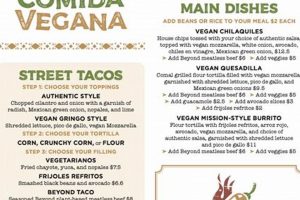
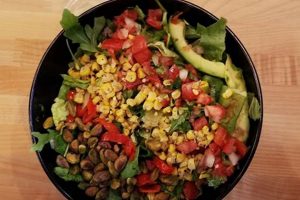
The culinary landscape features a segment focused on plant-based versions of traditional dishes from the United States. This encompasses adaptations of popular meals to exclude all animal products, including meat, dairy, and eggs. Examples range from corn dogs made with plant-based sausage and batter, to mashed potatoes made without butter or cream.
This approach to food preparation addresses ethical, environmental, and health concerns. The reduction of animal product consumption can contribute to decreased carbon footprint and improved individual wellness. Historically, the interest in these culinary alternatives has grown alongside increased awareness of dietary impact and the rise of plant-based lifestyles.
The subsequent sections will explore specific categories within this cuisine, highlighting ingredients, preparation techniques, and readily accessible resources for creating these dishes at home.
Tips for Plant-Based Versions of U.S. Cuisine
This section presents practical guidance for adapting traditional United States dishes to comply with plant-based dietary restrictions. Attention to detail in ingredient selection and preparation methods is crucial for achieving optimal flavor and texture.
Tip 1: Utilizing Nutritional Yeast: Incorporate nutritional yeast to impart a cheesy flavor to sauces, toppings, and fillings. Its umami profile enhances savory elements in dishes like macaroni and cheese or vegan queso.
Tip 2: Experimenting with Plant-Based Meat Alternatives: Explore the variety of commercially available plant-based meat substitutes. Consider factors such as texture, protein content, and flavor profile when selecting the appropriate alternative for recipes like burgers, meatloaf, or chili.
Tip 3: Mastering Bean Preparation: Learn to properly soak and cook dried beans. This foundational skill allows for cost-effective and flavorful replacements for meat in dishes such as baked beans, stews, and tacos.
Tip 4: Creating Dairy-Free Sauces: Cashews, sunflower seeds, or silken tofu can be blended to create creamy dairy-free sauces. These bases offer a neutral flavor profile that can be customized with herbs, spices, and other seasonings.
Tip 5: Optimizing Vegetable Roasting Techniques: Proper roasting techniques are essential for enhancing the flavor of vegetables. High heat and sufficient spacing on the baking sheet promote caramelization and prevent steaming, leading to more flavorful results.
Tip 6: Leveraging Liquid Smoke: A few drops of liquid smoke can contribute a smoky depth to plant-based dishes, emulating flavors traditionally achieved through meat-based cooking methods. Use sparingly, as it can be overpowering.
Tip 7: Understanding Gluten-Free Binders: When preparing baked goods, become familiar with gluten-free binders like flaxseed meal or chia seeds. These ingredients help to provide structure and cohesion in the absence of gluten.
Implementing these strategies will significantly improve the quality and authenticity of plant-based versions of classic American foods. Careful planning and execution are key to achieving delicious and satisfying results.
The subsequent section will delve into specific popular plant-based adaptations of well-known national dishes.
1. Plant-Based Alternatives

Plant-based alternatives constitute the foundational element in the construction of dishes within the sphere of vegan American food recipes. The very existence of this culinary category is predicated on the successful substitution of animal-derived ingredients with those originating from plant sources. This substitution is not merely a superficial swap; it necessitates a deep understanding of the functional properties of each ingredient being replaced to maintain or replicate the intended flavor, texture, and overall culinary experience.
Consider the example of a classic American burger. Traditional recipes rely on ground beef for their characteristic taste and mouthfeel. In a plant-based adaptation, soy-based patties, mushroom-based alternatives, or combinations of legumes and vegetables may serve as substitutes. The selection of the specific plant-based alternative directly impacts the final product’s palatability and likeness to the original dish. The selection will depend on the specific desired effect and recipe requirements. In practical terms, an understanding of the strengths and limitations of each alternative is indispensable for chefs and home cooks alike.
In summary, the relationship between plant-based alternatives and vegan American food recipes is one of absolute dependence. The successful application of these alternatives, guided by a thorough understanding of their properties, is essential for creating dishes that are both ethically aligned with vegan principles and palatable to a broad audience. The ongoing development and refinement of these alternatives will undoubtedly shape the future of vegan culinary practices.
2. Flavor Replication

Flavor replication constitutes a critical facet within the realm of plant-based adaptations of traditional United States cuisine. The ability to accurately mimic the taste profiles of well-established dishes is paramount to the acceptance and adoption of these vegan alternatives. The absence of familiar flavors can result in dissatisfaction and rejection, undermining the broader goals of promoting sustainable and ethical dietary practices. Therefore, successful flavor replication is not merely a matter of culinary artistry but a pragmatic necessity for widespread consumption.
The achievement of flavor replication necessitates a strategic approach that considers ingredient selection, cooking techniques, and the judicious use of flavor enhancers. For instance, the savory character of meat-based dishes can often be approximated by employing umami-rich ingredients such as mushrooms, roasted vegetables, or soy sauce. Smoke flavor can be introduced through the use of smoked paprika or liquid smoke. The strategic combination of these elements, guided by an understanding of flavor chemistry, can lead to a significant reduction in the perceived difference between the original dish and its plant-based counterpart. As a practical example, recreating the flavor of barbeque sauces may involve substituting honey with maple syrup and incorporating smoky spices.
In conclusion, the success of vegan American food recipes hinges significantly on effective flavor replication. While achieving perfect duplication may be unattainable, striving for a high degree of similarity is essential for bridging the gap between traditional dietary preferences and plant-based alternatives. Challenges remain in replicating the complex flavors of certain dishes; however, ongoing culinary innovation and a deeper understanding of ingredient interactions offer promising avenues for future improvement. The ultimate objective is to provide accessible and enjoyable options that encourage a transition towards more sustainable food choices.
3. Texture Mimicry

Texture mimicry plays a crucial role in the successful execution of vegan American food recipes. The textural experience significantly influences palatability and consumer acceptance, particularly when adapting familiar dishes that traditionally rely on animal-derived ingredients for their characteristic mouthfeel. Replicating these textures using plant-based components requires careful consideration of ingredient properties and preparation methods.
- The Role of Gluten in Meat Alternatives
Gluten, derived from wheat, functions as a binding agent and provides a chewy texture in many meat substitutes. Seitan, a product composed primarily of gluten, is commonly used to mimic the texture of beef or poultry in dishes like vegan steak or chicken sandwiches. However, gluten’s allergenic properties necessitate alternative texturizing agents for consumers with celiac disease or gluten sensitivities.
- The Use of Legumes for Creaminess and Body
Legumes, such as beans and lentils, can be processed to create creamy textures in dishes that traditionally rely on dairy. Cashews, when soaked and blended, offer a rich and smooth consistency suitable for vegan cheese sauces or cream-based soups. Additionally, the fiber content of legumes contributes to a satisfying mouthfeel, enhancing the overall dining experience.
- Vegetable Fibers and Textural Complexity
The manipulation of vegetable fibers through specific cooking techniques can contribute to the desired texture in plant-based dishes. For example, shredded jackfruit, when seasoned and cooked, can mimic the texture of pulled pork in barbecue sandwiches. Similarly, the careful preparation of eggplant or mushrooms can yield textures resembling cooked meat in various applications.
- Hydrocolloids and Modified Starches as Texturizers
Hydrocolloids, such as agar-agar or carrageenan, and modified starches are often employed in vegan cuisine to achieve specific textures. These ingredients can create gel-like consistencies in vegan desserts or act as stabilizers in plant-based dairy alternatives. Their ability to alter viscosity and create diverse textures expands the possibilities for replicating traditional dishes in vegan formats.
The interplay between these various textural elements underscores the complexity of developing successful vegan American food recipes. By strategically employing plant-based ingredients and techniques, chefs and home cooks can create dishes that not only adhere to ethical and dietary guidelines but also deliver a satisfying and authentic culinary experience. Continued research and innovation in plant-based food science will further expand the possibilities for texture mimicry, enhancing the appeal of vegan cuisine to a broader audience.
4. Nutritional Adequacy

Nutritional adequacy serves as a cornerstone consideration in the design and consumption of plant-based versions of United States culinary staples. The omission of animal products inherently alters the nutrient profile of these dishes, necessitating deliberate strategies to ensure that essential vitamins, minerals, and macronutrients are adequately supplied. Without careful planning, plant-based adaptations of typical meals may lack critical components found abundantly in their conventional counterparts. For example, a standard plant-based burger lacks the bioavailable iron present in beef and may require fortification or strategic pairing with iron-enhancing foods like vitamin C-rich vegetables to prevent deficiency.
Achieving nutritional completeness often involves incorporating a diverse array of plant-based ingredients. Vitamin B12, absent from plant sources, necessitates supplementation or the inclusion of fortified foods like nutritional yeast or plant-based milks. Calcium requirements can be met through fortified tofu, dark leafy greens, and calcium-set foods. The incorporation of nuts, seeds, and legumes provides essential fatty acids and protein, addressing potential deficiencies commonly associated with restrictive diets. Therefore, adherence to established dietary guidelines and consultation with qualified nutrition professionals is crucial for individuals adopting a plant-based variation of traditional American cuisine.
In summary, nutritional adequacy represents a non-negotiable aspect of vegan American food recipes. The success of such adaptations hinges on the informed selection and combination of ingredients to ensure comprehensive nutritional coverage. While potential challenges exist in replicating the nutrient density of animal-based dishes, these can be effectively addressed through careful meal planning, strategic supplementation, and a commitment to dietary diversity. Prioritizing this aspect is paramount for the long-term health and well-being of individuals embracing a plant-based lifestyle.
5. Ingredient Sourcing

The formulation of vegan American food recipes fundamentally depends on ingredient procurement. The selection and availability of plant-based components dictate the feasibility and authenticity of replicating traditional dishes without animal products. Ingredient sourcing encompasses the entire process, from cultivation and harvesting to processing and distribution, significantly influencing the final product’s taste, texture, nutritional profile, and overall sustainability. For instance, the use of locally sourced, organic vegetables in a vegan shepherd’s pie contributes not only to enhanced flavor but also to a reduced carbon footprint and support for regional agriculture. Conversely, reliance on imported, processed ingredients may compromise the dish’s environmental impact and nutritional value.
The complexity of ingredient sourcing extends to identifying suitable plant-based alternatives for common animal-derived ingredients. Vegan cheese production, for example, necessitates securing sources of nuts, seeds, or other plant-based fats, along with stabilizers and flavorings. The environmental and ethical implications of sourcing these components must be considered. Cashew farming, while providing a base for creamy vegan cheeses, has been associated with labor concerns in certain regions. Similarly, the use of soy-based products requires attention to sustainable farming practices to minimize deforestation and environmental impact. Responsible sourcing involves transparency in the supply chain, adherence to ethical labor standards, and a commitment to environmental stewardship.
In conclusion, ingredient sourcing is inextricably linked to the success and integrity of vegan American food recipes. Prioritizing locally sourced, sustainably produced ingredients enhances the flavor, nutritional value, and environmental responsibility of these dishes. Challenges remain in ensuring transparency and ethical practices throughout the supply chain, but a conscious effort to source ingredients responsibly is essential for promoting a more sustainable and ethical food system. The future trajectory of vegan cuisine depends on informed ingredient choices and a commitment to responsible sourcing practices.
6. Recipe Modification

Recipe modification constitutes a fundamental process in the creation and dissemination of vegan American food recipes. The adaptation of traditional dishes to exclude animal products inherently necessitates alterations to existing culinary instructions. These changes may range from simple ingredient substitutions to significant restructuring of preparation methods. The success of a plant-based adaptation hinges on the efficacy of these modifications in maintaining, or even enhancing, the flavor, texture, and nutritional profile of the original recipe. For example, adapting a classic apple pie recipe requires replacing butter in the crust with a plant-based fat, such as shortening or coconut oil, and substituting dairy milk with almond or soy milk. The resulting dish must retain the characteristic flakiness of the crust and the creamy consistency of the filling, demonstrating successful recipe modification.
The importance of recipe modification extends beyond mere ingredient swaps. It often involves understanding the functional properties of ingredients and their interactions. Egg replacement in baking presents a common challenge, requiring the use of binders like flaxseed meal or applesauce to provide structure and moisture. Moreover, adjustments to cooking times and temperatures may be necessary to compensate for the altered properties of plant-based ingredients. Practical application includes carefully documenting all modifications to ensure reproducibility and providing clear instructions for novice cooks. This detailed approach promotes accessibility and encourages wider adoption of vegan alternatives to traditional American fare. Furthermore, it allows for continuous refinement of recipes based on feedback and experimentation, driving innovation within the vegan culinary landscape.
In summary, recipe modification is an indispensable element in the development of authentic and palatable vegan American food recipes. It requires both culinary creativity and a scientific understanding of ingredient functionality. While challenges exist in replicating the complex flavors and textures of certain animal-based dishes, the ongoing refinement of recipe modification techniques is paving the way for a more sustainable and inclusive food system. Success depends on thoughtful adaptations and thorough communication of modified processes.
7. Cultural Preservation
The adaptation of traditional United States cuisine to vegan formats carries implications for cultural preservation. Foodways represent a significant aspect of cultural identity, reflecting historical influences, regional variations, and shared traditions. Modifying established recipes to adhere to plant-based dietary principles necessitates a balance between ethical considerations and the desire to maintain culinary heritage. The alteration of foundational dishes risks severing connections to the past, potentially diluting the cultural significance embedded within specific recipes.
The challenge lies in adapting recipes in a manner that respects their historical roots while aligning with contemporary ethical and dietary values. This might involve researching the historical origins of a dish, understanding the role of specific ingredients, and carefully selecting plant-based alternatives that preserve the essential flavors and textures. For example, adapting Southern cornbread requires substituting lard with vegetable oil, while maintaining the characteristic crumbly texture and subtle sweetness. In some instances, the adaptation process may uncover previously overlooked vegan iterations of traditional recipes, reflecting historical periods of economic hardship or religious observance. Preserving the cultural context and significance of a dish contributes to its enduring appeal and ensures that the plant-based adaptation remains authentic.
In conclusion, the relationship between vegan American food recipes and cultural preservation is complex. While plant-based adaptations can promote ethical and sustainable food practices, they must also respect the cultural significance of traditional dishes. Success depends on a thoughtful and informed approach, balancing innovation with a deep understanding of culinary history. Maintaining this balance ensures that plant-based versions of American classics can be enjoyed without sacrificing cultural identity.
Frequently Asked Questions
This section addresses common inquiries regarding the preparation and consumption of plant-based versions of traditional United States dishes. It aims to clarify potential points of confusion and provide informative answers.
Question 1: Is it possible to replicate the taste of meat without using animal products?
Achieving an exact duplication of meat flavor in plant-based dishes remains a significant challenge. However, the strategic use of umami-rich ingredients such as mushrooms, soy sauce, and smoked paprika, combined with appropriate cooking techniques, can produce palatable and satisfying results that approximate the desired flavor profile.
Question 2: How does one ensure adequate protein intake when following vegan American food recipes?
Adequate protein intake can be achieved through the incorporation of plant-based protein sources such as legumes, tofu, tempeh, nuts, and seeds. Careful meal planning, combined with an understanding of the protein content of various plant-based foods, is essential for meeting daily protein requirements.
Question 3: Are vegan versions of traditional American desserts nutritionally comparable to their conventional counterparts?
The nutritional profile of vegan desserts varies depending on the specific ingredients used. While some substitutions may reduce saturated fat and cholesterol, others may increase sugar content. A balanced approach, prioritizing whole-food ingredients and minimizing processed sugars, is recommended.
Question 4: What are some common pitfalls to avoid when adapting traditional American recipes to be vegan?
Common pitfalls include inadequate binding in baked goods, insufficient moisture in sauces, and a lack of umami flavor in savory dishes. Careful attention to ingredient ratios, cooking techniques, and the strategic use of flavor enhancers can help avoid these problems.
Question 5: How can the texture of meat be replicated in plant-based American dishes?
Various plant-based ingredients, such as seitan (wheat gluten), jackfruit, and textured vegetable protein (TVP), can be manipulated to mimic the texture of meat. The specific choice depends on the desired texture and the nature of the dish.
Question 6: Are vegan American food recipes more expensive to prepare than traditional versions?
The cost of preparing vegan dishes depends on the specific ingredients used and the availability of local and seasonal produce. While some specialty ingredients may be more expensive, the use of staples like beans, lentils, and grains can make plant-based cooking cost-effective.
Plant-based adaptations of American cuisine present a range of opportunities and challenges. Informed decision-making and a willingness to experiment are key to achieving successful and satisfying results.
The next section will provide a conclusion, summarizing the key takeaways and offering final thoughts on the subject.
Conclusion
The preceding sections have explored the multifaceted nature of plant-based versions of United States culinary traditions. The discussion encompassed the utilization of plant-based alternatives, the replication of flavors and textures, the maintenance of nutritional adequacy, the importance of responsible ingredient sourcing, the nuances of recipe modification, and the preservation of cultural heritage. These elements collectively define the scope and challenges inherent in adapting familiar dishes to meet the demands of a vegan diet.
The ongoing evolution of culinary techniques and the increasing availability of plant-based ingredients suggest a continued expansion of vegan adaptations within the American culinary landscape. Future progress hinges on a commitment to innovation, ethical sourcing practices, and a dedication to preserving the cultural significance of traditional dishes. Further research and development in plant-based food science may address the challenge of better replication and may widen the appeal to a broader audience.